Last updated November 18, 2026








Free written scope consultation - allowances, timeline, and change-order rules on paper before a single trade is scheduled
General Contractor Troubleshooting: Common Problems and How to Fix Them
The California Contractors State License Board logs tens of thousands of complaints every year, and a large share of them close as “unresolved” – not because the homeowner was wrong, but because nobody can prove what was actually agreed to. That’s the pattern we see most often. By the time a homeowner calls us in Pasadena to sort out a stalled or disputed job, the real problem usually isn’t the drywall or the tile. It’s a contract that never defined what “done” meant. This guide walks you through how to diagnose what kind of problem you actually have, and what leverage you hold at each stage.
Quick Answer
If you have a problem with a general contractor, first figure out which of three categories it falls into: a workmanship defect (the work doesn’t meet code or manufacturer spec), a scope gap (the work was never in the contract), or a contract breach (the contractor isn’t honoring the written agreement). Your remedy, your leverage, and your legal path all depend on that distinction. Document everything in writing, put the contractor on formal notice, and give the legally required cure period before you terminate or withhold payment.
Styles & brands we work with
- Kitchen remodeling
- Bathroom remodeling
- Home additions & ADU
- Roofing
- Windows & doors
- Driveway & pavers
- Fence
Table of Contents
- How to Diagnose Your Problem in the First 24 Hours
- Workmanship Defect vs. Scope Gap: Why the Difference Decides Your Remedy
- The “Stop Payment” Trap: How Withholding a Draw Can Void Your Own Protections
- How to Document a Mid-Project Problem So It Holds Up
- Mechanic’s Liens: The Risk You Didn’t Know You Were Carrying
- The 10-Day Cure Notice: California’s Required Step Before You Terminate
- When the Fix Is Fix-Forward: Rebuilding a Job That’s Gone Sideways
- Preventing the Problem Next Time: What a Squared-Away Contract Looks Like
How to Diagnose Your Problem in the First 24 Hours
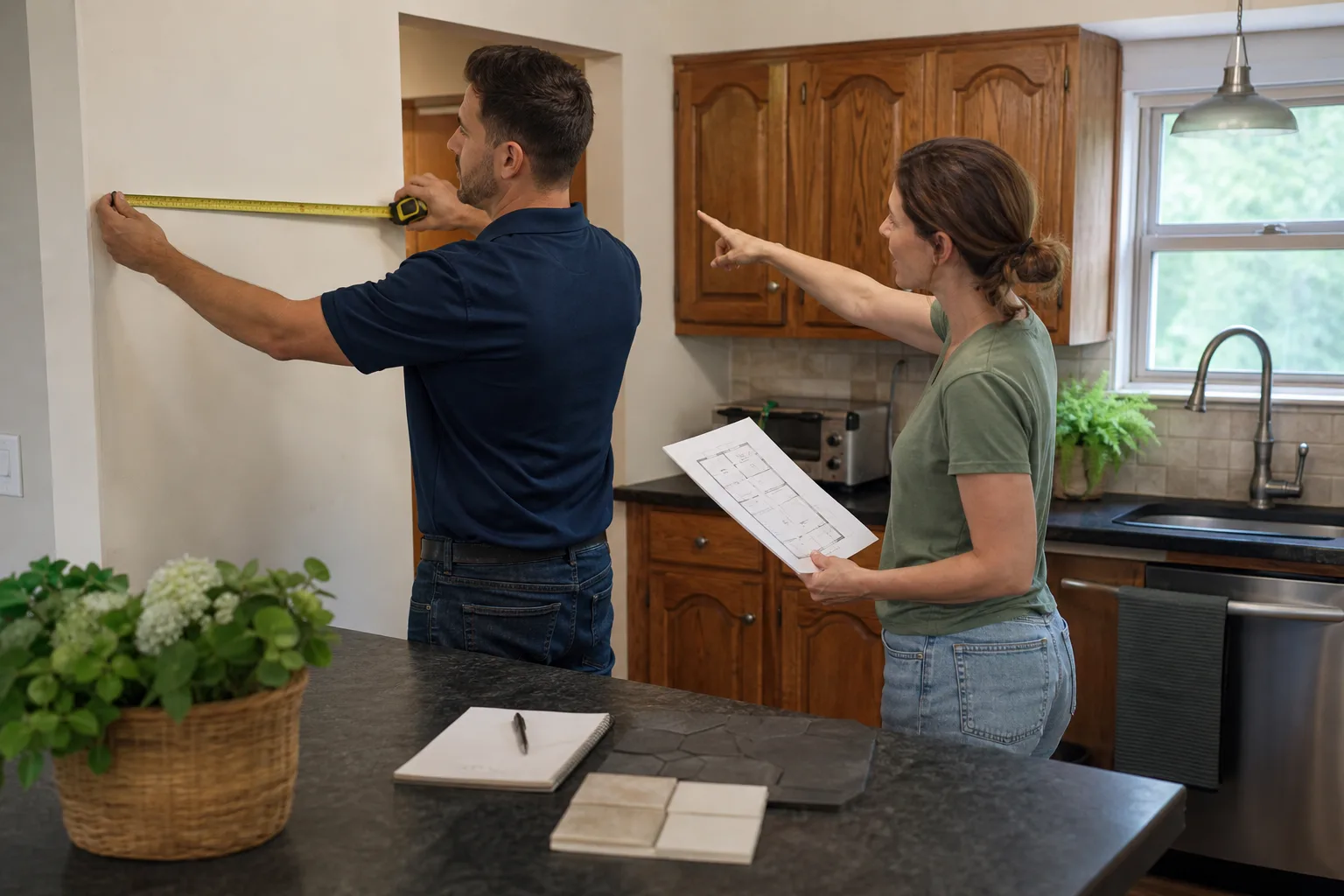
Before you fire off an angry text, take a breath and walk the job. The first move is classification. When a homeowner tells us they have “a problem with their contractor,” we ask them to separate what they’re feeling from what the contract says. Here’s the sequence we recommend.
- Pull the signed contract and every change order. Read the scope of work line by line. You’re looking for what was explicitly promised, what was excluded, and what the payment schedule says about milestones.
- Photograph the condition. Wide shots of the room, close-ups of the defect, and a photo of any relevant measurement (a level on the countertop, a tape measure against the tile joint). Date-stamp them.
- Write down a timeline. When did the work start, when did you first notice the problem, when did you notify the contractor, and how did you notify them?
- Identify the category. Is this a defect (the work is there but wrong), a scope gap (the work isn’t there and was never specified), or a breach (the contractor walked, stopped showing, or is billing outside the agreement)?
- Don’t stop paying yet. Hold that thought – the next section explains why.
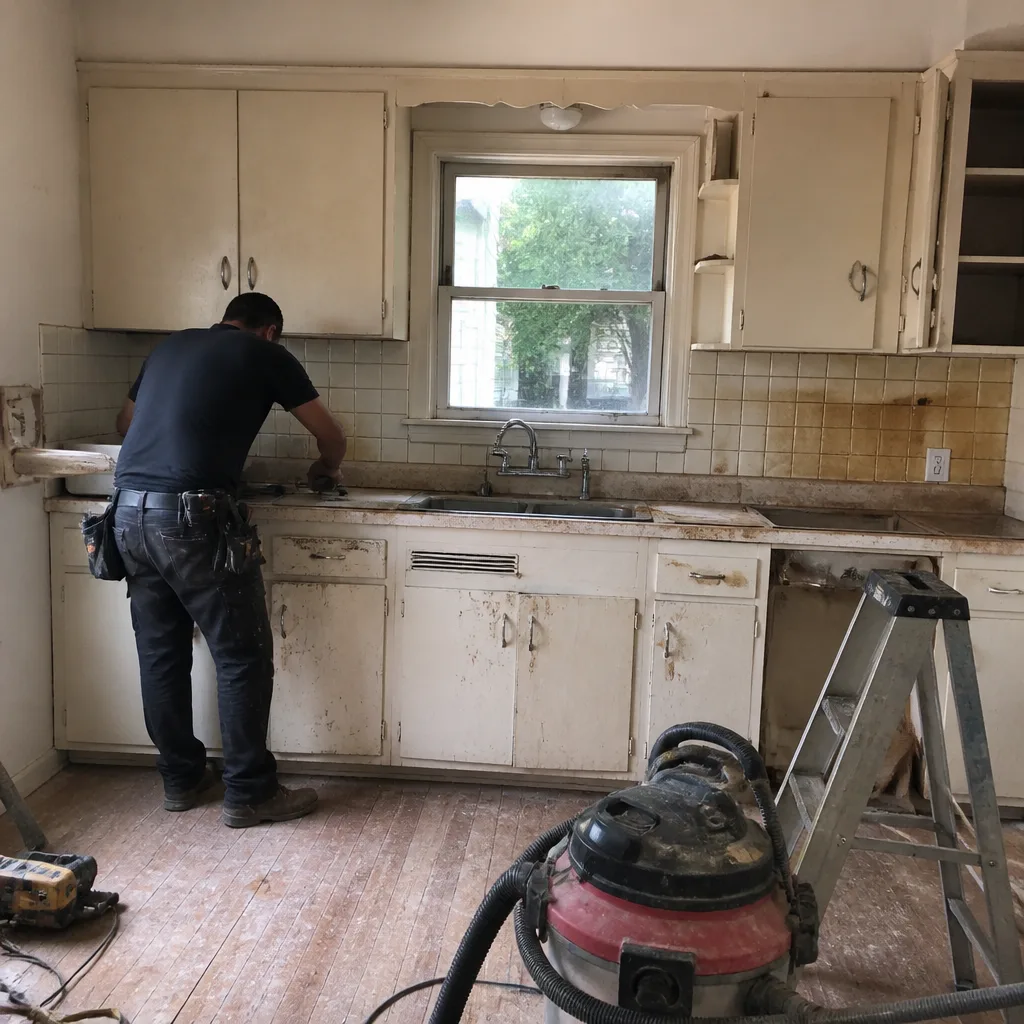
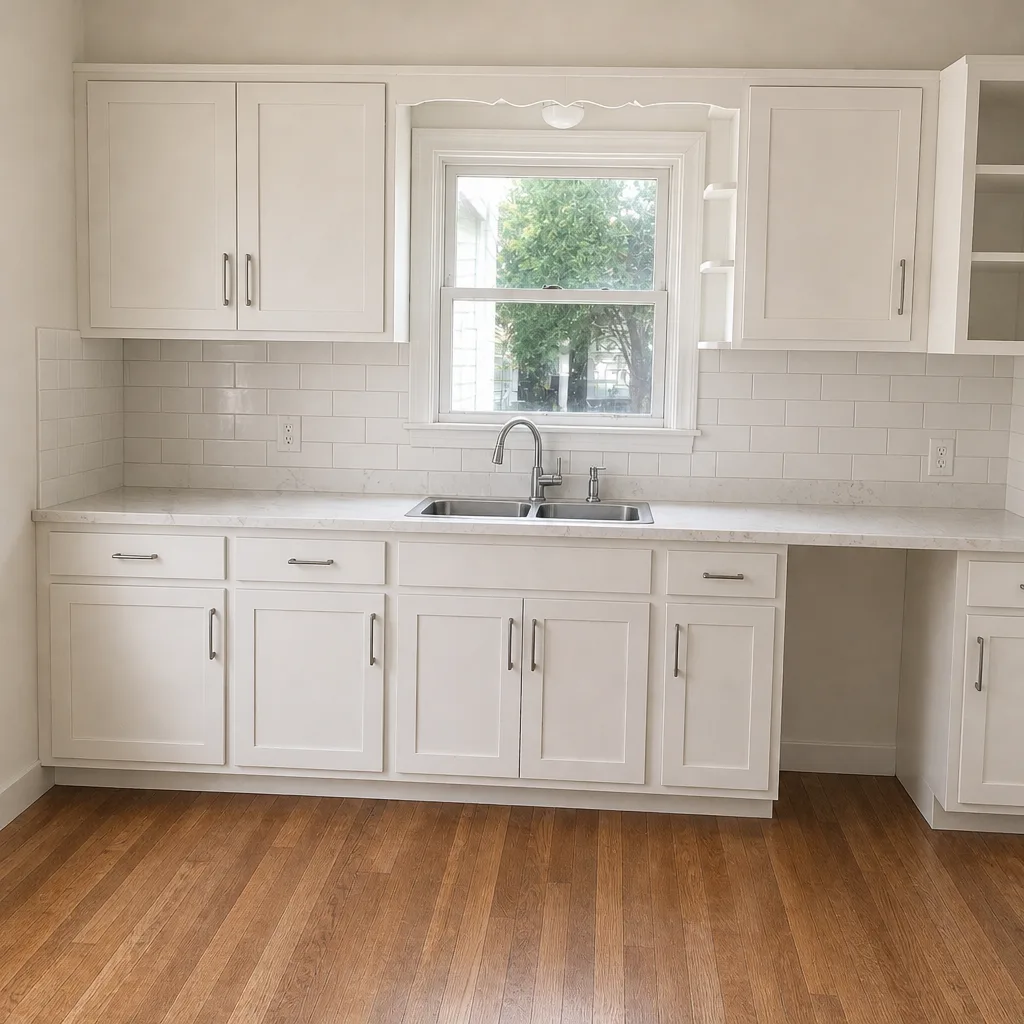
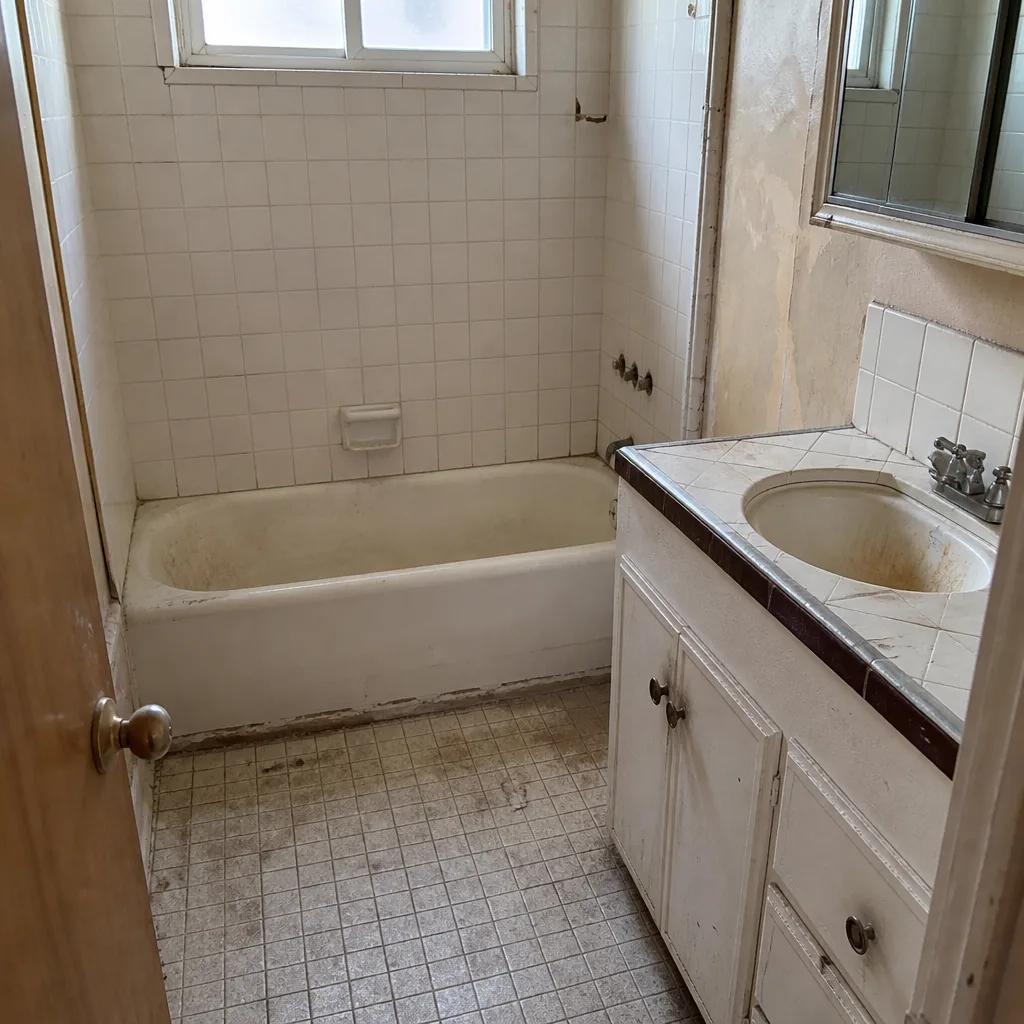
In Pasadena, we regularly see this play out after a kitchen or bath remodel where the homeowner and the contractor had different pictures of “finished.” One side thinks the job ended at the counters; the other thinks it included the backsplash. A five-minute read of the contract usually settles it. If the contract is silent, that silence is the actual problem.
Workmanship Defect vs. Scope Gap: Why the Difference Decides Your Remedy
These two problems look similar on a Tuesday afternoon and have completely different legal recoveries. A workmanship defect means the contractor promised the work and it doesn’t meet the standard – code, manufacturer installation instructions, or ordinary trade practice. A scope gap means the work was never in the contract at all.
Workmanship defect
- The contractor is obligated to fix it, usually at no charge, under the contract and often under warranty.
- Your remedy is repair or replacement, and you have a documented right to demand performance.
- If unrepaired, it can become a CSLB complaint and, in serious cases, a licensing issue for the contractor.
- Examples: tile lippage beyond manufacturer tolerance, a failed shower pan slope, improperly installed exterior trim with no flashing behind it.
Scope gap
- Nobody is in breach for the gap itself; the question is who pays for the additional work and at what price.
- Your remedy is a written change order with a defined price and a defined schedule impact.
- Verbal “yeah, we’ll throw that in” promises are the most common source of Pasadena scope disputes we see, especially on older Craftsman and bungalow remodels where a simple cabinet swap uncovers knob-and-tube wiring that was never in the plan.
- The fix isn’t a fight; it’s a document.
The reason this matters: if you treat a scope gap as a defect, you’ll threaten a complaint the contractor can defend in five minutes with the signed contract. If you treat a defect as a scope gap, you’ll agree to pay for work you already paid for. Get the category right before you write a single email.
The “Stop Payment” Trap: How Withholding a Draw Can Void Your Own Protections
We understand the impulse. The work is wrong, so you stop the next payment until it’s fixed. In California, this move can backfire in ways most homeowners don’t see coming. When you withhold a scheduled draw without the contract’s required notice, you can put yourself in breach of the same agreement you’re trying to enforce.
That shift of leverage has real costs:
- The contractor may suspend work lawfully. Many contracts include a suspension right for non-payment, and it can come with a schedule extension.
- Subcontractors and suppliers go unpaid. They have a right to pursue payment, and you may find the lien described below lands on your property.
- You lose the presumption of good faith. A CSLB complaint where the contractor can show the homeowner stopped paying first is harder to win than one where the payment history is clean.
What you can do instead: pay the draw under written protest. Send the payment with a covering letter that expressly reserves your rights – states the specific defect, states that the payment is not acceptance of the work, and states the remedy you’re demanding. California courts and the CSLB recognize the difference between a payment made under protest and a payment that reads as acceptance. In practice, a Pasadena homeowner who pays under protest with a written defect list is in a stronger position than one who stops writing checks and stops answering calls.
How to Document a Mid-Project Problem So It Holds Up
If your concern is in your head or on a phone call, it doesn’t exist for the purposes of a license complaint, a small-claims filing, or a lien dispute. Put it in writing. Not because you’re building a case (you might never need one), but because a clean record ends most disputes in one conversation.
Here’s the language pattern we recommend, and it’s the one we use ourselves when a client flags something mid-job in Pasadena:
- Subject line: “Written Notice – [Address] – [Specific Item]” – keep it neutral and specific.
- Opening line: “This is written notice of a concern with [specific item] observed on [date and time].”
- Description of the condition: what you see, where you see it, and what standard you believe applies (code section, manufacturer installation guide, or the contract line).
- What you’re asking for: an inspection, a written response within a stated number of days, and a proposed remedy.
- Photo attachments: dated and labeled.
- Delivery method: email to the address on the contract, plus a copy by certified mail for anything you may act on legally. Keep both receipts.
One more thing, and it’s the part most people miss: send it to the right address. The contract should list a business address and an email. If the only contact you have is a personal cell number, that’s a red flag worth noting in your file.
Mechanic’s Liens: The Risk You Didn’t Know You Were Carrying
A mechanic’s lien is a legal claim against your property, filed by someone who supplied labor or materials and didn’t get paid. Here’s the part that catches homeowners: a subcontractor or material supplier can file a lien on your house even if you paid your general contractor in full. The lien follows the property, not the person who failed to pay.
That’s why a lien release schedule matters. On a well-run job, every payment draw should be paired with:
- A conditional lien release from each sub and supplier for the amount being paid, effective when the check clears.
- An unconditional lien release for the previous draw, confirming that earlier money is settled.
- A final unconditional release at close, signed by the GC and every sub, delivered before the last payment is released.
If you don’t have a release for a given draw, you don’t know who’s been paid. In Pasadena and across LA County, the standard preliminary 20-day notice is the trigger for this whole process – it tells you who has lien rights on your property. If you never received one from anyone, ask the GC why. On a job with real subcontractors, silence on this is unusual.
The 10-Day Cure Notice: California’s Required Step Before You Terminate
California law gives a contractor a right to cure a defect before you can lawfully terminate the contract and bring in a replacement. That’s the “right to repair” framework, and it works in the contractor’s favor if you skip it. If you terminate without giving proper notice, you may owe the contractor for work performed and still be on the hook for the cost to fix the job with someone else.
The rough sequence:
- Send written notice of the specific defect or breach, in the form the contract requires. Cite the contract section.
- State the cure period. The contract usually specifies it. If it doesn’t, the statute provides a baseline that your attorney can confirm for your situation – typically in the range of 10 days.
- State the remedy you expect and the date by which you need it performed.
- Deliver by a method that proves receipt. Certified mail is the standard.
- Wait the period out. If the contractor performs, the matter is resolved. If not, you document the failure and move to the next step – CSLB complaint, mediation, or legal counsel.
We’ve seen homeowners lose real money by skipping this step in a hurry to get someone else on the job. Getting the letter right costs an afternoon. Skipping it can cost a deposit.
When the Fix Is Fix-Forward: Rebuilding a Job That’s Gone Sideways
Sometimes the answer isn’t a dispute – it’s a reset. If the contractor has walked, the license has lapsed, or the relationship has broken down past the point of repair, the job needs to be taken over cleanly. That’s harder than it sounds, and the biggest risk is paying twice for the same work.
Before any new contractor touches the site:
- Get a written termination from the old contractor, or a written notice of non-performance if they’ve gone silent.
- Collect lien releases for every draw that was paid, and confirm no sub has filed a preliminary notice you didn’t know about.
- Have the site inspected and the as-built condition documented – what’s actually installed, what’s rough-in only, and what’s been removed.
- Get a written scope that starts from that documented condition, not from the original plans.
This is the moment a homeowner needs a written price more than at any other point in the project. A take-over price that “depends” is worse than no price at all. When we take on a stalled job in Pasadena, we start with a documented walk of the existing condition, then give a fixed written price for the scope to completion. The Garrison Standard is what we work to – the price is in writing before a single tool comes out, and the guarantee covers the work for a full 365 days after close. If it fails inside that window, we come back and correct it at no charge.
Preventing the Problem Next Time: What a Squared-Away Contract Looks Like
The best troubleshooting guide is the one you never need. When you’re hiring a general contractor in Pasadena, the contract should define “done” in terms that a stranger could read and verify.
- Scope of work line by line. Every room, every material, and a written exclusion list. “Standard” is not a spec. “KraftMaid in the [named door style], Cambria [named color], 3 cm edge profile [named]” is a spec.
- Written price before work starts. A fixed number for a fixed scope. Change orders only in writing, only signed by both sides.
- Payment schedule tied to milestones, not dates. “Framing complete and inspected” beats “week 3.”
- Lien release schedule attached. Every draw paired with a conditional release, final payment paired with unconditional releases from every sub.
- Written workmanship warranty. The coverage term, what’s covered, and the procedure for a claim, in plain language.
- A named point of contact and a live phone number. Verify it before you sign – not after the first no-show.
If you’d like to see what that looks like as a full process rather than a list on a page, our General Contractor in Pasadena service page lays out the workflow from first walk to signed guarantee. For the specifics of a kitchen or bath job, Kitchen Remodeling in Pasadena and Bathroom Remodeling in Pasadena show the scope and price framing on real service lines. And if you want the full picture of how we run a job, our Bradford Remodeling Co Pasadena home page is the place to start.
Common Mistakes to Avoid
- Relying on verbal promises. “We’ll throw that in” is not a scope item. In Pasadena bungalow remodels, a verbal promise about refinishing the original doors or matching the existing trim is the most common thing that never makes it into writing.
- Withholding a draw without written notice. This is the fastest way to flip from being the wronged party to being the one in breach. Pay under protest with a documented defect list instead.
- Skipping the cure period. Terminating before giving the contractor their contractual right to cure can leave you exposed to paying for work you don’t think is done.
- Letting a change order stay verbal. Any change to scope, price, or schedule should be a signed document, even a one-paragraph email reply confirming the new number.
- Never asking for lien releases. Paying the GC doesn’t settle the subs. Get a conditional release with each draw and unconditional releases at close.
- Treating a scope gap as a defect. If the contract doesn’t cover it, the contractor isn’t in breach. Negotiate a change order and stop the accusations.
- Not photographing the mid-project condition. A dated photo on day 12 is worth more than any recollection on day 60, especially when a hidden condition in an older Pasadena home (galvanized plumbing, old wall heaters, or a patched roof underlayment) turns out to be the real issue.
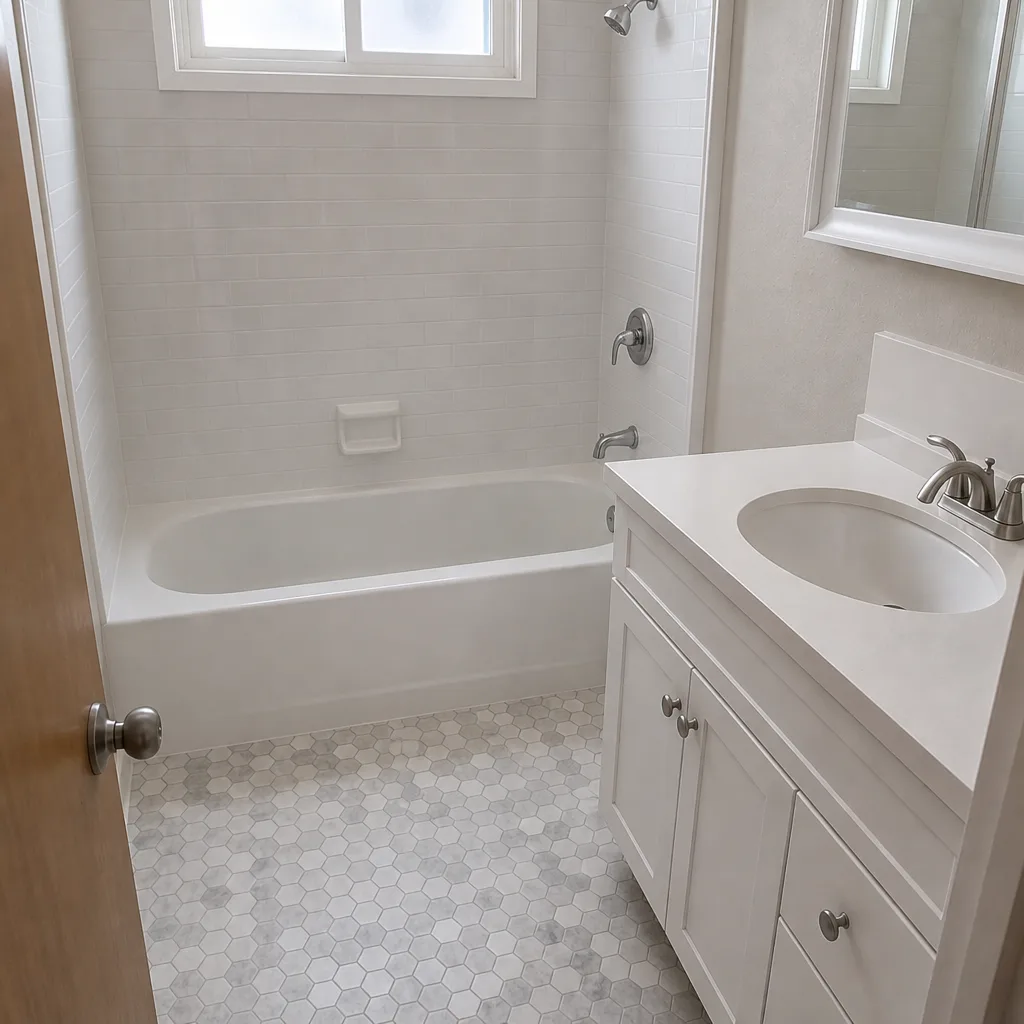
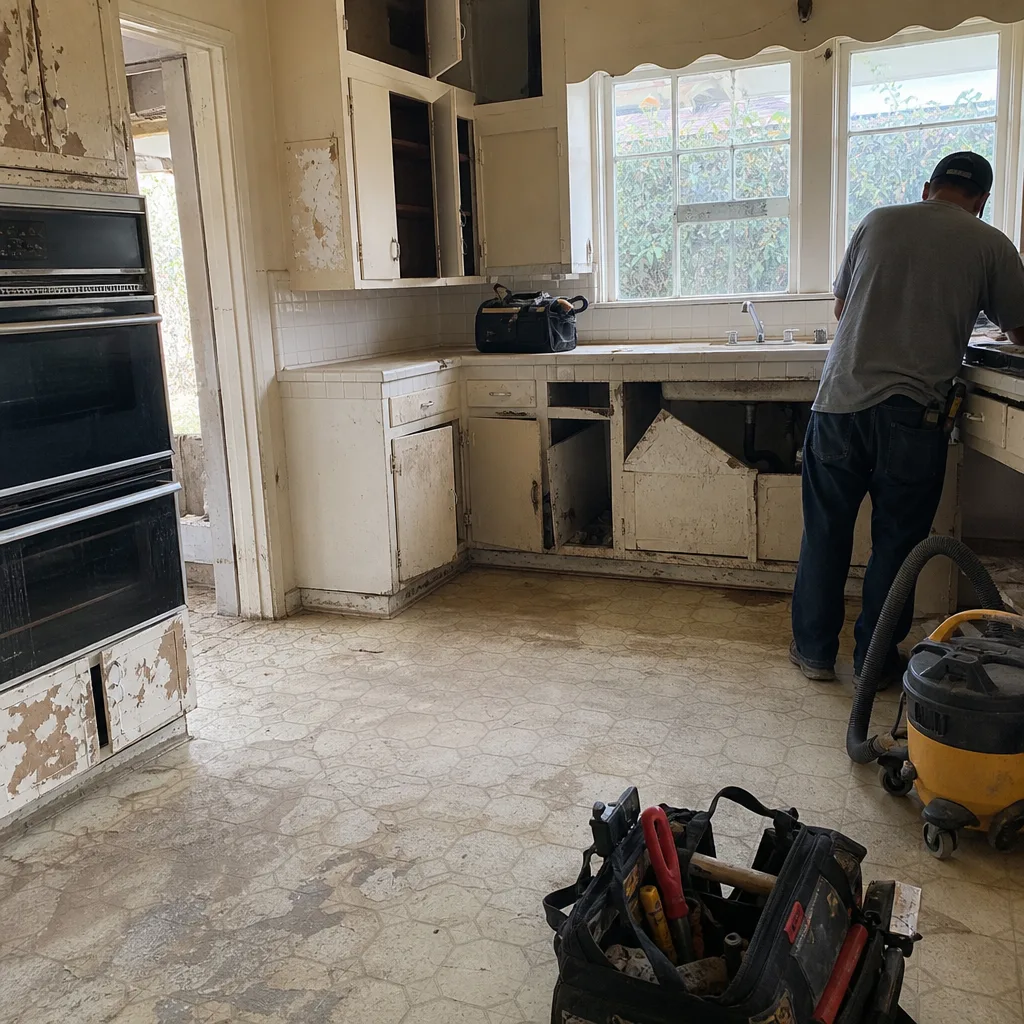
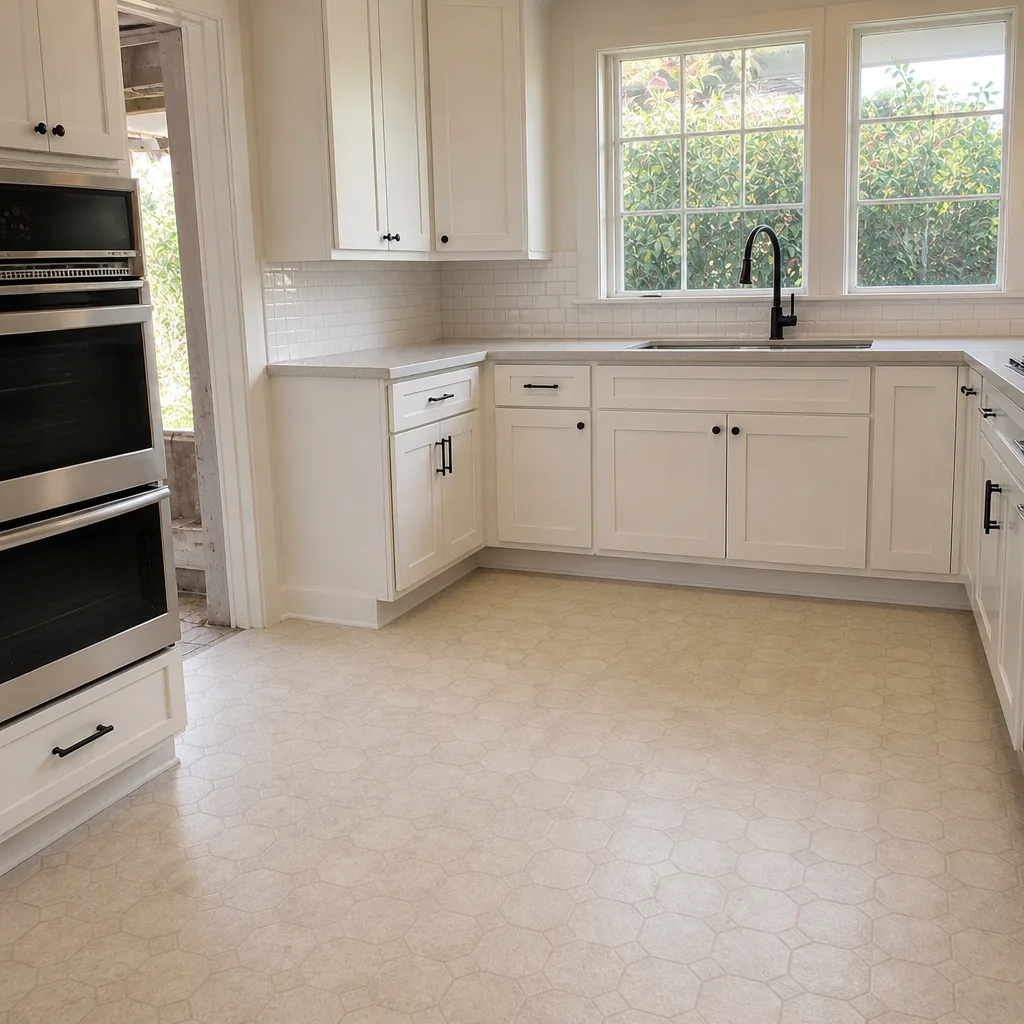
See the difference
 Before
 After
 Before
 After
 Before
 After
When to Call a Professional
Bring in a professional contractor for a second opinion when the problem is structural, when it involves a failed system (roofing, electrical, plumbing, or waterproofing), or when you’re looking at a take-over. We’d also tell you to call if you’re simply unsure whether the work is wrong – a trained eye can usually tell a defect from a design choice in fifteen minutes on site. Bradford Remodeling Co Pasadena offers free estimates in Pasadena – call (888) 841-5410. Every technician on our jobs is background-checked and uniformed, and a live person answers the phone 24 hours a day.
Frequently Asked Questions

Start by reading your signed contract and every change order, then photograph the condition and put your concern in writing to the contractor by email. Classifying the issue as a workmanship defect, a scope gap, or a contract breach determines everything that follows – your remedy, your leverage, and the correct next step. Call (888) 841-5410 if you’d like a second opinion on the work itself; estimates are free.
In most cases you should not stop a scheduled payment without following the contract’s written notice process – doing so can put you in breach of the same contract you’re trying to enforce. Pay the draw under written protest instead, with a specific defect list and a stated remedy. An attorney or the CSLB can confirm the exact process for your situation, and we’re happy to take a look at the work in Pasadena – call (888) 841-5410 for a free estimate.
Prove it with the contract, dated photos, and written notice sent to the address on the agreement. A licensing complaint or small-claims filing runs on documents, not recollections, so a photographed defect with a dated email trail is worth more than a dozen phone calls. If you want an independent read on the condition, call (888) 841-5410 to schedule a free estimate or walkthrough in Pasadena.
Yes. A mechanic’s lien attaches to the property, not to the person who failed to pay, so a sub or supplier who hasn’t been paid can file against your home even after you’ve paid the GC in full. The defense is a lien release schedule: a conditional release with each draw and unconditional releases at close. If you’re starting a project in Pasadena and want a written release schedule in the contract from day one, call (888) 841-5410 for a free estimate.
California law gives a contractor a right to cure, and the contract usually states the period – commonly around 10 days – before you can lawfully terminate and hire a replacement. Send written notice by certified mail, state the specific defect and the remedy you expect, and wait the period out. Your attorney can confirm the exact timeline for your contract; for a written second-opinion scope in Pasadena, call (888) 841-5410 for a free estimate.
It should include the line-by-line scope, the specified materials and brands (we work with a documented roster including KraftMaid and Wellborn cabinetry, Cambria and Caesarstone surfaces, Kohler and Moen fixtures, and GAF and James Hardie exterior products), the payment schedule tied to milestones, and the written workmanship guarantee term. Every Bradford project gets a written price before work starts – no numbers that move at the door – and a 365-Day Done Right Promise that has us return and correct the work at no charge if it fails inside the guarantee window. Call (888) 841-5410 to schedule your free estimate.
The Bottom Line
Most contractor disputes don’t come down to bad work – they come down to a contract that never defined finished. Diagnose your problem first: workmanship defect, scope gap, or breach. Then document it in writing, deliver it to the right address, and give the contractual cure period a chance to work. Pay draws under protest rather than stopping payment, keep a lien release schedule in the file, and insist on a written price with a written guarantee before the next job starts. That’s the discipline that keeps a Pasadena remodel squared away from the first walk to the signed guarantee.
Bradford Remodeling Co Pasadena is part of the Garrison Partners family and works to The Garrison Standard – a written price before any work starts, background-checked and uniformed technicians, and a live person answering the phone 24/7. Call (888) 841-5410 for a free estimate. Every completed project carries our 365-Day Done Right Promise, so if the work fails inside that window, we come back and make it right at no charge.
Written by the team at Bradford Remodeling Co Pasadena.