Last updated November 18, 2026







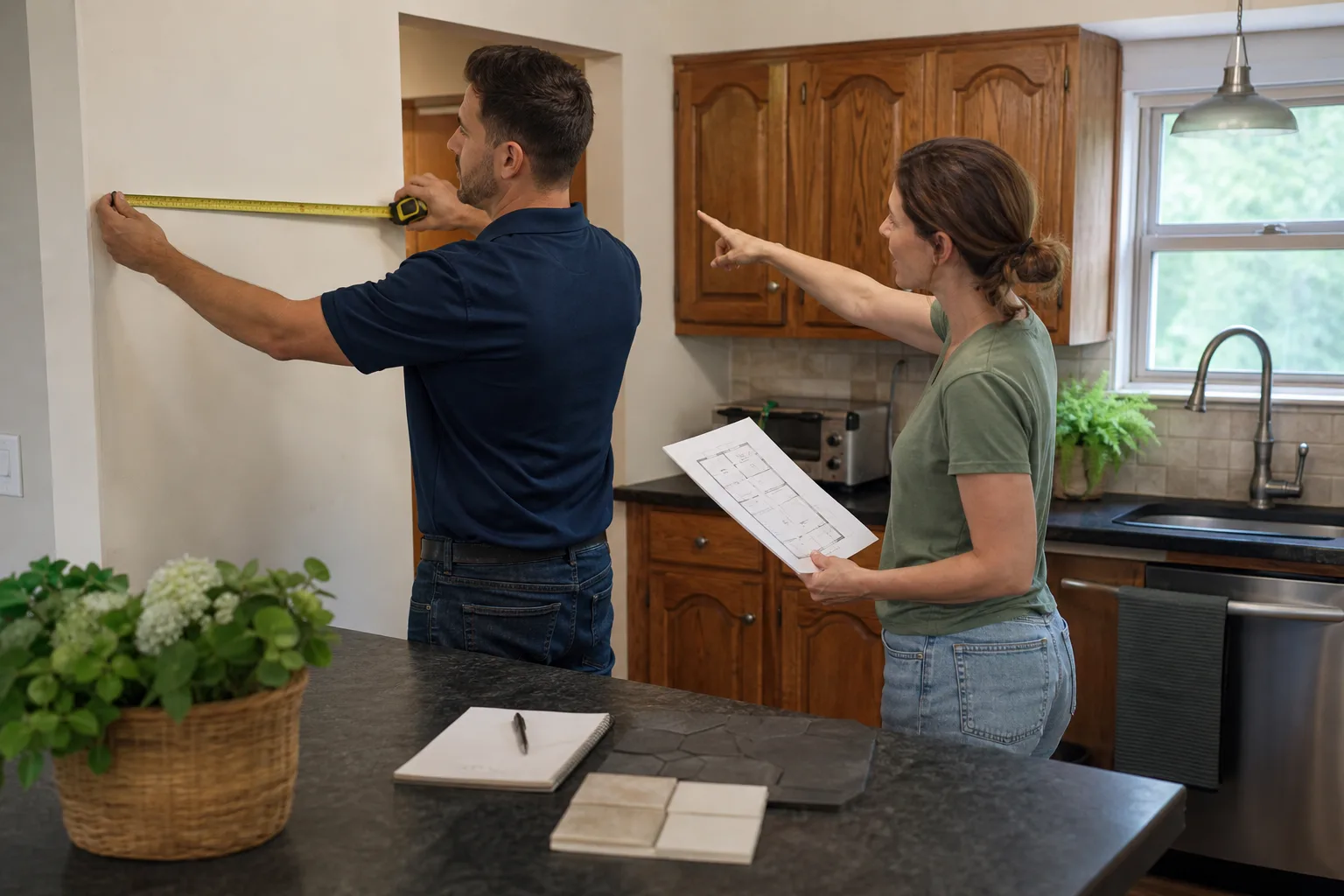
Free written scope consultation - allowances, timeline, and change-order rules on paper before a single trade is scheduled
Home Remodeling Maintenance Schedule: What to Do and When
Most remodel warranties have a clause that voids coverage if the homeowner skips a specific maintenance task – and almost no contractor tells you which tasks those are before they cash the check. We’ve read enough manufacturer paperwork and labor agreements to know the pattern: a shower that fails at month ten because the grout was never sealed reads as “owner neglect” on the claim form, not “defective install.” The homeowner assumed the warranty was a safety net. The fine print assumed a maintenance partner. This guide is the schedule that keeps both sides of that agreement intact, calibrated to Pasadena’s heat, dry wind seasons, and the materials we actually install.
Quick Answer
A home remodeling maintenance schedule is a calendar of recurring tasks – caulk inspection, grout sealing, flashing checks, sealant renewal – that protects both your materials and your labor warranty. Most contractor agreements require you to perform these tasks on the manufacturer’s stated timeline to keep the labor guarantee valid. In Pasadena, the two dates that matter most are late spring (before summer heat expansion) and late fall (before Santa Ana wind season dries out every exterior sealant joint).
Styles & brands we work with
- Kitchen remodeling
- Bathroom remodeling
- Home additions & ADU
- Roofing
- Windows & doors
- Driveway & pavers
- Fence
Table of Contents
- The Two Schedules You’re Actually On
- The Maintenance Tasks That Keep Your Warranty Valid
- A Month-by-Month Calendar for Pasadena
- Deferred Maintenance vs. Age: How to Tell the Difference
- How to Document Maintenance for a Warranty Claim
- Kitchen and Bath-Specific Checks
- Exterior: Roofing, Siding, Doors, and Windows
- When Maintenance Turns Into a Repair
The Two Schedules You’re Actually On
Here’s the part that catches most homeowners: after a remodel, you’re not on one maintenance schedule. You’re on two, and they run on separate clocks with separate consequences.
The manufacturer schedule covers materials. KraftMaid cabinetry, Cambria surfaces, GAF roofing, James Hardie siding, Therma-Tru doors – each of these ships with a written care guide, and each carries a material warranty that expires if you violate the care terms. Seal a granite surface with the wrong product and the material warranty can be denied regardless of who installed it.
The contractor schedule covers labor. This is the warranty on the installation itself – the workmanship. A labor guarantee typically requires that you perform the manufacturer’s stated maintenance, keep a record of it, and notify the contractor within a set window if something fails. Skip the maintenance and the contractor can argue the failure was yours, not the install’s.
The two timelines don’t align. Manufacturer schedules usually renew annually and sometimes quarterly. Labor guarantees run on their own fixed term. Miss one and you may still have your material warranty while silently losing your labor coverage – which is the more valuable of the two, because labor is what’s expensive to redo. When we at Bradford write out a scope for a kitchen remodeling in Pasadena, the written price names the material brand and the maintenance terms so the homeowner knows what resets the clock.
The Maintenance Tasks That Keep Your Warranty Valid
In our experience, three tasks account for the majority of disputed warranty claims after a remodel. Every one of them is a homeowner responsibility buried in the paperwork.
- Caulk inspection and renewal on all wet-area joints. Tub-to-tile seams, sink backsplashes, shower corners, and exterior window perimeters all rely on a flexible sealant. When caulk cracks, water migrates behind the tile or siding. The resulting damage typically gets classified as owner neglect, not install failure. Inspect every six months; replace any joint that has separated from either surface.
- Grout sealing in showers and on backsplashes. Cementitious grout is porous. Unsealed shower grout absorbs water, and the failure shows up as efflorescence (white mineral bloom) or a soft, crumbly joint. Most tile manufacturers specify resealing every 12 months in wet areas. That interval goes in the material warranty. If the grout fails and there’s no seal record, the labor claim gets denied.
- Flashing and drainage checks at roof penetrations and window heads. Any penetration – chimney, skylight, vent boot, roof-to-wall transition – is where water enters. Flashing that lifts or corrodes lets water behind the siding. The material warranty on your James Hardie siding or your bathroom remodeling in Pasadena exhaust vent will likely require an annual inspection of the surrounds. Do the check, write down the date.
Each of these is quick – a Saturday morning twice a year. What they cost in time is nothing compared to what they cost in a denied claim. A full set of exterior caulk joints on a typical Pasadena home runs $150 to $400 in materials if you do it yourself, or $400 to $900 for a pro to handle a whole-house reseal. Grout resealing in a standard shower runs $80 to $200 in materials, or $300 to $600 for a specialist.
A Month-by-Month Calendar for Pasadena
Pasadena’s climate sets the timing. Summers push 95°F and up, expanding wood, vinyl, and sealant joints to their widest. Autumn brings Santa Ana winds – hot, dry gusts off the mountains that pull moisture out of every exterior caulk line in a matter of days. Winter rains then find whatever the winds opened. A schedule built for the Midwest or the Pacific Northwest will miss both of these cycles entirely.
- February (late winter, before the heat): Interior caulk inspection – around tubs, sinks, backsplashes. Check the underside of cabinets for swelling. Look at closet and exterior walls for moisture from winter rain.
- March-April (spring): Roof inspection – walk the perimeter with binoculars and check the flashing at every penetration. Clear the gutters. Reseal exterior caulk around windows and doors before expansion season. This is a good window for touching up James Hardie siding joints.
- May (pre-summer): Test the A/C and ventilation. In a bathroom exhaust that’s tied to a recent remodel, verify the fan actually pulls air. Check that door and window seals are tight before you start running the A/C hard.
- June-August (summer heat): Watch for crack lines in grout and caulk. Heat expansion opens hairline gaps that weren’t there in spring. Note them now, plan to reseal in fall. Check cabinet doors for swelling or warp at the hinges.
- September-October (Santa Ana season): The critical reseal window. Every exterior caulk joint on the whole house – window perimeters, door frames, siding terminations, penetration flashings – gets inspected and renewed before dry wind dries out the joints further. This is where we’ve seen the most Pasadena warranty disputes originate.
- November-December (before rain): Roof and gutter check again. Confirm drainage flows away from the foundation. Verify that the caulk you installed in September has fully cured and there are no gaps. Inspect the interior for any water intrusion.
Those with a Natomas or Altadena frame might run this schedule a week or two earlier – the heat arrives sooner there. Homes in the cooler foothill neighborhoods can push back a week. But the two anchors, spring and fall, hold for every Pasadena home.
Deferred Maintenance vs. Age: How to Tell the Difference
Here’s the question that decides warranty claims: is the failure because the material aged out, or because the homeowner didn’t perform scheduled maintenance? The contractor’s paperwork usually has one column for one and one for the other.
The line between them is documented behavior. An age failure shows up in a material performing within its expected lifespan – a 15-year-old roof outliving its warranty and starting to leak, a caulk joint that failed after four years at its design interval. The timeline matches the manufacturer’s spec and the maintenance was done. An install failure shows up early, in a component that should have lasted – a shower pan that leaks at month eight because the waterproofing membrane was pierced during tiling, or cabinet doors that sag because the hinges weren’t torqued. The warranty covers that.
A neglect failure sits in the middle and is the one homeowners lose. It looks like an age issue but the maintenance record is empty. Water damage behind unsealed shower grout at year three, siding rot under a flashing that was never checked, doors that no longer close because the frame swelled and no one noticed. The failure is real, the install may even have been correct, and the claim still gets denied because the required maintenance wasn’t performed.
The tell is simple. If it’s a failure of something you were supposed to maintain and you have no record of maintaining it, expect a fight. If it’s a component that was never on your maintenance list and failed early, that’s on the contractor. Keep the two distinct in your head and in your record.
How to Document Maintenance for a Warranty Claim
If a warranty claim is ever disputed, your file is your defense. The contractor will pull their scope and the manufacturer will pull their care guide. You need to be able to show that you did the maintenance on time. Here’s how we recommend our Pasadena homeowners keep the record.
- Start a project maintenance log the day the project closes. A simple notebook, an email folder, or a shared cloud doc works. The point is one place, not three. Enter the close-out date, the written guarantee term, and the start of your maintenance clock.
- Log each maintenance task with a date and a photo. Caulk reseal – date, before-and-after photos. Grout reseal – date, product used. Roof check – date, any findings. A dated photo is worth ten times a verbal recollection.
- Keep receipts for any products purchased. The sealant you used, the grout sealer, the roof patch. Matching a receipt to a log entry proves the work actually happened.
- Note any contractor or pro you bring in for the task. If you hired someone, log the name and the date. If you did it yourself, log “self-performed” and the photo.
- Keep the original scope and the written guarantee in your file. The written price and the guarantee term should both be there. Bradford puts the guarantee in writing, so the claim has a literal document to point at.
- Report failures early, in writing. Most guarantees require notice within a set window. An email to the contractor the day you spot the problem, with a photo, starts the clock properly.
Homeowners who keep this file get claims resolved in a phone call. Homeowners who don’t get into a he-said-she-said, and often give up. The file takes maybe five minutes per task.
Kitchen and Bath-Specific Checks
Kitchens and baths are where the majority of remodel warranty disputes originate, because that’s where water and heat meet materials.
Kitchen: Cabinet hinges and drawer slides need a torque check twice a year – loose hinges drop doors and misalign drawer fronts, and a sagging cabinet is often misread as an install failure. The caulk joint where the backsplash meets the countertop needs inspection every six months; KraftMaid and Wellborn cabinetry carry care terms that specify the cleaning products that won’t void the finish. Under-sink plumbing – supply lines, the P-trap, the disposal mount – gets a visual every few months. Cambria surfaces don’t require sealing but do require certain cleaners; check the manufacturer’s care guide. For the full scope of what we install and what those terms are, see our kitchen remodeling service.
Bath: Grout and caulk in the shower as covered above. Beyond that: check the shower drain for slow flow (a sign of hair or soap buildup, not a plumbing failure), inspect the exhaust fan blade for dust and clean it (a clogged fan can’t pull moisture, and the resulting mold isn’t covered), and inspect the toilet base caulk for separation. Kohler and Moen fixtures carry their own care terms – typically a mild soap and water routine with no abrasive cleaners. If you keep the terms and the record, the labor guarantee and the material warranty both stay live.
Exterior: Roofing, Siding, Doors, and Windows
The exterior is where the two schedules separate most cleanly. Roof and siding materials have long-warranty terms but short inspection requirements. Windows and doors have their own.
- GAF and CertainTeed roofing: Most asphalt shingle terms require periodic inspection of the roof surface and flashing. A visual from the ground or a safe-perimeter inspection covers you. Don’t climb on a steep roof – that’s a job for a trained pro. Log the date and what you saw.
- James Hardie siding: Requires periodic inspection of the caulk joints, the terminations, and the paint or finish. Joint caulk that’s failed lets water behind the board, and the term void depends on the inspection. A whole-house siding joint check runs $150 to $400 in materials if you’re careful, or $500 to $1,200 for a pro to inspect and reseal.
- Therma-Tru doors: The perimeter seal, the sweep, and the weatherstripping all need a yearly check. Sweeps wear out and let water under the door. The finish on a steel or fiberglass door needs touch-up. A door seal kit runs $40 to $150.
- Windows: Window perimeters and the interior seal at the frame get checked twice a year, particularly before the fall reseal. Window glazing and seals – which vary widely by system, whether you have CWS, ES Windows, or ECO Window Systems – carry their own terms; check the manufacturer’s spec for your specific system. The perimeter caulk around the frame, which is what protects the wall, is on your maintenance list, not the window manufacturer’s.
Those exterior window and door perimeter caulk joints take the most punishment from the Santa Ana winds. They’re also the cheapest part of the list to maintain – a good exterior sealant is $8 to $15 per tube, and a whole-house reseal is maybe 15 to 25 tubes.
See the difference
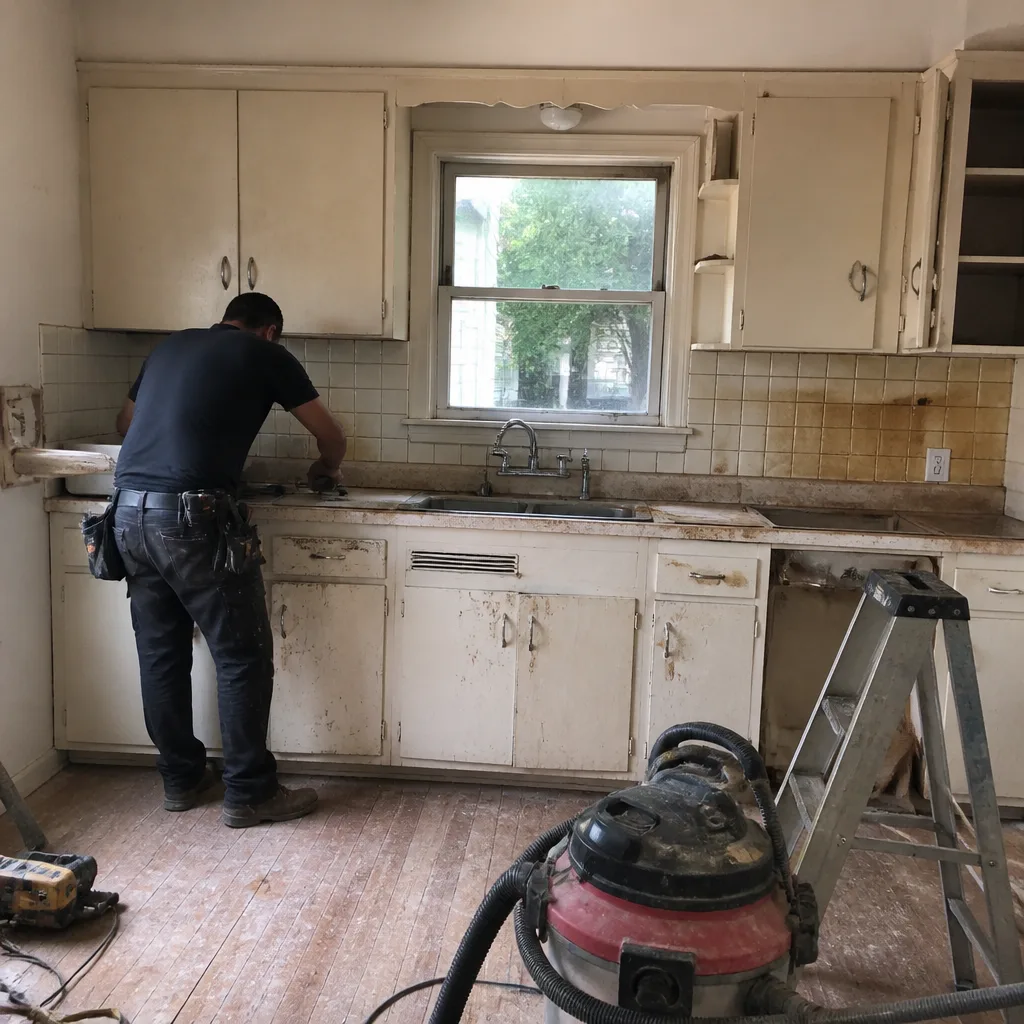 Before
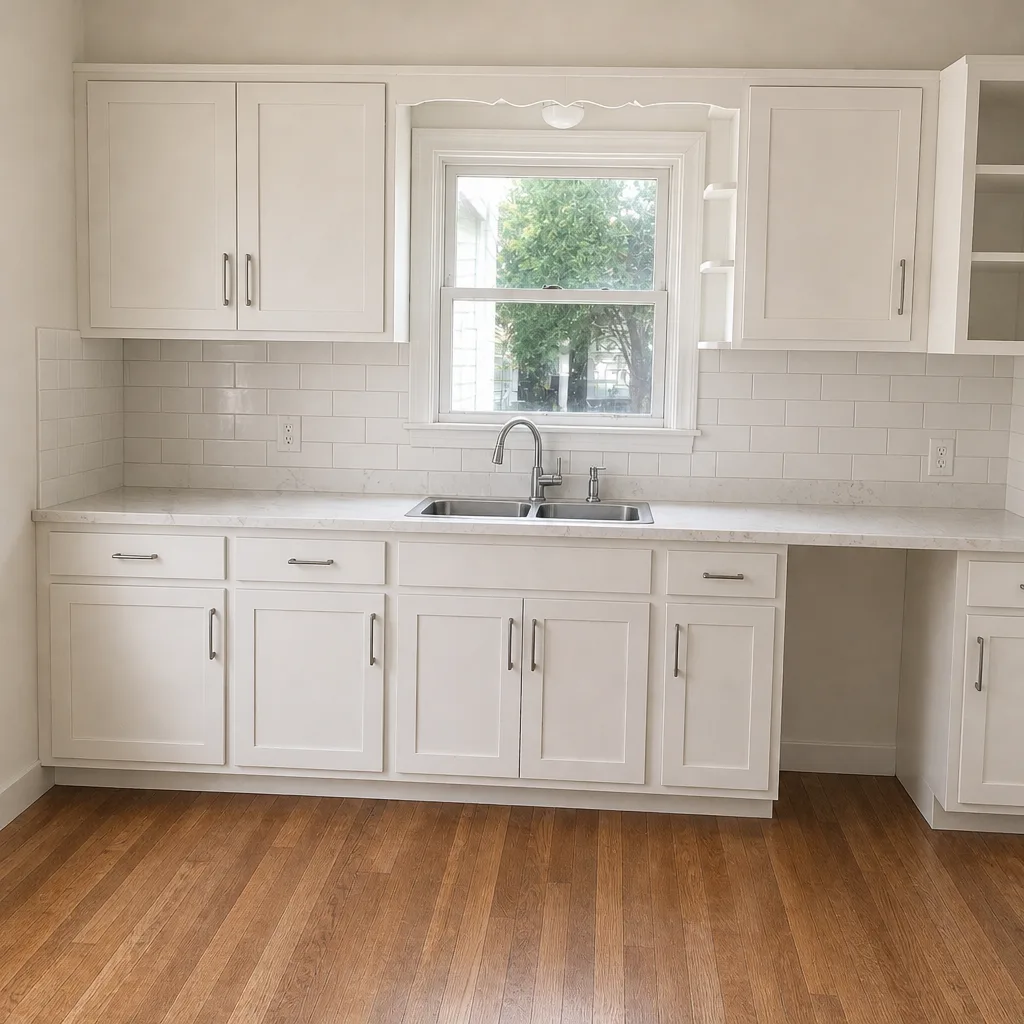 After
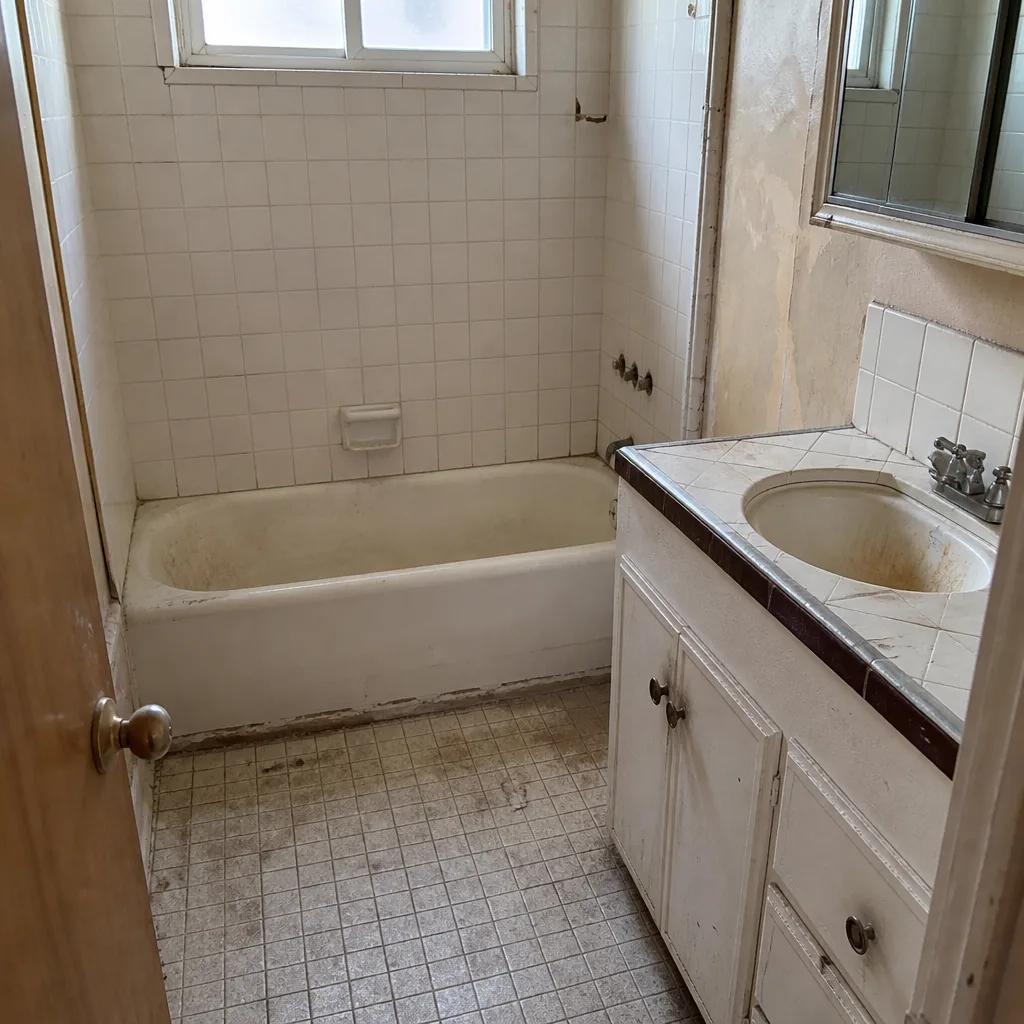 Before
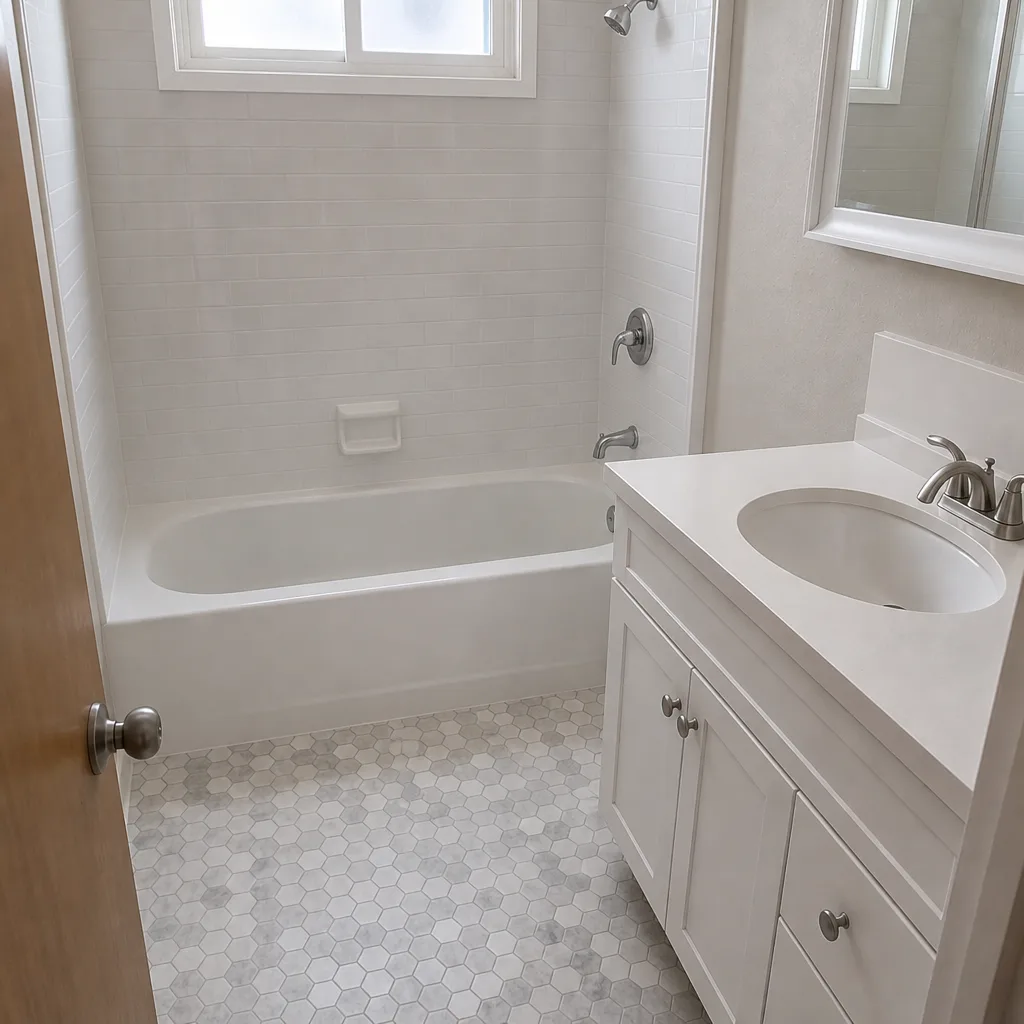 After
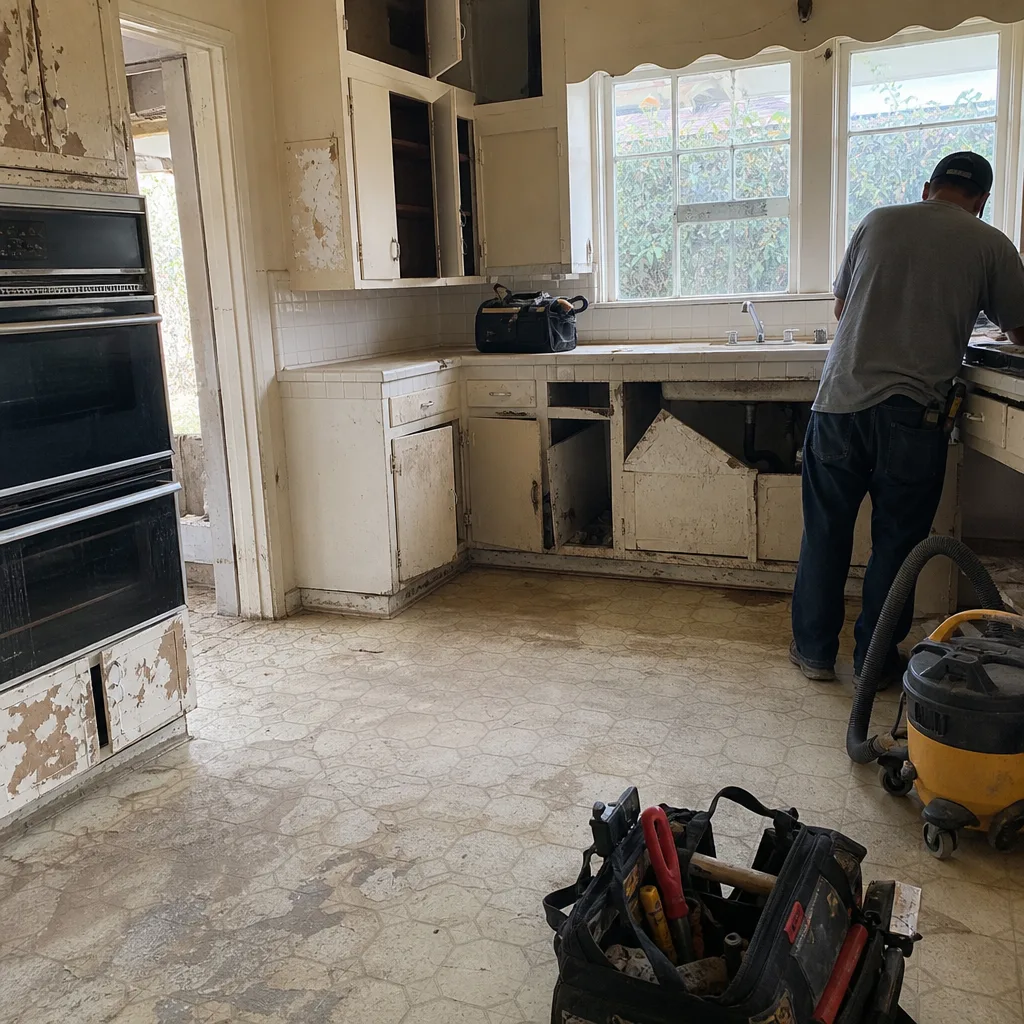 Before
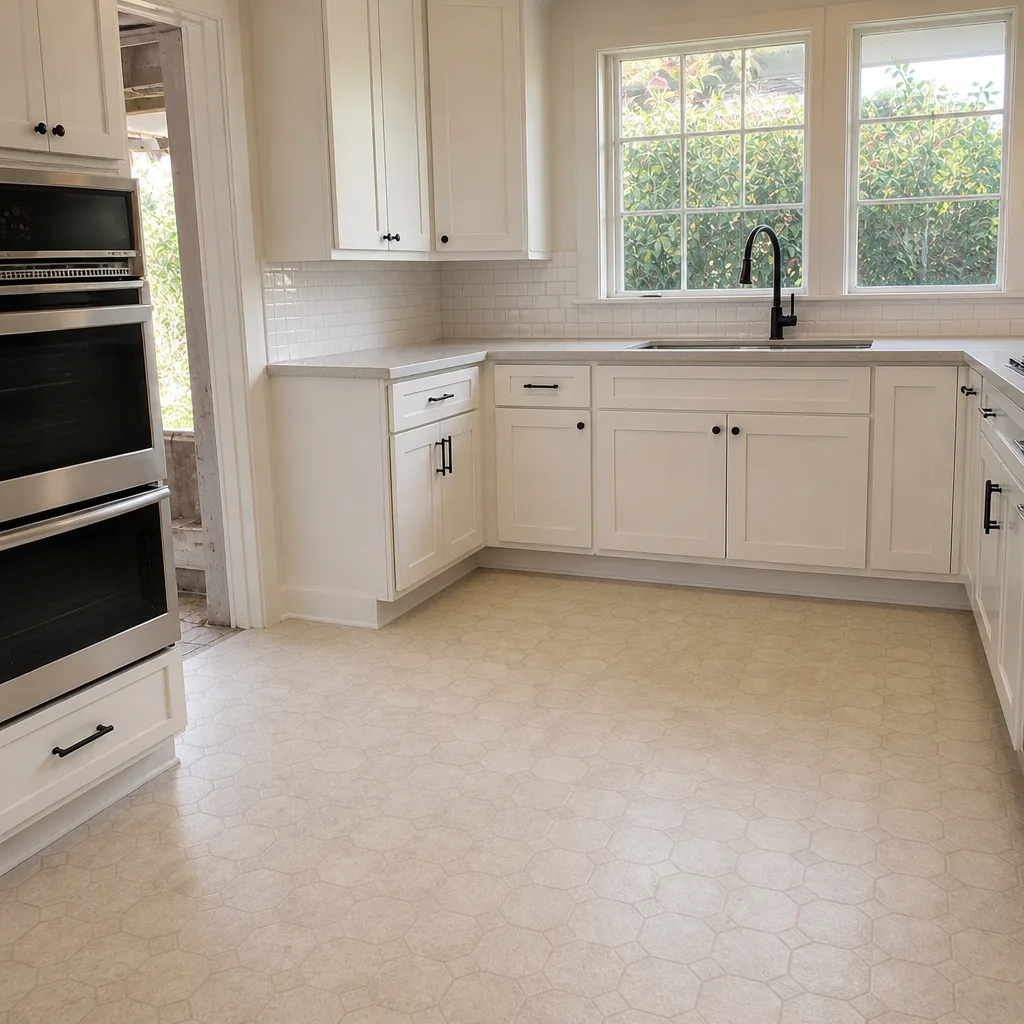 After
Common Mistakes to Avoid

- Treating the written guarantee as passive. A 365-Day Done Right Promise means Bradford returns and corrects work that doesn’t hold, but the same homeowner has to perform maintenance for the guarantee to stay live. Read the terms at close.
- Skipping the fall caulk reseal. In Pasadena, the September-October window is the one most homeowners miss because the weather still looks fine. Santa Ana winds turn a small crack into a leak in weeks.
- Using the wrong sealant or cleaner. Silicone on a joint that calls for a polyurethane or the reverse is a call-back. Abrasive cleaner on a sealed surface voids the material warranty. Read the manufacturer’s care terms for each brand before you buy a product.
- Not documenting the maintenance. The most common warranty dispute we see is a homeowner who did the work but can’t prove it. A dated photo and a receipt beat a good memory every time.
- Confusing the two schedules. Performing the manufacturer’s maintenance but skipping the contractor’s notice requirement leaves the labor guarantee dead. Keep both clocks.
- Climbing the roof for a steep-slope inspection. This is a real injury hazard. Sight from the ground, or call a pro to handle the slope safely. No maintenance task on this list is worth a fall.
- Assuming failure means the contractor will fix it. Without a maintenance record, a neglect failure looks identical to an age failure on the claim form. The record is what separates them.
When Maintenance Turns Into a Repair
Some issues belong on the calendar. Some belong in the hands of a trained pro. Water behind tile, a shower that never fully dries, a roof leak, siding rot, a door that’s out of square – these turn into larger repairs fast if they’re not handled. Electrical, gas, and steep-roof work are never a homeowner task. Call a pro and get a written scope before any work starts.
If a failure shows up inside your guarantee window, document it and report it in writing. Bradford Remodeling Co Pasadena offers free estimates in Pasadena – the written price comes before any work begins, and the 365-Day Done Right Promise covers what we install for a full year. Call (888) 841-5410 to schedule a free estimate. The General Contractor page for our general contracting services explains how we sequence a project from scope to close-out, and the Bradford Remodeling Co Pasadena home page lays out The Garrison Standard that governs every job.
Frequently Asked Questions
Every six months for wet-area joints (tub, shower, sink), and twice a year for exterior joints, timed to late spring and late fall. In Pasadena, the fall reseal before Santa Ana wind season is non-negotiable. If a joint has separated from either surface, reseal it immediately – don’t wait for the next interval. Call (888) 841-5410 if you’re unsure whether a joint needs resealing or replacement.
Yes, in most contracts, for the labor portion. Standard contractor agreements make the labor guarantee conditional on performing the manufacturer’s stated maintenance. Skip the maintenance and the labor claim can be denied even if the install was correct. The material warranty may survive separately. Read the terms at close and keep a maintenance log.
The manufacturer schedule covers materials and runs on the care guide terms for each brand – annual grout sealing, specific cleaners, specific inspection intervals. The contractor schedule covers labor install and typically requires that you perform the manufacturer’s maintenance and report failures within a set window. Both clocks have to run to keep the whole warranty live. Bradford spells out the maintenance terms in writing so the homeowner isn’t guessing.
Dated photos, product receipts, and a maintenance log in one document. Enter each task with a date and a before-and-after photo. Keep receipts for any sealants or products you bought. If a claim is disputed, that file is what separates a neglect failure from an install failure. Without it, the claim usually loses.
Yes – the timing, not the list. Pasadena’s summer heat expands joints more than coastal neighborhoods, and the Santa Ana wind season dries exterior sealants fast. The tasks are the same, but the fall reseal window is tighter and more critical. Homes in the foothill neighborhoods run a week or two later on the schedule; homes in hotter inland areas run earlier.
Materials run $150 to $400 if you handle it yourself; a professional whole-house exterior reseal runs roughly $400 to $900, depending on how many joints and how many stories. That’s the cheapest insurance on the entire maintenance list – a few hundred dollars now against a water-damage repair that starts at four figures. Call (888) 841-5410 for an exact quote on any post-remodel repair – estimates are free.
The Bottom Line

A home remodeling maintenance schedule isn’t about keeping a remodel pretty. It’s the paperwork that keeps your warranty alive. The two schedules – manufacturer and contractor – run on separate clocks, and the maintenance tasks (caulk inspection, grout sealing, flashing checks, exterior reseal before Santa Ana season) are what reset both. Do them on time, log each one with a date and a photo, and you have a claim file that holds up if something fails. Skip them and the most valuable part of your warranty, the labor guarantee, quietly expires. Bradford writes the price and the guarantee in writing, and the 365-Day Done Right Promise carries the work itself. The maintenance is your side of the document.
If it’s time for a free estimate, or you’re not sure whether a failure is maintenance or install, call Bradford Remodeling Co Pasadena at (888) 841-5410. A live person answers 24/7, and the written price comes before any work starts.
Written by the team at Bradford Remodeling Co Pasadena.