Last updated November 18, 2026


Free written scope consultation - allowances, timeline, and change-order rules on paper before a single trade is scheduled
General Contractor Warning Signs Every Homeowner Should Know
A contractor who pressures you to sign before the permit is even applied for has already told you how they handle every other deadline on your job. That’s the part most homeowners miss. They’re watching for the missing license or the expired insurance certificate, the obvious stuff you can spot from a phone. But the signals that actually predict a bad outcome show up in the paperwork and the first two site visits, weeks before a demo hammer touches a wall. By the time the problems surface mid-project, your deposit’s spent and your kitchen’s in boxes. This guide is about the pre-construction signals: the contract language, the draw schedule, the way a contractor answers a hard question. We work in Pasadena and we’ve watched homeowners learn to read these too late. Here’s how to read them early enough to walk.
Quick Answer
The biggest red flags when hiring a general contractor are a vague scope of work, a deposit demand above California’s legal cap, missing or expired insurance, no mention of the permit process, and pressure to sign before details are settled. These are contract and behavior signals, not personality quirks. If any one of them shows up before work starts, slow down. If two or three show up together, walk.
Styles & brands we work with
- Kitchen remodeling
- Bathroom remodeling
- Home additions & ADU
- Roofing
- Windows & doors
- Driveway & pavers
- Fence
Table of Contents
- Why a Vague Scope of Work Is Riskier Than a Low Bid
- How to Verify a California Contractor License the Right Way
- The Draw Schedule Test: What a Legal Deposit Looks Like
- The Allowance-Line Trap in Kitchen and Bath Contracts
- Behavioral Signals on the First Site Visit
- The Paperwork That Should Land Before Any Tool Comes Out
- Pasadena-Specific Signals: Permits, Older Housing Stock, and Clay Soil
Why a Vague Scope of Work Is Riskier Than a Low Bid
A low bid you can compare against other bids. A vague bid you can’t. That’s why fuzzy scope language is the more dangerous problem, and why experienced homeowners treat it as a warning sign all by itself. When a contract says “install new cabinetry” without listing brands, door styles, box sizes, or hardware, the contractor has written in room to substitute whatever’s cheapest. That’s not a mistake. It’s a design.
Here’s the contract language that should make you pause:
- “Premium materials” or “high-quality finishes” with no brand or model named. Premium to whom? Ask for the exact product. A real spec sheet says KraftMaid or Wellborn, names the door style, and lists the drawer hardware. If they can’t produce it, they’re preserving an option to downgrade.
- “Subfloor repair as needed.” “As needed” has no ceiling. On an older Pasadena bungalow, that phrase can mean $400 or $4,000, and you won’t know which until they’ve opened the floor. Ask for a stated per-square-foot rate and a known worst-case number.
- “Final cost subject to field conditions.” Every remodel has field conditions. A disciplined contractor prices the likely ones up front and puts a written range for the surprises in the contract before you sign.
- No written change-order process. If the contract doesn’t say how a change gets priced and signed, the answer is “whatever they say at the door.”
What a proper scope looks like: line items, quantities, brand names, model numbers, and a stated unit price for anything variable. At Bradford Remodeling Co Pasadena, the whole idea behind our written-price commitment is that the number doesn’t move once work begins. That only works if the scope is specific enough to defend. If you take one thing from this guide, take this: a detailed scope with a slightly higher price beats a vague scope at a bargain rate every time, because the bargain scope can drift thousands of dollars past the “expensive” bid while you’re waiting for tile to arrive. Our General Contractor in Pasadena page lays out what a defensible scope actually contains.
How to Verify a California Contractor License the Right Way
Most homeowners stop at the CSLB lookup: type in the license number, confirm it’s active, done. That’s a start, not a finish. The lookup tells you the license is valid. It doesn’t tell you whether the contractor has a history you’d want to know about, whether the bond is current, or whether the workers’ comp certificate actually covers the crew that’s about to be in your house.
Here’s the check, in order:
- Confirm the license is active and in the right classification. A general building contractor should hold a B classification. A specialty contractor with an A or C license may not legally contract for your whole remodel. The CSLB site shows classification clearly; mismatches are a sign someone is working outside their lane.
- Check for disciplinary actions and complaints. The CSLB publishes license history including suspensions, citations, and formal complaints. A pattern of arbitration awards or citations for abandoning a job is a serious warning, even if the license is technically active again.
- Verify the bond amount is current. California requires contractors to hold a surety bond, and the bond has to be active, not lapsed. Ask for the certificate and confirm the issuer and the amount directly with the bonding company, not just the contractor’s word.
- Ask for the workers’ comp certificate, and read it. If the policy lists only the contractor and not a crew, the people on your job may be uninsured subcontractors. That matters if someone gets hurt on your property.
In our experience in Pasadena, a contractor who can produce all four of these without fuss has usually run this check on themselves several times. A contractor who deflects on the bond or the workers’ comp certificate is telling you something. Listen to it.
The Draw Schedule Test: What a Legal Deposit Looks Like
California limits how much a contractor can collect upfront. For most residential jobs under $5 million in total contract value, a contractor cannot take a deposit larger than $1,000 or 10% of the contract price, whichever is smaller. A contractor asking for 30% down on a $60,000 kitchen is asking you to fund a job that’s out of compliance with the state rule before the first permit is pulled. That’s not a technicality. It’s a statement about how they run the money side of the business.
Here’s what a normal draw schedule looks like on a mid-size remodel:
- Deposit: capped at the legal limit, paid at contract signing, disclosed in writing.
- Rough-in draw: paid when framing, plumbing, electrical, or mechanical rough-in is complete and inspected.
- Mid-project draw: paid when drywall or another defined milestone is signed off.
- Final draw: paid after your own walkthrough, after the punch list is signed, and after the final building inspection passes. Not before.
If the contractor wants any draw released before the milestone is verified by an inspection or your walkthrough, that’s a red flag. When we say “written price before work starts,” it includes the draw schedule. The Garrison Standard spelled out in writing is what keeps the money and the progress in the same order. On a Pasadena job where the permit requires a first inspection before framing is closed up, the draw and the inspection should be tied together. If they aren’t, ask why.
The Allowance-Line Trap in Kitchen and Bath Contracts
Allowance lines are the single most effective way a contractor hides a price increase in an “affordable” bid. An allowance is a placeholder budget for a material you haven’t picked yet, typically tile, cabinetry, fixtures, or countertops. On paper it looks clean. In practice, the allowance is almost always set below what the actual product costs, so the remodel moves into “overage” territory the moment you walk into the showroom.
The trap works like this. The bid lists a $3,000 tile allowance. You choose a tile that costs $6,500 installed. The contractor isn’t wrong on the math; you picked the expensive tile. But the bid you compared against other quotes was never going to land at its stated number. Our Kitchen Remodeling in Pasadena page is direct about how our proposals handle this: real product pricing, not placeholders.
How to read an allowance line:
- Ask what the allowance is pegged to. A legitimate allowance names a specific product at a specific price. “$2,400 for Merola tile in the 12×24 size range” is defensible. “$2,400 for tile” is a number that will move.
- Ask for the overage price up front. A disciplined contractor can tell you what tile costing $8/sq ft vs. $14/sq ft means to your total before you sign.
- Watch for allowance-stacking. If three or four trades all carry vague allowances, the real budget is the bid plus the allowances plus a margin. Ask for a single reconciled total.
- Ask who absorbs the overage if the allowance was set low by the contractor’s choice, not yours. If the answer is “you do, always,” the allowance is doing the work it was written to do.
Behavioral Signals on the First Site Visit
People telegraph how they run jobs during the first 30 minutes on site. These are the signals we tell Pasadena homeowners to watch for.
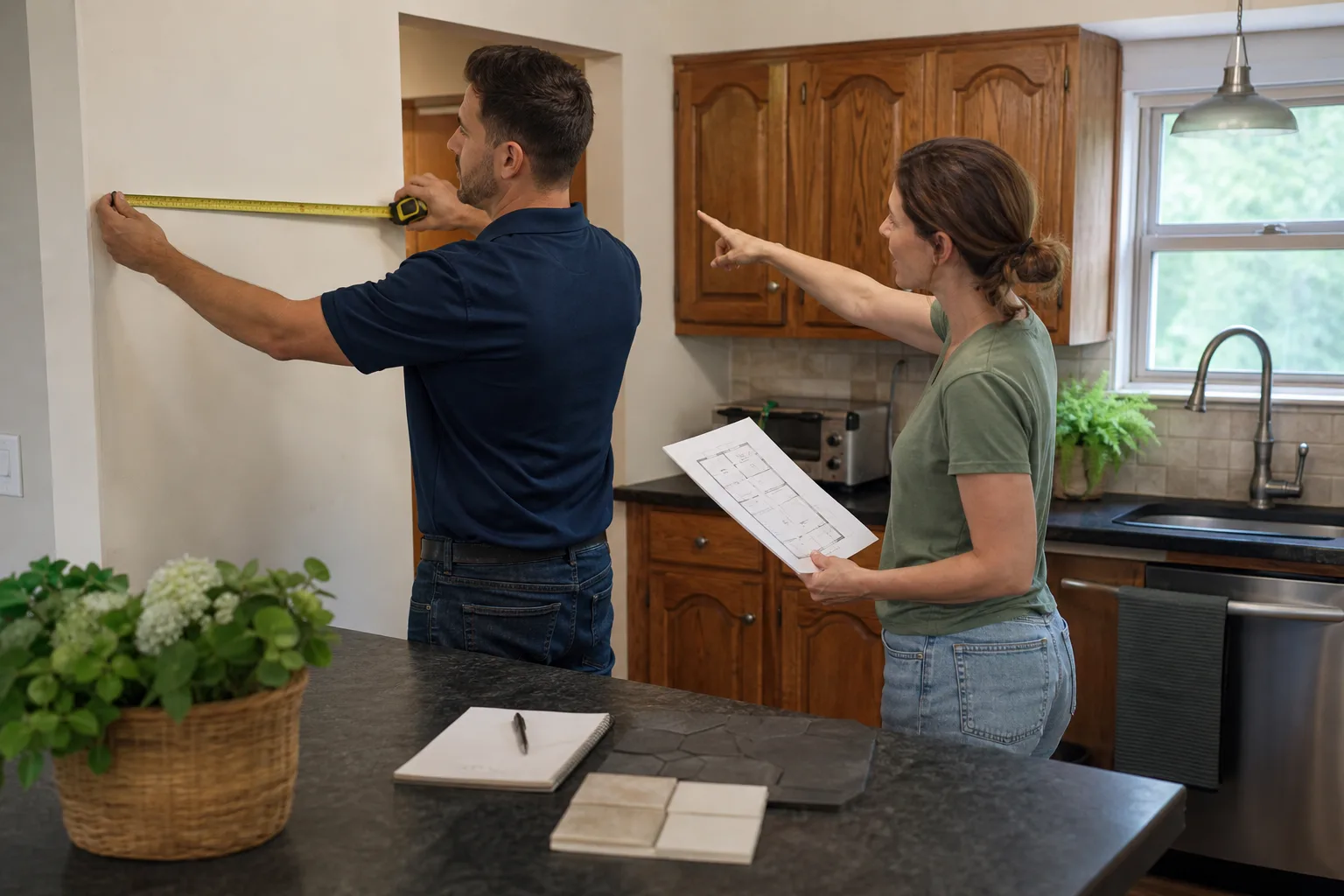
- They don’t ask about permits. On any structural, electrical, plumbing, or kitchen remodel that touches walls or systems, permits are required. If the contractor doesn’t bring up the permit process on the first visit, either they don’t pull permits or they’re planning to talk you out of them later. Both are bad. Pasadena has its own permit portal and plan-check process, and a legitimate contractor knows the timeline before they give you a start date.
- They’re vague about subcontractors. Ask directly: “Who’s doing the electrical? Are they on your payroll or a sub? Do you use the same electrician every job, or a different one each time?” Vague answers about their sub relationships usually mean they’re bidding the job out to whoever’s available. That’s how you end up with a different crew each week and no single person accountable.
- They pressure your timeline. “I can hold this price for 48 hours” or “my schedule’s got a slot closing next week.” The job is not urgent. The sales pressure is. A contractor who needs a decision by tomorrow is telling you they handle your project with the same urgency.
- They criticize your last contractor. It’s fine to hear that someone else’s work was sloppy. It’s a different thing when the entire first visit is a pitch about how bad the last guy was. Compare the specific claims to the actual condition of your home. A real pro points out what’s there and shows you a plan.
- They can’t answer a technical question without hedging. Ask about the substrate under your bathroom tile or the soffit detail on the exterior. If the answer is “we’ll figure that out on demo day,” you’re talking to a sales rep, not the person who’ll run your job.
The Paperwork That Should Land Before Any Tool Comes Out
A disciplined contractor can produce these on request, before work starts. If any one of them is missing, that’s your answer.
- A written, line-item scope of work with brand names, model numbers, and quantities for every finish good.
- A written price that includes labor, materials, permits, disposal, and the contractor’s overhead and profit, stated as one number. No “plus materials” surprises.
- A draw schedule tied to verified milestones, with the deposit at or below California’s legal limit.
- A written change-order process that says how a change gets priced and who signs.
- Copies of the license, the bond certificate, and the workers’ comp certificate.
- A written guarantee describing what’s covered and for how long, in plain language.
On the guarantee: “we stand behind our work” is not a guarantee. A guarantee names a term. Ours is the 365-Day Done Right Promise, and the term is a full year from final walkthrough. If the work fails inside that window, we come back and correct it at no charge. A contractor who can’t tell you the term of their own warranty in one sentence doesn’t have one.
Pasadena-Specific Signals: Permits, Older Housing Stock, and Clay Soil
Pasadena has housing stock that dates back over a century in neighborhoods like Bungalow Heaven, and the permitting and inspection requirements are more specific here than in many surrounding cities. That makes the “we’ll figure it out” contractor even riskier than they’d be in a newer suburb.
A few Pasadena-specific signals:
- They recommend work without checking for lead paint. On a house built before 1978, an honest contractor brings up lead-safe practices during the first site visit. It’s not a sales add-on; it’s basic. Pasadena has a lot of pre-1978 homes, and a contractor who glosses over it hasn’t done many of them.
- They ignore foundation or soil conditions. Pasadena sits on expansive clay in many neighborhoods, and foundation movement shows up in door misalignment, cracked plaster, and sloping floors. A contractor who proposes a slab-prep or bathroom rebuild without addressing the substrate underneath it has written a scope designed to fail. Our Bathroom Remodeling in Pasadena page covers how we handle that, and why it matters on this city’s soil.
- They don’t mention the permit timeline. Plan-check in Pasadena can take weeks, and a contractor who’s run projects here knows roughly how long. If they promise a start date before the permit is even filed, they’re either guessing or planning to start without one.
- They can’t name a local inspector or building department contact. This isn’t a relationship substitute for compliance, but a contractor who has run projects in Pasadena recently knows how the inspections flow. One who treats Pasadena like any other city is telling you they don’t have local depth.
We install Belgard and Unilock hardscape products on Pasadena patios and walkways, and those materials have manufacturer specs that have to be followed to keep their warranties valid. That’s one reason our proposals are specific: quality only holds up when the specification holds up, and we can trace every product to a brand. You can see how we apply that at our Bradford Remodeling Co Pasadena home page.
Common Mistakes to Avoid
- Comparing bids on total price instead of scope. A $55,000 bid with $9,000 of allowances is not the same as a $58,000 bid with real material pricing. The lower number moves; the higher one doesn’t.
- Accepting a verbal promise on permits. “We’ll handle it” is not the same as “we’ve filed the permit and here’s the number.” In Pasadena, unpermitted work can complicate your resale and your insurance, and you’ll be the one fielding the questions.
- Paying a deposit before the contract is signed. A deposit is a contract term, not a handshake. No signed contract, no deposit.
- Letting the contractor choose the finish materials without a written spec. KraftMaid or Wellborn isn’t interchangeable with “premium cabinetry.” The brand, the door style, and the hardware are the spec, not the label.
- Not asking about the crew who’ll actually be in your house. Background checks and uniformed technicians aren’t standard in this trade. Ask the question.
- Ignoring the voice on the phone. A company that answers with voicemail or a callback queue during business hours is telling you how they’ll handle project questions mid-stream. Live-person coverage 24/7 is a real operational commitment, not a slogan.
- Skipping the walkthrough at close. A job isn’t finished until you’ve walked the site, signed the punch list, and had the guarantee in your hand. A crew that packs up and leaves without that is a crew that doesn’t plan on coming back.
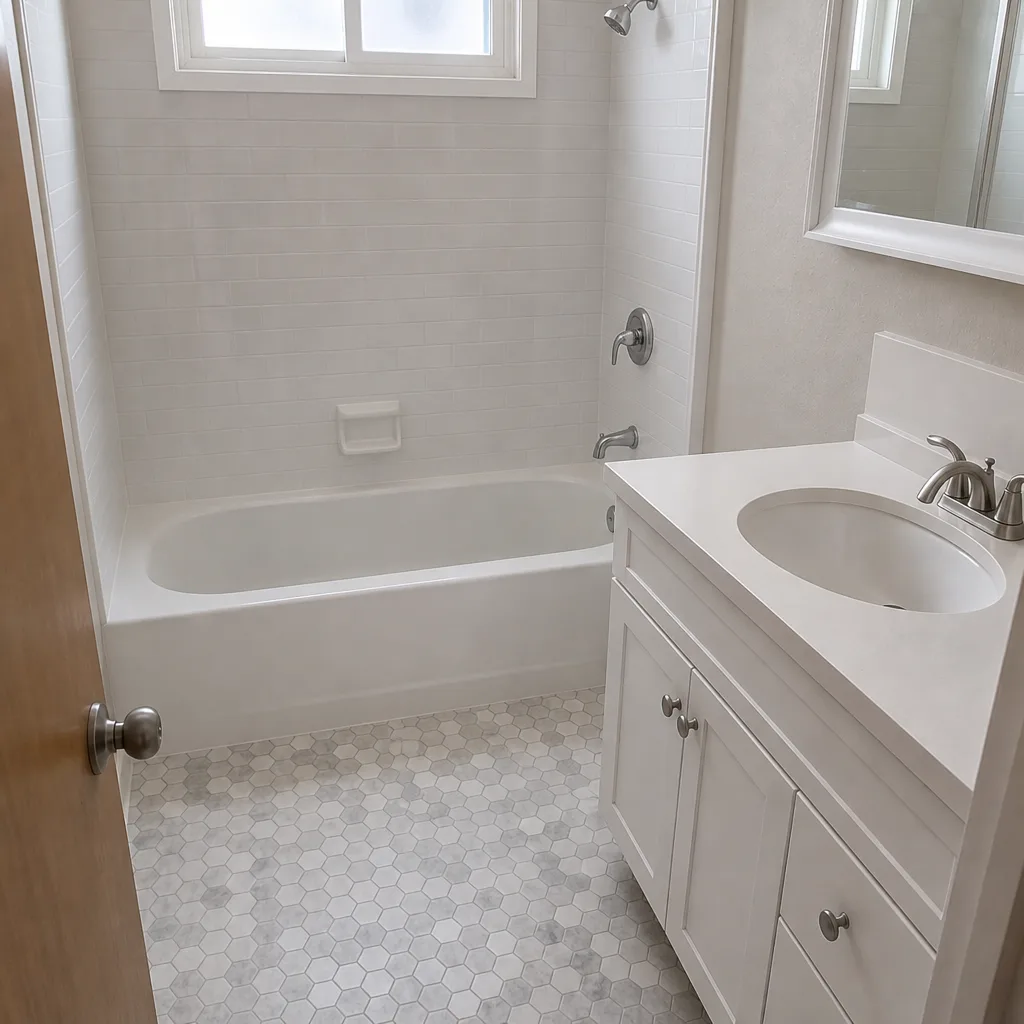
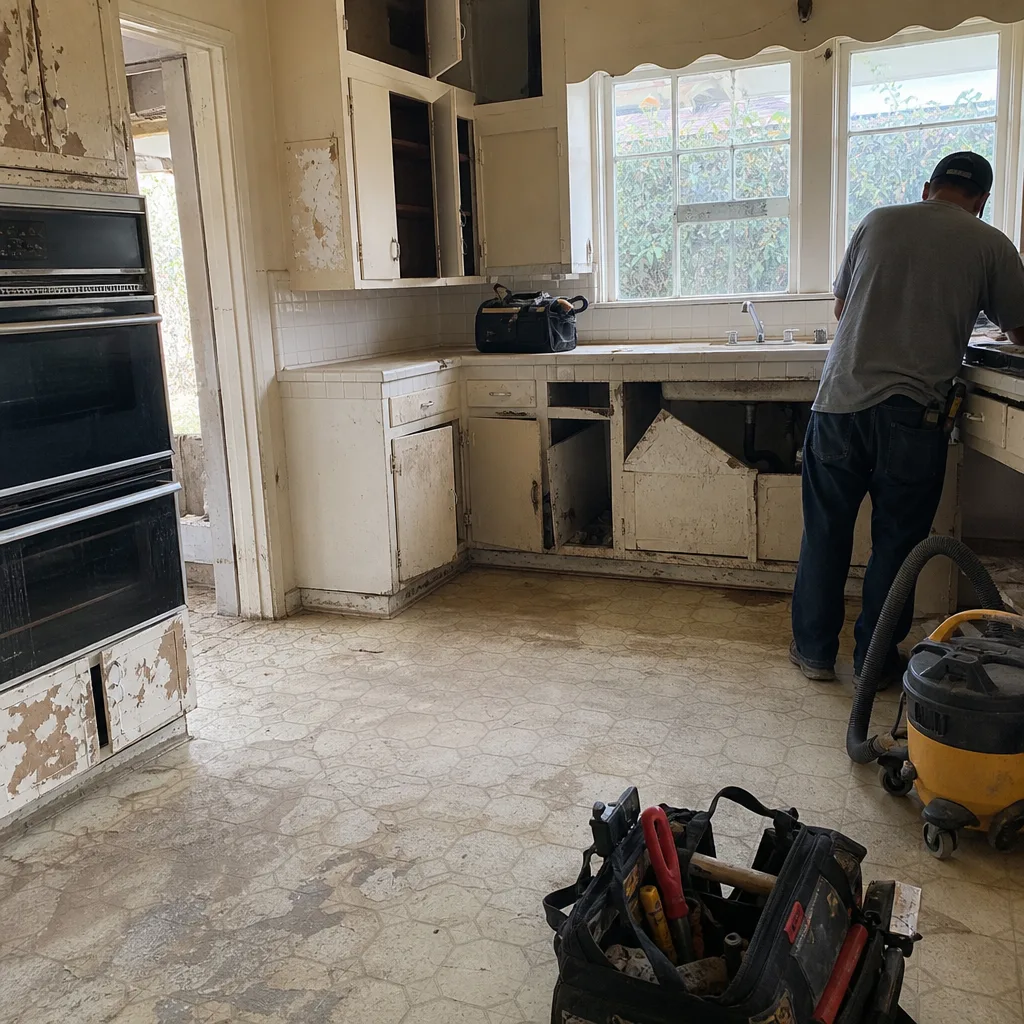
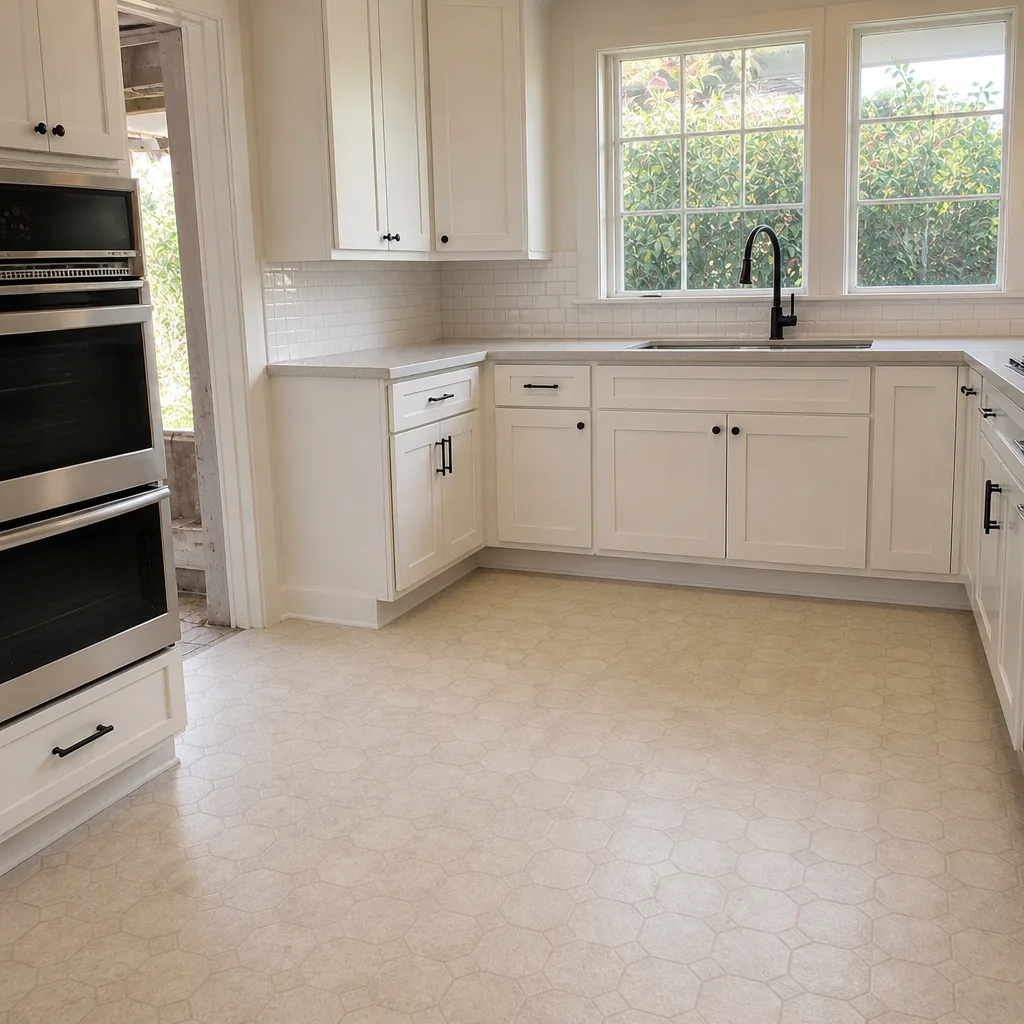
See the difference
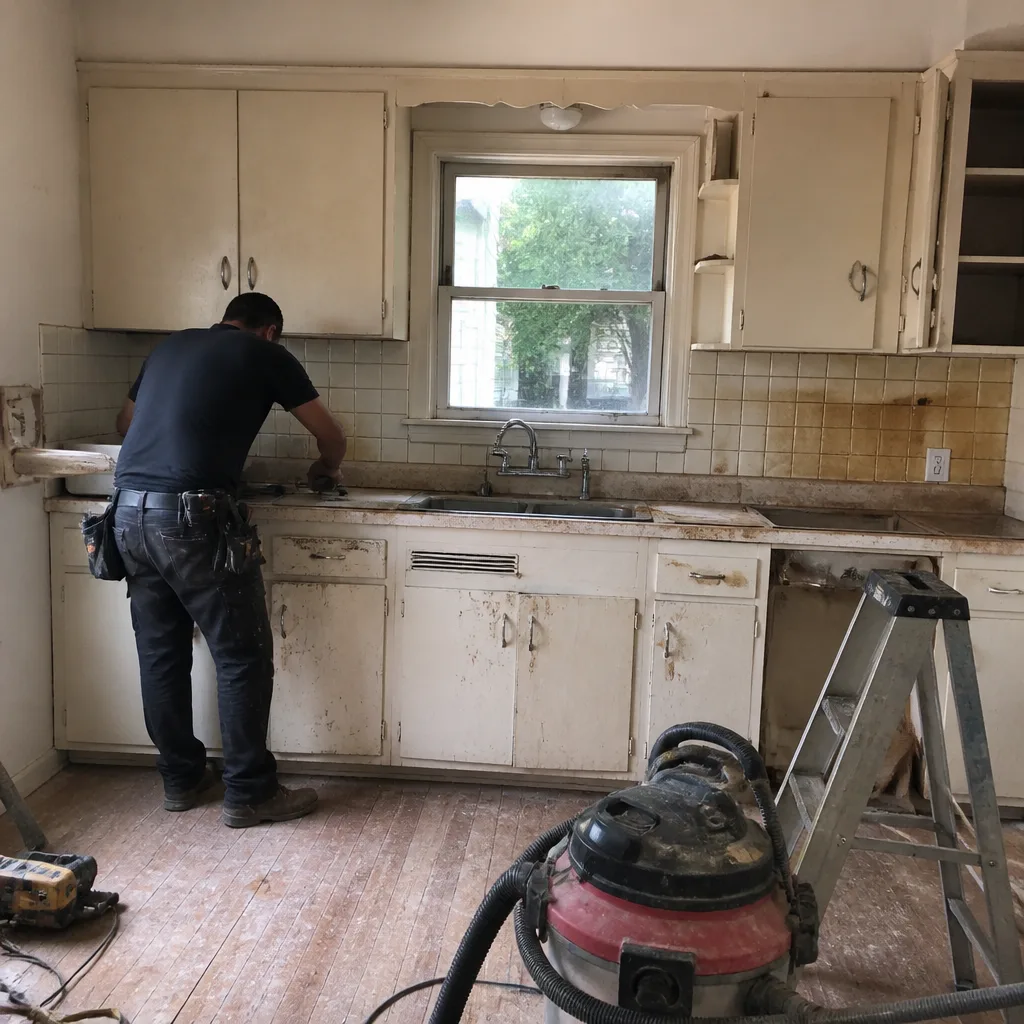 Before
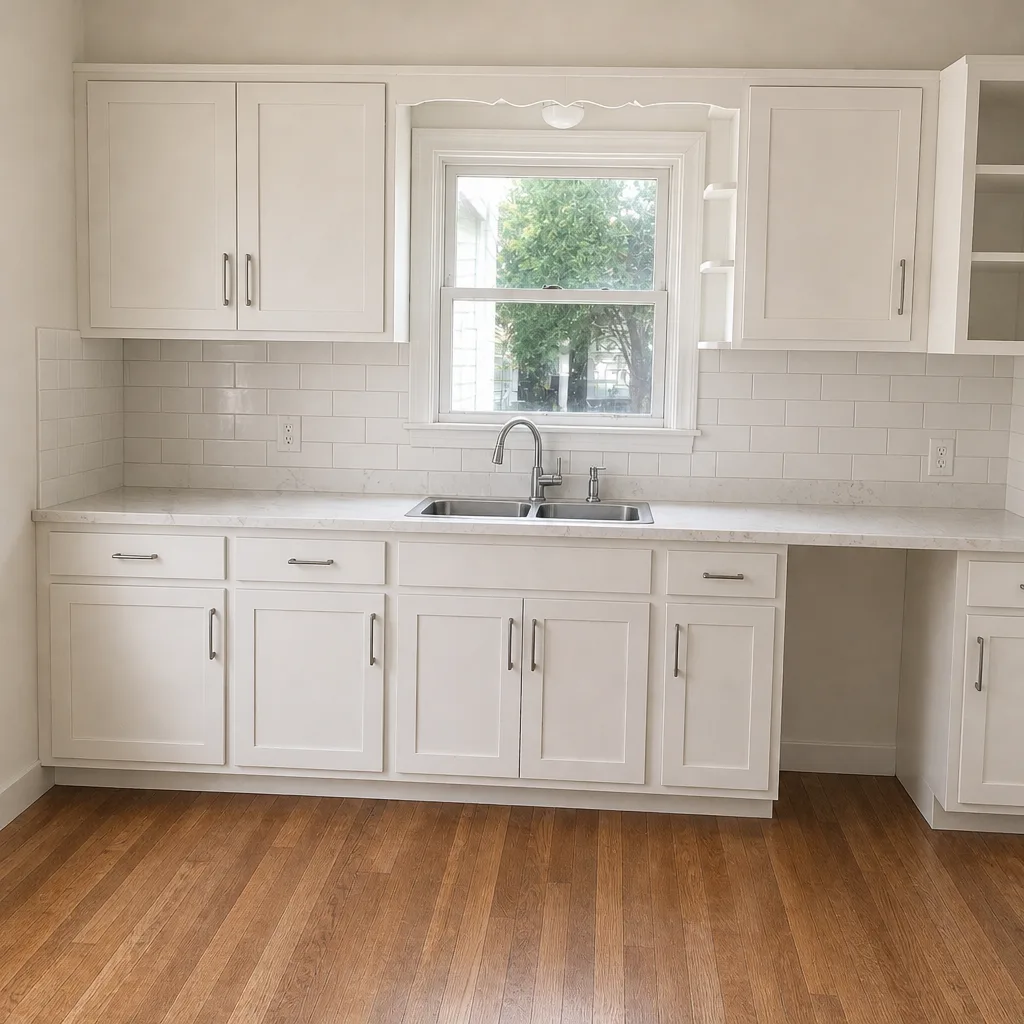 After
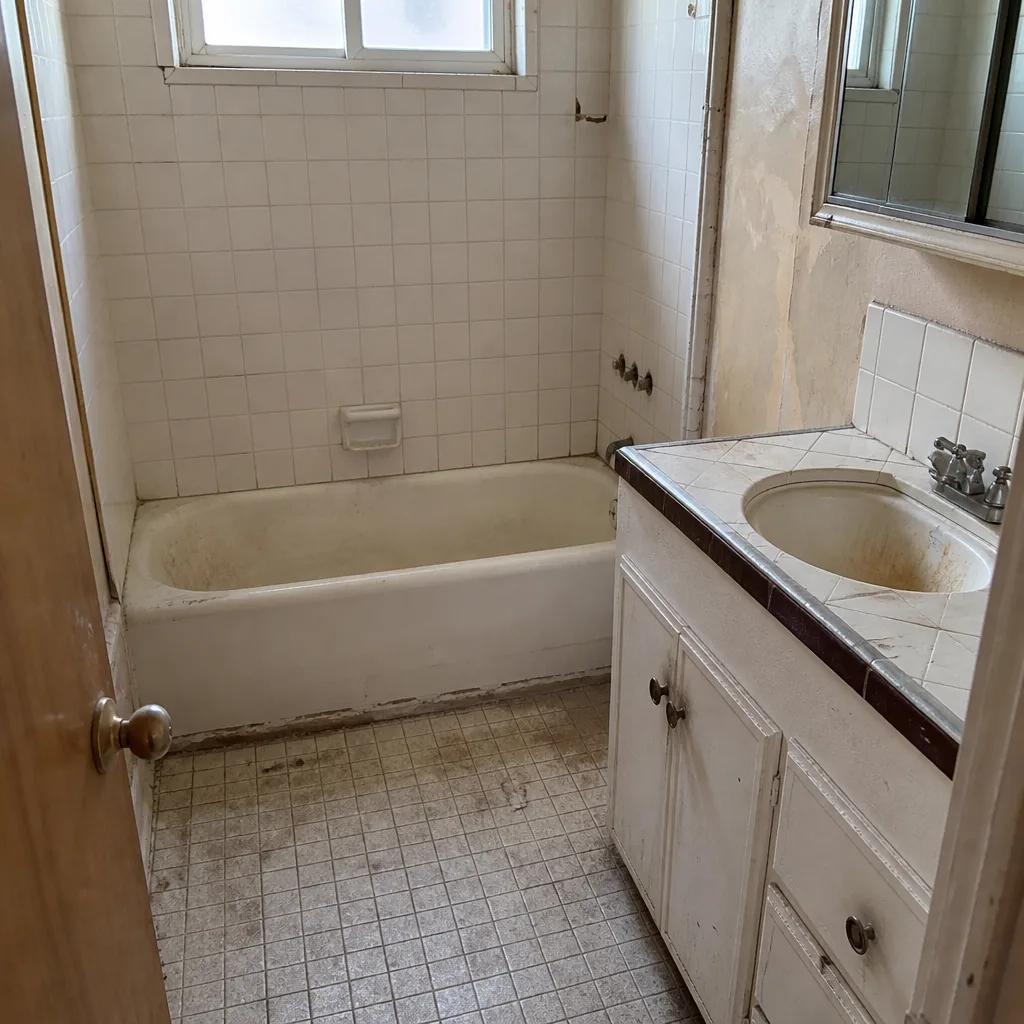 Before
 After
 Before
 After
When to Call a Professional
If you’ve read this far and you’re already partway into a contractor relationship that’s showing two or three of these signs, call a second opinion before you release the next draw. If you’re just starting out, the right time to line up a verified contractor is before you have a stack of competing bids. We work on whole-home remodels and additions where a bad scope is most expensive, and on kitchen and bath projects where the allowance trap is most common. Our technicians have up to 22 years of experience, and every project we take on gets a written price before work begins and a written guarantee at close. Bradford Remodeling Co Pasadena offers free estimates in Pasadena. Call (888) 841-5410 to schedule yours.
Frequently Asked Questions

The biggest red flag is a vague scope of work paired with a request to sign before the permit is filed. A specific scope with a written price is the one thing that protects you from every other problem on the list. If the scope is fuzzy and the pressure is high, walk.
For most residential jobs under $5 million, a California contractor can’t take more than $1,000 or 10% of the contract price as a deposit, whichever is smaller. Anything above that before work starts is out of compliance. Ask for the draw schedule in writing before you sign.
Check the license classification, review the disciplinary history published by the CSLB, verify the surety bond is current by calling the bonding company, and ask for the workers’ comp certificate to confirm the crew is covered. All four checks together tell you more than the basic lookup. A contractor who can produce all four without delay is a good sign.
A low bid is only a warning sign if the scope is vague or the allowances are set below real product costs. A low bid with a specific, line-item scope is worth comparing. If the bid is low because it’s missing things you can’t see, the real number will show up as a change order later.
Ask whether the crew is on payroll or subcontracted, whether the same people work the whole project, and whether they’re background-checked. On older Pasadena homes, also ask whether the crew is trained in lead-safe practices. The answers tell you how the site will actually run.
You need a written guarantee that names the term and the scope of what’s covered. A verbal “we stand behind our work” doesn’t survive a dispute. Ours is the 365-Day Done Right Promise: a full year from final walkthrough, with a return visit at no charge if the work fails inside the window. Call (888) 841-5410 for an exact written proposal, and we’ll lay the guarantee out before you sign anything.
The Bottom Line
The warning signs that predict a bad contractor outcome show up before the job starts, in the contract language, the draw schedule, and the first site visit. A vague scope, a deposit above the legal cap, missing insurance documents, no permit plan, and pressure to sign fast are all signals you can read in week one. A written price, a line-item scope, a verified draw schedule, and a written guarantee are the four things that make a contractor defensible. If you don’t have all four in hand before work starts, you don’t have a contract; you have a hope. Call (888) 841-5410 to schedule a free estimate with Bradford Remodeling Co Pasadena, and we’ll put the price and the guarantee in writing before a single tool comes out.
Written by the team at Bradford Remodeling Co Pasadena.