Last updated November 18, 2026
Free written scope consultation - allowances, timeline, and change-order rules on paper before a single trade is scheduled
The Complete Home Remodeling Guide for Pasadena Homeowners
Most whole-home remodel guides are written for a generic suburb and a generic house. Pasadena is neither. The city’s Design and Historic Preservation guidelines reach more properties than most homeowners expect, and if your house sits in a Landmark District or is individually listed, exterior changes trigger a review process that runs entirely separate from a standard building permit. That distinction shapes the schedule, the budget, and the bid before anyone lifts a hammer. This guide covers the Pasadena permitting landscape, the order of operations that keeps a multi-room remodel moving, realistic budget bands for Pasadena whole-home work, what a real scope-of-work document must contain, and the pre-1960s building realities (asbestos, knob-and-tube wiring, foundation) that Pasadena homeowners run into more often than the national average.
Quick Answer
A whole-home remodel in Pasadena commonly runs $180,000 to $550,000 for a full gut-and-rebuild of a 1,800 to 2,500 square foot house, with most projects landing in the $250,000 to $350,000 range. The three biggest cost drivers are permit complexity (especially when Design and Historic Preservation review applies), the condition of pre-1960s systems like knob-and-tube wiring and original foundations, and the level of finish specified in cabinetry, counters and fixtures. Every price should be written before work starts, with a scope that names materials, not a range.
Styles & brands we work with
- Kitchen remodeling
- Bathroom remodeling
- Home additions & ADU
- Roofing
- Windows & doors
- Driveway & pavers
- Fence
Table of Contents
- Pasadena’s Permitting Landscape: Three Doors, Not One
- Historic and Landmark District Properties
- How to Sequence a Multi-Room Remodel
- Realistic Budget Ranges for Pasadena Whole-Home Remodels
- What a Master Scope-of-Work Document Must Include
- Pre-1960s Home Realities: Asbestos, Knob-and-Tube, Foundation
- Why Pasadena Bids Vary So Widely
- Common Mistakes to Avoid
- Frequently Asked Questions
Pasadena’s Permitting Landscape: Three Doors, Not One
When we bid a whole-home remodel in Pasadena, the first thing we map is which permits apply. There are three distinct doors at the city, and which ones your project opens determines your timeline more than any construction task.
- Building and Safety. Standard permits for structural work, electrical, plumbing, mechanical and any scope that changes the footprint or adds square footage. This is the door most homeowners know about.
- Design Review. Applies to projects with a visible exterior change in certain zoning districts, including new additions, major facade work, and second-story additions in some neighborhoods. Design review can run parallel to Building and Safety or in series, and the order matters.
- Design and Historic Preservation (Landmark Districts and individually listed properties). A separate review that focuses on character-defining features: windows, doors, rooflines, siding materials, porches. This process requires its own drawings and, in our experience, a detailed materials narrative that name-brands the specs (for example, identifying a Therma-Tru door model or a specific James Hardie siding profile).
The planning flag is that many Pasadena properties sit in a Landmark District without the owner realizing it. Before you accept any bid, pull your property’s status through the city’s planning records, or have the contractor do it. A contractor who doesn’t ask about historic status before bidding is telling you something about their process.
Historic and Landmark District Properties
If your home is in a Pasadena Landmark District or is individually designated, the review process is not a formality. It changes the sequence of your project and the materials you can specify on the exterior.
- Character-defining features are protected. Original windows, front doors, porches, siding patterns, roof pitch and trim are all evaluated. Replacing an original wood window with a vinyl unit is often denied outright.
- In-kind replacement is the baseline. If you replace an original window, the expectation is usually a wood or wood-clad unit matching the original profile. That’s a real budget line, not a detail.
- Materials submittals take time. Expect 4 to 10 weeks for historic review on a substantial exterior scope in Pasadena, sometimes longer if the commission’s calendar is full.
- Internal remodels are typically not reviewed. Kitchens, baths, and mechanical upgrades inside the envelope usually route through Building and Safety only. That’s where most of the interior remodeling budget lives.
The practical takeaway: if you’re planning a whole-home remodel in Pasadena on a designated property, split the project into a historic-review exterior scope and a standard-permit interior scope. The interior work can often proceed while the exterior review is pending.
How to Sequence a Multi-Room Remodel
The single biggest schedule risk on a whole-home project is trade blocking: one trade stalls and every inspection behind it slips. The sequence below keeps a Pasadena remodel moving and keeps your general contractor accountable.
- Pre-construction assessment. Asbestos and lead testing on any pre-1960 square footage, foundation assessment, structural engineering if walls are moving, and a full electrical load study. Do this before demo, not during.
- Permits pulled and inspections scheduled up front. Pull the full permit package at once. Submitting permits piecemeal is the most common cause of a stalled job.
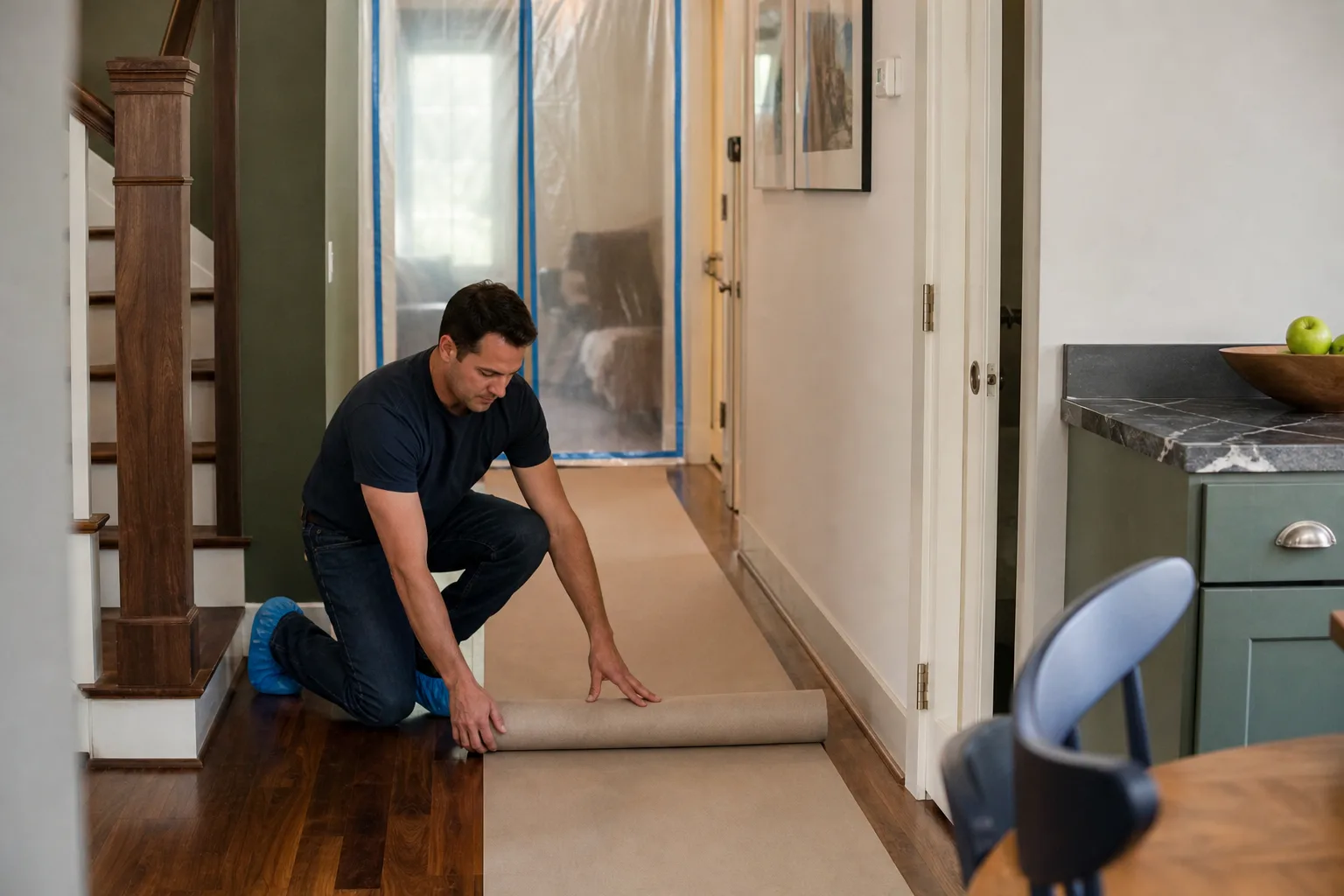
- Demo and abatement. Abatement first if asbestos is present, with clearance air testing before any other trade enters.
- Structural and rough-in. Framing, then plumbing rough-in, then electrical rough-in, then HVAC rough-in, in that order so each trade isn’t working through the next trade’s access.
- Rough inspection. One combined inspection window for framing, electrical, plumbing and mechanical is faster than four separate calls.
- Insulation and drywall. Drywall is your last chance to catch a rough-in miss. Inspect it before it closes.
- Finish trades in walking order. Tile, cabinetry, countertops (Caesarstone and Cambria lead times matter here), fixtures (Kohler and Moen espec), paint, trim, floors last.
- Final inspection and close-out. Final building inspection, punch list, and the signed written guarantee in your hand.
Squared away at close means: clean site, documented scope, signed guarantee, all inspections signed off. Anything less is not complete.
Realistic Budget Ranges for Pasadena Whole-Home Remodels
What you actually pay in Pasadena for a whole-home remodel depends on scope and finish level more than square footage. The ranges below reflect what we see on Pasadena bids in 2026 for a 1,800 to 2,500 square foot house.
- Cosmetic refresh (paint, floors, fixtures, minor kitchen and bath updates, no structural work): $55,000 to $95,000.
- Kitchen and two baths (full remodel, mid-grade cabinetry and counters, no layout changes): $110,000 to $180,000.
- Whole-home interior remodel (kitchen, baths, all flooring, electrical upgrades, no addition): $180,000 to $320,000.
- Whole-home gut remodel with structural and layout changes: $280,000 to $450,000.
- Whole-home plus an addition (300 to 600 square feet): $380,000 to $700,000 and up, driven by addition size and historic review requirements.
Two Pasadena-specific drivers on the spread. First, permit complexity: a project on a Landmark District property can add $8,000 to $25,000 in design review, drawing revisions and material documentation. Second, pre-1960 condition: a full electrical rewire on a knob-and-tube house with no panel headroom commonly adds $12,000 to $25,000, and foundation correction on original Pasadena bungalows can add another $10,000 to $40,000 depending on scope. Those two items alone explain most of the spread between a $200,000 bid and a $300,000 bid.
What a Master Scope-of-Work Document Must Include
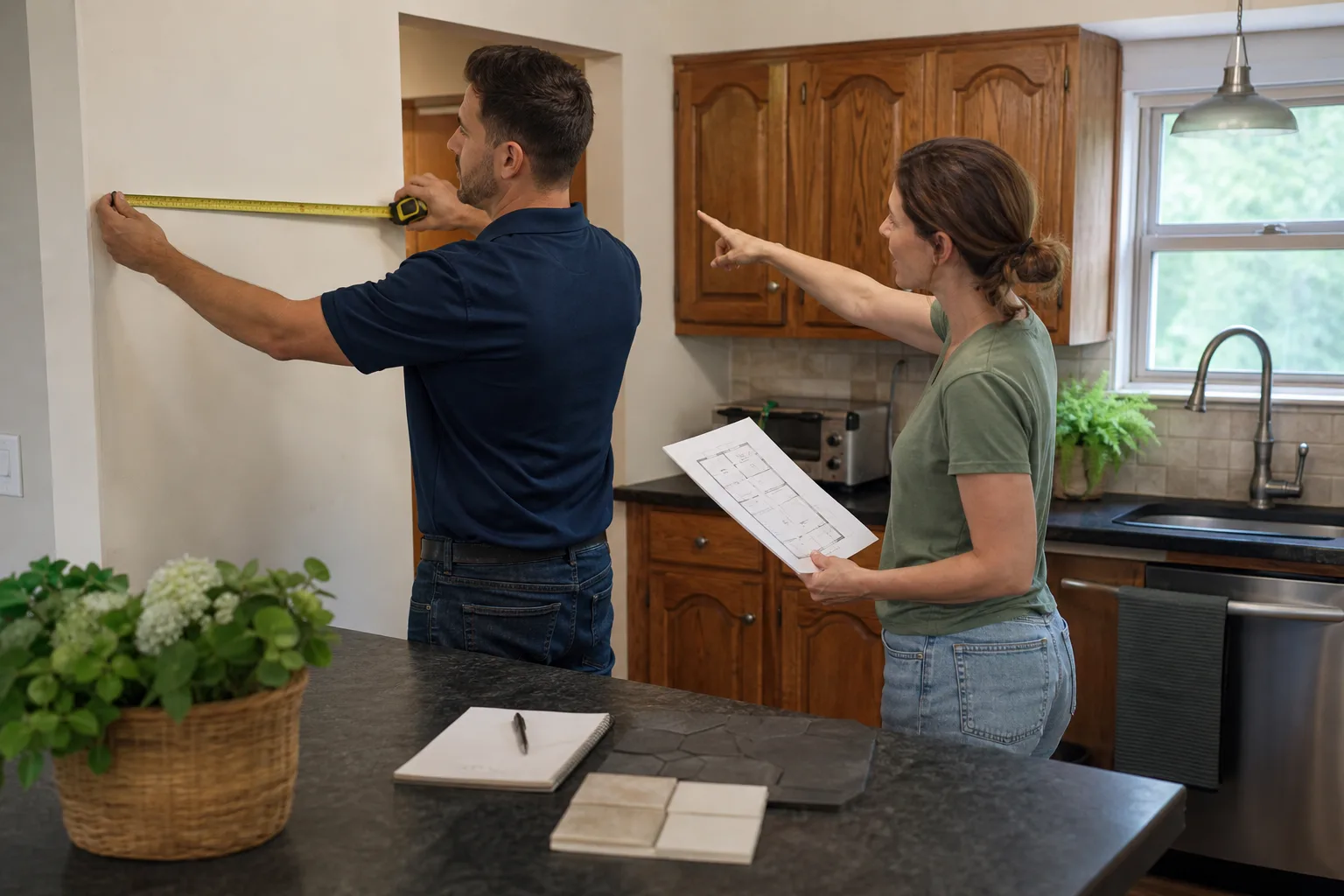
A scope of work is the document that holds a contractor accountable. If it’s vague, everything downstream is negotiable. In our experience in Pasadena, homeowners who get surprised at close did not have a real scope – they had a summary sheet.
A master scope for a whole-home project must include:
- Line-item pricing, not a lump sum. Every wall, cabinet run, fixture, tile, door and trim specified by brand and model.
- Explicit include/exclude list. If permits, haul-away, patching, appliance installation or landscaping repair are excluded, say so in writing.
- Allowance amounts and selection deadlines. Cabinetry, countertops and tile should show an allowance and a selection deadline. Without one, the original bid is meaningless.
- Named materials for every specified item. KraftMaid or Wellborn cabinetry, Cambria or Caesarstone counters, a named Kohler or Moen fixture, a Therma-Tru door. A scope that says “quality cabinetry” is not a scope.
- Schedule with trade dates and inspection windows. A whole-home remodel in Pasadena that isn’t scheduled by trade is a project you’ll be chasing next month.
- Change-order process in writing. How changes are priced, who approves them, and the exact conditions under which the price can move. No numbers that move at the door.
- The written guarantee. What it covers, for how long, and what happens if a repair fails. In Bradford’s case, that’s the 365-Day Done Right Promise: written, covering every completed project for a full year, with a return visit at no charge if the work doesn’t hold.
If a contractor’s proposal can’t show you these, it can’t hold them to anything. That’s the document to walk away from.
Pre-1960s Home Realities: Asbestos, Knob-and-Tube, Foundation
Large swaths of Pasadena’s housing stock were built between 1910 and 1960. That means most of the remodels we bid uncover at least one of three pre-1960 issues, and typically all three.
- Asbestos testing is required on pre-1960 square footage before demo. Asbestos-bearing materials show up in floor tile and mastic, joint compound, pipe wrap, and heating duct insulation. Testing is a small line item. Abatement is not, and skipping it is not negotiable – it’s a health requirement and a permit requirement. Only a licensed abatement contractor should touch asbestos.
- Knob-and-tube wiring complicates insulation and inspection. Insulating a wall cavity around active knob-and-tube runs is a fire hazard, and inspectors will flag it. The practical order is electrical upgrade first, insulation second. On a whole-home remodel in Pasadena, that means the rewiring scope needs to be defined before insulation is bid, not after.
- Foundation assessment before interior work. Original Pasadena bungalow foundations are often pier-and-beam or shallow perimeter. A structural engineer’s report up front turns an unknown into a known line item. Skip it and your $240,000 bid grows once drywall starts cracking.
Safety note: knob-and-tube wiring, asbestos-containing materials, and gas line work are not DIY territory. Live electrical in an old panel, disturbed asbestos fibers, and gas leaks are genuinely dangerous. Use licensed trades, and don’t let anyone talk you into short-circuiting these steps to hold the schedule.
Why Pasadena Bids Vary So Widely
Two bids on the same Pasadena house, from two contractors, can differ by $100,000. In our experience the variance comes from five places, and identifying which one is driving the gap is how you compare bids honestly.
- What’s in the bid. Bids that omit permits, asbestos testing, foundation assessment, or a defined allowance look cheaper until the change orders arrive.
- Historic and design review. A bidder who hasn’t pulled your property’s designation status will under-bid the drawing and submittal scope, then reprice it later.
- Material specification. A kitchen with KraftMaid cabinets, Cambria counters and Kohler fixtures is not the same bid as one with “cabinet allowance $8,000.”
- Trade selection. Crews that show up, are background-checked, and are properly insured cost more than crews assembled at the last minute. That gap is real, and worth it.
- Guarantee. A contractor who carries a written 365-day guarantee prices the return visits into the bid. A contractor with no written guarantee has no cost to price in.
The right comparison isn’t lowest number to highest. It’s which bid names the most items, defines the most exclusions, and stands behind the most work in writing.
Common Mistakes to Avoid
- Accepting a bid without a permit map. In Pasadena, a contractor who doesn’t confirm historic and design-review status before bidding is a contractor who will find out mid-project, on your schedule.
- Skipping asbestos testing on a pre-1960 house. It’s a small line item that turns into a large scope freeze if it’s discovered after demo begins.
- Sequencing electrical after insulation. On a knob-and-tube Pasadena house, the wiring scope has to be defined before insulation is bid, or the inspector will fail one of the trades.
- Accepting “cabinet allowance” language without a number or a brand. Every cabinet, counter and fixture line should name a model. KraftMaid or Wellborn, not “quality cabinetry.”
- Comparing bids without comparing scope. The lowest bid is often the shortest document. Ask each bidder to produce a line-item scope and compare like for like.
- Trusting an oral guarantee. If the guarantee isn’t written in the contract, it’s a conversation, not a commitment. Get the 365-day guarantee in writing, every time.
- Forgetting the final inspection. A whole-home remodel in Pasadena is not done until final building inspection is signed off. Close-out with an unsigned final is a problem you’ll inherit.
See the difference
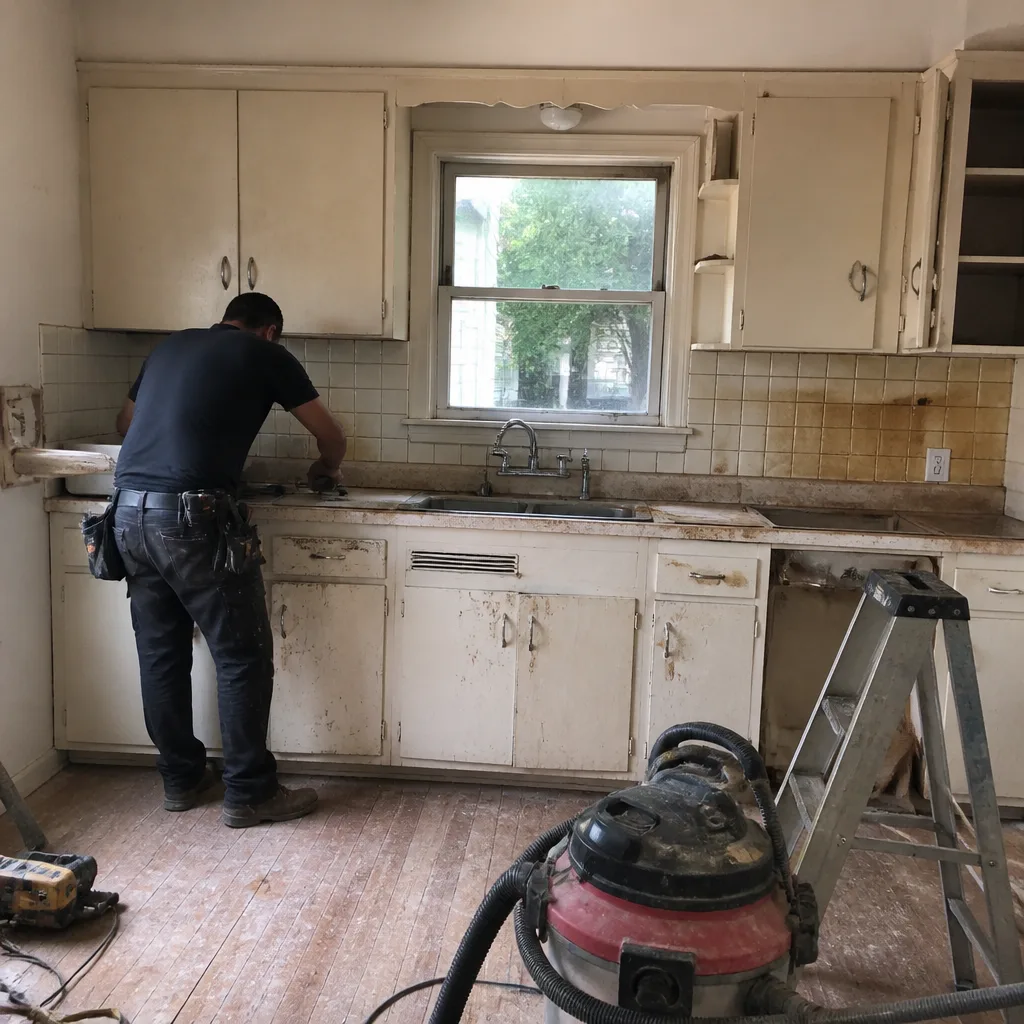 Before
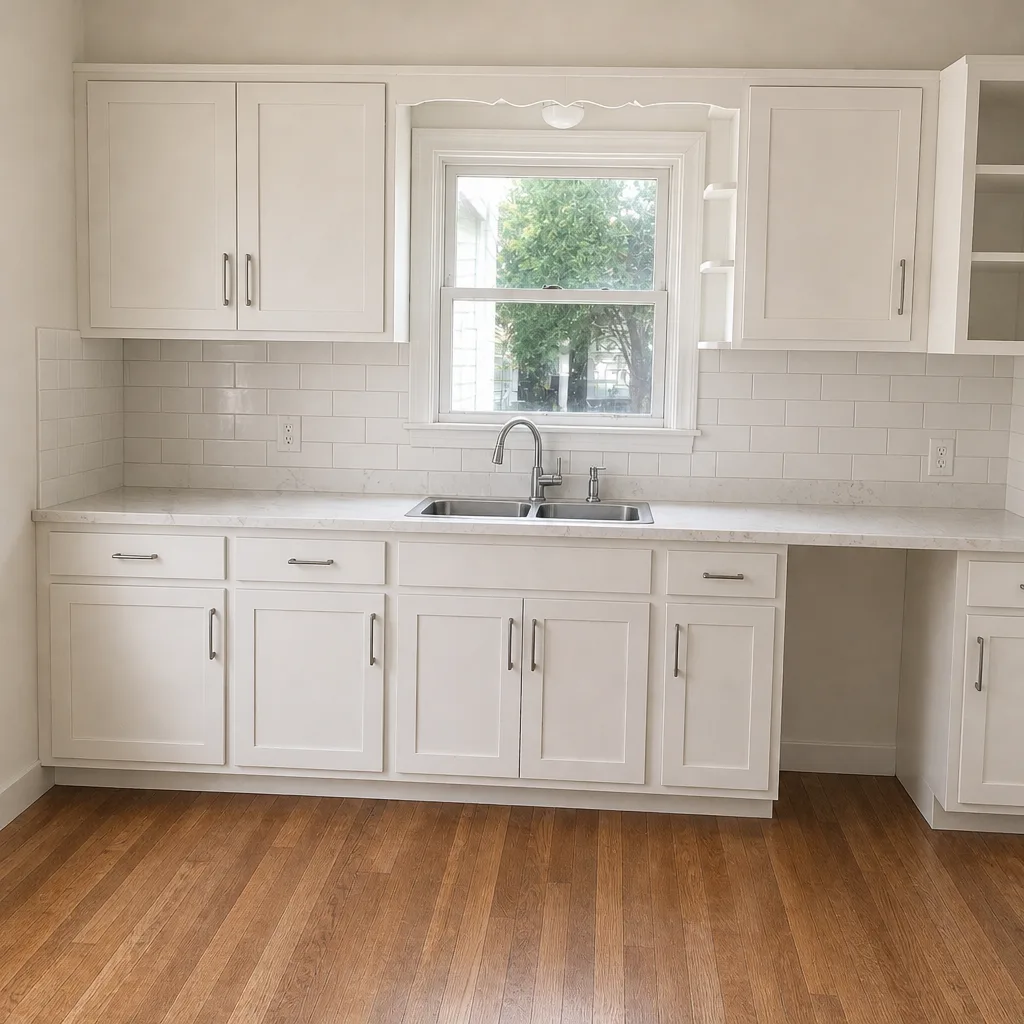 After
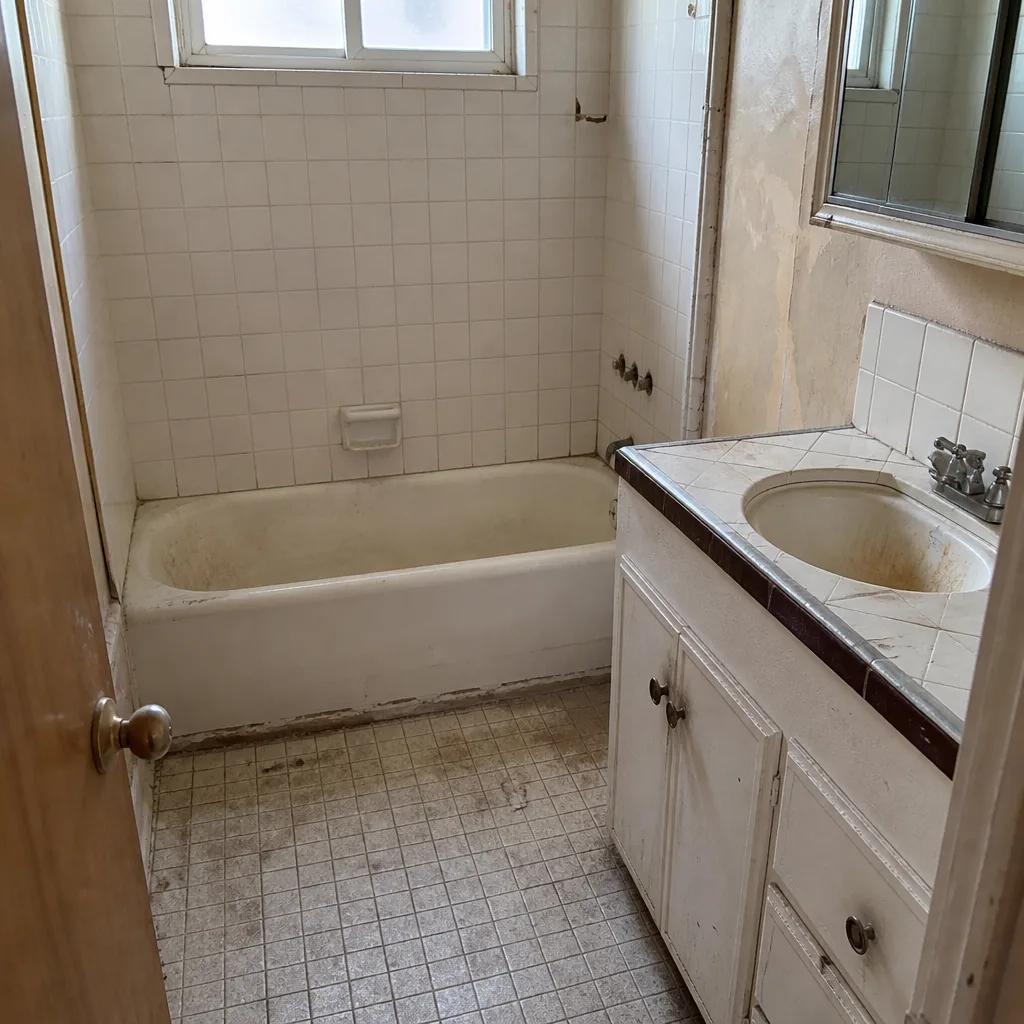 Before
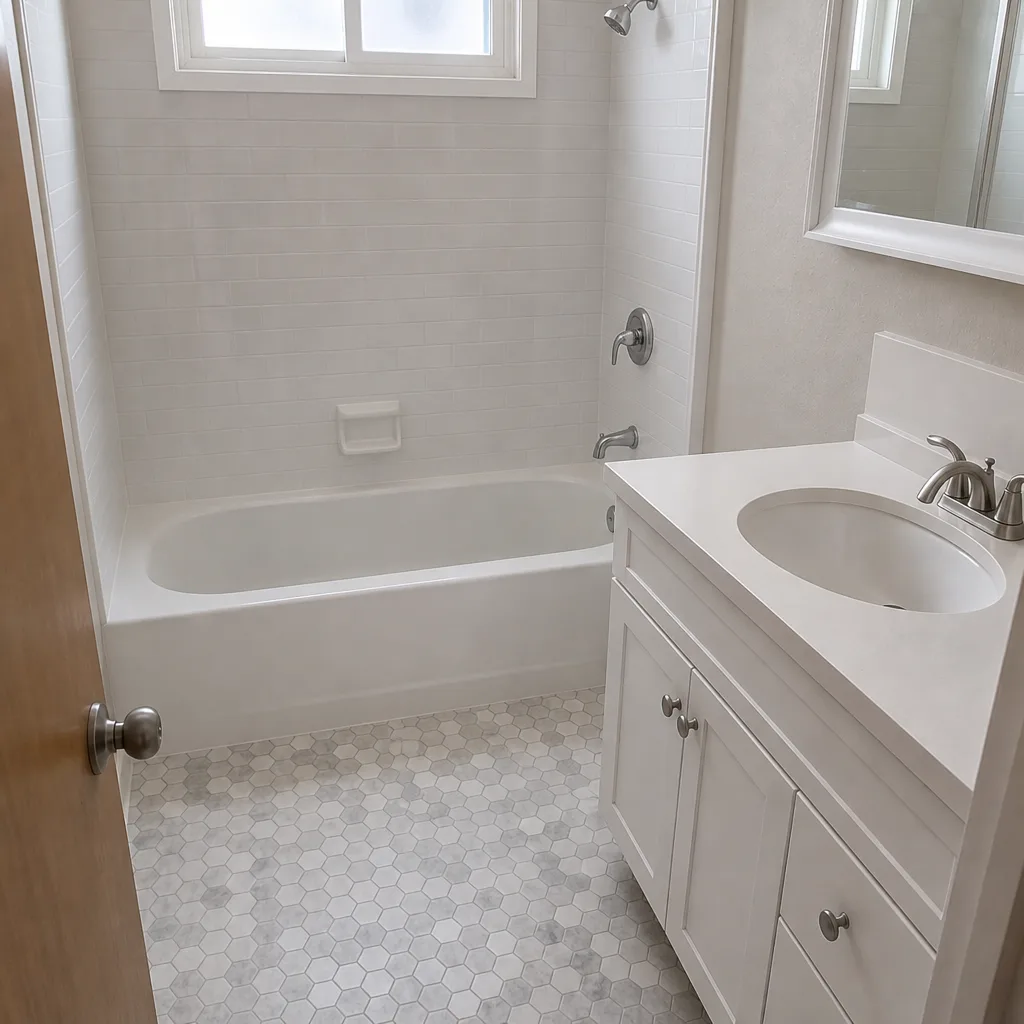 After
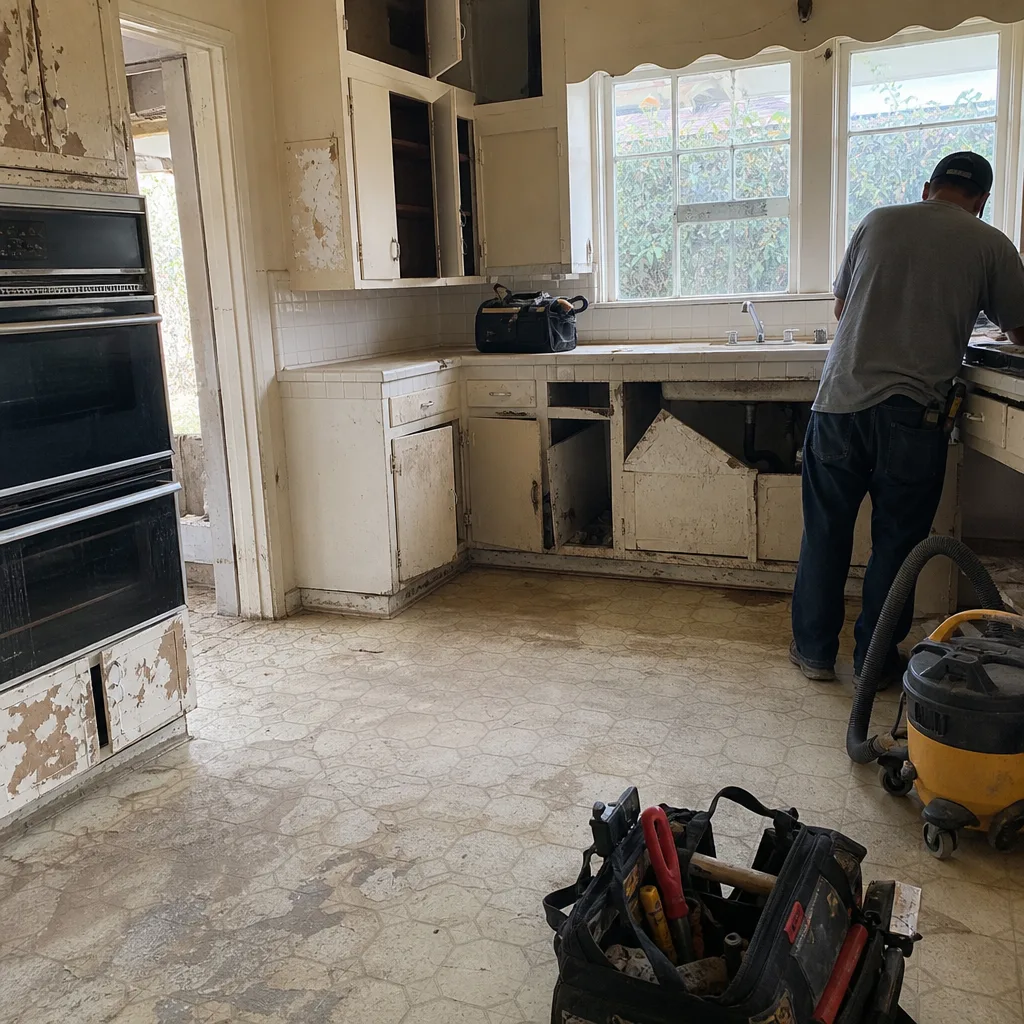 Before
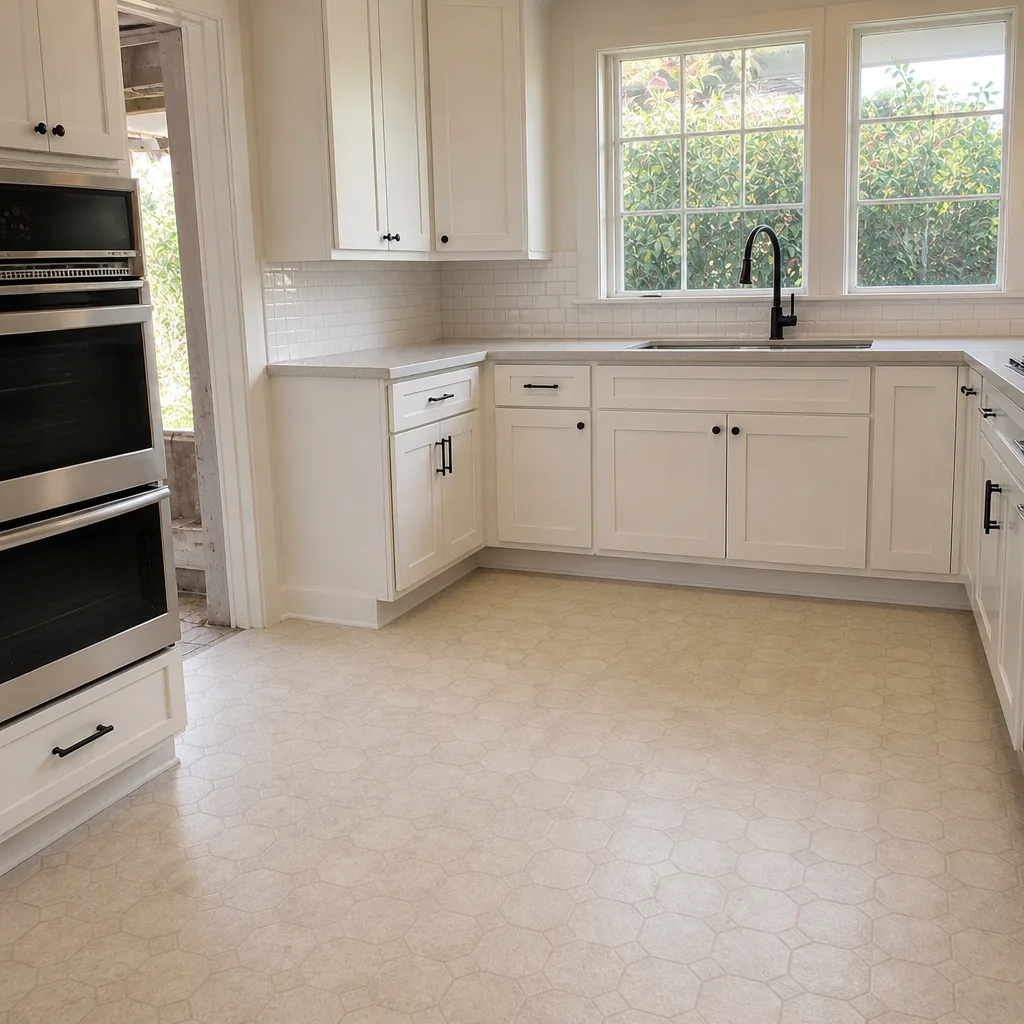 After
When to Call a Professional
Call a licensed general contractor in Pasadena the moment your scope moves past paint and flooring. Whole-home remodels, anything touching structure, electrical, plumbing, gas lines, permits, historic review, or abatement are all trades where the risk of doing it yourself or through an unlicensed handyman is real. That includes a pre-1960 house where you don’t yet know what’s behind the drywall. Bradford Remodeling Co Pasadena offers free estimates in Pasadena – call (888) 841-5410. Every estimate is written before any work starts, with no numbers that move at the door. Our technicians have up to 22 years of experience, are background-checked, and a live person answers when you call.
Frequently Asked Questions
A whole-home remodel in Pasadena typically runs $180,000 to $450,000 for a 1,800 to 2,500 square foot house, with gut remodels plus additions at $380,000 to $700,000 and up. The three drivers are permit complexity (including historic review), pre-1960 conditions (asbestos, knob-and-tube wiring, foundation), and finish level. Call (888) 841-5410 for an exact written estimate – estimates are free.
Only if your property is individually designated or sits inside a Pasadena Landmark District, and even then review typically applies to exterior character-defining features, not interior work. The critical step is verifying your property’s status before any exterior scope is bid. Confirming status is a five-minute check, and it changes the scope of the bid.** Call (888) 841-5410 and we’ll walk through what applies to your address.
If any part of your home was built before 1960, yes – test before demo. Asbestos is common in floor tile, mastic, joint compound, pipe wrap and duct insulation in older Pasadena homes. Abatement, when required, must be done by a licensed abatement contractor with clearance testing before any other trade enters. Call (888) 841-5410 to build testing into your written estimate.
Not if the scope and ensure process are written. A proper scope names each item, defines allowances and selection deadlines, and documents the exact conditions under which a change can be priced. Bradford gives every homeowner a written price before any work starts – that’s non-negotiable. Call (888) 841-5410 for a free written estimate.
Plan on 6 to 9 months of construction for a whole-home interior remodel, plus 4 to 12 weeks of permitting before that, and add 4 to 10 weeks more if historic or design review applies. A home plus addition typically runs 9 to 14 months of construction. Call (888) 841-5410 to build a schedule for your specific Pasadena project.
Every completed Bradford project is covered by the 365-Day Done Right Promise: if the work fails within twelve months of completion, we come back and correct it at no charge. It’s written into the contract, not promised verbally. Call (888) 841-5410 for a free estimate and we’ll explain exactly what the guarantee covers before you sign anything.
The Bottom Line
The Pasadena remodel that runs well isn’t the one with the fewest permits or the shortest schedule. It’s the one where historic and design status is confirmed before the bid, the sequence of trades is written down, the pre-1960 issues are priced as line items, and the contractor puts every number in writing before a tool comes out. If your proposal names the materials (KraftMaid, Wellborn, Cambria, Caesarstone, Kohler, Moen, Therma-Tru, James Hardie), documents the scope, and carries a signed 365-day guarantee, you’ve got something you can compare. If it doesn’t, keep asking questions. If you’re planning a whole-home project in Pasadena, or specifying a kitchen remodel or bathroom remodel as the first phase, start with a written bid, not a handshake.
Ready to get started? Call Bradford Remodeling Co Pasadena at (888) 841-5410 for a free estimate. A live person answers 24 hours a day. Every price is written before work starts, and every completed project carries the 365-Day Done Right Promise. If you’re planning a multi-phase project, start with your General Contractor in Pasadena scope and build from there.
Written by the team at Bradford Remodeling Co Pasadena.