Last updated November 18, 2026





Free written scope consultation - allowances, timeline, and change-order rules on paper before a single trade is scheduled
Construction Emergency Preparedness Guide for Pasadena Homes
After a seismic event, Pasadena homeowners who had a pre-event structural photo record settled insurance claims faster and for more money than those who didn’t. That gap isn’t about luck. It’s about who could prove what the house looked like before the shaking started. A one-hour documentation walk-through today is a claims tool tomorrow, and it’s the single most useful thing most homeowners never do. This guide covers the two kinds of construction emergencies that hit Pasadena homes: the acute ones (earthquake damage, burst supply lines, storm-driven roof failures) and the slow-motion ones (foundation movement, rafter sag, deck rot) that become urgent because nobody caught them early. You’ll get a written response protocol for both.
Quick Answer
A construction emergency in Pasadena is any damage that threatens the structure, weather-tightness, or safety of your home and needs a licensed contractor on site before routine scheduling resumes. Preparedness means three things: a photo and written record of your home’s current condition, a short list of the structural failure patterns common to Pasadena’s older housing stock, and a written protocol for what you do in the first 24 hours. Do those three before an emergency and you’ll move faster, document better, and settle your claim cleaner than a homeowner reacting cold.
Styles & brands we work with
- Kitchen remodeling
- Bathroom remodeling
- Home additions & ADU
- Roofing
- Windows & doors
- Driveway & pavers
- Fence
Table of Contents
- How Do You Document Your Home’s Structural Condition Before an Emergency?
- Pasadena Seismic Risk: The Three Conditions That Make Earthquake Damage Worse
- What a Legitimate Emergency Tarping and Water Mitigation Contractor Looks Like
- The Insurance Claim Process for Construction Damage
- How to Spot a Slow-Motion Structural Emergency
- Your Written 24-Hour Emergency Response Protocol
- The Pasadena Home Emergency Documentation Kit
- How to Choose a Pasadena Contractor Before You Need One
How Do You Document Your Home’s Structural Condition Before an Emergency?
A structural photo record is a dated, labeled set of images and short written notes that captures what your home looks like on a normal day. Insurers and contractors use it to separate pre-existing conditions from new damage, and that distinction is where claims get paid or denied. In our experience, the homeowners who breeze through a claim are the ones who can hand an adjuster a clean before-and-after. The rest spend weeks arguing about whether a crack was already there.
Here’s the walk-through we recommend, and it takes about an hour:
- Shoot every wall of every room at standing height, then one wider shot from each doorway so an adjuster can orient the image. Label with room and date.
- Photograph the foundation perimeter from the outside, all four sides, including any visible cracks, with a coin or tape measure beside them for scale.
- Get into the attic and crawlspace (or have someone do it safely) and photograph the rafters, ridge beam, and any existing water staining. Note the date of any stain.
- Document the roof from the ground with zoom shots of the ridge, valleys, and any patched areas.
- Write a one-page condition note in plain language: what you see, what you already know is wrong, when you last had work done, and any repairs you’ve deferred.
- Store it in the cloud and keep one printed copy. A folder on your phone is not a record if the phone is lost.
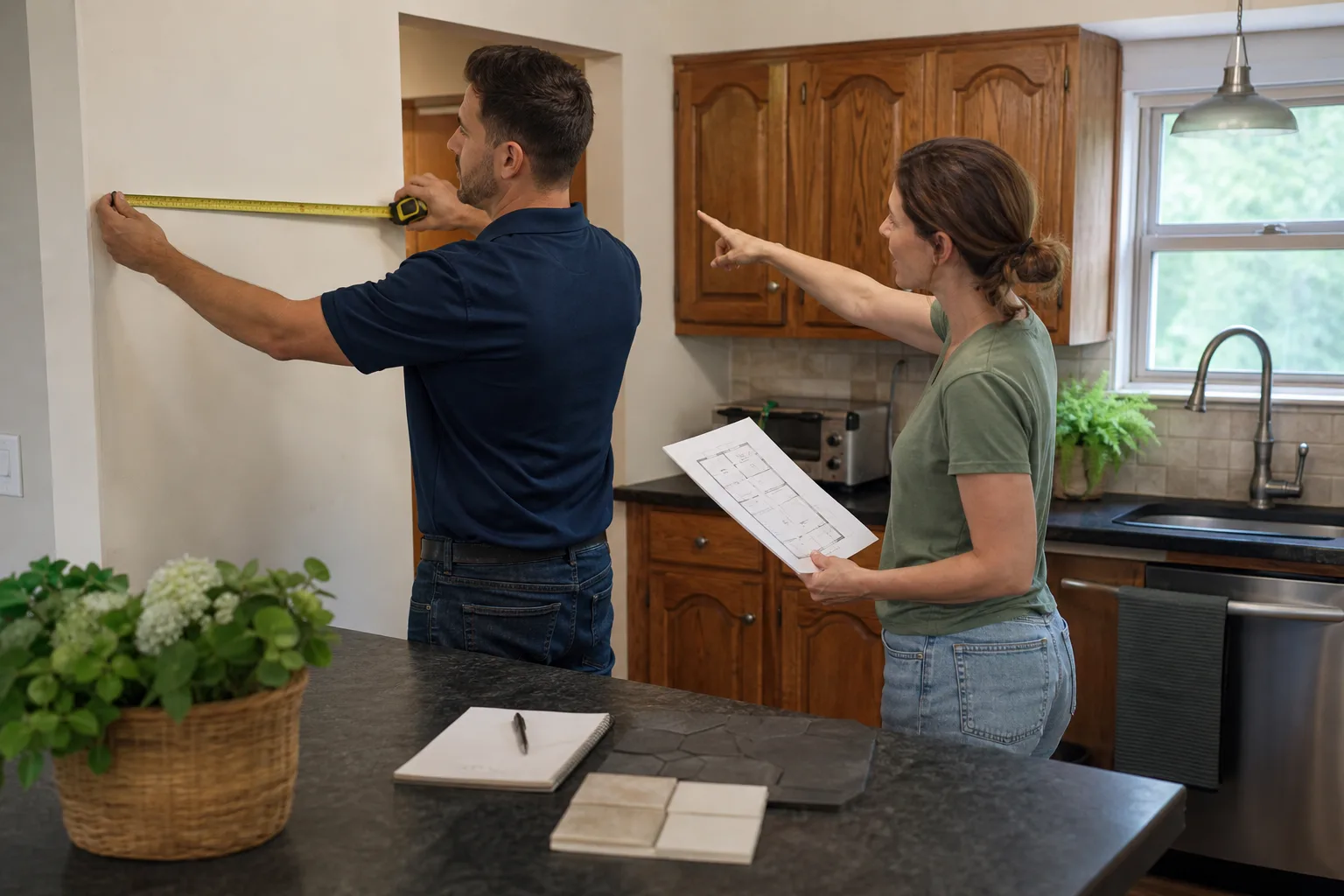
What a contractor needs to see later, during an actual emergency, is simple: baseline photos with dates, your written note, and a basic floor plan sketch. That’s it. Hand any Pasadena contractor that packet and they can scope damage in a fraction of the time, which matters most when you’re under pressure and repairs are time-sensitive.
Pasadena Seismic Risk: The Three Conditions That Make Earthquake Damage Worse
Pasadena sits on ground that amplifies shaking in specific ways, and the housing stock carries three conditions that turn a moderate event into a structural emergency. If you live in a pre-1950s home – common in parts of Bungalow Heaven, the historic districts near Old Pasadena, and the older blocks off Orange Grove – at least one of these probably applies to you.
- Unreinforced masonry (URM). Brick chimneys, brick porch piers, and brick foundation walls laid before modern seismic codes have no steel tying them together. A chimney that shears off at the roofline is one of the most common post-quake injuries and one of the most common insurance items in Pasadena. It’s also preventable with a proper retrofit.
- Soft-story indicators. If your home has a ground floor that’s mostly open – a garage bay, a large bay window, an unbraced crawlspace opening – that level is weaker than the ones above it and tends to rack (lean) during shaking. Look for a garage door wall with no diagonal bracing and a second story that sits over it.
- Cripple wall conditions. The short stud wall between your foundation and the first floor is called a cripple wall. If it’s unbraced, unbolted, or sitting on a cracked perimeter footing, it’s the point where the house most often slides off its foundation. Bracing and bolting a cripple wall is a defined, permitted scope – and the single highest-value seismic upgrade on most older Pasadena homes.
None of this is do-it-yourself territory. Cripple wall bracing, chimney reinforcement, and soft-story work require engineered plans, permits, and inspection, and the consequences of getting it wrong are structural. A licensed General Contractor in Pasadena can assess which of these conditions you have and tell you in writing what a retrofit would cost before anything is touched.
What a Legitimate Emergency Tarping and Water Mitigation Contractor Looks Like
After a big rain event, out-of-area crews show up in Pasadena offering emergency tarping and water extraction. Some are legitimate. Many are storm-chasers who inflate scope, bill your insurer directly for work you didn’t authorize, and disappear before the drywall dries. The difference is visible before you sign anything.
A legitimate emergency responder will:
- Show identification and a written scope before starting. You should see a document with the exact areas to be tarped or dried, the equipment to be used, and the price – not a handshake and a promise.
- Explain what water mitigation actually involves. Extraction, then drying with measured moisture readings (they should show you the meter), then a documented dry standard before reconstruction. A crew that skips the meter is guessing.
- Never ask you to sign a blank authorization or an “assignment of benefits” that hands your claim over to them. That’s a red flag, not a shortcut.
- Give you the price in writing for the emergency work, and a separate written scope for the reconstruction that follows, so you can see both before committing.
- Leave the site squared away – debris removed, tarps secured, and a written record of what was done and when.
Storm-chasers inflate scope because the insurer pays, not you. That’s the tell. A contractor working for you quotes you a number you can read, signs a scope, and stands behind the work. When we take on post-storm water mitigation, the homeowner gets a written price before the first tarp goes up, and every completed repair carries the 365-Day Done Right Promise – a full year of written guarantee, with a free return visit if the work fails inside that window.
The Insurance Claim Process for Construction Damage
The biggest claims mistake Pasadena homeowners make is authorizing repairs before a written scope exists. Once work starts, the adjuster can’t establish what the damage was, and the contractor’s invoice becomes the only record. That’s backwards. Document, then scope, then authorize – in that order.
- Photograph everything before anyone touches it. Wide shots, close shots, and a written note of what you see. If water is still coming in, tarp or mitigate to stop further damage, but photograph the source first.
- Call your insurer and open the claim, then ask for the claim number and the adjuster’s contact in writing.
- Get a written scope from a licensed contractor that lists the damage, the proposed repair, the materials, and a firm price. This is the document your insurer actually needs. A contractor who won’t put it in writing before starting is telling you something.
- Compare the adjuster’s estimate to the contractor’s scope. Insurance estimates often miss code-required upgrades (like seismic bracing triggered by a repair). The gap is negotiable if it’s documented.
- Sign a written authorization only for the scope you’ve read, and keep a signed copy. No blank forms, no “we’ll true it up later.”
- Keep a running log of every conversation, date, and dollar amount. Claims get delayed by fuzzy records, not by bad adjusters.
That last point is why so many Pasadena claims stall. If your paperwork is squared away before the emergency, the claim almost runs itself. If it isn’t, you’re reconstructing history under stress.
How to Spot a Slow-Motion Structural Emergency
Not every emergency is loud. Some of the most expensive structural failures in Pasadena homes start as a hairline crack that nobody looked at twice. The trick is knowing which patterns cross the line from maintenance to call-someone-now.
Foundation cracking patterns
Vertical cracks in a poured foundation are usually shrinkage and often benign. Horizontal cracks, stair-step cracks in block walls, and cracks wider than about a quarter inch are the ones that point to movement or settlement, especially if they reappear after patching. A crack that grows between two photos taken a month apart is a slow-motion emergency, not a cosmetic issue.
Rafter sag
Stand at the end of a room and sight along the ceiling. A ridge line that sags, a ceiling plane that dips, or a rafter that’s visibly bowed in the attic points to either an overloaded or rotted roof structure. After a Pasadena rain season, look for staining at the rafter tails and along the ridge; water that wicks into a rafter end can rot it hollow from the inside over a couple of seasons.
Persistent efflorescence
Efflorescence is the white, powdery mineral bloom that appears on masonry and concrete when water moves through it and evaporates at the surface. A little on a garden wall is normal. Efflorescence that keeps coming back on a foundation wall, basement slab, or chimney base means water is actively moving through the structure – and where water moves, the masonry is slowly failing. Persistent efflorescence is a maintenance signal that something upstream (grading, drainage, a failed flashing detail) needs a contractor’s eye.
When each crosses from maintenance to immediate repair: growing cracks, sagging structure, or recurring bloom after a rain season all warrant a call, not a wait-and-see. An experienced technician can tell you in one visit whether it’s a repair or a monitoring situation, and give you a written recommendation either way.
Your Written 24-Hour Emergency Response Protocol
When the shaking stops or the ceiling starts dripping, the last thing you want to do is improvise. Here’s the protocol we recommend every Pasadena homeowner write down, print, and stick in a kitchen drawer. It’s the one document that turns a panic into a plan.
- Safety first, structure second. If you smell gas, leave the house, don’t touch light switches, and call the gas utility from outside. If a wall or ceiling looks like it’s about to come down, stay clear and call from outside. A structural emergency is a call-the-professional event – don’t go poking at load-bearing members yourself.
- Stop the water or weather, if you safely can. Know where your main water shutoff is and practice turning it. For a roof breach, a safe tarp job from the ground with a ladder you’re confident on is fine; anything above the first story or on a steep pitch is a professional job.
- Photograph before you clean up. Damage photos are worth more than a clean floor. Get wide shots and close-ups, and note the time.
- Call your insurer and open the claim. Get the claim number in writing.
- Call a licensed contractor for a written scope and a firm price before authorizing repairs. Compare it against the insurer’s estimate.
- Document what was done and when, and store it with your pre-event photos. The whole record now lives in one place.
That’s it. Six steps, written down, practiced once, and you’re more prepared for a construction emergency than most of your neighbors.
The Pasadena Home Emergency Documentation Kit
A documentation kit doesn’t need to be elaborate. What it needs is to be complete and dated. Here’s what we recommend every Pasadena homeowner assemble and keep current – and update after any renovation or significant repair.
- A dated photo set of every room, the foundation perimeter, the roof from the ground, and the attic/crawlspace. Include a coin or measuring tape in close-ups for scale.
- A one-page written condition note describing existing issues, recent work, and deferred repairs, with dates.
- A simple floor plan sketch – hand-drawn is fine – so any contractor can orient quickly.
- A short list of key shutoffs and access points: water main, gas valve, electrical panel, attic access, crawlspace access.
- Copies of your insurance policy declarations page and your contractor’s contact information.
- A written copy of the 24-hour response protocol from the previous section.
Keep a cloud copy and one paper copy. If you have a pre-1950s home in Pasadena with a brick chimney or an unbraced cripple wall, add one more item: a written assessment from a licensed contractor of what seismic upgrades your home actually needs. That single document often makes the difference between a claim that’s approved and a claim that’s argued.
How to Choose a Pasadena Contractor Before You Need One
The worst time to vet a contractor is during an emergency. The best is a quiet afternoon, months before. A contractor you’ve already checked out is a contractor you can call at 11 p.m. without second-guessing the price or the scope. Here’s what to confirm before you ever sign anything.
- They put the price in writing before work starts. Not a verbal estimate, not a range that moves at the door – a written number and a written scope.
- They have a background-checked, uniformed crew. You should know who’s coming to your door before they arrive.
- They answer the phone with a live person. Not a voicemail box, not a callback queue – a real person, any hour.
- They install documented name-brand materials – GAF roofing, James Hardie siding, Therma-Tru doors, Ameristar and Master Halco fencing and gates – so the material specs are traceable and the warranties are real.
- They back the work in writing. Ask what the guarantee covers, for how long, and what a return visit costs. If the answer isn’t written, it isn’t a guarantee.
That’s the standard we hold ourselves to at Bradford Remodeling Co Pasadena: a written price before any work begins, a live person on the phone 24/7, and the 365-Day Done Right Promise on every completed project – if the work fails within a full year, we come back and correct it at no charge. That’s what “squared away” looks like when the job closes: a clean site, a documented scope, and a signed written guarantee in your hand.
Common Mistakes to Avoid
- Authorizing repairs before a written scope exists. The adjuster can’t separate damage from invoice once the wall is open. Get the scope in writing first, every time.
- Trusting a “before” record you never took. A crack that was already there when the quake hit looks like new damage if you can’t prove it wasn’t. The photo walk-through costs an hour; arguing with an adjuster costs weeks.
- Signing an assignment of benefits after a storm. Handing your claim to a storm-chaser in Pasadena is how homeowners end up with inflated scope and stuck paperwork. Read the authorization and keep your claim in your name.
- Patching a growing foundation crack and calling it fixed. A repair that fails within a season means water or movement is still active upstream. Fix the cause, not the symptom, and get a written guarantee on the repair.
- Ignoring a brick chimney on a pre-1950s home. Unreinforced masonry is the single most common post-quake injury in Pasadena. A written retrofit assessment now is a safety decision, not a luxury.
- Skipping the cripple wall because it “looks fine.” An unbraced cripple wall looks fine right up until the house slides. If you don’t know whether yours is bolted and braced, that’s the first question to ask.
- Choosing the emergency contractor on price alone. The cheapest tarp job in Pasadena is the one that fails in the next rain and costs you twice. Pick the contractor with the written price and the written guarantee.
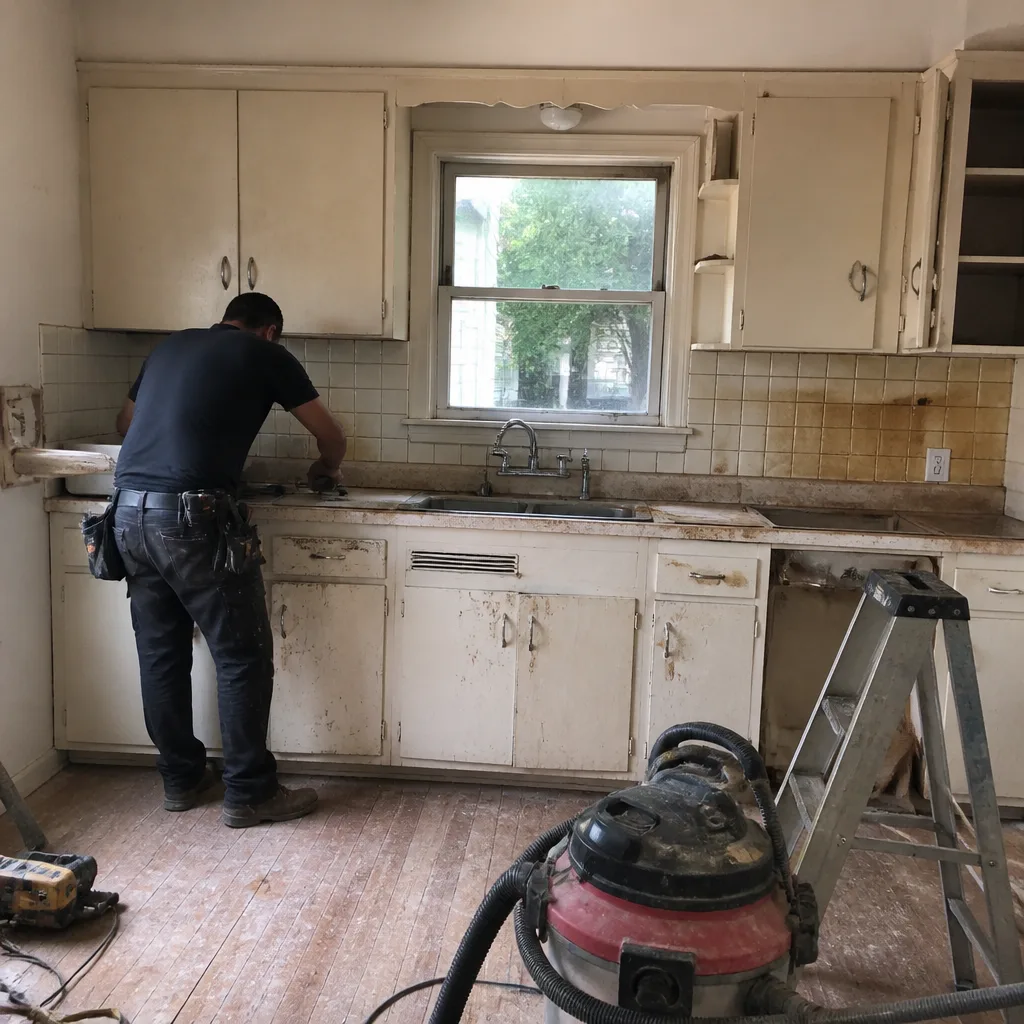
See the difference
 Before
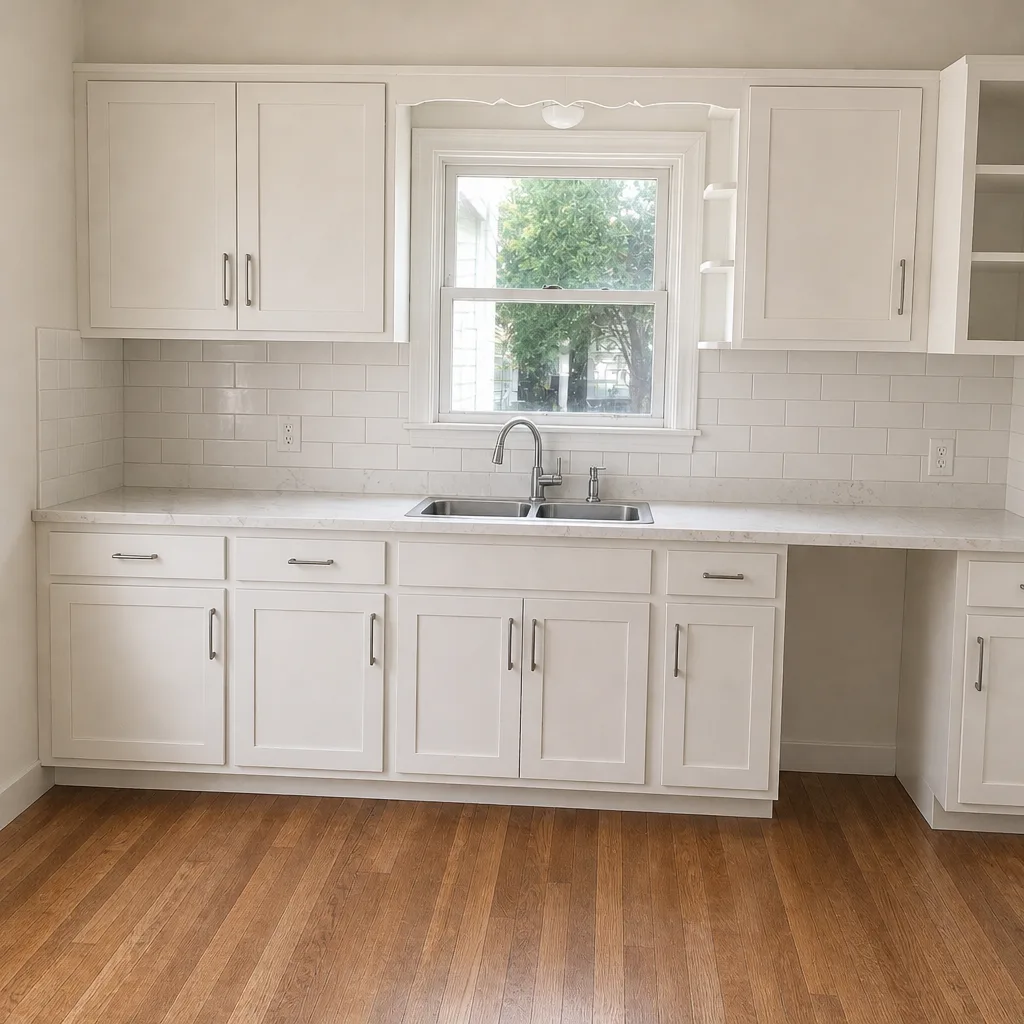 After
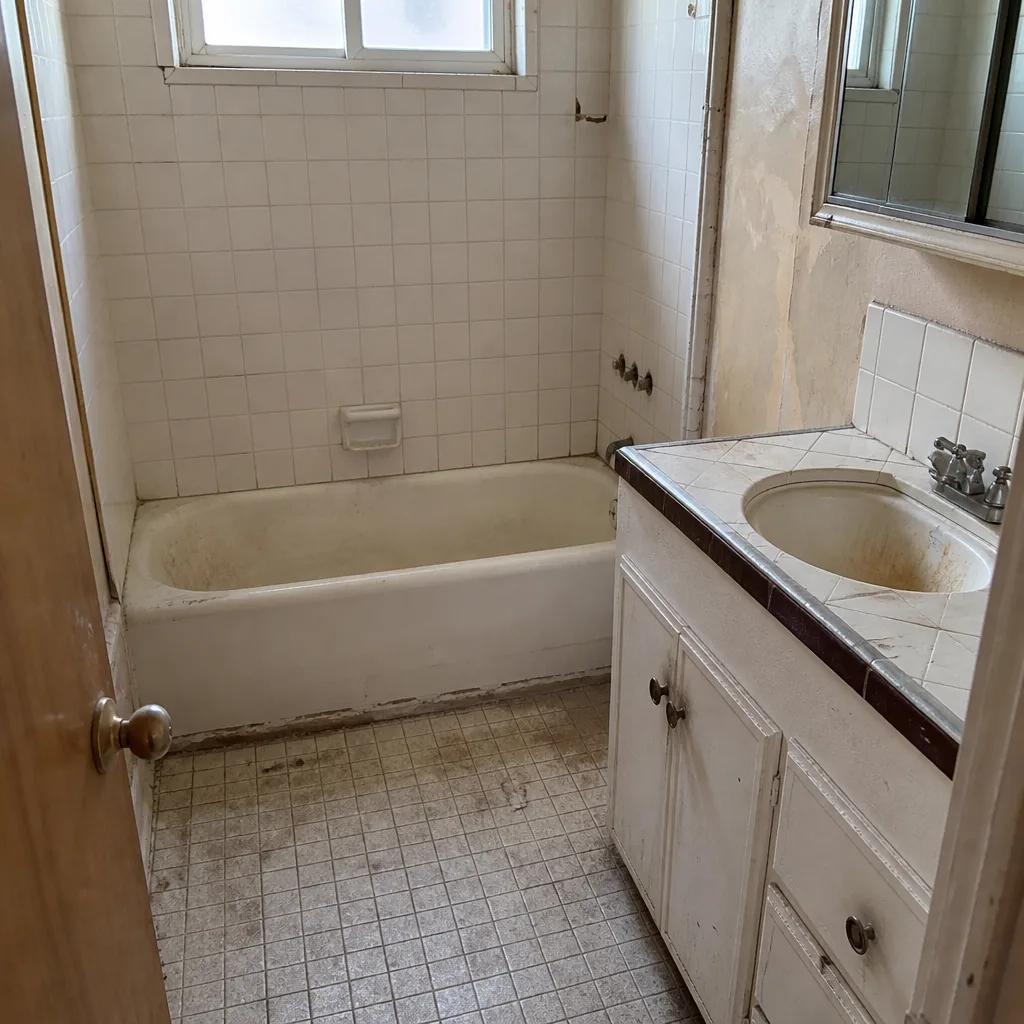 Before
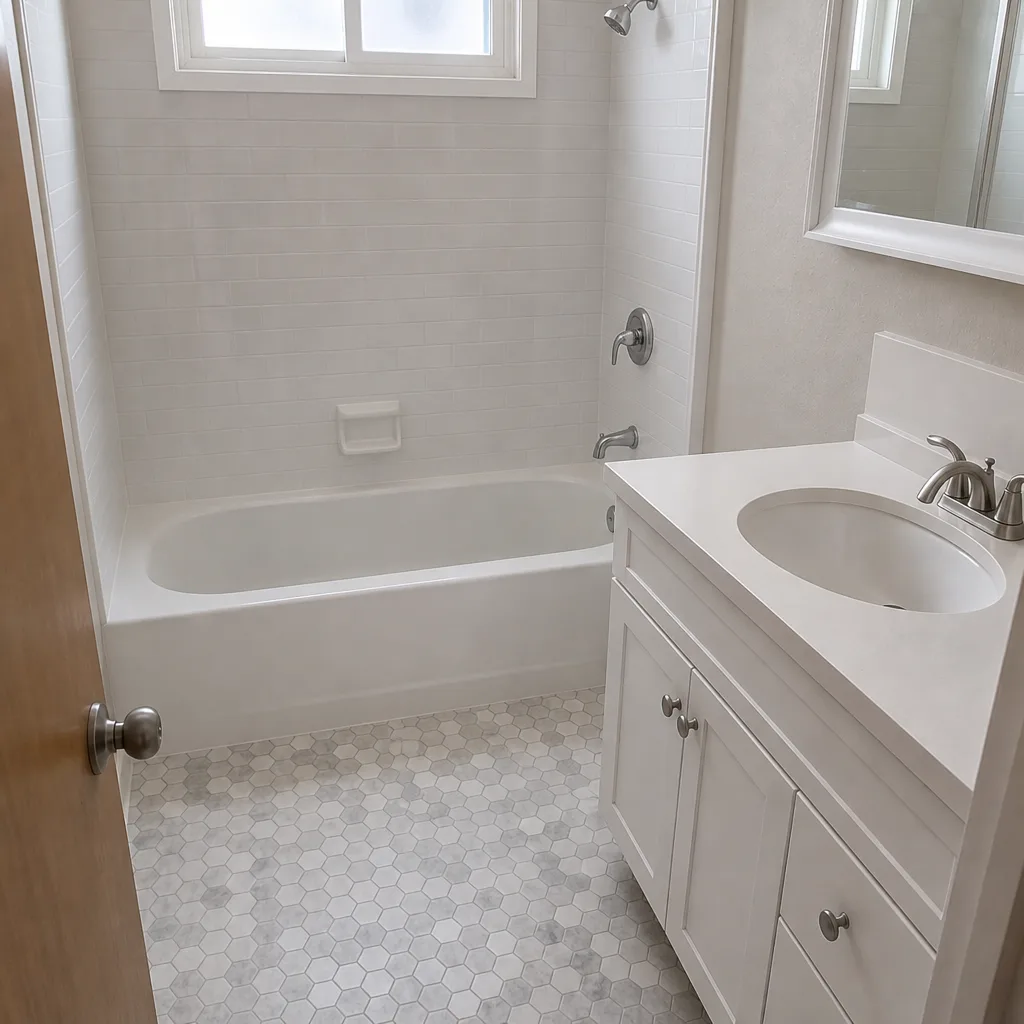 After
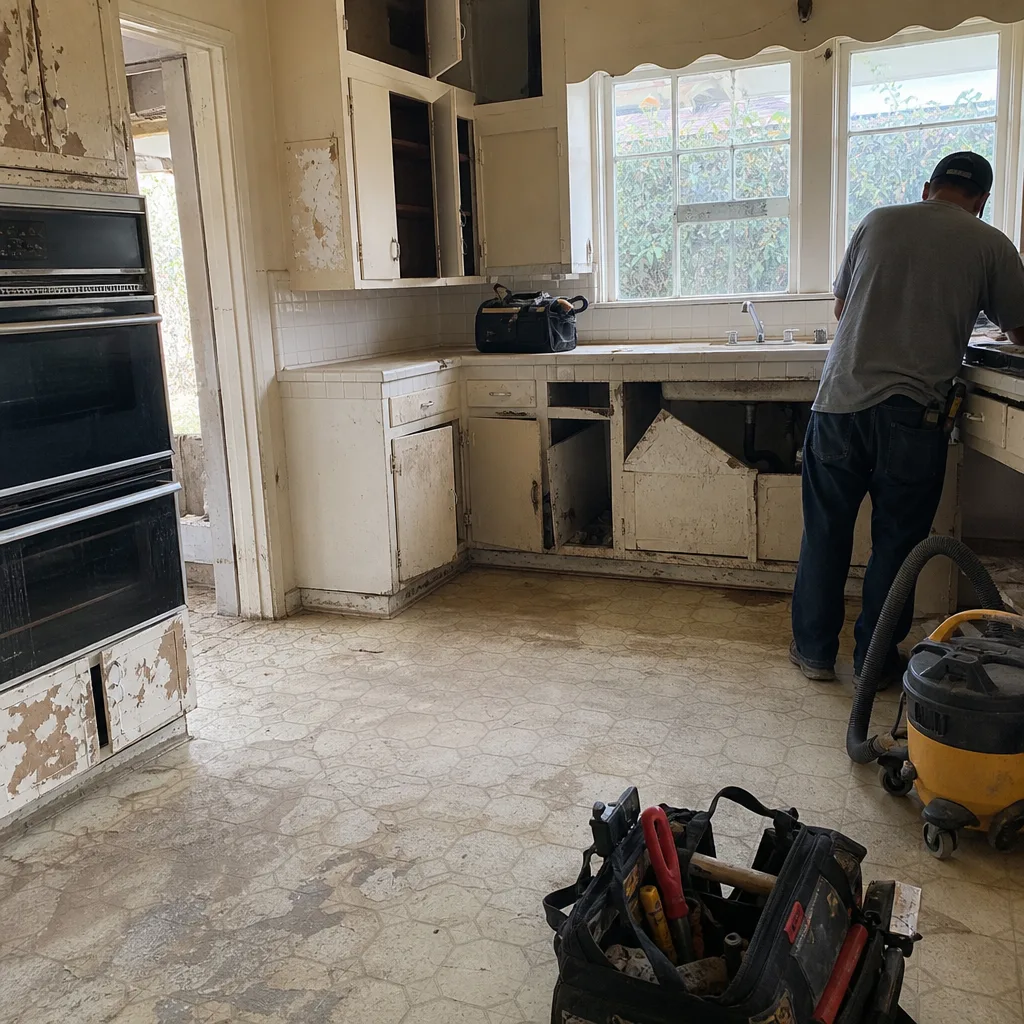 Before
 After
When to Call a Professional
Call a licensed contractor now, before the emergency, if any of these describe your Pasadena home: a brick chimney on a pre-1950s house, an unbraced cripple wall or soft-story ground floor, a foundation crack wider than a quarter inch or one that’s growing, a ceiling or ridge line that sags, persistent efflorescence on a foundation wall, or a roof that’s been patched more than twice. Call immediately, safety first, if a wall or ceiling looks ready to fail, if you smell gas after shaking, or if water is actively coming through the structure. Bradford Remodeling Co Pasadena offers free estimates in Pasadena – call (888) 841-5410 for a written assessment and a firm price before anything is touched. A live person answers, any hour.
Frequently Asked Questions
Get out if the structure looks unstable or you smell gas, then call the utility and your insurer from outside, and photograph damage before cleaning up. Don’t go poking at load-bearing members or climbing onto a steep or second-story roof yourself. Once the immediate safety question is answered, call a licensed contractor for a written scope before you authorize any repair.
Emergency tarping in Pasadena typically runs in the low four figures for a standard residential roof breach, and water mitigation with drying equipment for a single room can run a few thousand dollars, with the exact number depending on the size of the affected area. The important part isn’t the range – it’s that you get a written scope and a firm price before the work starts, and that you photograph the damage first. Call (888) 841-5410 for an exact quote; estimates are free.
A vertical crack in a poured foundation is usually shrinkage and not urgent, but a horizontal crack, a stair-step crack in block, or any crack wider than about a quarter inch points to movement and warrants a call. The clearest test is a second photo a month later – if the crack grew, it’s a slow-motion emergency. Call (888) 841-5410 and we’ll tell you in one visit whether it’s a repair or a monitoring situation.
No – our written price is fixed before any work begins, and it doesn’t change at the door. That’s the non-negotiable part of how we operate: a documented scope and a firm price you can read before authorizing anything. If the scope changes because conditions turn out differently, you get a written change order first. Call (888) 841-5410 to schedule your free estimate.
You handle the claim; we give you the document your insurer actually needs – a written scope that lists the damage, the repair, the materials, with a firm price. That’s what separates a clean claim from an argued one. We’ll help you line up the scope against the adjuster’s estimate so the gaps are visible. Call (888) 841-5410 for a free written estimate.
A cripple wall bracing and bolting job on a typical Pasadena home usually runs a few days of on-site work once the engineered plans and permit are approved, and chimney reinforcement is often a shorter scope. The permit and plan-review step is the variable, not the carpentry. Ask for a written schedule with your written price. Call (888) 841-5410 to schedule your free assessment.
The Bottom Line
Construction emergencies in Pasadena split into two kinds, and both reward preparation. Acute events – earthquake damage, burst supply lines, storm-driven roof failures – go faster when you have a dated photo record, a written scope before repairs, and a contractor you’ve already vetted. Slow-motion emergencies – foundation movement, rafter sag, recurring efflorescence – become urgent only because nobody documented them early. The one-hour documentation walk-through, the six-step response protocol, and a written price before any work starts cover both. The roof over your family is a long-term asset; document it now, and every claim you file later goes smoothly. Explore our Kitchen Remodeling in Pasadena and Bathroom Remodeling in Pasadena services when you’re ready to plan a project, and start from the Bradford Remodeling Co Pasadena home page to see the full Garrison Standard promise.
Call Bradford Remodeling Co Pasadena at (888) 841-5410 for a free estimate. A live person answers, any hour, and every written price comes with the 365-Day Done Right Promise behind it.
Written by the team at Bradford Remodeling Co Pasadena.