Last updated November 18, 2026
Free written scope consultation - allowances, timeline, and change-order rules on paper before a single trade is scheduled
Construction Cost Breakdown: The Pasadena Homeowner’s Reference for 2026
A kitchen remodel estimate in Pasadena that matches a Zillow national average is either missing permit costs, missing demo scope for a pre-war layout, or missing both. We see it constantly: a homeowner gets a national calculator number in their head, then a real bid comes in higher, and they assume they’re being gouged. Usually they’re not. Pasadena sits above LA County averages for reasons you can trace line by line: the city’s permit timeline, HPO review, and a housing stock that’s older than most of the metro. This guide breaks down where the money actually goes in 2026 – real Pasadena permit fees, San Gabriel Valley trade rates, the demolition costs nobody quotes in year one, and how to tell a fixed price from a number that moves.
Quick Answer
Construction costs in Pasadena in 2026 run roughly 10 to 20 percent above the LA County average for comparable scope, and the gap comes from three places you can name: higher permit and plan-check fees on older homes, HPO review time on properties in historic districts, and demolition and abatement costs on the deep pre-1980 housing stock. A basic kitchen remodel in Pasadena typically lands between $65,000 and $120,000 depending on size and whether load-bearing walls move; a permit-ready bathroom remodel usually runs $22,000 to $45,000. The number that holds is built from local trade rates and actual permit fees, not a national calculator.
Styles & brands we work with
- Kitchen remodeling
- Bathroom remodeling
- Home additions & ADU
- Roofing
- Windows & doors
- Driveway & pavers
- Fence
Table of Contents
- What Pasadena actually charges in permit fees
- Licensed trade rates in the San Gabriel Valley in 2026
- Why demo in pre-1980 Pasadena homes costs more than you think
- How HPO review adds time cost – and why time becomes money
- Fixed-price versus cost-plus: which protects you in 2026
- What a Pasadena kitchen remodel actually costs
- What a Pasadena bathroom remodel actually costs
- Whole-home and addition costs in Pasadena
What Does Pasadena Actually Charge in Permit Fees?
Pasadena’s permit fees are calculated on a valuation-based schedule, and that schedule is a public document – but most homeowners never see it until the estimate arrives. The city assesses a building permit fee based on the declared valuation of the project, typically in the range of $18 to $25 per $1,000 of valuation once plan-check, zoning, and technology fees are added. For a $70,000 kitchen remodel, that works out to roughly $1,300 to $1,750 in permit fees alone. A $200,000 addition with structural work can push total permit costs into the $4,000 to $6,000 range.
Here’s the part that matters: a contractor who refuses to itemize permit fees is either underbidding (and will recover it later) or padding them. A written price should show the permit line separately, because it’s a direct pass-through cost the city controls, not a place to hide margin.
Rough Pasadena permit fee bands by project valuation
- Under $25,000 (small bath, minor electrical/plumbing): roughly $600 to $1,000 total permit and plan-check
- $25,000 to $75,000 (kitchen, single-bath gut): roughly $1,200 to $1,900
- $75,000 to $200,000 (whole-home, moderate addition): roughly $2,500 to $5,000
- Above $200,000 (major addition, second story): roughly $5,000 to $9,000+
These are ranges, not quotes – the exact figure depends on declared valuation, plan-check tiers, and whether the project triggers HPO review. What matters for the contract is that the permit line is itemized, and the number in your written price is the number the city will actually charge. If a contractor can’t say the permit figure out loud with you sitting at the table, that’s a warning.
What Do Licensed Trades Charge in the San Gabriel Valley in 2026?
National cost guides average across the country. Pasadena is not average. A licensed electrician in Chicago bills differently than one working a 1920s Craftsman in Bungalow Heaven, where a panel upgrade often needs a new service mast and half the knob-and-tube has to come out before anything new goes in. In 2026, licensed trade rates in the San Gabriel Valley run in these ranges:
- Framing crew: $95 to $140 per hour, or $12 to $20 per square foot for structural framing on an addition
- Licensed electrician: $110 to $165 per hour; panel upgrades typically $2,800 to $5,500 depending on service size
- Plumbing: $105 to $155 per hour; whole-house re-pipe typically $6,000 to $12,000 depending on access
- Tile setter: $75 to $120 per hour, or $12 to $28 per square foot installed depending on pattern and prep
- Finish carpenter: $85 to $135 per hour; cabinet install and trim work often priced per linear foot or per unit
Those are labor only. Material markup is separate, and a written price should show whether materials are quoted at cost-plus-markup or bundled into a fixed line. Both are legitimate; what’s not legitimate is a bundled line that moves after work starts.
The labor rate explains most of the gap between a Pasadena bid and a national calculator. A calculator assumes a generic crew at a national average; Pasadena crews are working in a market where the median home is older, inspections are slower, and finish expectations in neighborhoods like Madison Heights and California Terrace trend high. The rate reflects all of it.
If you’re scoping a larger project, our General Contractor in Pasadena page walks through how a full scope is assembled before any number leaves the office.
Why Does Demolition in a Pre-1980 Pasadena Home Cost More?
Roughly three-quarters of Pasadena’s housing stock was built before 1980, which means every gut-level remodel has to assume the possibility of asbestos-containing materials and lead paint until testing says otherwise. That testing isn’t an upsell; it’s a legal and safety requirement, and it belongs on line one of any honest estimate, not buried in “miscellaneous.”
What the demo line actually covers:
- Asbestos and lead testing before demo starts. A lab sample on suspect materials (often drywall joint compound, vinyl floor tile, mastic, and older pipe insulation) typically runs $400 to $1,200 depending on the number of samples.
- Abatement if testing comes back positive. Licensed abatement is not the same crew as the demo crew. A positive hit on floor tile or joint compound can add $1,500 to $6,000 depending on square footage.
- Disposal and hauling. Construction debris disposal in Pasadena runs high – a full kitchen gut typically generates 3 to 6 dumpster loads, at $600 to $900 per load including permits and dump fees.
- Structural surprises. In pre-war homes, “just open up that wall” sometimes reveals original balloon framing with no fire blocking, or a header that was never sized correctly. Budget a contingency of 10 to 15 percent for a pre-1950 house.
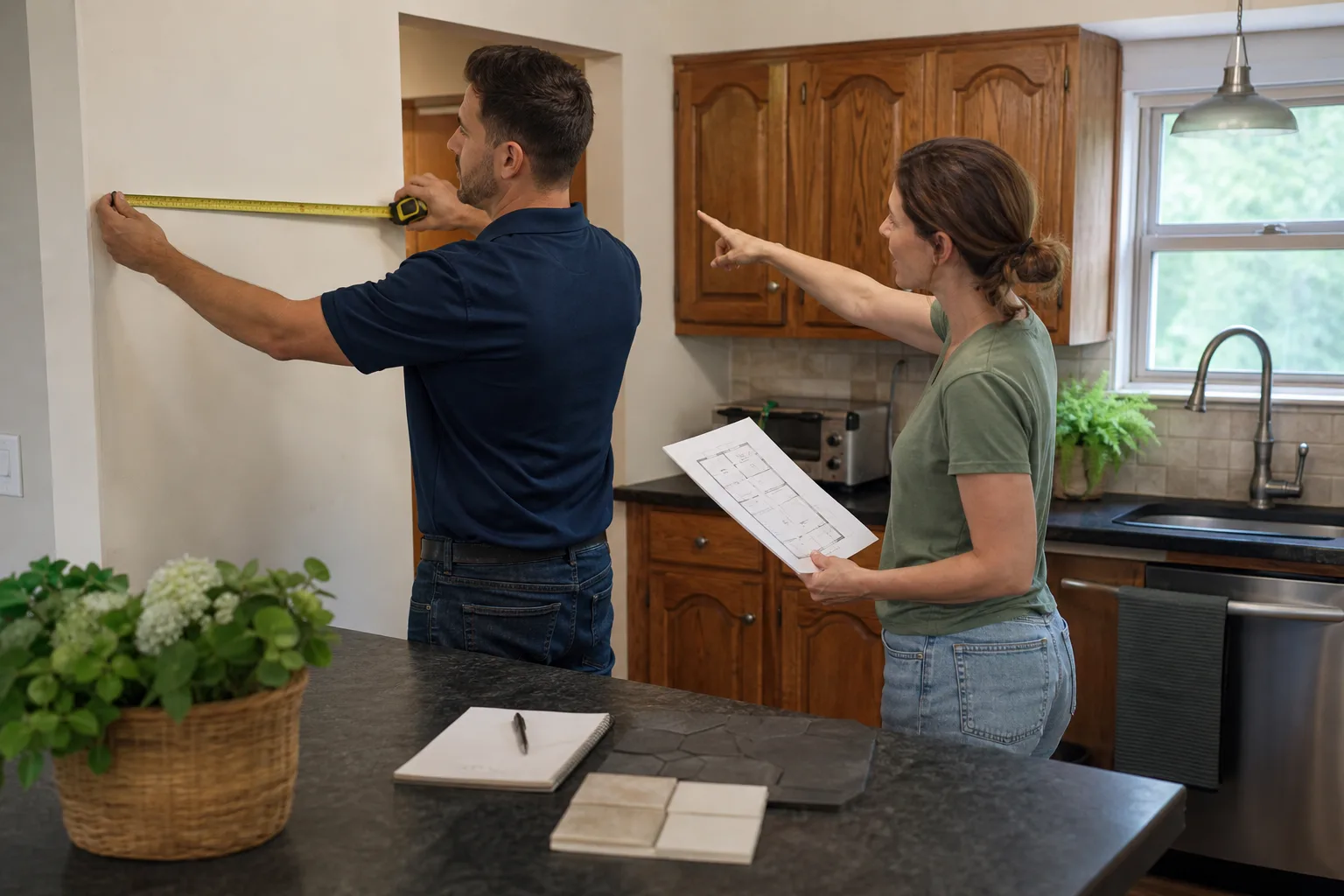
If the estimate says “demo included” with no testing line and no contingency, it’s not a real estimate – it’s a number that will move the moment the wall opens. Our approach is to build the demo scope in writing from the first call, and our Kitchen Remodeling in Pasadena page shows what that itemized demo line looks like on a real kitchen scope.
How Does HPO Review Add Cost to a Pasadena Project?
Pasadena has one of the more active historic preservation programs in the region, and any project that touches the exterior of a property in a designated historic district – or on the city’s historic register – can trigger Historic Preservation Overlay (HPO) review before a building permit is issued. That review adds weeks, not days, to a schedule. Depending on the district and the scope, expect 4 to 10 additional weeks between submittal and permit issuance.
Why does that time translate into money on your estimate? Because a contractor’s overhead is a fixed monthly cost – insurance, staff, yard, and crew continuity – whether or not a permit is moving. The longer the permit sits, the more of that overhead gets allocated across your project. A job that holds a framing crew idle for six weeks while a design review board meets has to carry that idle time somewhere.
How to protect yourself:
- Confirm upfront whether the property is in an HPO district (the city publishes the district map – ask the contractor to check).
- Ask whether the review timeline is built into the schedule with a stated calendar window, in writing.
- Ask what happens to the price if HPO review adds a review cycle. A fixed price should hold; a cost-plus contract generally won’t.
- For exterior work in a historic district (windows, siding, roofing profile), assume material choices may be constrained – Therma-Tru and James Hardie both make profiles that clear many HPO reviews, but the review board is the final word, not the manufacturer’s catalog.
For a whole-home scope with exterior work, our Bradford Remodeling Co Pasadena home page lays out how we sequence HPO-affected work alongside interior trades so the calendar doesn’t stall the whole project.
Fixed-Price Versus Cost-Plus: Which Contract Protects You in 2026?
In Pasadena’s current materials market, a fixed-price contract protects the homeowner better than a cost-plus arrangement. Full stop. Here’s why, and what each one actually commits to.
Fixed-price contract
The contractor commits to a written price for a defined scope before work begins. If lumber, cabinetry, or fixtures cost more than expected during the job, that’s the contractor’s problem, not yours – the number in your hand is the number you pay. The trade-off is that a fixed price assumes the scope is clear. If you add something mid-project (“while you’re in there, can we…”), that’s a documented change order at a written price, signed before the change is done.
Cost-plus contract
You pay the contractor’s actual material and labor cost plus an agreed markup (often 10 to 20 percent). It’s a common structure on complex renovation where the scope genuinely can’t be defined upfront. But in 2026, with material volatility in cabinetry, windows, and appliances, a cost-plus contract leaves the price risk on you. If KraftMaid or Cambria raises prices mid-project, you pay the difference with no cap.
What we write, and what we’d advise you to ask every contractor for:
- A written fixed price for a defined scope, signed before demo starts.
- An itemized change-order process – a written price for any change, signed before the change happens.
- An explicit contingency line so “surprise” interior conditions have a documented number, not an open checkbook.
- The guarantee in writing – what’s covered, for how long, and what the contractor will do if the work fails inside that window.
Every Bradford project gets a written price before work starts, and every completed project carries the 365-Day Done Right Promise – if the work fails inside that year, we come back and correct it at no charge. That’s the standard, in writing, before a tool comes out.
What Does a Kitchen Remodel Cost in Pasadena in 2026?
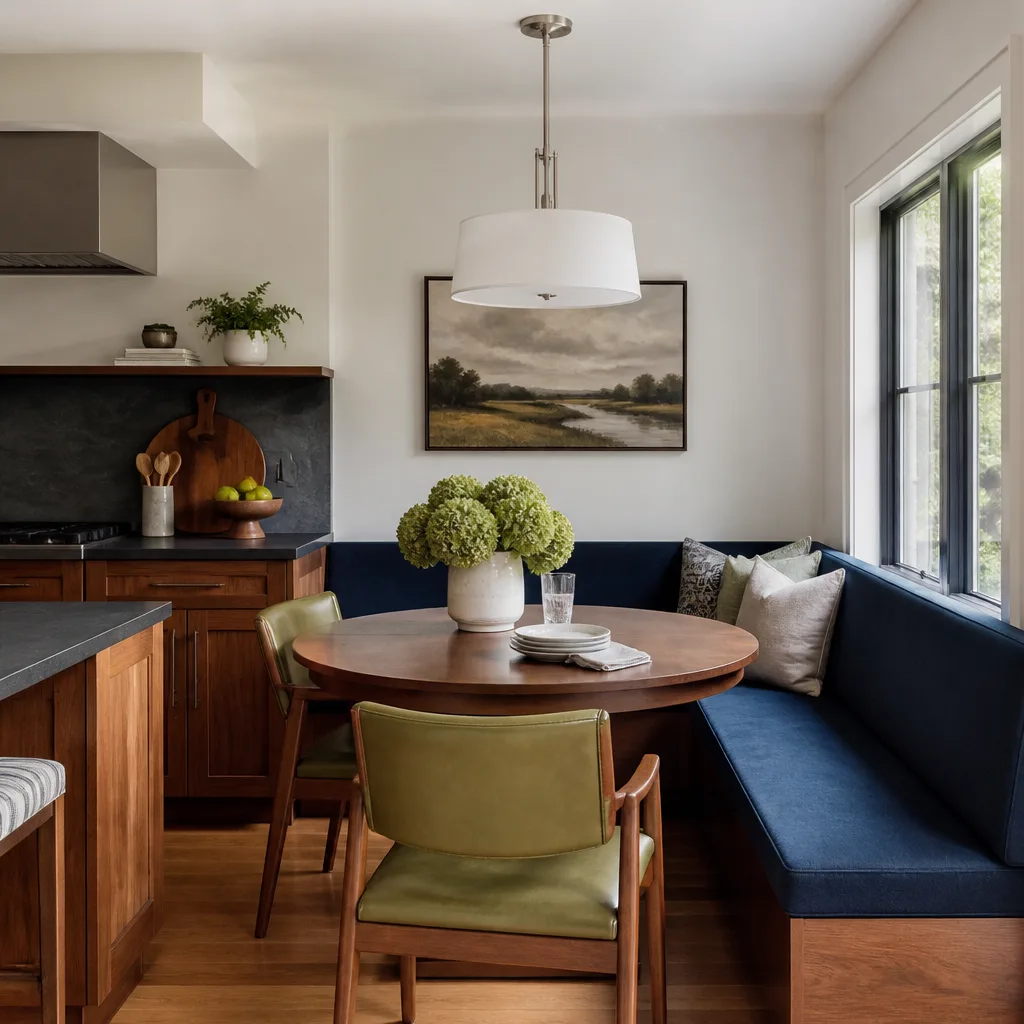
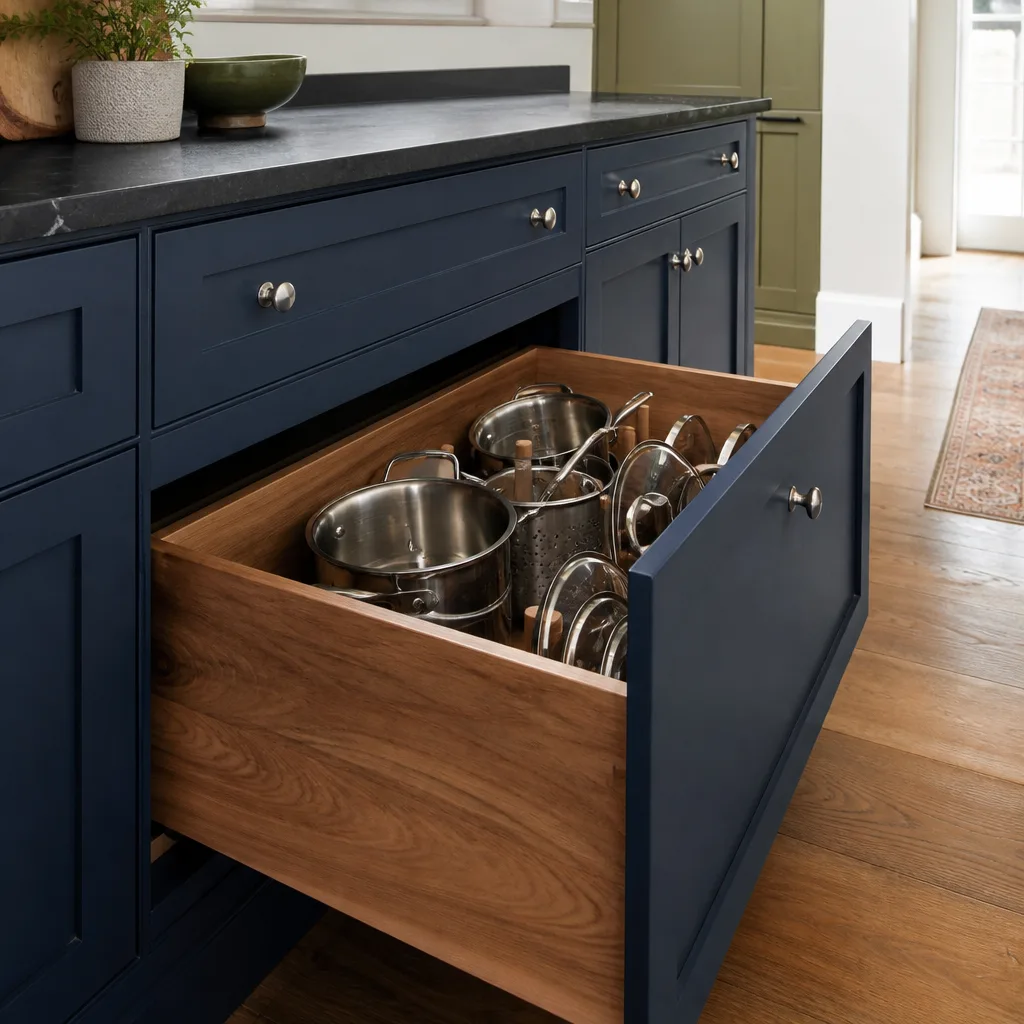
A Pasadena kitchen remodel in 2026 typically runs $65,000 to $120,000, with most of the range driven by whether walls move and how much of the original plumbing and electrical gets replaced. A cosmetic refresh – new cabinets, counters, and paint, no layout change – sits near the low end. A full gut with relocated plumbing and a new panel sits at the high end.
- Cosmetic refresh (cabinet reface or like-for-like replacement, counters, paint, fixtures): $35,000 to $60,000
- Mid-scope (new cabinets, counters, appliances, new electrical circuits, minor layout change): $65,000 to $90,000
- Full gut (walls opened, plumbing and electrical replaced, structural changes if needed): $90,000 to $120,000+
- Cabinetry, semi-custom like KraftMaid or Wellborn: $14,000 to $35,000 depending on linear feet and door style
- Countertops, quartz like Cambria or Caesarstone: $4,500 to $12,000 including fabrication and install
- Appliances and fixtures, name-brand like Kohler and Moen: $6,000 to $18,000
Two Pasadena-specific line items that show up here and not in national guides: knob-and-tube electrical remediation in pre-war homes (often $3,000 to $8,000 once the wall is open), and plumbing that was retrofitted in the 1960s with non-standard sizing that needs a partial re-pipe to bring the kitchen up to current code.
For a full itemized breakdown of what’s included at each scope tier, see our Kitchen Remodeling in Pasadena page.
What Does a Bathroom Remodel Cost in Pasadena in 2026?
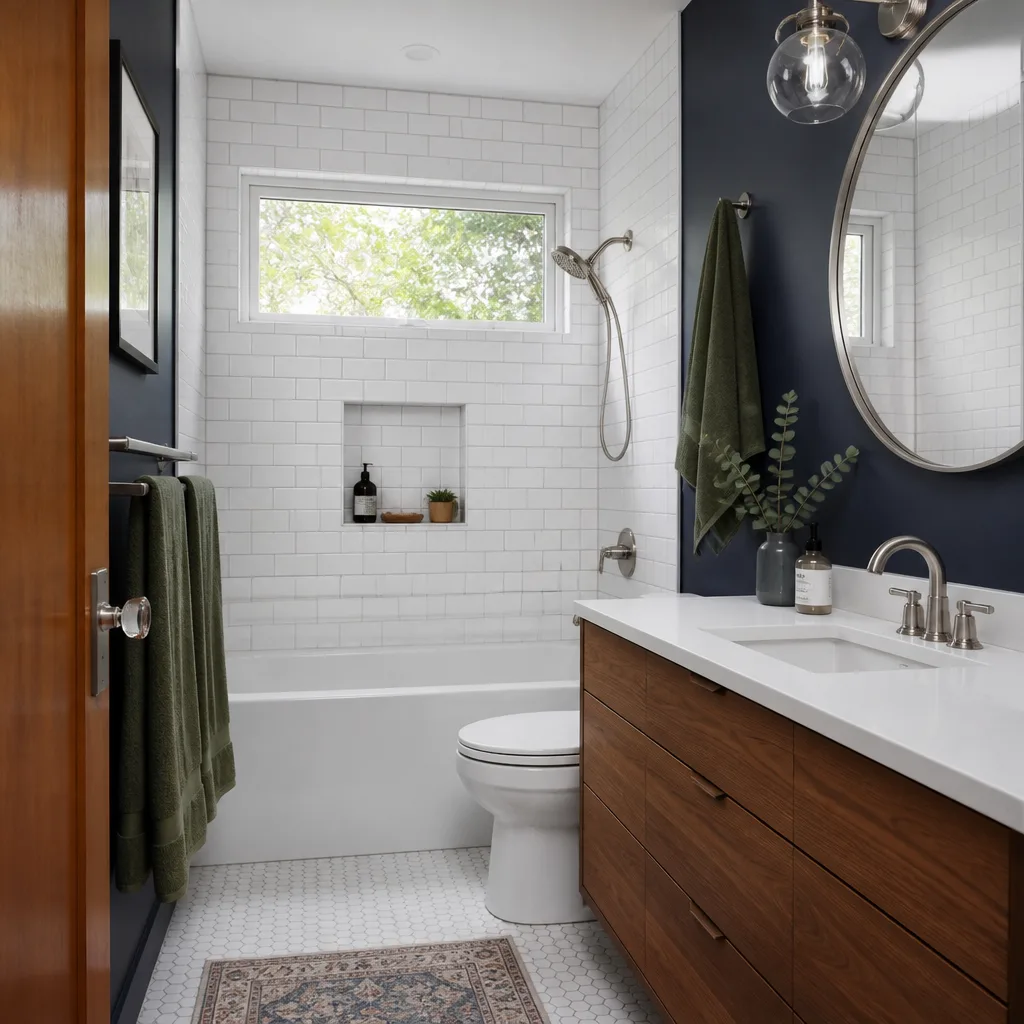
A Pasadena bathroom remodel in 2026 runs $22,000 to $45,000 for a full gut on a standard hall bath, and $45,000 to $80,000+ for a primary bath with relocated fixtures. The floor of that range is a like-for-like replacement at the same fixture locations; anything that moves a drain line or a supply line adds $4,000 to $10,000 in plumbing alone.
- Hall bath, like-for-like: $22,000 to $30,000
- Hall bath, layout change: $30,000 to $40,000
- Primary bath, full gut: $45,000 to $80,000+
- Tile work, quality install: $3,000 to $9,000 depending on square footage and pattern
- Fixtures, name-brand (Kohler, Moen): $1,800 to $6,500
The Pasadena-specific cost driver in bathrooms is waterproofing substrate. A pre-1970 house often has a mud-set shower pan that’s failing behind the tile; fixing it correctly means new substrate, membrane, and a flood test before tile goes down. That’s $2,500 to $5,000 that a “quick refresh” estimate often forgets. Our Bathroom Remodeling in Pasadena page walks through the waterproofing scope line by line.
What Does a Whole-Home Remodel or Addition Cost in Pasadena?
Whole-home remodels in Pasadena run $200 to $350 per square foot for a full interior scope, which translates to $350,000 to $1,050,000 on a typical 1,700 to 3,000 square foot home depending on how much is replaced and how much is preserved. Additions run higher – around $350 to $500 per square foot for conditioned living space – because every system has to be extended: foundation, framing, electrical service, plumbing, HVAC sizing, and roofing tie-in.
The three items in a Pasadena whole-home scope that most often blow budgets:
- Electrical service upgrade. Many pre-1960 Pasadena homes still run a 100-amp service. A whole-home remodel almost always needs 200-amp, and the mast, meter, and panel replacement typically runs $4,500 to $9,000.
- HVAC sizing for the addition. The added square footage changes the whole-house load calculation. If the existing system was marginal, the addition pushes it over, and a new system enters the budget at $12,000 to $22,000.
- Exterior work under HPO review. Siding (James Hardie offers profiles that clear many historic-district reviews), roofing, and windows must match district requirements. Material premiums for compliant profiles add $8,000 to $25,000 on a whole-home exterior scope.
For industrial or prefab-adjacent scope – garage conversions, accessory structures – Plant Prefab and Tuff Shed are options worth discussing with the contractor, both for permitting clarity and for predictable material costs. But a prefab structure still sits on a Pasadena foundation, needs Pasadena permits, and connects to Pasadena utilities, so the siting and permit work lands in the same local budget.
Common Mistakes to Avoid
- Anchoring to a national calculator. A Zillow or HomeAdvisor average is not a Pasadena number – it doesn’t include local permit fees, HPO review time, or pre-1980 abatement, and it will be wrong in both directions depending on the project. Use it as a floor, not an estimate.
- Skipping the asbestos and lead test to save $800. Testing before demo is a legal and safety requirement, and skipping it means the abatement cost lands later, at a premium, with no leverage on the number. If the estimate doesn’t include testing, ask why.
- Accepting a “demo included” line with no contingency. On any pre-1950 Pasadena house, interior surprises are the rule, not the exception. A 10 to 15 percent contingency is a documented line, not an upsell.
- Signing a cost-plus contract in 2026. With volatility in cabinetry, windows, and appliances, cost-plus puts the price risk on you. A fixed-price contract with a written change-order process protects the homeowner better.
- Taking the lowest bid without asking what’s missing. A bid $20,000 below the others isn’t a deal – it’s a bid with scope held back. Ask what’s in the written price and what isn’t, in writing.
- Not checking HPO district status before buying materials. A window or siding profile that isn’t district-compliant can be rejected at review, and the material cost is on you.
- Hiring without a written guarantee. “We stand behind our work” is a sentence, not a guarantee. Ask for the written terms – what’s covered, for how long, and what the contractor will do if it fails inside that window.
See the difference
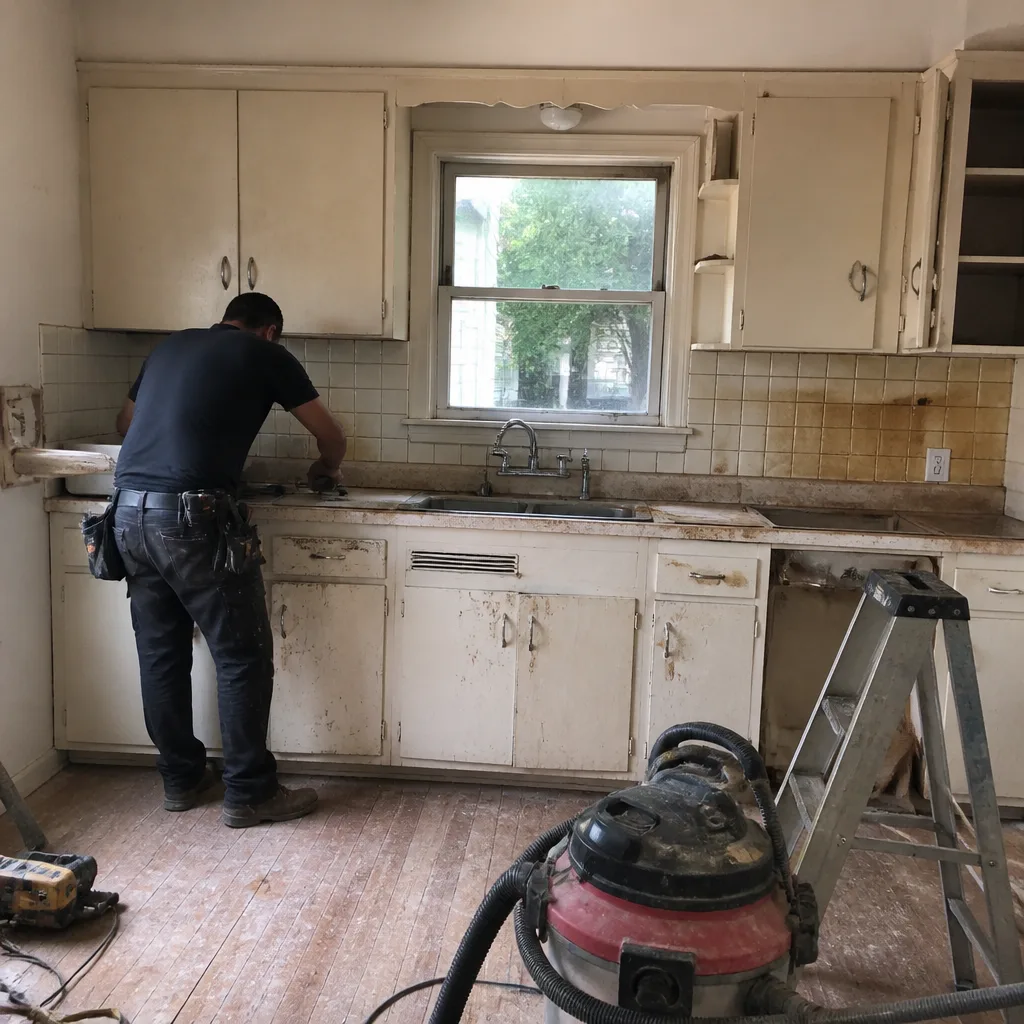 Before
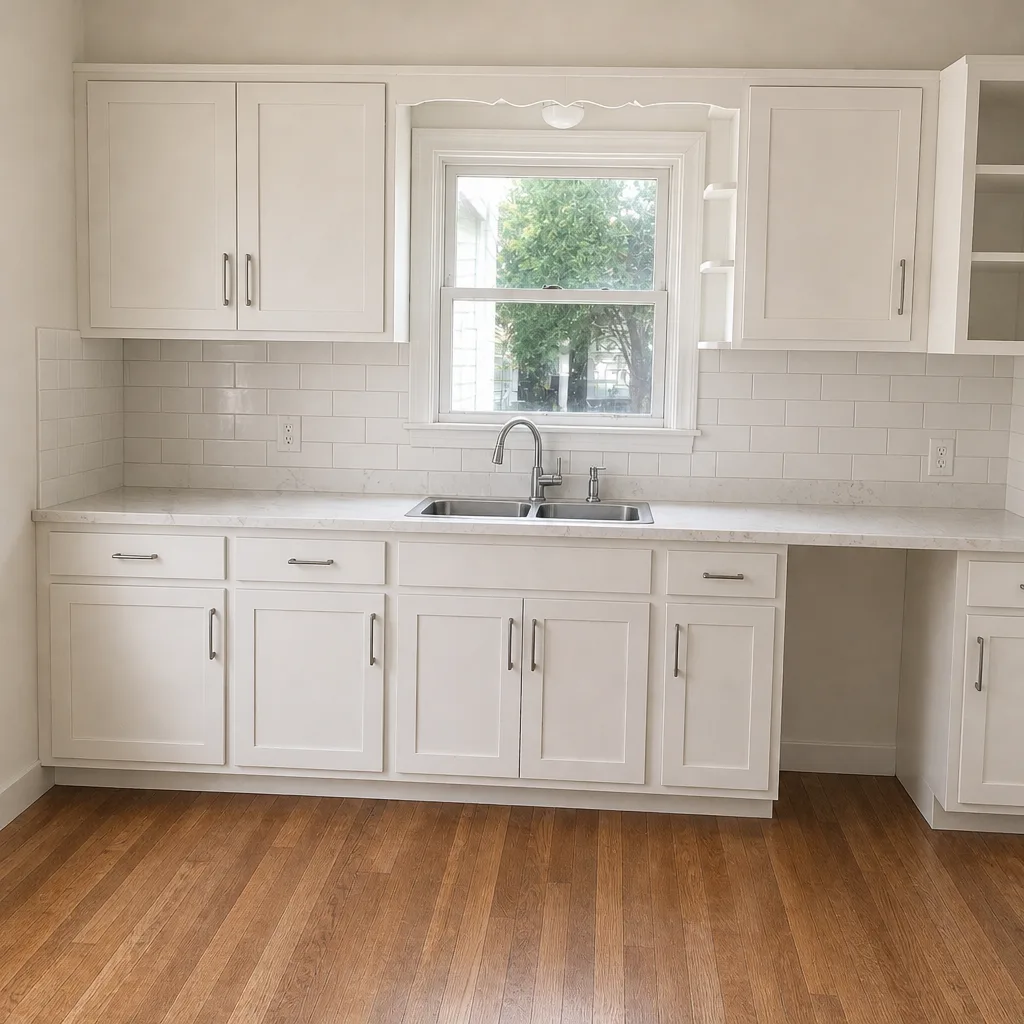 After
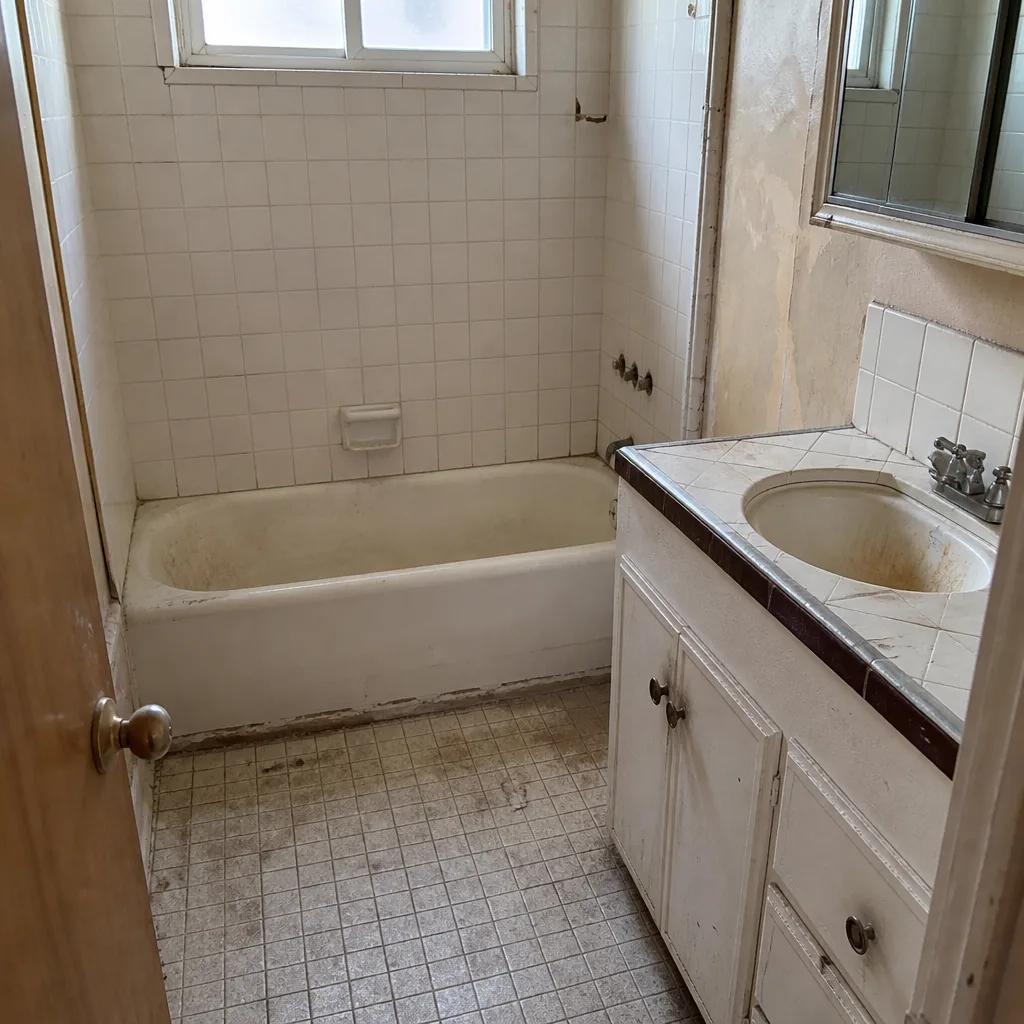 Before
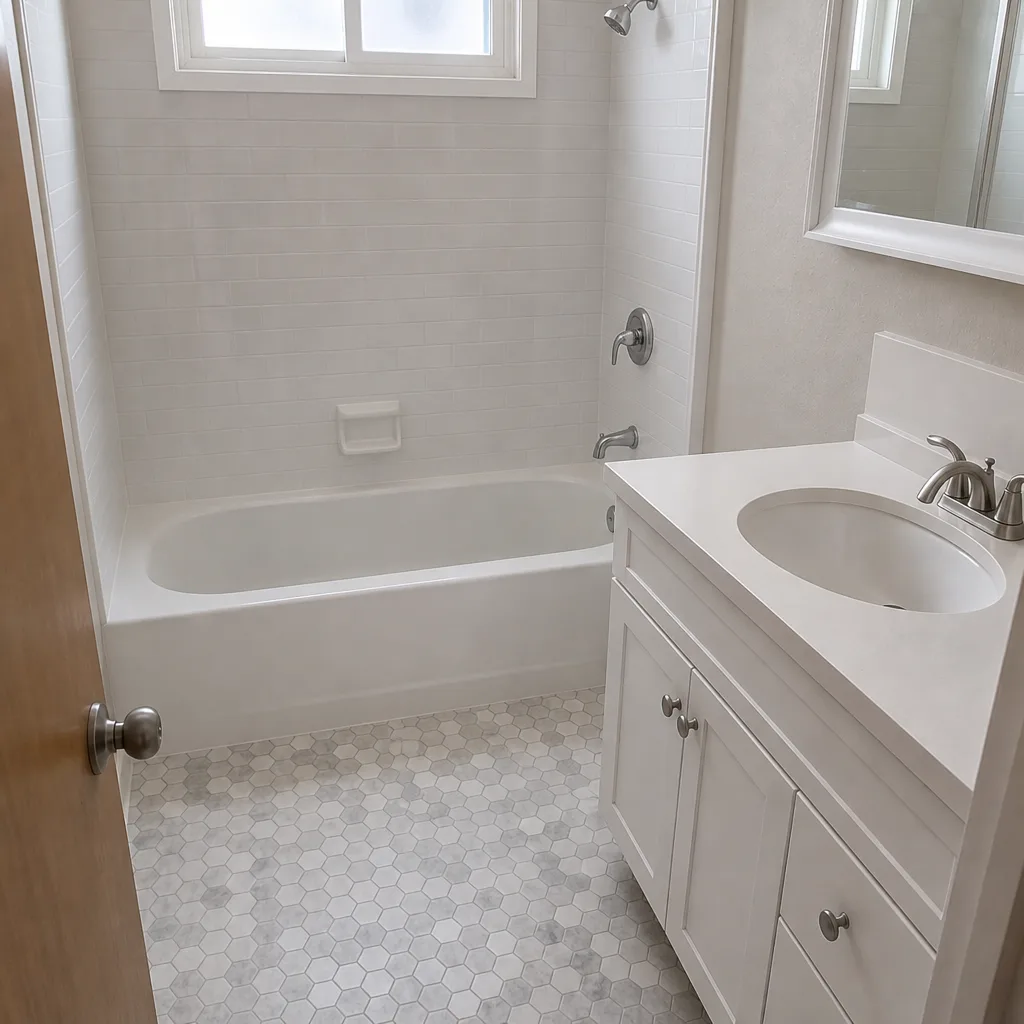 After
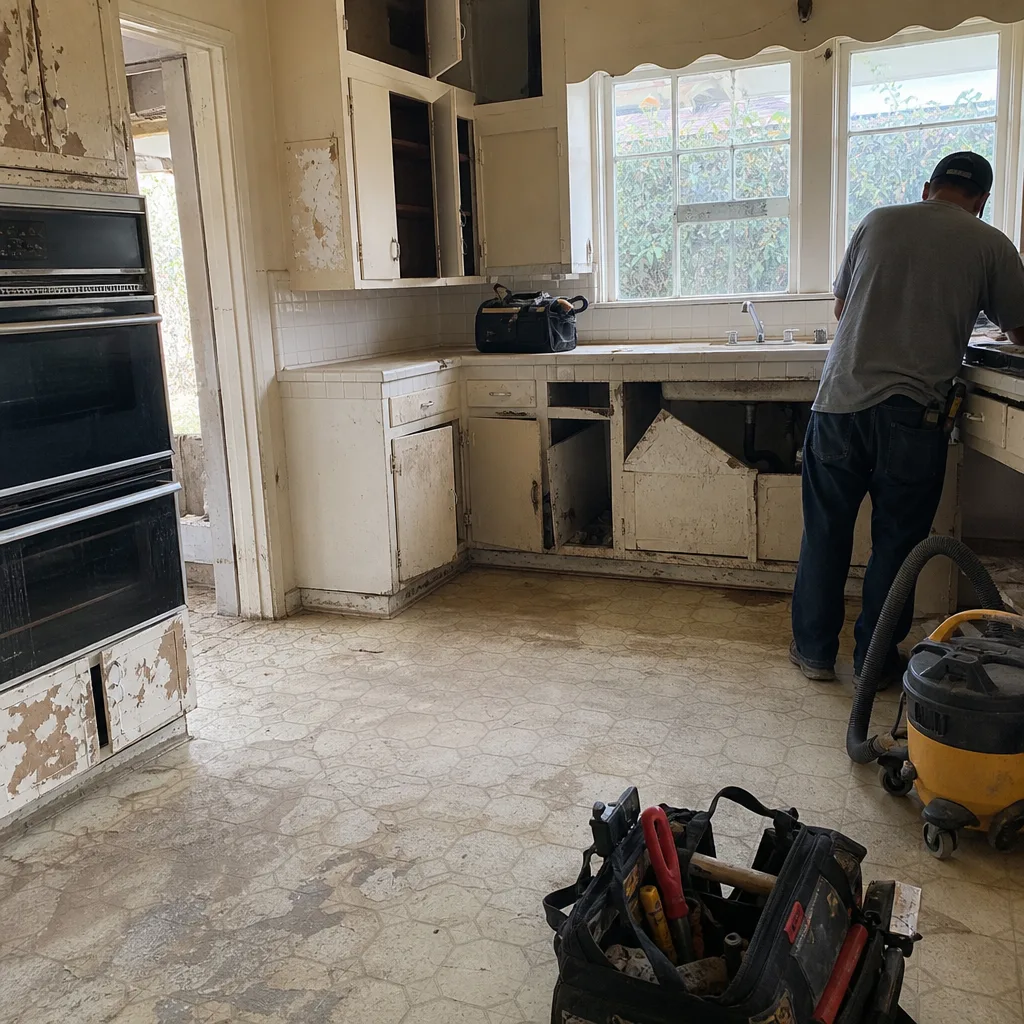 Before
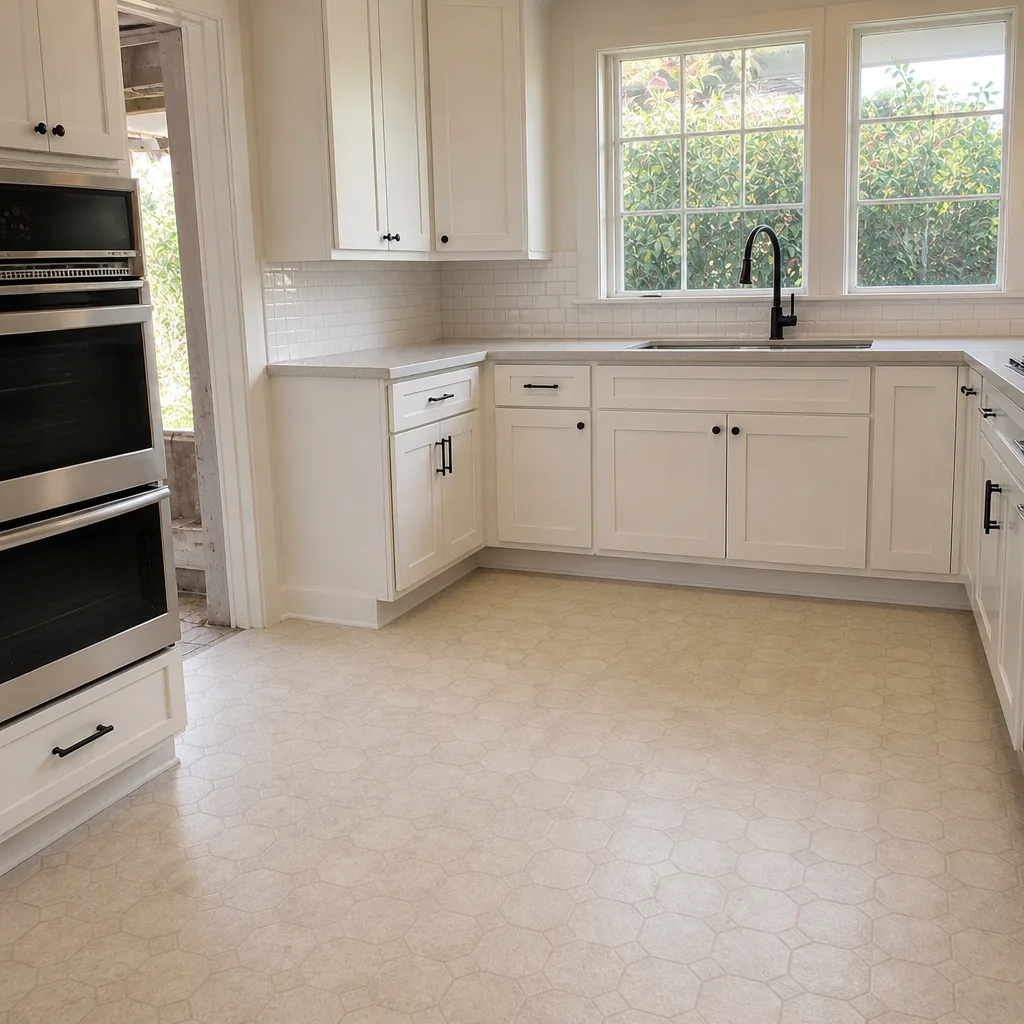 After
When to Call a Professional
Call a licensed contractor when the work involves anything structural, electrical, plumbing, or gas; when you’ll be opening walls or pulling permits; and when you’re not certain whether the property sits in an HPO district. Call when the estimate you’re holding doesn’t show the permit line, the demo scope, or the material brands by name – because a written price without those details isn’t a price, it’s a placeholder. Call when the work involves a pre-1980 home and no one has mentioned testing. And call when you need a second opinion on a number that feels off; a disciplined contractor will tell you why the number is what it is, line by line.
Bradford Remodeling Co Pasadena offers free estimates in Pasadena – call (888) 841-5410. Live person on the line, not a queue.
Frequently Asked Questions
Pasadena estimates run 10 to 20 percent above the LA County average because of three specific costs: higher permit and plan-check fees tied to older homes, HPO review timelines that add overhead to the schedule, and demolition and abatement costs driven by the deep pre-1980 housing stock. A national or county-average estimate doesn’t include any of those. Call (888) 841-5410 for a Pasadena-specific number – estimates are free.
A Pasadena kitchen remodel in 2026 runs $65,000 to $120,000 for typical scope, with cosmetic refreshes starting around $35,000 and full guts with relocated plumbing landing at $120,000 and above. The range depends on cabinet grade (semi-custom like KraftMaid and Wellborn sit in the middle), countertop material (Cambria and Caesarstone quartz run $4,500 to $12,000), and whether electrical and plumbing need remediation once the walls are open. Call (888) 841-5410 for a written fixed price on your kitchen.
Yes – any bathroom remodel that moves or replaces plumbing, electrical, or mechanical systems requires a permit in Pasadena, and the permit fee is based on declared project valuation. Cosmetic work like paint and flooring typically doesn’t require one, but anything behind the tile does. A written price should show the permit line separately. Call (888) 841-5410 and we’ll confirm what your project needs before we quote.
On a fixed-price contract with a written change-order process, the price does not move once the scope is signed. The only way the price changes is if you approve a written change to the scope – a documented change order at a written price, signed before the change happens. Bradford’s written price is fixed before demo starts, and every completed project carries the 365-Day Done Right Promise. Call (888) 841-5410 for a written price you can hold.
A bathroom remodel typically runs 4 to 8 weeks, a kitchen 8 to 14 weeks, and a whole-home remodel 5 to 9 months for a full interior scope. Add 4 to 10 weeks to any exterior scope that requires HPO review before the permit issues. The schedule should be written into the contract with calendar dates, not left open. Call (888) 841-5410 for a scheduled timeline before you sign anything.
Yes – we pull the permits on every project that requires them, and the permit fee appears as a separate line on the written price. The number shown is what the city will charge; if the actual fee comes in lower, that difference comes back to you. Call (888) 841-5410 to walk through your project’s permit requirements.
The Bottom Line
Pasadena construction costs in 2026 sit above the LA County average for reasons you can name: permit fees on older homes, HPO review timelines, and pre-1980 abatement and demo scope. A kitchen lands at $65,000 to $120,000, a bathroom at $22,000 to $45,000, a whole-home at $200 to $350 per square foot. The number that holds is the number built from local trade rates and actual permit fees, written before work starts, with a fixed price and a written change-order process. If a bid can’t show you the permit line, the demo scope, or the guarantee terms in writing, it isn’t a bid – it’s a starting point for a repricing. Ask for the written price. Ask what happens if the work fails inside the first year. Ask who’s coming through your door. Bradford Remodeling Co Pasadena answers all three before a tool comes out – background-checked, uniformed technicians on every job, live person on the phone any hour, and the 365-Day Done Right Promise in writing on every completed project.
Call Bradford Remodeling Co Pasadena at (888) 841-5410 for a free estimate. We give you the price range in dollars, the scope line by line, and the guarantee terms in writing – before demo starts. That’s The Garrison Standard, and it’s non-negotiable.
Written by the team at Bradford Remodeling Co Pasadena.