Last updated November 18, 2026
Free written scope consultation - allowances, timeline, and change-order rules on paper before a single trade is scheduled
The Complete Kitchen Remodeling Guide for Pasadena Homeowners
Most kitchen remodel guides start with cabinet styles and backsplash photos. That’s backwards. A kitchen is the only room in a house that routinely pulls plumbing, electrical, and mechanical work under the same roof – and in Pasadena, that means as many as four separate permit types with four separate inspection sign-offs that have to happen in a fixed order before a single sheet of drywall goes up. Skip that order and the job stalls. This guide walks the full remodel the way it actually has to happen, from counter-plot to closeout, with the code details and cost numbers Pasadena homeowners need before they sign anything.
Quick Answer
A complete kitchen remodel in Pasadena typically runs $65,000 to $140,000 for a mid-grade gut renovation of a 150 to 200 square foot kitchen, with the swing driven mostly by whether walls move and how much of the electrical and plumbing has to be brought up to current code. Timeline is usually 10 to 16 weeks start to finish, and the single biggest cause of overrun is uncontrolled inspection sequencing – drywall staged before rough-in sign-off means re-inspection fees and lost weeks.
Styles & brands we work with
- Kitchen remodeling
- Bathroom remodeling
- Home additions & ADU
- Roofing
- Windows & doors
- Driveway & pavers
- Fence
Table of Contents
- What Permits Does a Kitchen Remodel Need in Pasadena?
- The Non-Negotiable Inspection Sequence
- How to Spec Cabinetry Correctly
- Ventilation Code: CFM, Makeup Air, and Final Inspection
- What a Pasadena Kitchen Remodel Costs, Line by Line
- How a Written Fixed-Price Scope Prevents Overruns
- Common Mistakes to Avoid
- When to Call a Professional
What Permits Does a Kitchen Remodel Need in Pasadena?
A kitchen remodel in Pasadena needs a building permit for any scope beyond a cosmetic refresh, and often an electrical permit, a plumbing permit, and a mechanical permit for the range hood or new ventilation. Whether you go through full plan check or the quicker over-the-counter route depends entirely on scope.
Pasadena’s permit counter separates kitchen projects into two lanes:
- Over-the-counter (OTC) permits: same-location fixture swaps, like-for-like cabinet replacement, countertop replacement, and minor electrical or plumbing that doesn’t move a fixture. These are reviewed at the counter and issued quickly.
- Full plan check: anything that moves a sink, relocates the range, adds or removes a wall, changes a window or door opening, or reconfigures the electrical panel load. Plan check adds weeks to the front end and requires stamped drawings in most cases.
Here’s the part that catches people: a “cosmetic” remodel that moves one plumbing fixture – say, relocating the sink under a window – flips the whole project into plan check, because the drain and vent rough-in changes. We’ve watched homeowners in Pasadena’s Bungalow Heaven and Washington Square historic districts assume a light refresh and lose three weeks when the plan reviewer flagged a moved drain line. Know your scope before you walk into the permit counter. If you’re not sure which lane your project lands in, a general contractor in Pasadena can tell you in a single walkthrough.
The Non-Negotiable Inspection Sequence
Kitchen rough-in inspections must pass before drywall goes up, and they happen in a fixed order. The standard sequence in Pasadena runs roughly like this:
- Demolition and framing inspection: confirms structural changes, new framing, and any wall or header work are sound.
- Rough plumbing inspection: drain, waste, and vent lines and supply lines are pressure-tested with the walls still open.
- Rough electrical inspection: new circuits, box locations, and the panel tie-in are checked before closing.
- Rough mechanical inspection: the range hood duct run, vent termination, and makeup air provisions are verified.
- Insulation inspection: after the rough trades pass, wall and ceiling insulation is checked.
- Drywall: only after all of the above are signed off.
- Final inspection: after cabinets, counters, fixtures, and finishes are installed and energized.
The failure point is step six. If a crew hangs drywall before the electrical or mechanical rough-in is signed off, the inspector cannot see the work, and the job gets a correction notice. In Pasadena that usually means cutting open the wall again, re-exposing the rough-in, and paying a re-inspection fee on top of the lost days. It’s the most expensive scheduling error in the trade, and it’s entirely preventable – the inspector’s sign-off stamps exist for a reason. On our projects the drywall crew doesn’t get a green light until every rough-in signature is on the permit card.
How to Spec Cabinetry Correctly
The single most consequential cabinet decision – face-frame versus frameless construction – drives how precisely your countertop can be templated and how long you wait for it. Get this spec wrong and the countertop lead time and fit both suffer.
A quick translation of the two builds:
- Face-frame cabinets have a frame across the front of the cabinet box. They’re the traditional American build, forgiving on uneven walls, and common in Pasadena’s older homes where framing isn’t perfectly plumb. KraftMaid and Wellborn both build face-frame lines.
- Frameless (full-access) cabinets have no front frame, so the door covers the full box edge. That means slightly more interior storage and cleaner lines, but it demands straighter walls and cabinet-grade installation precision.
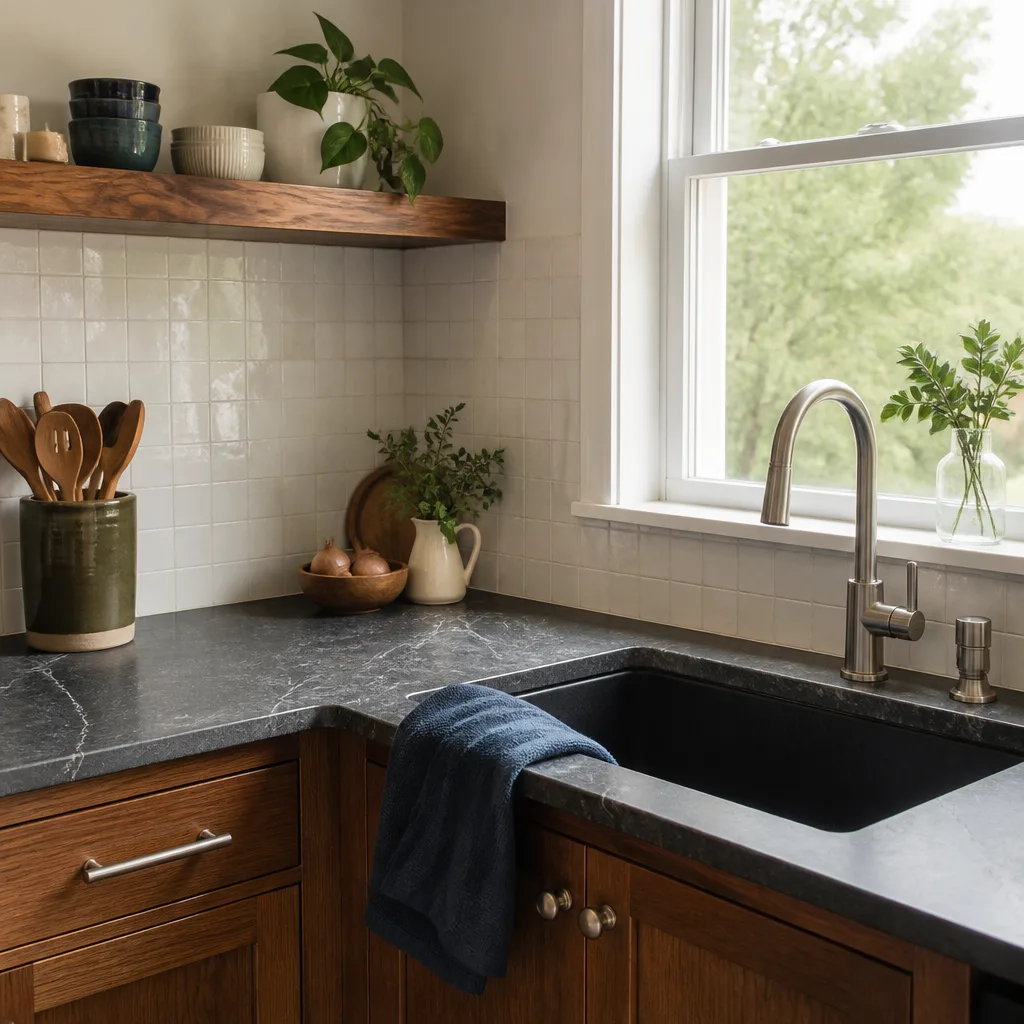
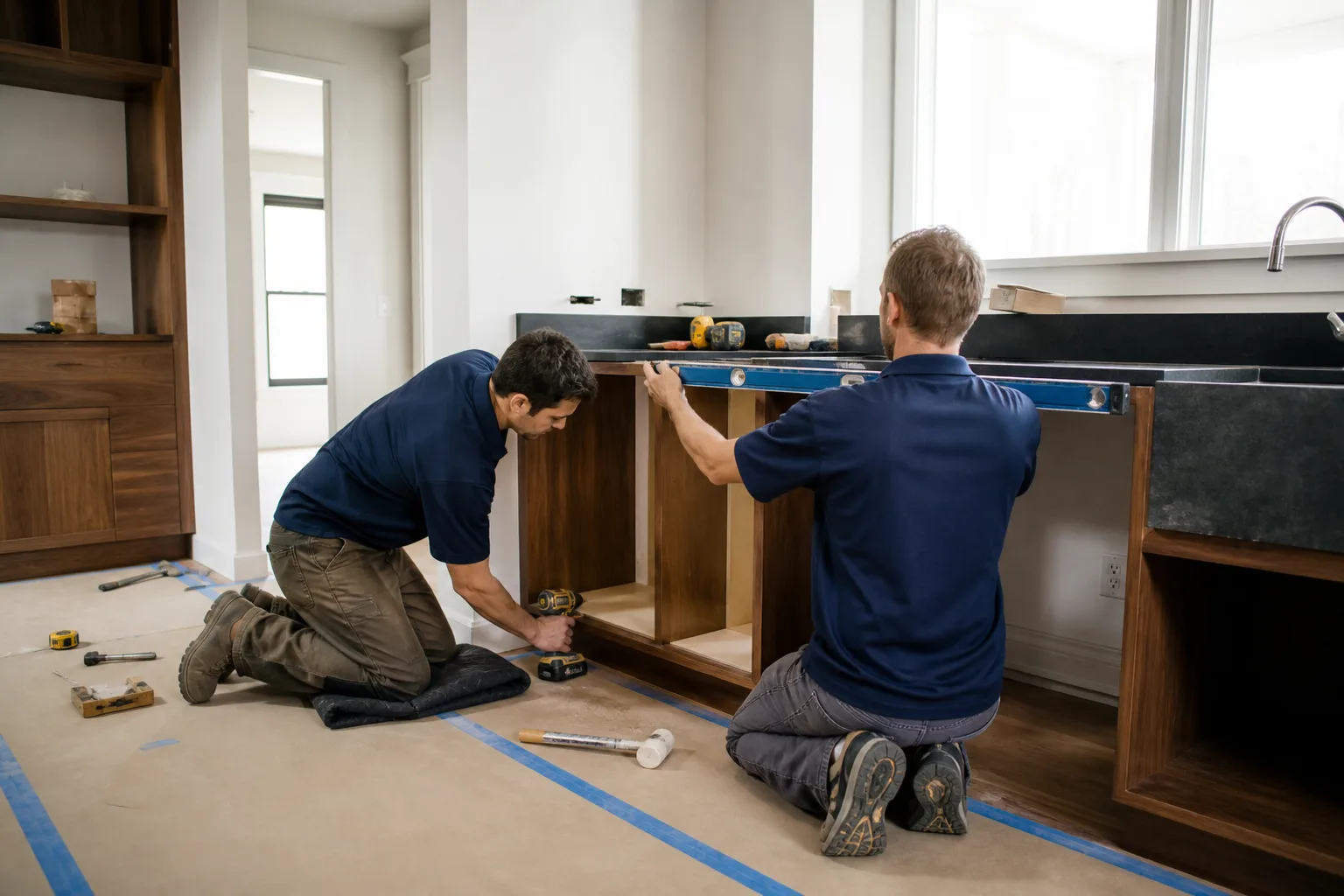
Here’s the connection most people miss: countertops are templated only after the cabinets are set, leveled, and shimmed. Cambria and Caesarstone slabs are cut from that template, so any cabinet that gets re-set after templating means a re-cut or, worse, a wasted slab. That’s an $1,800 to $4,500 exposure on a typical kitchen. We spec the cabinetry construction and confirm the countertop fabricator’s lead time together, before the order is placed, because a low cabinet tolerance and a high slab tolerance don’t marry. Our technicians have up to 22 years of experience reading those tolerances – and we put the cabinet brand, construction type, and countertop material on the written scope so there’s no dispute later about what was ordered. If cabinet selection is the part you’re stuck on, our kitchen remodeling in Pasadena team walks clients through it line by line.
Ventilation Code: CFM, Makeup Air, and Final Inspection
Range hood ventilation in California follows the state’s mechanical code, and Pasadena kitchen inspections check three things: the hood’s rated CFM, the duct run and termination, and whether makeup air is required. A hood that runs but wasn’t sized and ducted to code gets flagged at final.
The rules that actually get inspected:
- Ducted, not recirculating. Vent hoods on gas ranges must exhaust to the outdoors. Recirculating hoods don’t satisfy the code for a gas cooktop.
- Duct run and termination. Short, direct runs to an exterior wall or roof cap are what pass; long, kinked runs and terminations into an attic get corrected.
- Makeup air. High-CFM hoods require a makeup air provision so the house doesn’t depressurize and backdraft the water heater or furnace. The exact threshold that triggers makeup air is a code detail the plan reviewer confirms based on your hood and the rest of the mechanical system – assume a powerful hood means a makeup air conversation.
- Gas connection. The range gas line is a separate inspection item. Gas is not a DIY connection anywhere in the sequence.
From a safety standpoint, this is the section to leave to a professional. Gas line work, electrical panel tie-ins, and makeup air design all carry genuine risk if handled wrong, and none of them offer a beginner-friendly shortcut. What we’re describing here is what to check – not how to install it yourself. The duct, the termination, and the makeup air provision all have to be in place before the mechanical rough inspection, not after. A Pasadena home near the foothills with a tight, well-sealed envelope needs the makeup air sized carefully, because a house that seals tightly is more prone to depressurization, not less.
What a Pasadena Kitchen Remodel Costs, Line by Line
A full gut kitchen remodel in Pasadena starts around $65,000 and can exceed $140,000. The line-item ranges below reflect typical mid-grade scope – not builder-basic, not custom-luxury.
| Item | Typical Range |
|---|---|
| Demolition and haul-away | $2,500 – $5,000 |
| Design and permits | $3,000 – $9,000 |
| Cabinetry (KraftMaid / Wellborn tier) | $12,000 – $30,000 |
| Countertops (Cambria / Caesarstone) | $4,000 – $11,000 |
| Plumbing rough-in and fixtures (Kohler / Moen) | $4,000 – $9,000 |
| Electrical rough-in and fixtures | $4,500 – $10,000 |
| Ventilation and gas line | $2,000 – $6,000 |
| Flooring | $3,000 – $8,000 |
| Drywall, paint, and finish carpentry | $5,000 – $12,000 |
| Appliances | $4,000 – $15,000 |
Two Pasadena factors move those numbers. Older housing stock – a lot of the city was built between the 1910s and the 1950s – often carries out-of-date wiring and galvanized plumbing that has to be brought up to current code once the walls are open, which is a real line item, not a scare tactic. And in the hillside neighborhoods and historic districts, structural or historic-preservation review can add cost to any project that moves walls or changes exterior openings. We put every one of these lines into the written price before work begins, so a Pasadena homeowner knows the number and what it covers before demolition starts. If you’re also weighing a full bathroom alongside the kitchen, the same discipline applies to bathroom remodeling in Pasadena.
How a Written Fixed-Price Scope Prevents Overruns
The three most common kitchen cost overruns aren’t construction surprises – they’re pricing practices: allowance substitutions, change-order padding, and material-swap disputes. A written fixed-price scope closes all three before any work starts.
- Allowance substitutions. A vague “cabinet allowance” lets a low bid look affordable and then upgrade you mid-job. We name the cabinet brand and model tier in writing, so there’s no allowance to substitute against.
- Change-order padding. When the price isn’t fixed, every extra turns into a negotiation. Our written price is fixed before work begins – no numbers that move at the door.
- Material-swap disputes. “We couldn’t get the Kohler faucet, so we used something else” is a dispute you can’t win unless the fixture is specified. We put named brands – KraftMaid, Wellborn, Cambria, Caesarstone, Kohler, Moen – on the scope so the material is traceable to a manufacturer spec.
This is what The Garrison Standard actually means in a kitchen: the price, the brand, and the scope are written down before a single tool comes out. And every project we complete carries the 365-Day Done Right Promise – a full-year written guarantee: if the work fails within that window, we come back and correct it at no charge. The signed guarantee is in your hand at close, along with a clean site and a documented scope. That’s what squared away looks like.
Common Mistakes to Avoid
- Hanging drywall before rough-in sign-off. The most common and most expensive error. In Pasadena it triggers a correction notice and a re-inspection fee, and the wall comes back open.
- Moving one fixture without checking the permit lane. Relocating the sink or range quietly bumps a cosmetic job into full plan check. Confirm scope before you book the counter.
- Templating countertops before cabinets are leveled. Slabs are cut from the set cabinet; re-setting cabinets after templating wastes the slab.
- Buying a high-CFM hood without planning makeup air. A powerful hood needs a makeup air provision, and that has to be designed before mechanical rough-in, not discovered at final.
- Accepting an allowance instead of a specified brand. An “allowance” is a number that moves at the door. Demand the cabinet, countertop, and fixture brands in writing.
- Forgetting the gas line inspection. The range gas connection is its own inspection item and its own safety decision – it’s not a finish-stage afterthought.
- Assuming a century-old house is straight and true. In Pasadena’s older neighborhoods, out-of-plumb walls change the cabinet spec and can change the plan. Budget for what’s behind the wall.
When to Call a Professional
Call a professional the moment your kitchen scope involves moving a fixture, changing a wall, adding circuits, running or reconnecting gas, or upgrading ventilation. Those are the code-intersecting trades, and they have to be sequenced correctly and inspected in order to keep the project moving. If you’re weighing a full gut remodel versus a refresh, or you’ve been burned before by a crew that no-showed or repriced at the door, that’s the point to bring in a contractor who puts the price and the guarantee in writing. The Garrison Standard – written price before work begins, background-checked and uniformed technicians, and the 365-Day Done Right Promise – exists so you’re not gambling on a handshake. Bradford Remodeling Co Pasadena offers free estimates in Pasadena – call (888) 841-5410 to schedule yours.
See the difference
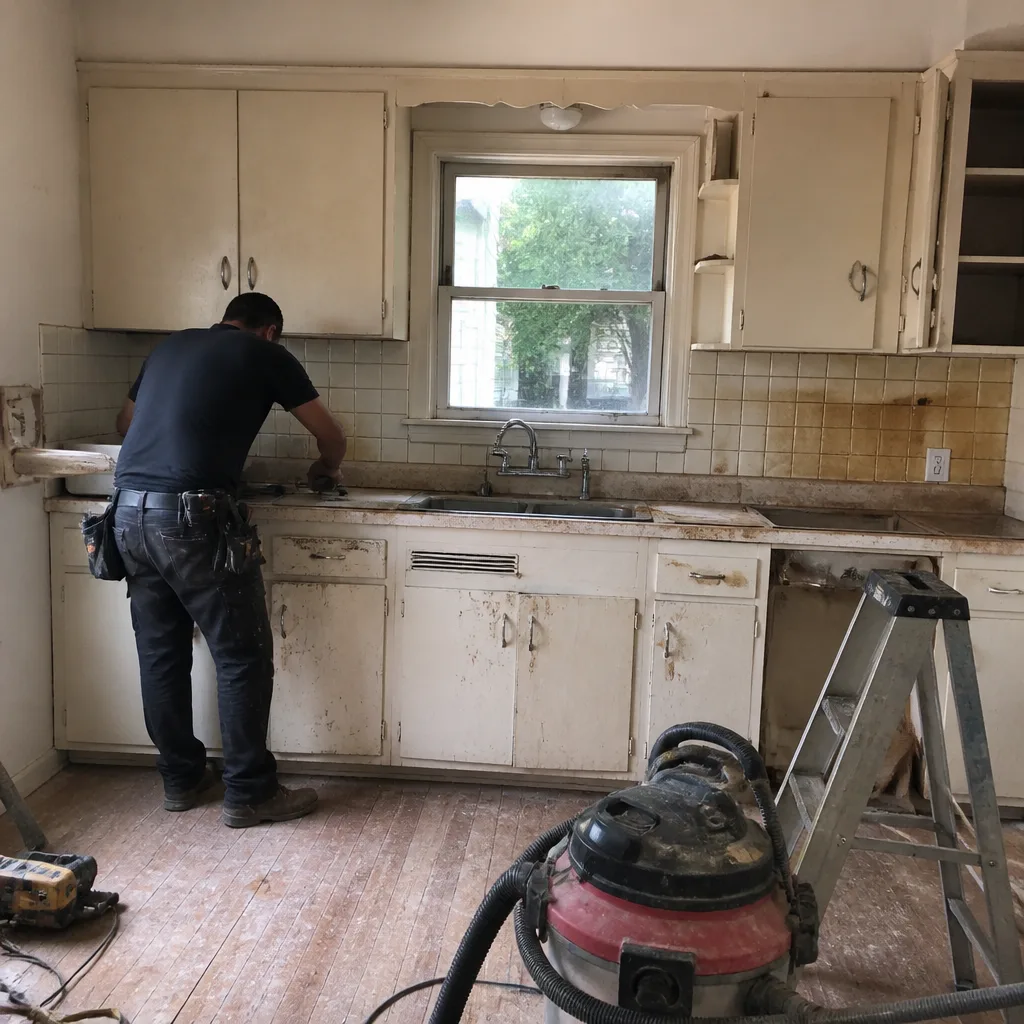 Before
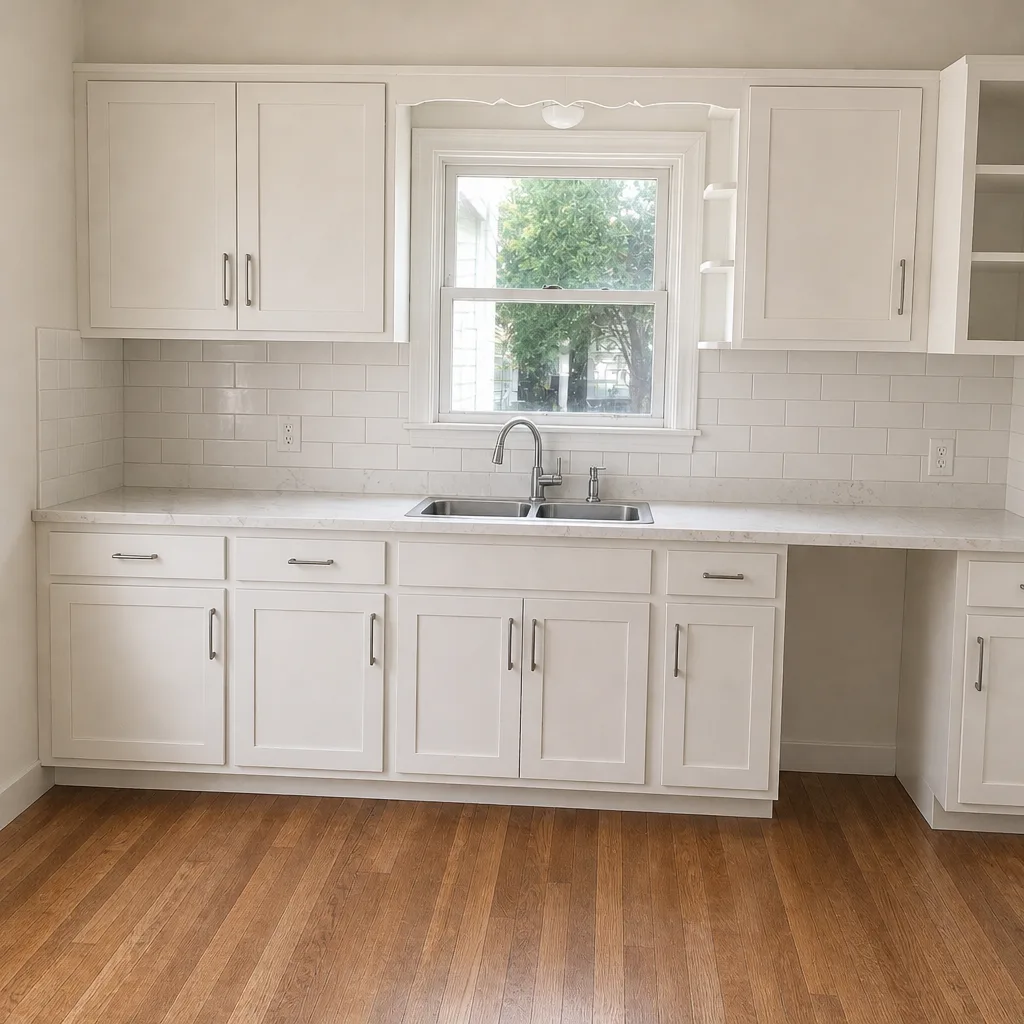 After
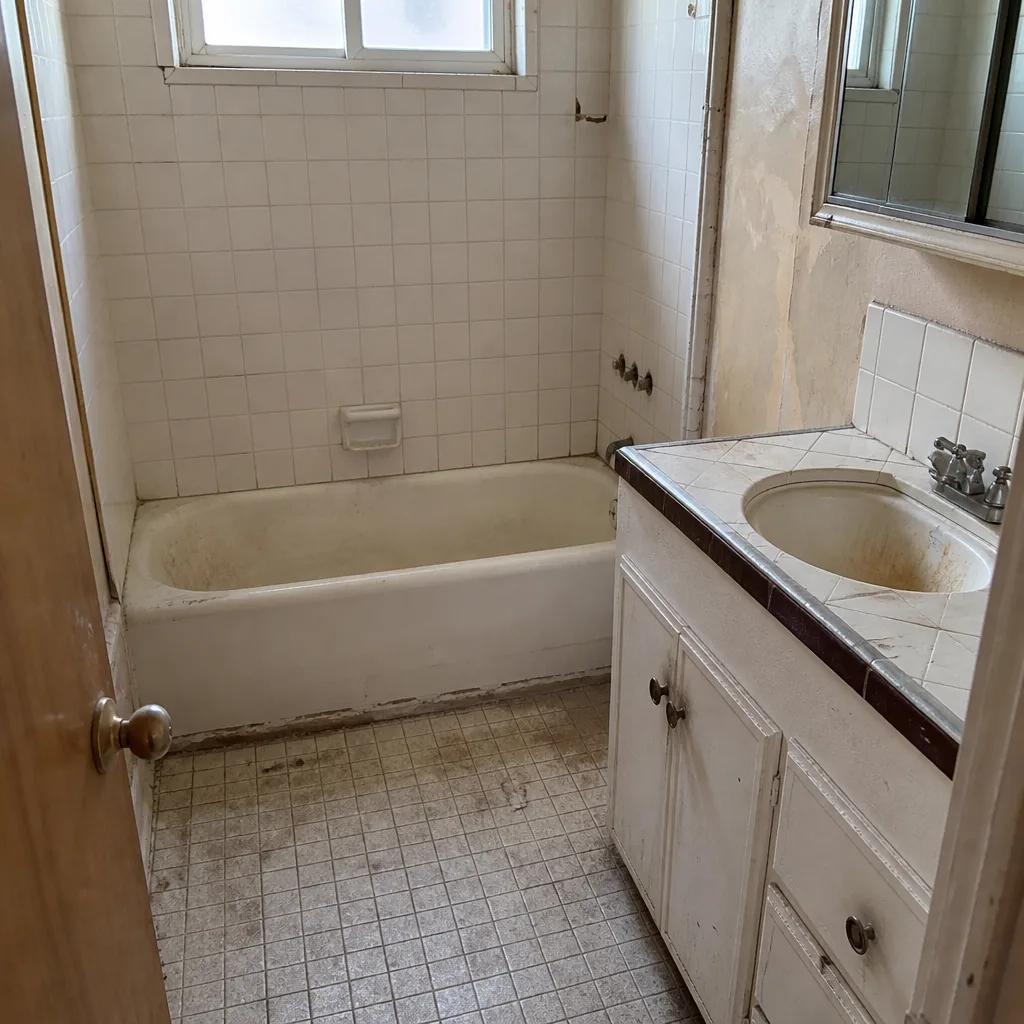 Before
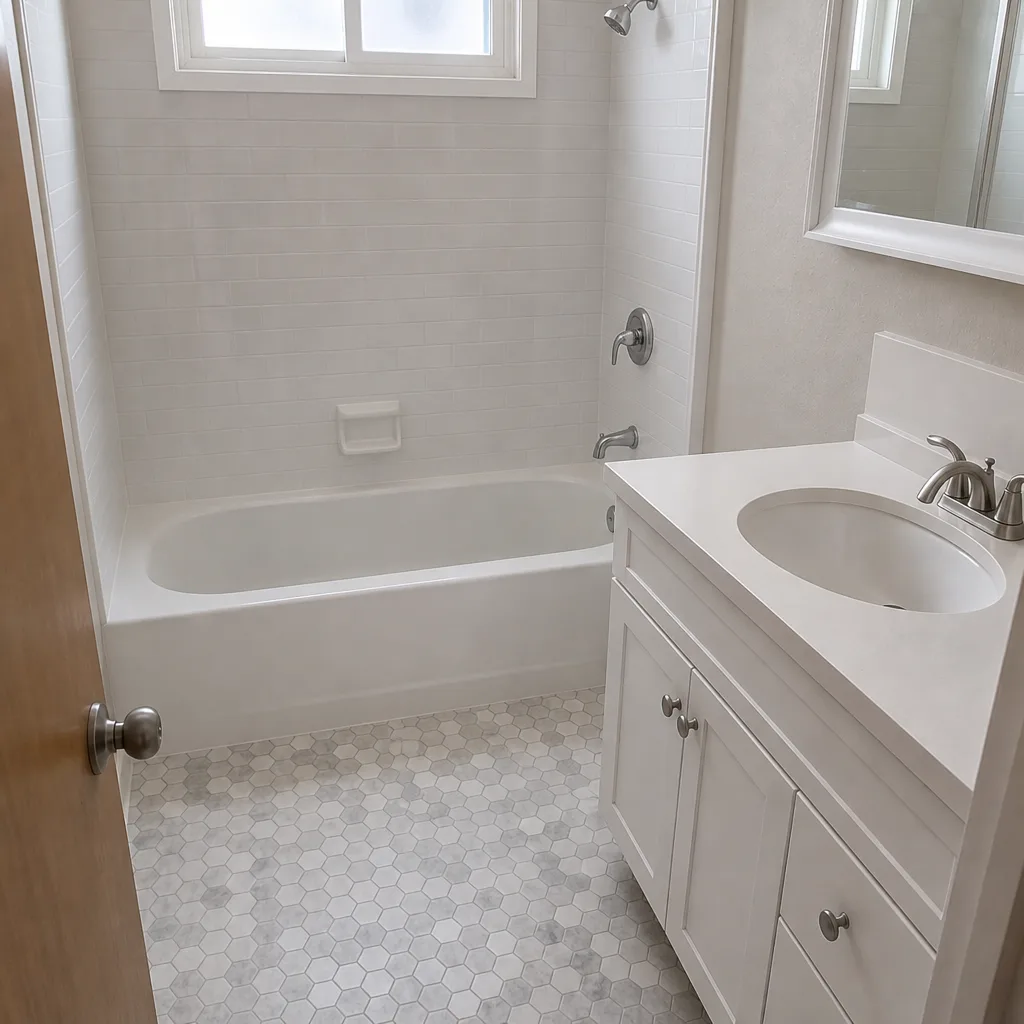 After
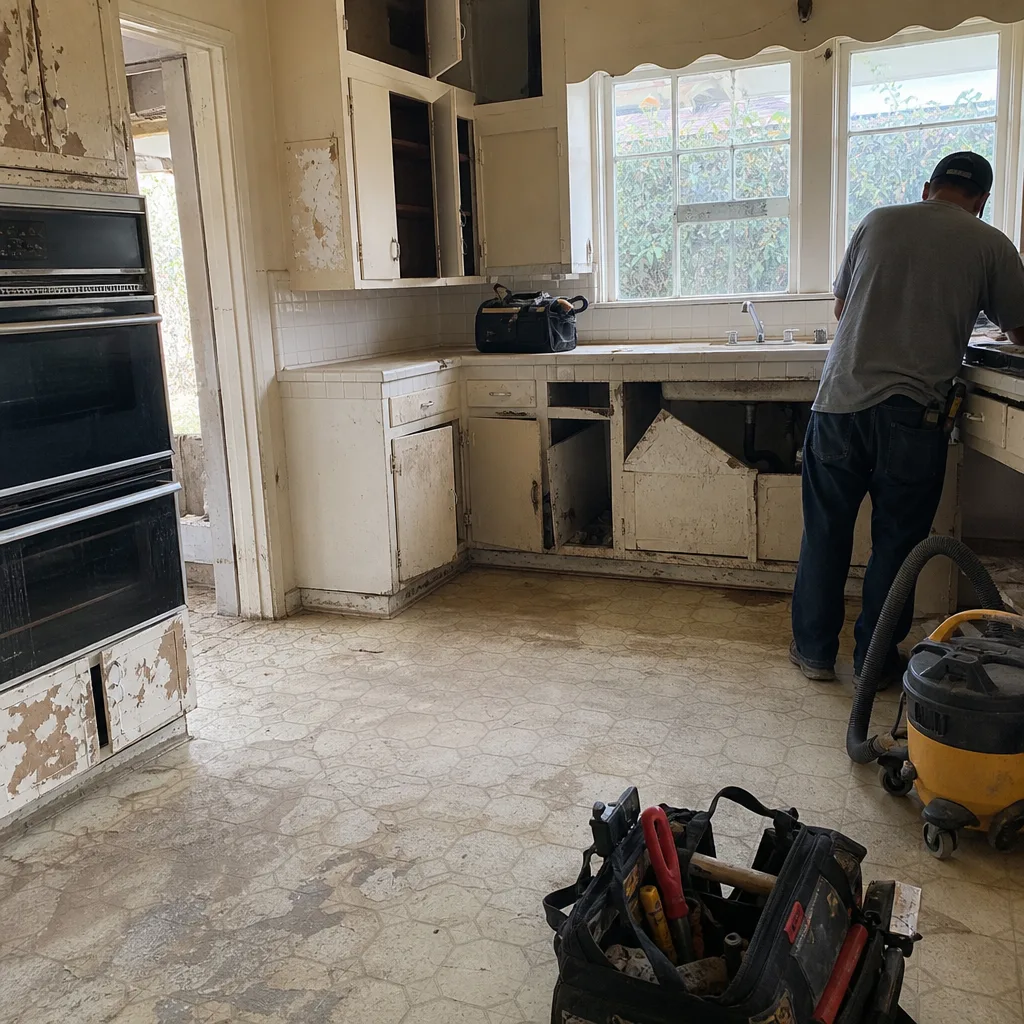 Before
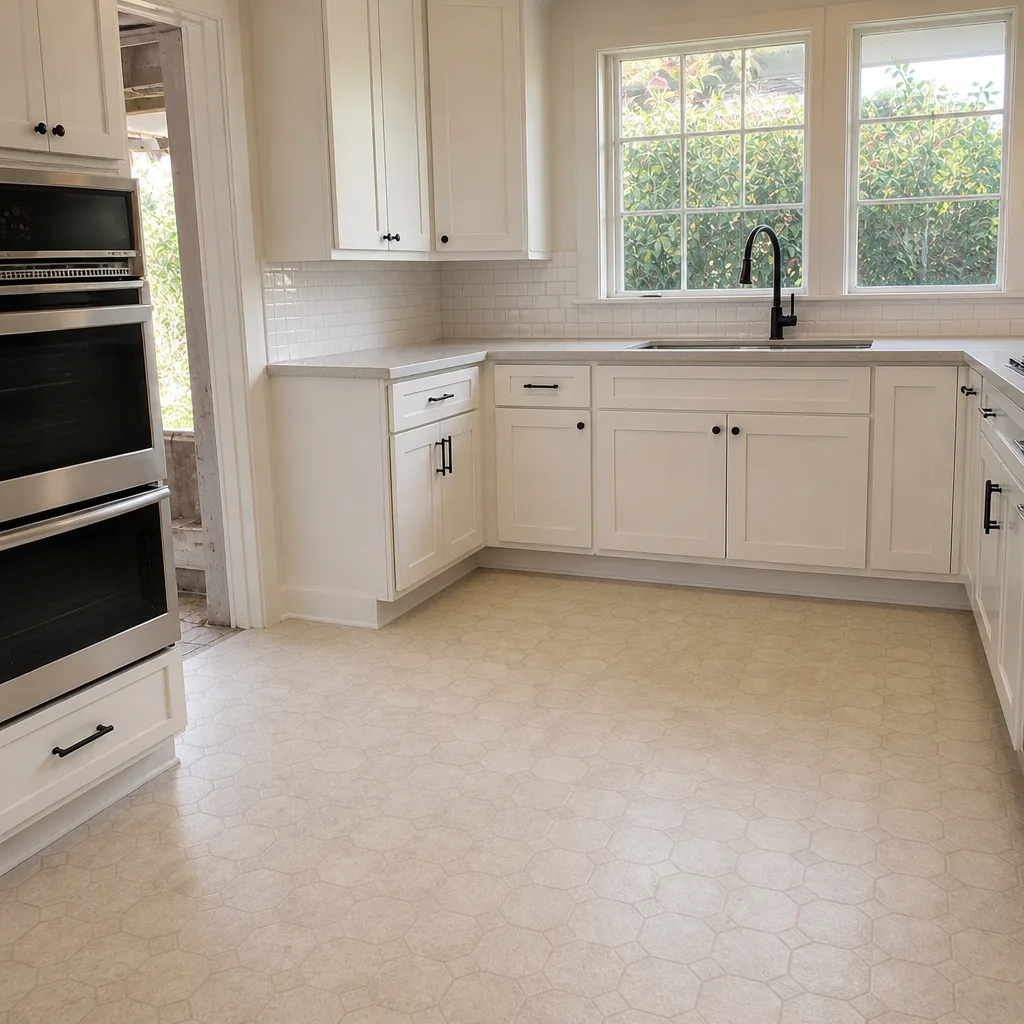 After
Frequently Asked Questions
A full mid-grade gut remodel in Pasadena usually runs $65,000 to $140,000 for a 150 to 200 square foot kitchen. The range widens if walls move or if older wiring and plumbing have to be brought up to code. Call (888) 841-5410 for an exact quote – estimates are free.
Yes, any scope beyond a cosmetic refresh needs a building permit, and often separate electrical, plumbing, and mechanical permits. Simple swaps can go over the counter, while moving a fixture, wall, or opening triggers full plan check. Call (888) 841-5410 with your scope and we’ll tell you which lane it lands in.
Most complete kitchen remodels take 10 to 16 weeks from start to closeout. Plan-check projects and older homes with hidden wiring or plumbing work sit at the longer end. Call (888) 841-5410 to schedule your free estimate.
No – with our written fixed-price scope, the price is fixed before work begins, with no numbers that move at the door. Cabinets, counters, and fixtures are specified by named brand, so there’s no allowance to substitute. Call (888) 841-5410 for a written line-item estimate.
It’s a full-year written guarantee on every completed project: if the work fails within that window, we come back and correct it at no charge. The signed guarantee is in your hand at close. Call (888) 841-5410 to schedule your free estimate and we’ll walk you through exactly what it covers.
Because range hoods on gas cooktops must exhaust outdoors, and high-CFM hoods trigger a makeup air requirement under the state mechanical code. A hood that isn’t ducted and sized to code gets flagged at final inspection. Call (888) 841-5410 – we plan the ventilation into the rough-in, not after.
The Bottom Line
A Pasadena kitchen remodel succeeds or fails on two things: controlling the permit and inspection sequence, and fixing the price and scope in writing before demolition. The trades work in a set order – framing, rough plumbing, rough electrical, rough mechanical, insulation, drywall, final – and skipping ahead costs time and money at re-inspection. Spec your cabinets and counters together, plan ventilation and makeup air early, and name every material in the written scope. Our technicians bring up to 22 years of experience to that discipline, and every project closes with a clean site, a documented scope, and a signed 365-Day Done Right Promise. If you’re ready to square away your kitchen, start at the Bradford Remodeling Co Pasadena home page or call for a free estimate.
Ready to get a written price before any work starts? Call (888) 841-5410 to schedule your free estimate with Bradford Remodeling Co Pasadena. A live person answers 24/7, and we’ll walk your scope, your permit lane, and your inspection sequence in plain terms.
Written by the team at Bradford Remodeling Co Pasadena.