Last updated November 18, 2026





Free written scope consultation - allowances, timeline, and change-order rules on paper before a single trade is scheduled
General Contractor Maintenance Checklist for Pasadena Homeowners
A cracked stucco line on a 1928 Craftsman isn’t a cosmetic issue. It’s often the first visible sign that the wire lath behind it has been holding moisture against the sheathing for years. By the time it looks bad, the repair scope has tripled – and the owner is looking at framing work instead of a patch and paint.
That’s the trap with generic maintenance advice. It tells you to “check for cracks” and “clean your gutters” without explaining what you’re actually looking at. This checklist is built differently: it focuses on the specific failure points of Pasadena’s housing stock – aging stucco over wood lath, cast-iron drain lines, unreinforced masonry chimneys, and the stress the Santa Ana wind cycle puts on rooflines and attic ventilation. Read it once a year and you’ll catch most of these problems while they’re still small.
Quick Answer
The highest-value maintenance walkthrough for a Pasadena home covers four systems: stucco and its wire-lath substrate, the roof and attic ventilation, drain lines (cast iron in pre-1970s homes), and any unreinforced masonry chimney. Inspect stucco and roof twice a year – once before the Santa Ana season in fall and once after the winter rains – and get a camera inspection on cast-iron drains before you buy or remodel. Document everything in a written job log, because a paper trail makes any future contractor handoff faster and cheaper.
Styles & brands we work with
- Kitchen remodeling
- Bathroom remodeling
- Home additions & ADU
- Roofing
- Windows & doors
- Driveway & pavers
- Fence
Table of Contents
- 1. Stucco Inspection: Reading Hairline Cracks vs. Step Cracks
- 2. Cast-Iron vs. ABS Drain Lines: When Camera Inspection Is Worth It
- 3. Roofline and Attic Ventilation Checks Timed to the Santa Ana Season
- 4. Unreinforced Masonry Chimneys: The Indicators to Know
- 5. Written Documentation: What a Real Job Log Contains
- 6. The Pasadena Seasonal Calendar
- Common Mistakes to Avoid
- Frequently Asked Questions
1. Stucco Inspection: Reading Hairline Cracks vs. Step Cracks
Most of Pasadena’s pre-war housing – the Craftsmans, the Spanish Colonials, the bungalows around Bungalow Heaven and Orange Heights – is stucco over wood lath or, in homes from the 1930s on, wire lath. That’s a three-layer sandwich: framing, a moisture barrier, then lath, then the stucco coat. When water gets behind the stucco, it sits against the sheathing. The stucco face can look almost fine while the framing behind it is soft.
So “check for cracks” isn’t useful advice on its own. What matters is which crack you’re looking at. Here’s how we read them:
- Hairline cracks (under 1/16 inch, no offset, running randomly): usually normal curing and thermal movement, especially on south- and west-facing walls that take the afternoon sun. Monitor, don’t panic.
- Map cracking (a web of fine cracks across a broad area): often a sign of a stucco mix that cured too fast, or repeated wet-dry cycles. Worth a probe test at the edge of the pattern.
- Step cracks at corners of windows and doors: these are the important ones. A step crack following the diagonal from a window corner usually means movement at the opening – settlement, a failing header, or water swelling the wood behind the lath. This is not cosmetic.
- Horizontal cracks along a control joint or floor line: could be lath corrosion. In older homes with galvanized or wire lath, moisture plus the alkaline stucco environment eats the metal. When the lath goes, the stucco loses its grip and can delaminate.
Probe test: tap the stucco with the handle of a screwdriver. Solid stucco gives a tight ring; hollow or dull thuds mean the coat has separated from the lath, and moisture is likely behind it. Mark the hollow spots with chalk and check them again after the rainy season. If they spread, it’s time for a real inspection.
2. Cast-Iron vs. ABS Drain Lines: When Camera Inspection Is Worth It
If your Pasadena home was built before roughly 1975, there’s a decent chance your main drain line is cast iron. Cast iron is durable – it’s been doing its job for decades – but it rusts from the inside out. The walls thin, the pipe loses its smooth bore, and eventually you get a slow drain that no amount of plunging fixes. That’s often the first warning sign, and by the time it appears the pipe is usually near failure.
ABS plastic, which replaced cast iron in most construction from the late 1970s onward, doesn’t rust. It can crack at joints or sag if it wasn’t properly supported. It also doesn’t like hot water above its rating.
When is a camera inspection worth it? Our rule of thumb:
- Before you buy an older home. A $250-$400 camera inspection on the main line can save you a $6,000-$12,000 sewer replacement after closing. Every pre-1975 home we work on gets one.
- Before a kitchen or bathroom remodel. If the drain lines under your slab or in your walls are cast iron, it’s far cheaper to replace them while the walls are open than after the new tile is in.
- After two slow-drain events in a year. One slow drain is a clog. Two slow drains in the same line is a pipe problem, and you want to see it, not guess at it.
- If you smell sewer gas in the yard or at a cleanout. That’s a broken line or a failed joint, and a camera will show you exactly where it is.
What does a cast-iron sewer replacement cost in Pasadena? Roughly $4,000-$9,000 for a typical single-family line, depending on depth, length, and whether concrete has to be cut. That’s a range worth knowing before a contractor hands you a number.
3. Roofline and Attic Ventilation Checks Timed to the Santa Ana Season
Santa Ana winds are dry, hot, and fast – often 40-70 mph in the passes above Pasadena, and gusting higher along the foothills. They arrive in fall and again in winter, which is exactly when most roof failures happen. A shingle that’s been slightly lifted for months can peel off entirely in a single Santa Ana night.
The bigger and less obvious problem is attic heat. In a poorly ventilated attic, summer temperatures can reach 150°F or more. The sheathing dries and cups; the rafters check and split; a hot roof deck behaves like a slow-bake oven that ages everything underneath it faster. Santa Ana winds push that hot air around and accelerate the cycle, especially on the western and southern roof slopes that take the most sun.
What to check, and when:
- Two months before the Santa Ana season (late August/early September): get up in the attic with a flashlight. Look for daylight at the ridge line, at gable vents, and at soffit vents. Any daylight that isn’t supposed to be there is a leak path.
- Look for rust on the rafters. Rust on the underside of roof framing means condensation, and condensation means the attic isn’t breathing.
- Check the soffit vents. On many Pasadena homes, the soffit has been painted over or insulated on top of. Soffit vents feed the attic; if they’re blocked, the ridge vent has nothing to pull. Clear them.
- Measure attic temperature in summer. A cheap thermometer on a nail tells you a lot. If your attic is within 15-20°F of the outdoor temp at the peak of the day, ventilation is working. If it’s 40°F hotter, it isn’t.
- After the first Santa Ana event: walk the yard and look for shingle tabs. A single tab could have blown off; a dozen means the roof had already failed somewhere and you need to look closer.
Our experience with roof work in Pasadena is that the real failures happen quietly, not dramatically. A roof that’s vented properly and inspected twice a year will typically give 20-25 years of service; one that roasts in a hot, unvented attic can fail in 12.
4. Unreinforced Masonry Chimneys: The Indicators to Know
Pasadena has a lot of unreinforced masonry (URM) chimneys – brick or stone laid without steel reinforcement. They’re common on homes from the 1920s through the 1950s, which is most of the bungalows and Spanish Colonials in the city. URM chimneys are the single most common cause of earthquake damage to older homes, because the top-heavy mass of a brick chimney sitting on a wood-framed roof works against it during any lateral movement.
You’re not going to fully evaluate a URM chimney yourself – that’s a licensed structural inspection job. But you can watch for the early indicators:
- Diagonal cracks in the brick above the roofline. Any crack in a chimney stack is a concern. A diagonal or stair-stepped crack is the more serious kind.
- A chimney that’s leaning even an inch off plumb. Take a photo with the roof peak in the background; if it’s leaning, you want a baseline photo to compare next year.
- White staining (efflorescence) on the brick. That’s salt migrating out with moisture. It’s not the problem itself; it’s the indicator that water has been moving through the masonry.
- Crumbling mortar joints, especially in the top few courses. As the mortar goes, the chimney loses coherence.
- A chimney strap or brace that was added in the 1980s or ’90s. Those were common retrofits and they work – but check that the fasteners still bite. If the strap is loose or the screws have pulled, the brace is providing false comfort.
If any of these turn up, the right next step is a structural evaluation, not a repair bid. The repair might be a full URM retrofit to current code, or it might be removal and rebuild. Either way, knowing the scope before the next event is the difference between a scheduled project and an emergency.
5. Written Documentation: What a Real Job Log Contains
The single most valuable maintenance habit isn’t on any list you’ll find online: keep a written job log for your house. Every time a contractor, plumber, electrician, or inspector touches your home, log it. When the next contractor shows up, a good job log cuts hours of discovery time – and that alone reduces the cost of the next repair.
Here’s what a real job log should contain:
- Date, trade, and name of the firm on every entry. Who was on site, what day, and who to call if something fails.
- The written scope of work – not “fixed drain,” but “replaced 14 feet of 4-inch cast-iron main line from the cleanout to the riser, camera verified before close.” The trade language matters; it tells the next contractor what they’re looking at.
- Materials and model numbers. If your plumber installed a Kohler or Moen fixture, log the model. If your roofer used a specific manufacturer’s shingles, log it. Manufacturer warranties are specific to the product, and you’ll need the model to claim against them.
- The written price, before the work started. The actual number, not “agreed on price.” That’s your record if there’s a dispute.
- The warranty terms, including the coverage window and what it covers. Note it in the log.
- Photos of the work in progress, especially of the parts you can’t see later – plumbing rough-in inside a wall, framing before drywall, roof decking before shingles.
- A post-job walkthrough note. Who you talked to at close, the condition of the site, and anything you noticed after the crew left.
The Garrison Standard is built around this idea – a written price before any work starts, every time, and every completed project covered by the 365-Day Done Right Promise. If the work fails inside that year, we come back and correct it at no charge. A homeowner with a written log is the easiest person to guarantee to, because there’s no ambiguity about scope, price, or materials.
6. The Pasadena Seasonal Calendar
Pasadena’s climate is mild, which makes maintenance easy to skip. But it also means the failures happen slowly and quietly, and most of them surface during the two transitions: into the Santa Ana season and into the winter rains. Here’s the schedule:
- Late August – early September: Attic ventilation check, roof inspection, stucco probe test on the south and west walls. Clear soffit vents. Get eyes on the chimney.
- October – November (before Santa Ana winds): Roof shingle check, gutter and downspout clearing, window and door weatherstripping. If you’re hiring any exterior work, schedule it before the winds.
- December – February (rain season): Walk the house after every significant rain. Look at the base of the stucco walls for staining, at the ceiling below the roof for water marks, and at the cleanouts in the yard for backup.
- March – April (post-rain): Drain line check, stucco re-probe, and a camera inspection if your home is pre-1975 and you’ve had any slow-drain events over the winter.
- May – July: Interior work window. If you’re planning a kitchen or bathroom remodel, this is the season to open walls and check the rough-in behind them.
If you’re planning a larger project – and want to be sure the walls you’re opening aren’t hiding a cast-iron line, or that the stucco you’re painting over isn’t already delaminating – that’s where the general contractor side of our work comes in. Our Bradford Remodeling Co Pasadena home page is a good place to start, and our General Contractor in Pasadena page covers how we scope major work. If you’re specifically planning a kitchen project, our Kitchen Remodeling in Pasadena page walks through the rough-in decisions; for bath work, our Bathroom Remodeling in Pasadena page covers the specific issues you’ll face on older homes.
Common Mistakes to Avoid
- Treating a step crack as cosmetic. Hairline cracks are usually fine; a diagonal crack running from a window corner is a structural indicator. Caulking over it hides the evidence and lets the underlying problem keep growing.
- Painting over stucco with elastomeric coating as a “fix.” Elastomeric paint can bridge small cracks, but on a stucco wall that’s already holding moisture, it traps the water in. That’s the opposite of what you want.
- Skipping the cast-iron camera inspection on an older Pasadena home. The inspection is $250-$400. A sewer line replacement is $4,000-$9,000. That is not a close call.
- Blocking soffit vents with insulation or paint. It’s a quiet failure that shows up 10 years later in cupped sheathing and split rafters. Check your soffits at least once a year.
- Not documenting contractor work. Without a written record of what was done and what materials were used, the next contractor starts from scratch – and you pay for the discovery time.
- Ignoring the chimney because it “looks fine.” URM chimneys fail suddenly, not gradually. A five-minute visual check each year is cheap insurance against the kind of failure you only see on the news.
- Hiring a contractor who quotes by phone and writes the price at the door. A written price before work starts is a non-negotiable. If the number changes when the crew arrives, that’s the negotiation tactic, not the price.
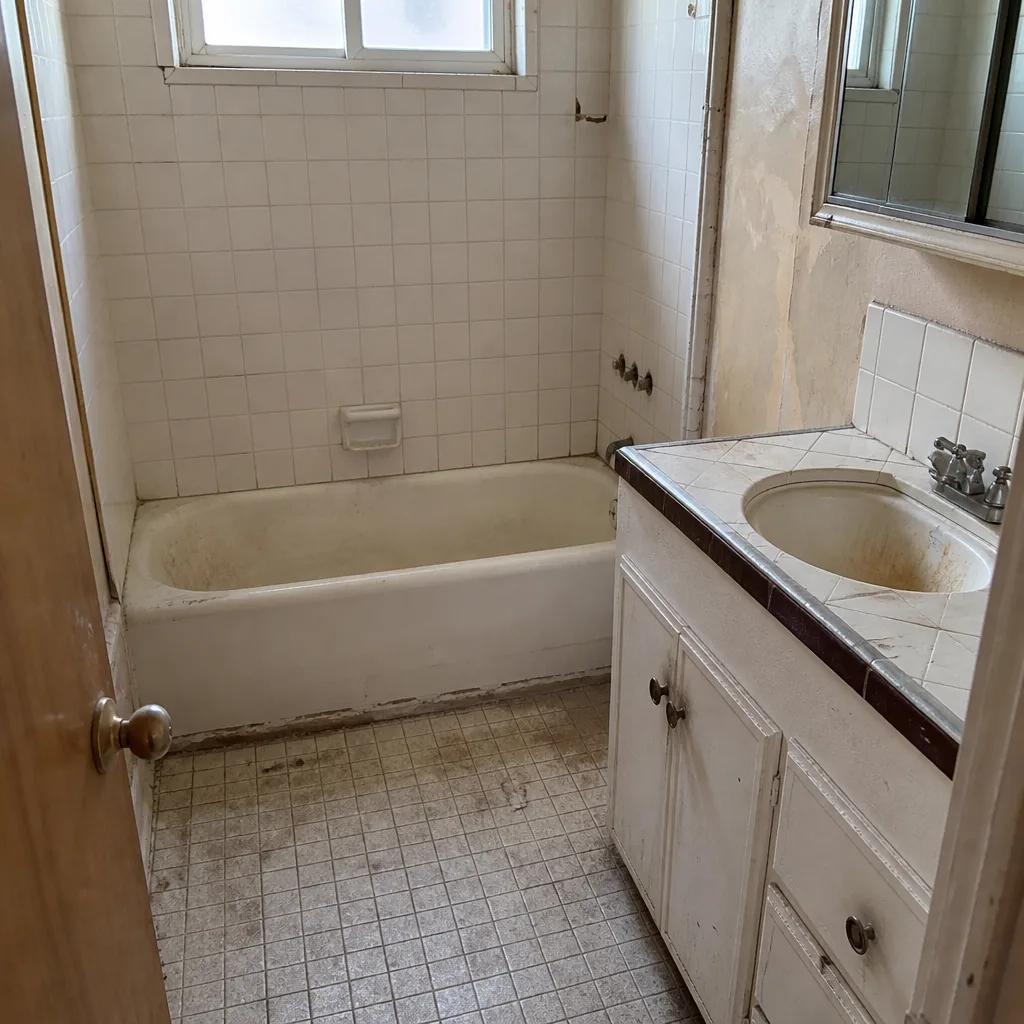
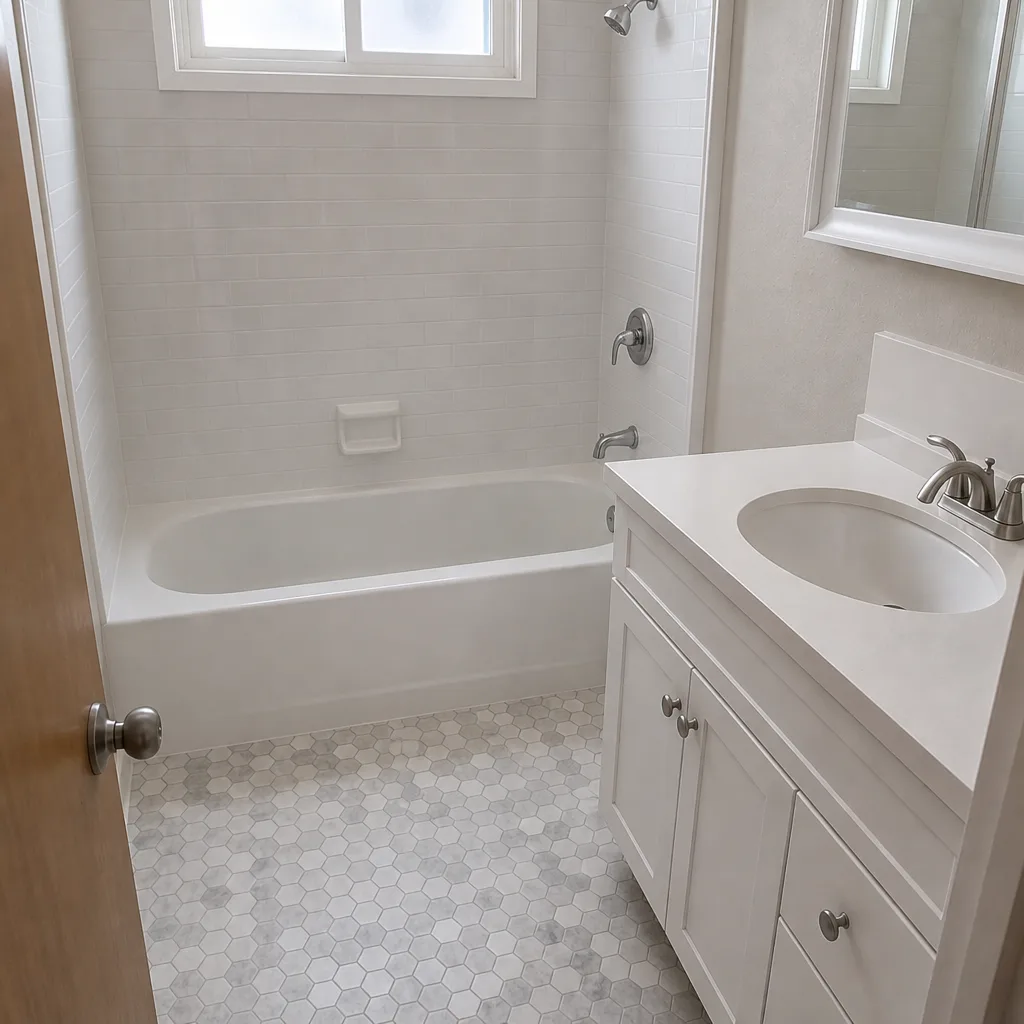
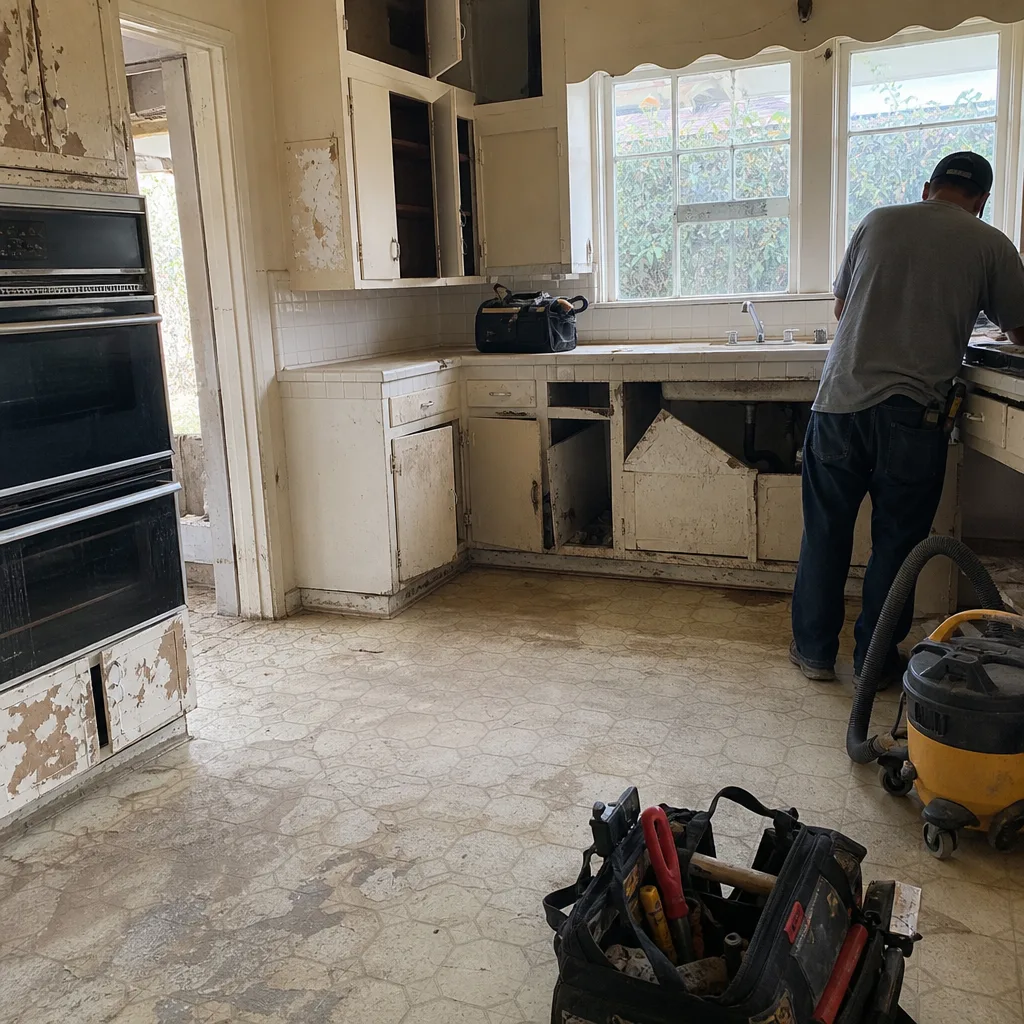
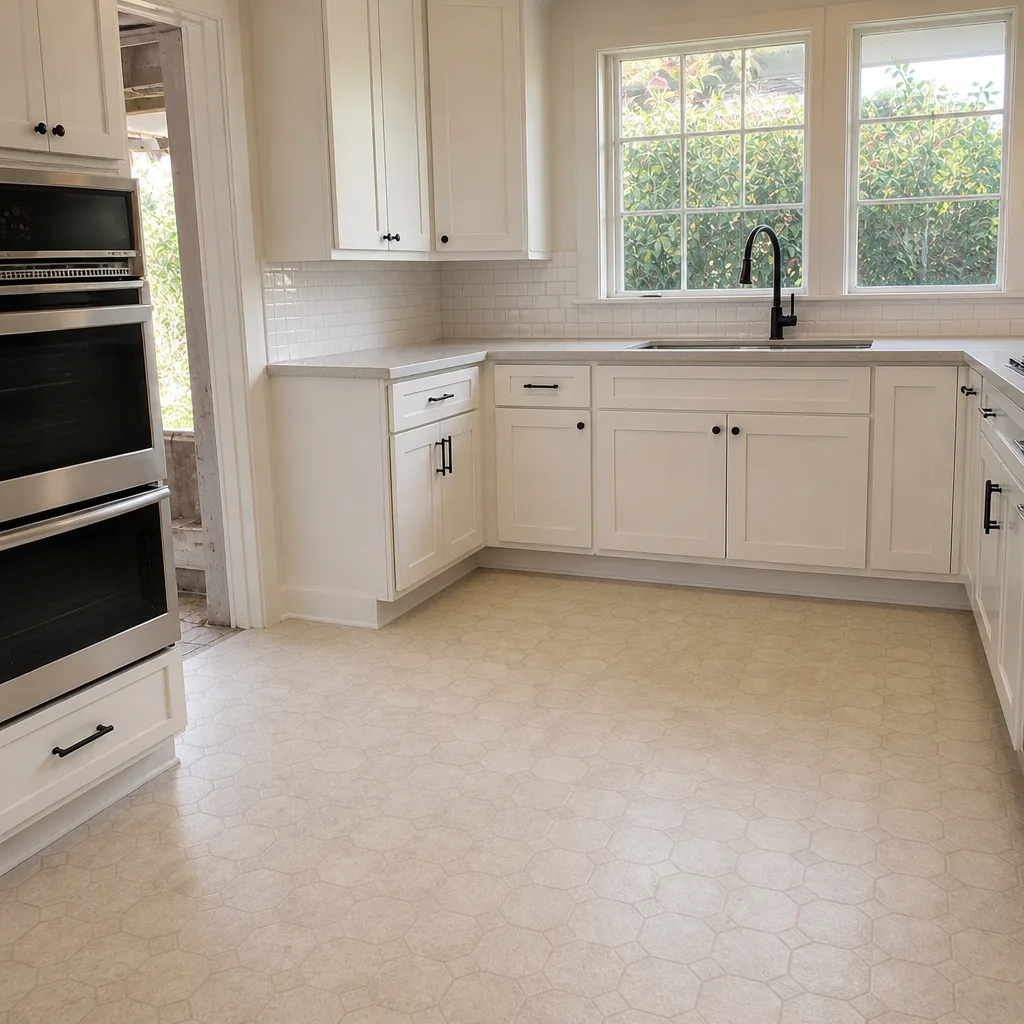
See the difference
 Before
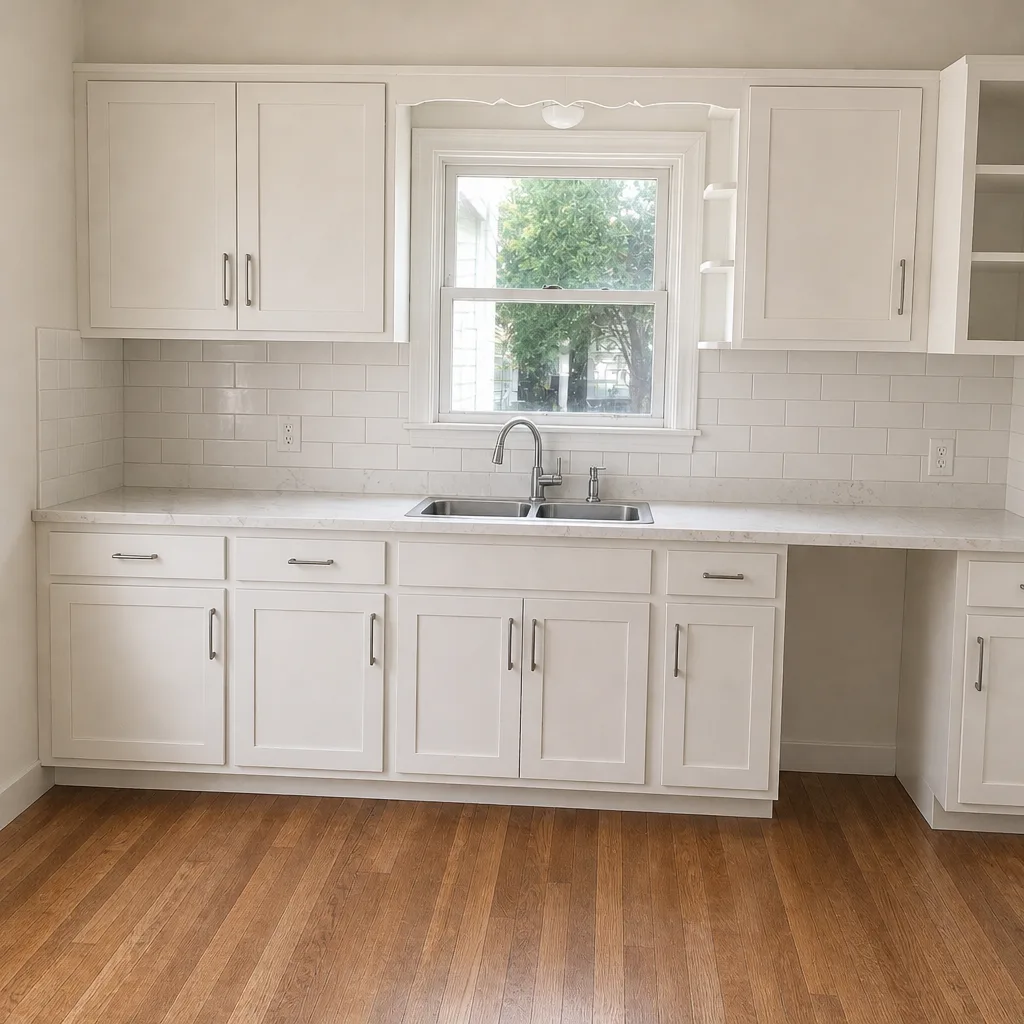 After
 Before
 After
 Before
 After
When to Call a Professional
Some of this checklist you can do yourself: clearing soffits, walking the yard after rain, marking hollow stucco, keeping the job log. Some of it you shouldn’t. A step crack that’s widening, a chimney showing any of the URM indicators above, a cast-iron line that’s had two slow-drain events in a year, or an attic that won’t come within 20°F of outdoor temperature in summer – those are the moments to bring in a professional, before the scope triples.
Bradford Remodeling Co Pasadena offers free estimates in Pasadena. We’ll walk the house with you, tell you what we’d watch and what we’d fix now, and put the price in writing before any work starts. Call (888) 841-5410 to schedule. Every completed project is covered by our 365-Day Done Right Promise – if the work fails within the year, we return and correct it at no charge.
Frequently Asked Questions
Twice a year: once before the Santa Ana season in late summer and once after the winter rains. Probe-test any hollow spots with a screwdriver handle each time; if hollow areas grow from one inspection to the next, get a professional assessment. Call (888) 841-5410 for a free estimate if you’re unsure.
Not automatically, but it’s a known wear item on pre-1975 homes. Cast iron rusts from the inside out, and the first sign is usually a slow drain that comes back after snaking. A $250-$400 camera inspection tells you the actual condition. Before you buy an older Pasadena home or before a remodel opens the walls, it’s worth every dollar. Call (888) 841-5410 for a free estimate on the repair scope if the inspection turns one up.
Attic temperature is the simplest test. Put a cheap thermometer in the attic and read it at the peak of a summer day; if the attic is within 15-20°F of outdoor temperature, ventilation is working, and if it’s 40°F or more hotter, it isn’t. Clear soffit vents first, since that’s the most common cause. If clearing doesn’t help, you likely need a roofer or attic consultant to assess vent sizing.
Yes, treat it as serious. Any crack in an unreinforced masonry chimney is worth a structural evaluation, and diagonal or stair-stepped cracks are the more concerning pattern. Pasadena has a large stock of URM chimneys from the 1920s through the 1950s, and these are the most commonly damaged elements in a seismic event. Call (888) 841-5410 for a free estimate on the repair or rebuild scope.
Not on a Bradford project. We put the price in writing before any work starts, and that’s the price. If we find something unexpected after we’ve opened a wall – like a cast-iron line that needs replacement – we stop, write it up, get your approval, and proceed. No numbers that move at the door.
It depends entirely on scope. A stucco patch at a single step crack is usually a one- to two-day job. A cast-iron main-line replacement on a typical single-family Pasadena home is a three- to five-day project, plus permit time. A chimney URM retrofit or rebuild is generally a two- to three-week project. We write the schedule into the scope so you’re not guessing. Call (888) 841-5410 for a free estimate.
The Bottom Line

Maintenance on an older Pasadena home comes down to catching four things early: stucco that’s holding moisture behind the wire lath, cast-iron drains that are thinning from the inside, a roof and attic that can’t shed the Santa Ana heat, and any warning sign of an unreinforced masonry chimney. Inspect twice a year on the seasonal calendar above. Keep a written job log with scope, materials, model numbers, written price, and warranty terms. When a repair crosses the line from “watch it” to “fix it now,” call a professional before the scope triples. If you want a straight walkthrough of your home and a written price for what needs doing, call (888) 841-5410 for a free estimate – we answer the phone with a live person, 24/7.
Written by the team at Bradford Remodeling Co Pasadena.