Last updated November 18, 2026
Free written scope consultation - allowances, timeline, and change-order rules on paper before a single trade is scheduled
DIY vs Professional Kitchen Remodeling: What’s Safe to Do Yourself
Painting your own cabinets saves real money. Moving a gas line yourself can void your homeowner’s insurance, fail a home inspection, and in California, expose you to civil liability if someone is later injured. The savings don’t cover that exposure. This guide maps exactly where the DIY line sits in a kitchen remodel: the tasks California law reserves for licensed tradespeople, the ones you can legally and safely do yourself, and the honest cost math on which DIY hours actually pay off. It’s written from Pasadena, where older homes and strict permit review make those distinctions matter more than they do almost anywhere else.
Quick Answer
Safe, legal DIY kitchen work in California means cosmetic and surface-level tasks: painting cabinets, swapping hardware, tiling a backsplash over sound existing drywall, and replacing a faucet on existing supply lines. Everything else – gas connections, new electrical circuits, panel changes, and removing any load-bearing wall – requires a licensed contractor, and doing it yourself is a code violation, an insurance problem, and a genuine safety risk. If your remodel touches plumbing, wiring, or structure, that portion belongs to a professional.
Styles & brands we work with
- Kitchen remodeling
- Bathroom remodeling
- Home additions & ADU
- Roofing
- Windows & doors
- Driveway & pavers
- Fence
Table of Contents
- Where the DIY Line Sits in a Kitchen Remodel
- What California Reserves for Licensed Tradespeople
- What You Can Legally and Safely Do Yourself
- Why “Just Demo” Is Never Just Demo
- The Liability Gray Zones When You Mix DIY and Contracted Phases
- Cost-Honest Breakdown: Which DIY Actually Saves Money
- Common Mistakes to Avoid
- Frequently Asked Questions
Where the DIY Line Sits in a Kitchen Remodel
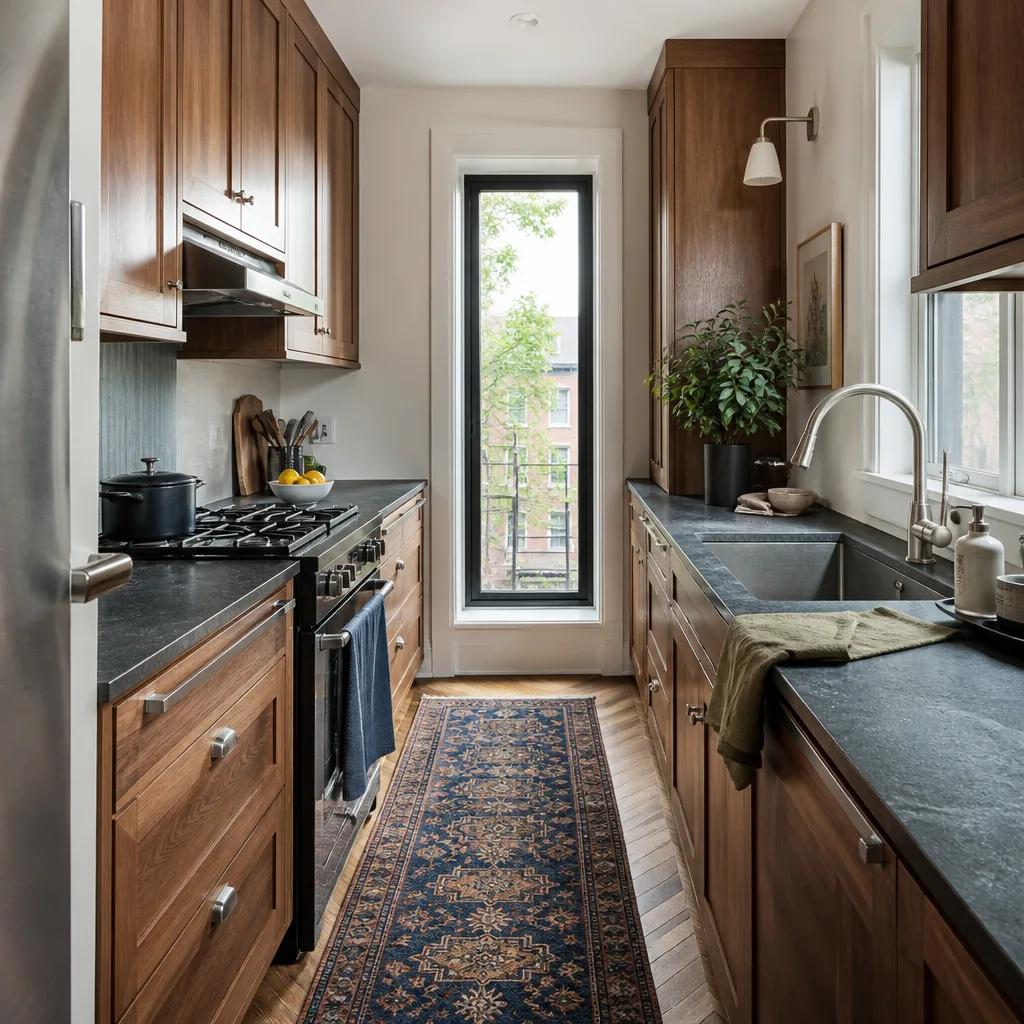
A kitchen packs more licensed-trade work into fewer square feet than any other room in the house. A 150-square-foot kitchen might hold gas piping, dedicated appliance circuits, GFCI-protected countertop outlets, a range hood vented through the wall, a dishwasher on its own circuit with a high-loop drain, and – in older Pasadena homes – knob-and-tube wiring or galvanized supply lines waiting to fail the minute you open a wall. The small footprint doesn’t reduce the technical scope. It concentrates it.
That concentration is why DIY advice written for a bedroom or a living room doesn’t transfer. Painting a living room is a weekend project. Painting a living room where every surface hides a gas valve and four electrical boxes is not the same job.
The practical line runs between surface and system. Surface work – what you see, touch, and finish – is largely yours to do. System work – what carries gas, water, electricity, or structural load – is licensed territory. The remainder of this guide pulls that line into specifics so you can plan a remodel where your own labor earns its keep without stepping onto the wrong side. Homeowners planning a full-scope remodel should start with an overview of kitchen remodeling in Pasadena, which lays out what a properly sequenced project looks like before any decisions get made.
What California Reserves for Licensed Tradespeople
California law is unusually explicit here, and it doesn’t carve out an exception for homeowners who feel confident. Three categories in a kitchen remodel require a licensed contractor, and a fourth requires a permit whether or not a licensed pro does the work.
1. Gas connections and any gas line alteration
Running, extending, capping, or reconnecting a gas line to a range or cooktop falls under the California Plumbing Code and requires a licensed contractor. Gas work is also the most common cause of the permit and insurance problems we’re asked about. A plumber pressure-tests the line and the building department inspects it. No homeowner should be chasing a leak with soap bubbles behind a finished cabinet.
2. New electrical circuits and panel modifications
The California Electrical Code (based on the National Electrical Code with state amendments) requires licensed electricians for new circuits, panel changes, and any work inside the service panel. Swapping a light fixture on an existing switch is one thing. Adding a dedicated 240-volt circuit for a range, or freeing panel capacity to feed a new dishwasher and disposal, is another. Kitchen circuits also require GFCI protection for countertop receptacles and arc-fault protection under current code, which is a real design task, not a swap.
3. Removing load-bearing walls and structural changes
Taking out a wall between kitchen and dining room is the most common request we hear, and in older Pasadena homes that wall is frequently structural. Load-bearing removal requires an engineered beam and a building permit, and the inspection sequence (footings, framing, final) can’t be short-cut. Removing a bearing wall without engineering is a direct safety hazard and an unpermitted structural alteration that will surface the day you sell.
4. Pulling the permit itself
Even a licensed contractor’s work needs a permit for gas, electrical, plumbing, and structural changes. The permit is what makes the inspection happen, and the inspection is what makes the work insurable and resale-safe. A homeowner can pull some permits in their own name, but that doesn’t waive the licensing requirement for the trades doing the work.
What You Can Legally and Safely Do Yourself
Here’s the good news, and it’s genuine: a meaningful slice of kitchen work is well within a careful homeowner’s range. None of it requires opening a wall, pulling a permit, or touching a gas or electrical system. These four tasks are the ones we routinely see homeowners do well.
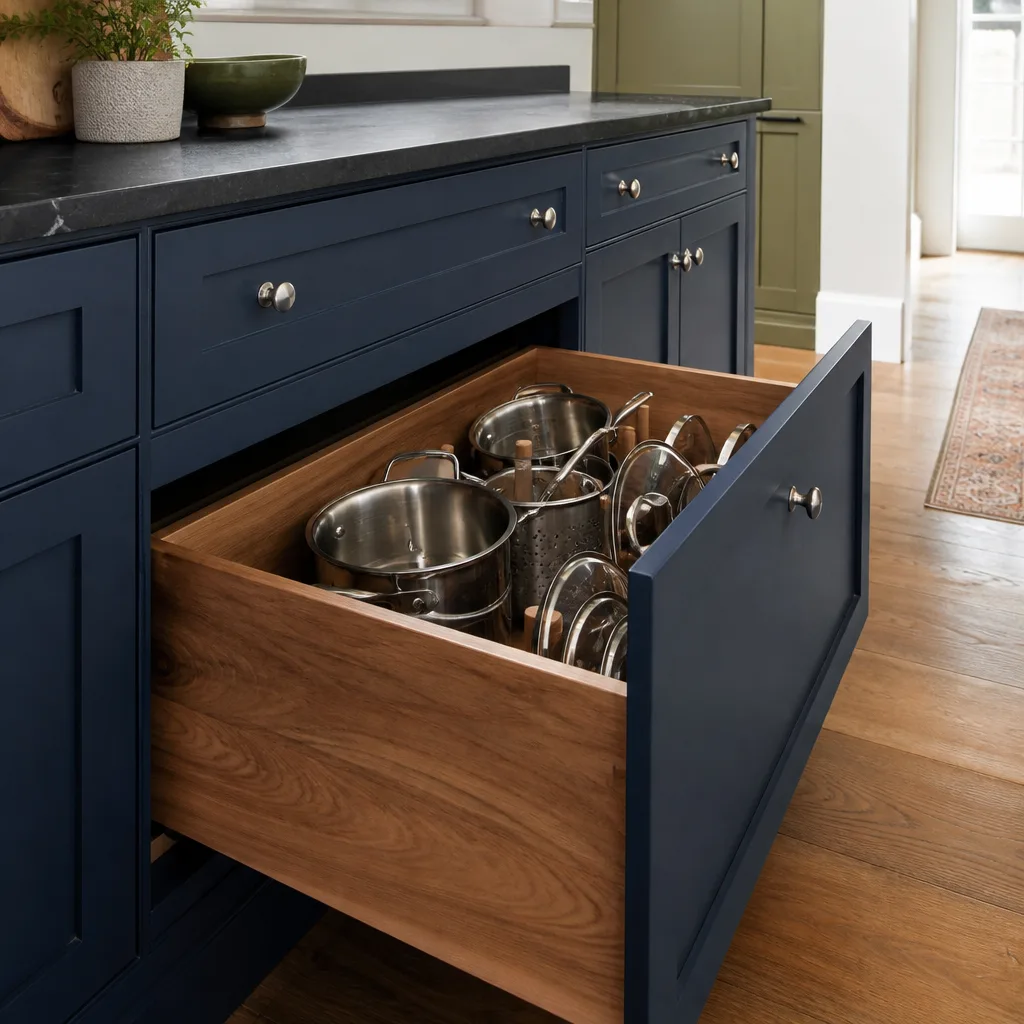
- Painting cabinets. This is the highest-value DIY task in a kitchen remodel. The prep is the whole job: degrease every door and frame, sand to scuff, prime with a bonding primer, then paint with a cabinet-grade enamel. The finish will only be as good as the prep, so budget more hours for prep than paint.
- Hardware replacement. Knobs, pulls, hinges, and drawer slides are swap-and-go. Drill new holes carefully if the new pulls differ in spacing, and fill old holes with wood filler before repainting.
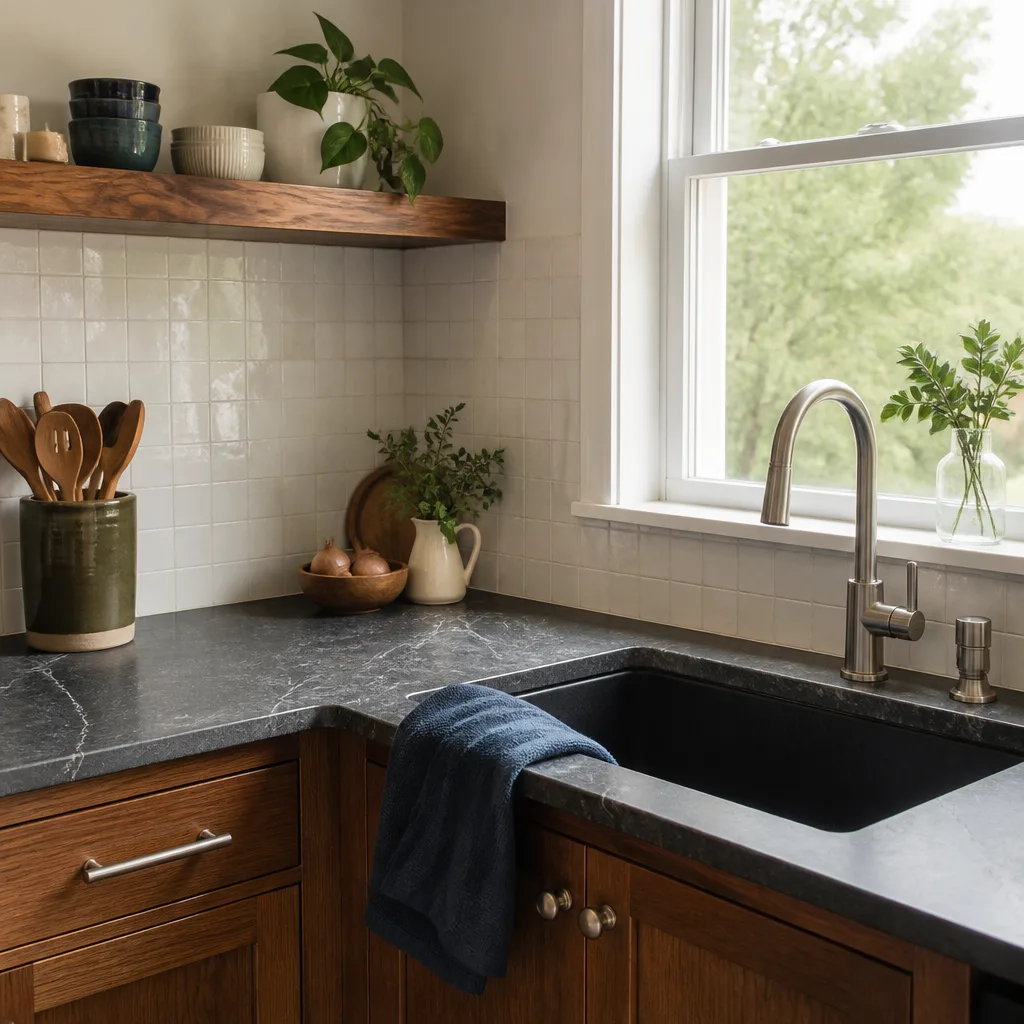
- Backsplash tile over existing sound substrate. A tile backsplash on drywall that’s intact, dry, and well-adhered is a fair DIY project. Use a proper thin-set and grout for the tile type, and never tile over a wet area, failing drywall, or a previous installation that’s delaminating.
- Faucet swap on existing supply lines. Replacing a faucet at the same location, using the same supply shutoffs and drain, is generally a homeowner task. Replacing the shutoff valves themselves, moving the supply line, or adding a new fixture location is plumbing work that should go to a licensed plumber.
What these four share is that they don’t alter the systems behind the wall. They change what you see and how the kitchen feels, which for most Pasadena homeowners is the point.
Why “Just Demo” Is Never Just Demo
Demolition feels like the safe part. It’s not, and the reason is permits. In many California jurisdictions, demolition that precedes a permitted remodel must be part of an issued permit, not something you start while the application is still in review. In Pasadena, which has a substantial stock of pre-1940 and Craftsman-era homes, that distinction bites harder than in newer housing.
Three things go wrong when demo runs ahead of the permit:
- Discovery without a path forward. You open a wall and find knob-and-tube wiring, asbestos-containing floor adhesive, or a non-code structural header. Now the project is stopped with the wall open, and you’re paying for an emergency fix rather than a planned one.
- Lost inspection coverage. Inspectors need to see rough-in before it’s covered. Demo runs ahead, you cover something back up, and the inspection has nothing to inspect.
- Hazardous material exposure. Pre-1980 homes in Pasadena frequently contain asbestos in floor tile, mastic, and drywall joint compound. Disturbing it during unpermitted demo is a health and abatement problem that no homeowner wants to inherit.
Our rule is simple: demolition is the first step of the contracted scope, not a pre-step the homeowner takes. A written scope that includes demo, with the permit already in hand, is what keeps a Pasadena remodel squared away. The full sequence of a permit-first project is spelled out on our general contractor in Pasadena page, and it’s worth reading before you pick up a pry bar.
The Liability Gray Zones When You Mix DIY and Contracted Phases
This is the part most DIY guides skip, and it’s the part that costs homeowners the most when something goes wrong. When you do some phases and a contractor does others, the responsibility for what fails becomes genuinely unclear – and that ambiguity cuts against you in two ways.
Your insurance coverage narrows. Homeowner’s policies typically require work on gas, electrical, and structure to be done by a licensed professional. If a fire or water leak is traced to a homeowner-performed gas or electrical connection, the insurer has a real basis to deny the claim. The premiums you’ve paid for years don’t buy back that exposure if the cause traces to unpermitted self-work.
Your contractor’s warranty gets complicated. A contractor who warranties their work is warranting the scope they performed. If a leaking faucet you installed damages cabinetry the contractor installed, the warranty on the cabinetry won’t cover the leak, and no honest contractor will pretend it does. Bradford’s 365-Day Done Right Promise is a written, full-year guarantee on the work we perform: if that work fails within the year, we return and correct it at no charge. It doesn’t extend to a homeowner-installed fixture upstream of our scope, and no contractor’s guarantee honestly can.
The fix is documentation. A written scope that states, line by line, who does what, and a written price before work starts, turns a gray zone into a clear one. That’s the reason we won’t start a job without both.
Cost-Honest Breakdown: Which DIY Actually Saves Money
Not every DIY hour is worth the same. Painting cabinets saves thousands. Replacing a faucet saves a few hundred. Tiling a backsplash saves a lot on labor and eats a full weekend (or three). The table below is our honest read on where the savings are real. Ranges reflect typical Pasadena-area labor for a mid-range kitchen; your exact scope drives the number.
- Cabinet painting (DIY): Materials roughly $200-$500 in paint, primer, sandpaper, and supplies. Pros typically charge $2,500-$6,000. Real savings: $2,000-$5,500.
- Hardware replacement (DIY): $100-$400 in hardware. Pro install runs $300-$800. Real savings: $200-$400.
- Backsplash tile on existing substrate (DIY): $300-$700 in tile, thin-set, grout, and tools. Pro install runs $1,200-$3,000. Real savings: $900-$2,300 – if you do it well, and it will show if you don’t.
- Faucet swap on existing shutoffs (DIY): $150-$400 for the faucet. Pro install runs $250-$500. Real savings: $100-$300. Small – do it if you enjoy it, skip it if you don’t.
- Electrical, gas, and structural work (should not be DIY): Homeowner cost avoidance looks like $1,500-$8,000 on paper. Against that: permit fees, re-inspection, possible insurance denial, and a resale problem that can run into five figures. The math does not work.
Net it out: the two DIY tasks that reliably pay are cabinet painting and, to a lesser degree, backsplash tile. Everything else is either a marginal savings or a risk trade you shouldn’t take. Homeowners who want the whole project squared away with one written price should call (888) 841-5410 for a free estimate – it costs nothing to get the real number for the contracted portion. Bathroom remodels follow a similar logic, and our bathroom remodeling in Pasadena page covers the parallel trade-offs if that project is on your list too.
Common Mistakes to Avoid
- Starting demo before the permit issues. Pulling a wall open before the building department has signed off means you discover problems with no plan and no inspection path. Pasadena’s older homes almost always hide something.
- Assuming a cosmetic swap is always cosmetic. Replacing a faucet is fine; replacing the shutoff valves underneath it is plumbing. Replacing a light fixture is fine; adding a receptacle is electrical. Know which one you’re actually doing.
- Tiling over a failing substrate. A backsplash bonded to loose or damp drywall will fail inside a year. Sound substrate is a non-negotiable condition for the DIY backsplash, not a suggestion.
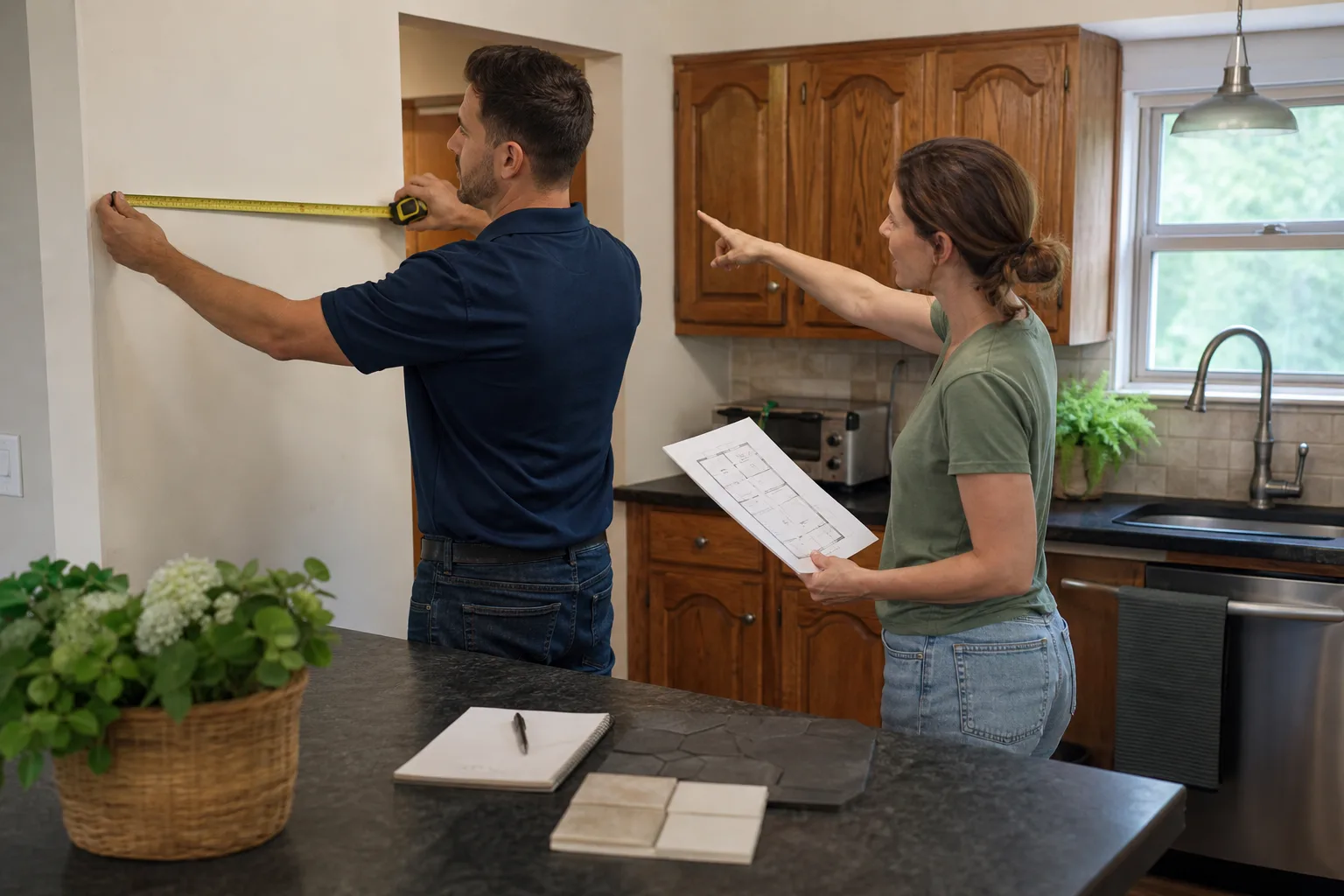
- Buying cabinets before the room is measured and the permit scope is set. Cabinet orders are typically non-returnable. Pasadena kitchens often have out-of-square walls that shift the real dimensions by inches, and a contractor’s measurement comes before the order, not after.
- Mixing DIY phases and contracted phases without a written scope. If the scope doesn’t say who does what in writing, you’re setting up the warranty ambiguity described above. Get it in writing before work starts.
- Patching a homeowner-performed repair to conceal it. Disclosed, a small issue is a small issue. Hidden, it’s a red flag that puts every later inspector on notice.
- Skipping the final walk-through and the written guarantee. A project isn’t done until the site is clean, the scope is documented, and the signed written guarantee is in your hand.
See the difference
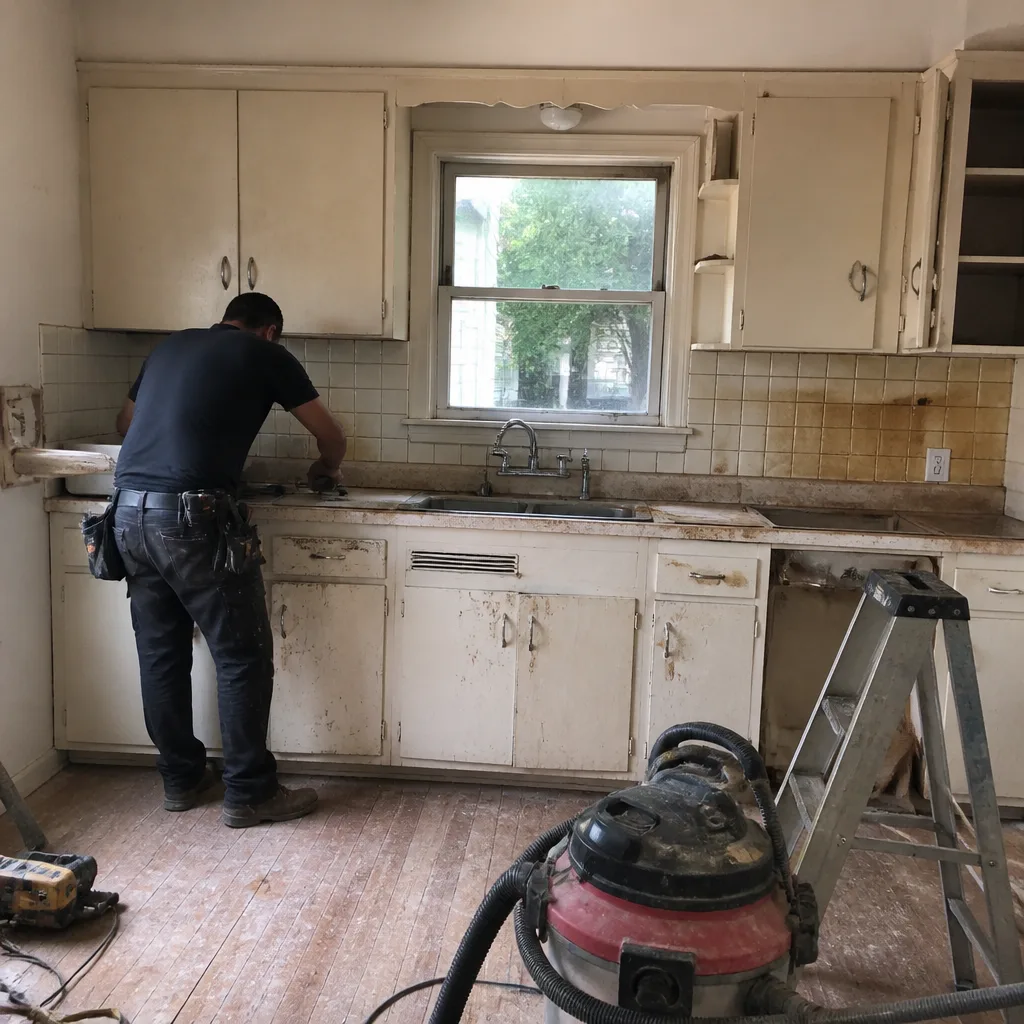 Before
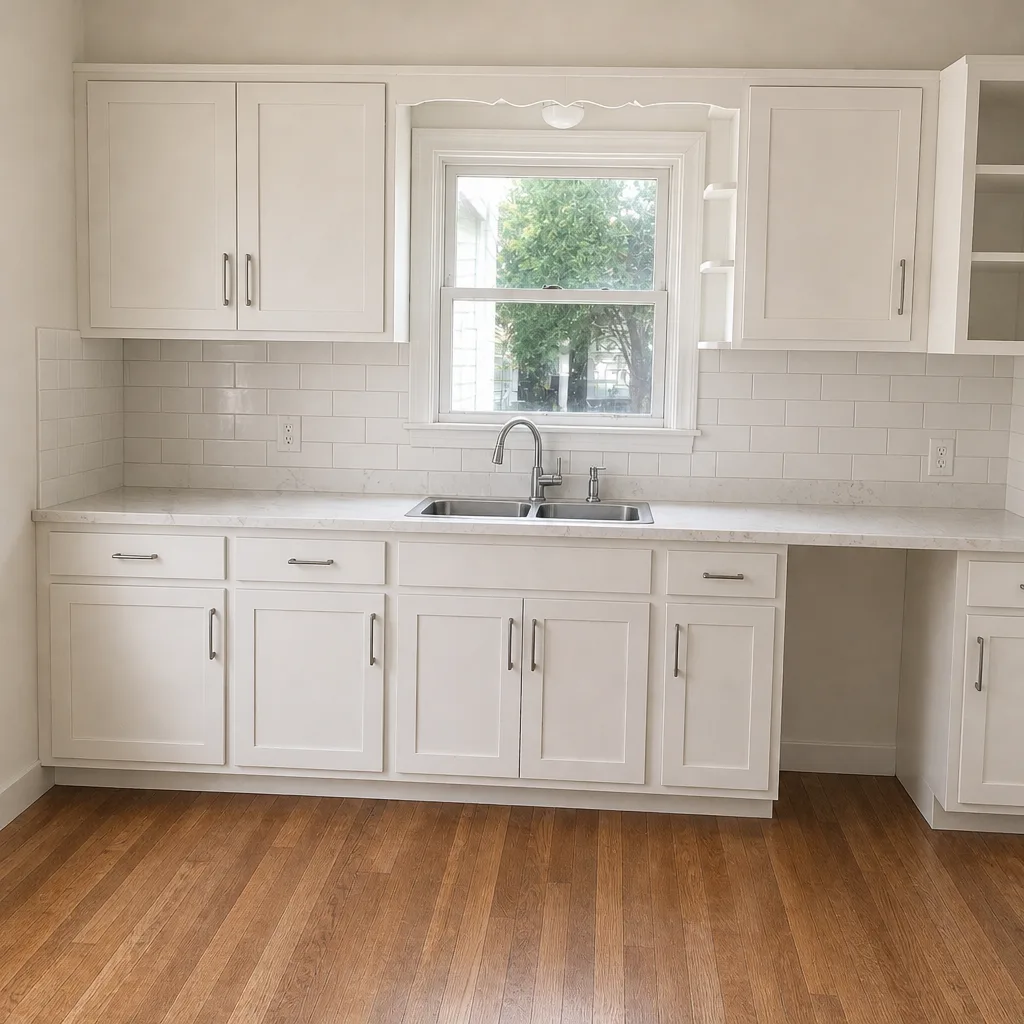 After
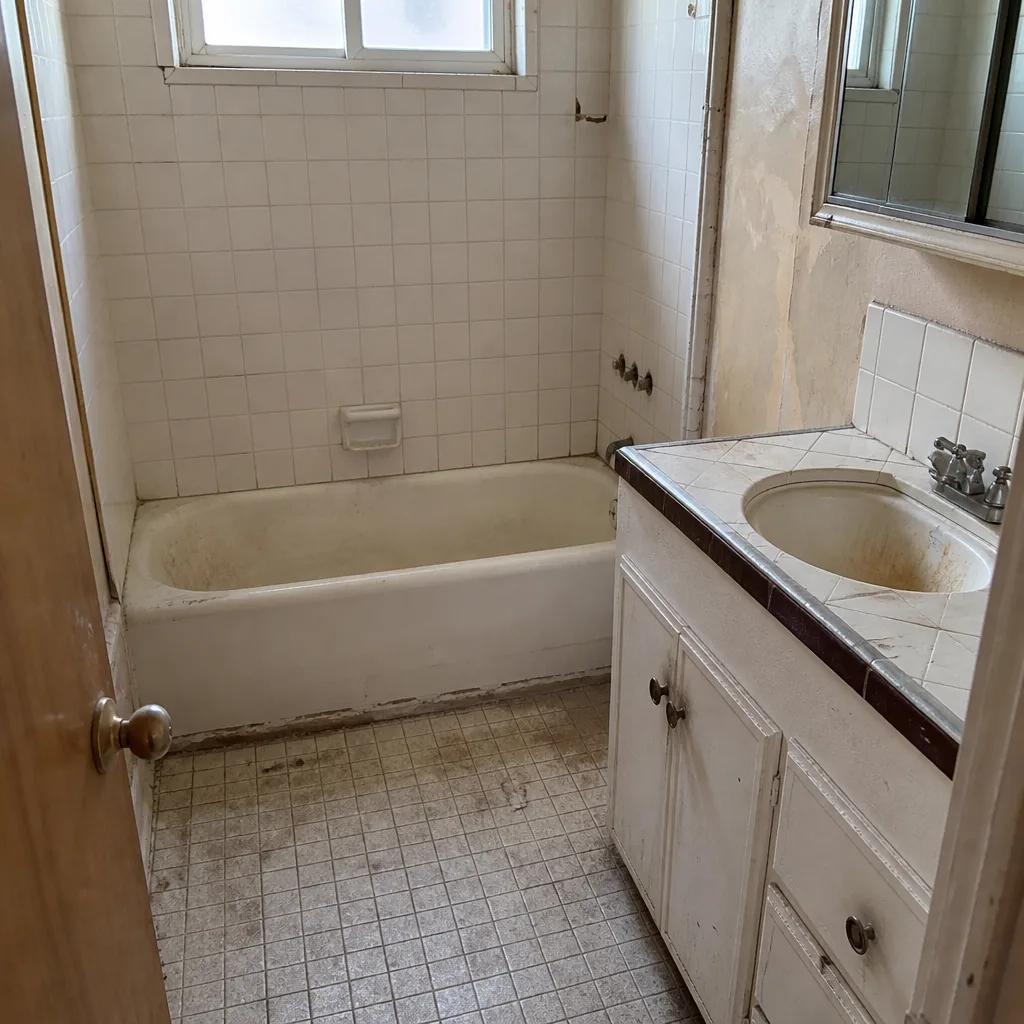 Before
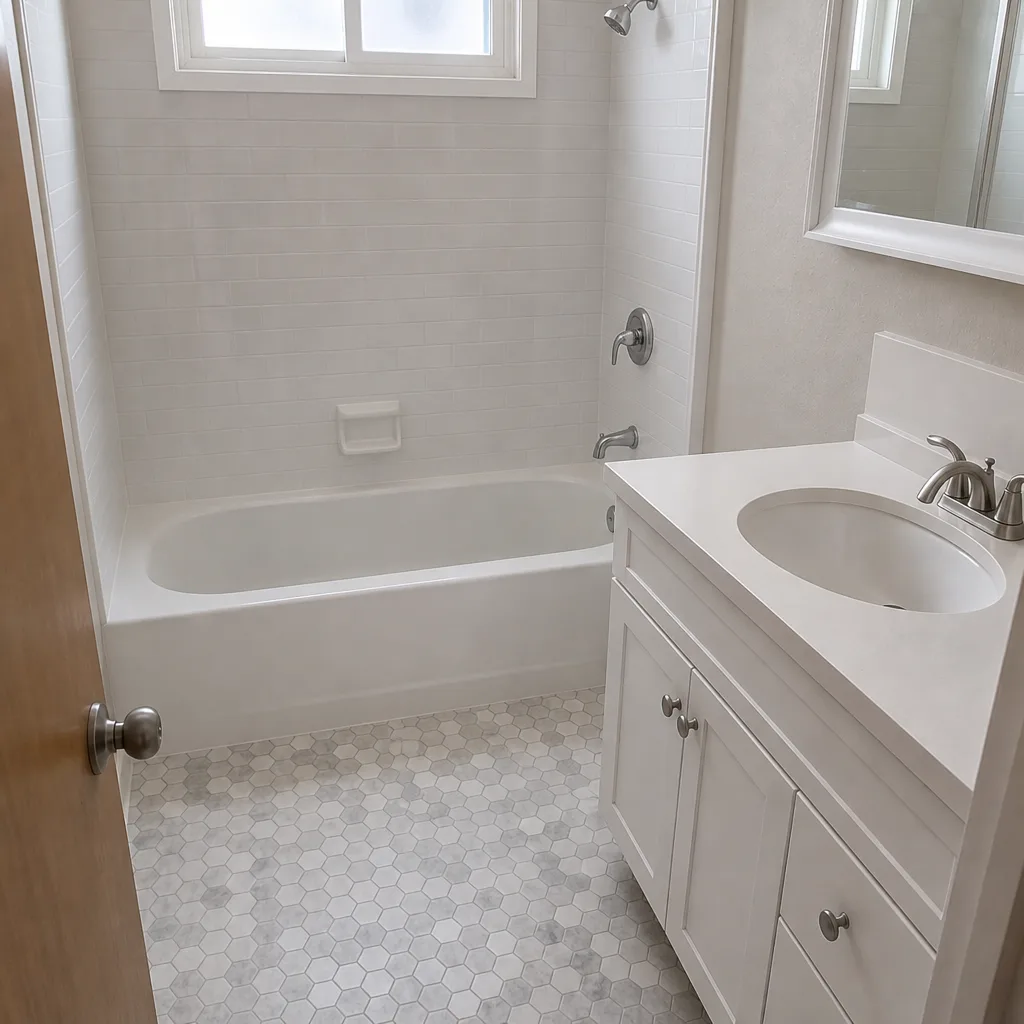 After
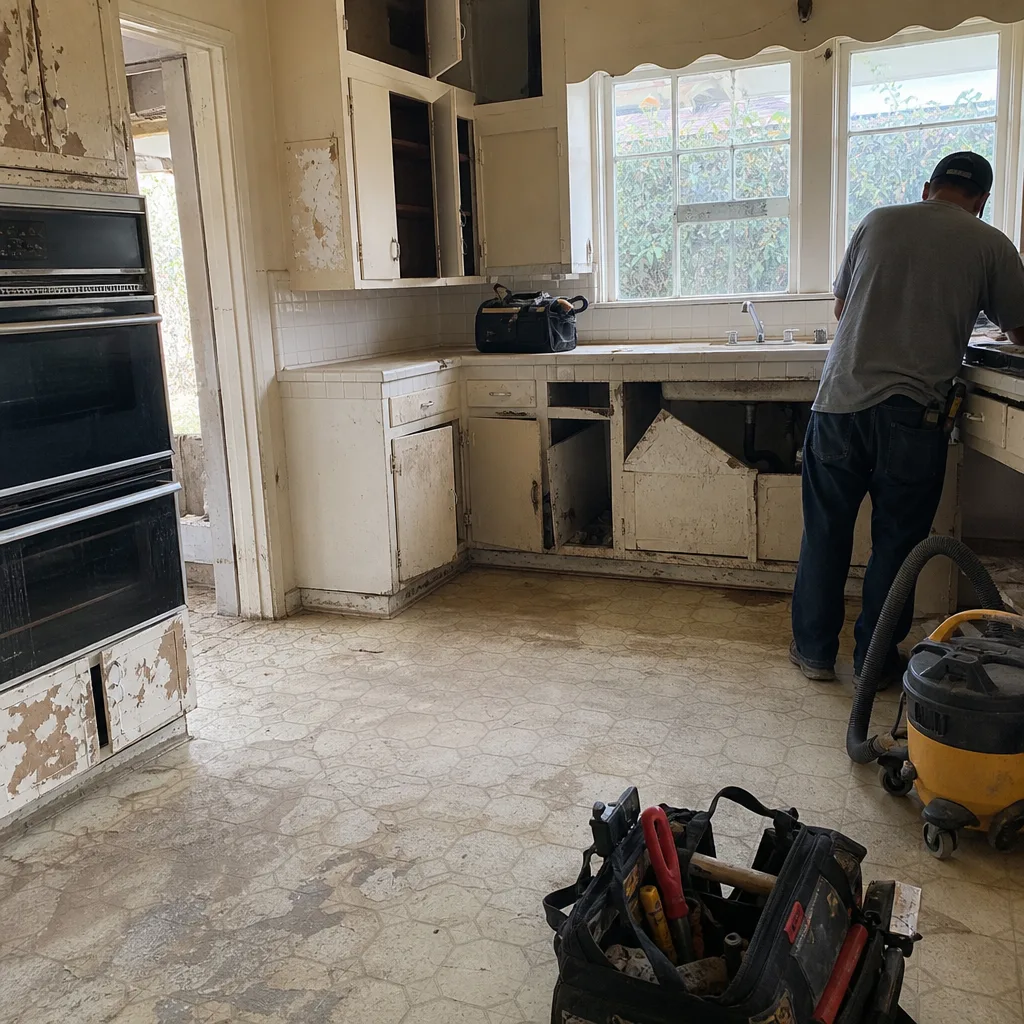 Before
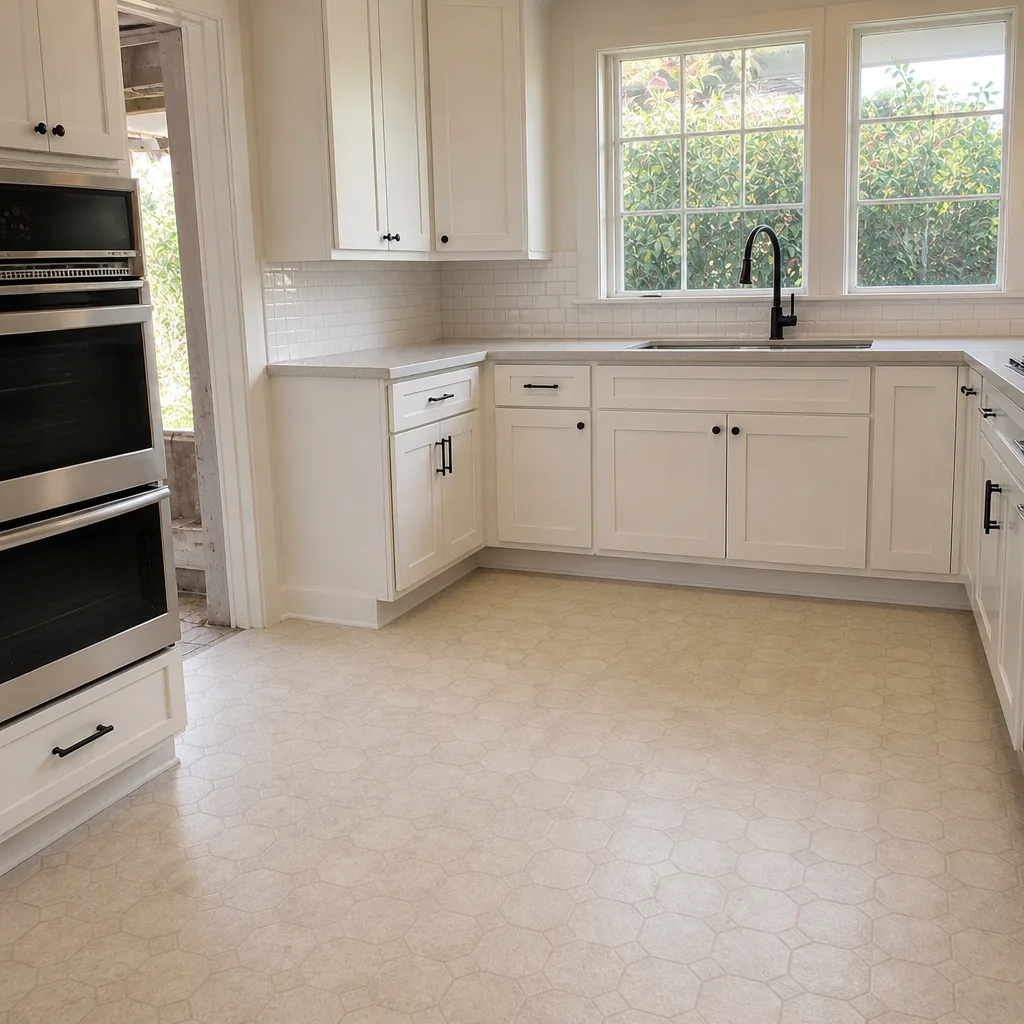 After
When to Call a Professional
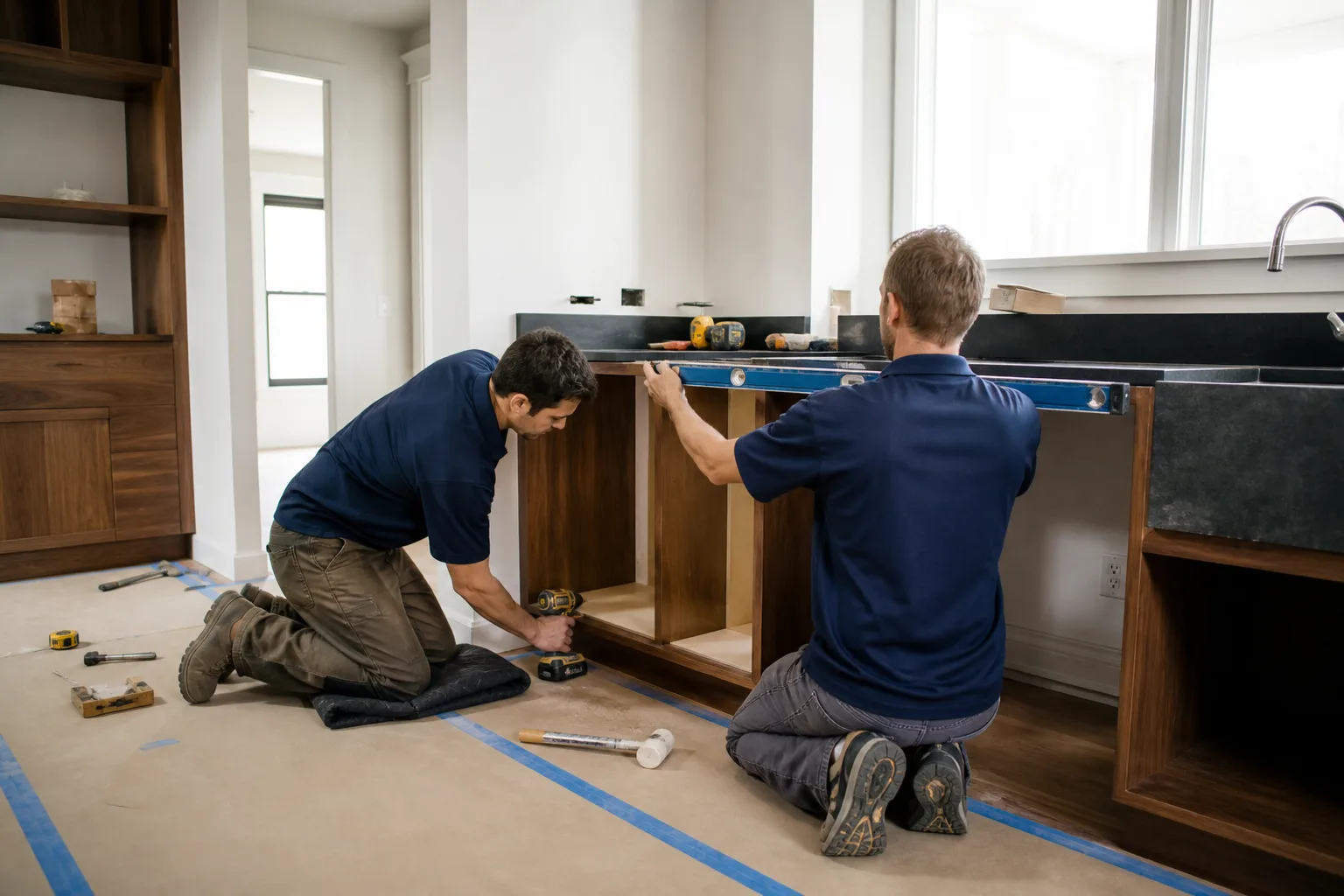
Call a licensed professional the moment your remodel touches gas, electrical, or structure – and in Pasadena, that’s more often than most homeowners expect. If you’re considering moving the range, adding a circuit for a new appliance, removing a wall, adding a window, or relocating the sink, those are contracted phases, not DIY phases. Call us if you’ve had a prior bad experience with a contractor who no-showed, repriced at the door, or left a site unfinished: we answer the phone 24/7 with a live person, and we put the price in writing before any work begins. Bradford Remodeling Co Pasadena offers free estimates in Pasadena – call (888) 841-5410. Our technicians bring up to 22 years of experience to the work, and every completed project carries the 365-Day Done Right Promise, a written full-year guarantee. If the work fails within the year, we return and correct it at no charge.
Frequently Asked Questions
In California you can legally self-perform cosmetic work: painting cabinets, swapping hardware, tiling a backsplash over existing sound substrate, and replacing a faucet on existing supply lines. Work on gas lines, new electrical circuits, service panel modifications, and load-bearing walls requires a licensed contractor. The permit itself, for most trade work, also has to be pulled.
No. Gas line work requires a licensed contractor under the California Plumbing Code, regardless of your skill or confidence. It also requires a permit and an inspection, and a homeowner-performed gas connection is one of the most common reasons an insurer denies a later claim. Call (888) 841-5410 for a free estimate if the gas portion is part of your project.
In most cases, yes – demo that precedes a permitted remodel should be part of an issued permit, not an early start. Pasadena has a substantial stock of pre-1940 homes, which raises the chance of discovering asbestos-containing flooring or legacy wiring behind the wall. Demo is the first step of the contracted scope, not a pre-step.
A mid-range Pasadena kitchen remodel with the cosmetic work (cabinet painting, hardware, backsplash) done by the homeowner typically lands $12,000-$30,000 lower than the same scope with all labor contracted. The exact number depends on the cabinetry, surfaces, and whether plumbing or electrical is moving. Call (888) 841-5410 for a written, line-item estimate on the contracted portion – the price is free and the number doesn’t move after work starts.
No, but it narrows it. A contractor’s warranty covers the scope they performed. Bradford’s 365-Day Done Right Promise covers the work we do: if our work fails within the full year, we return and correct it at no charge. It doesn’t extend to a homeowner-installed fixture upstream of our work, and a written scope that states who does what is what keeps the boundary clear.
Yes, in the trades. Electrical, gas, plumbing, and structural inspections require rough-in work to be visible and code-compliant, which is why a homeowner who did unpermitted work often needs it re-done rather than inspected. Pre-1940 Pasadena homes with legacy wiring are exactly the case where it pays to get the scope right before opening anything up.
The Bottom Line
DIY kitchen work in California is real, and it’s worth doing – for the four tasks that stay on the surface: cabinet painting, hardware, backsplash tile over sound substrate, and a faucet swap on existing lines. Those save $2,000-$5,500 on a typical Pasadena remodel, and they’re yours to do well. Gas lines, new electrical circuits, panel changes, and load-bearing wall removal are licensed territory under California code, and the savings aren’t worth the insurance exposure, the inspection problem, or the safety risk. The rest is about documentation: a written scope, a written price before work starts, and a written guarantee when the job closes. That’s how a Pasadena remodel stays squared away from first measurement to final walk-through. Call (888) 841-5410 for a free estimate on the contracted portion of your project.
Written by the team at Bradford Remodeling Co Pasadena.