Last updated November 18, 2026
Free written scope consultation - allowances, timeline, and change-order rules on paper before a single trade is scheduled
DIY vs Professional Construction: The Pasadena Homeowner’s Decision Guide
In California, a homeowner can pull their own permit and legally perform their own work. But the moment you hire an unlicensed person to help with a “simple weekend project,” you’ve quietly become an employer carrying workers’ comp liability for someone who has no coverage, no bond, and no legal standing to be on that job. That line gets crossed more often in Pasadena than most homeowners realize. This guide walks through where the real costs and legal exposure sit, which projects in Pasadena’s housing stock are safe to tackle yourself versus where you shouldn’t, and how to use a professional efficiently so you save money without taking on risk you can’t see until resale.
Quick Answer
The DIY-versus-hire decision comes down to three things, not skill level: permit exposure, insurance liability, and whether California law requires a licensed contractor for the work regardless of how capable you are. Electrical panel work, gas lines, and structural changes require a licensed contractor in nearly all cases. Cosmetic work like painting, trim, and tile usually doesn’t. For most Pasadena homes built before 1940, hidden conditions in the walls and knob-and-tube-era wiring push the calculus toward hiring even on modest jobs.
Styles & brands we work with
- Kitchen remodeling
- Bathroom remodeling
- Home additions & ADU
- Roofing
- Windows & doors
- Driveway & pavers
- Fence
Table of Contents
- Where California law draws the licensed-contractor line
- How unpermitted work affects your insurance and resale
- The real cost comparison with Pasadena numbers
- Where Pasadena’s housing stock makes amateur work risky
- Projects where experienced DIY is genuinely appropriate
- How to scope and document DIY prep so a contractor can pick up cleanly
- When to call a professional
- Frequently asked questions
Where California law draws the licensed-contractor line
Business and Professions Code Section 7042 sets the threshold: any work priced at $500 or more in labor and materials combined requires a licensed contractor. That figure is deliberately low because it exists to protect consumers from unqualified work, not to permit kitchen remodels under the radar. In practice, you can often do your own work on your own home as an owner-builder, but that exemption does not extend to anyone you hire to help. Hire a helper on a Saturday, and you’ve created an employment relationship with no contractor license, no bond, and no insurance backstop.
The project categories where a licensed contractor is required in Pasadena regardless of your own skill level:
- Electrical panel replacements or upgrades. A service change means new grounding, arc-fault protection, and load calculations. A licensed electrician and a permit through Pasadena’s Planning & Community Development department are required.
- Gas line work. Any new gas appliance installation, relocation, or line extension requires a licensed plumber or contractor. Gas leaks kill people; there’s no “I’ll be careful” exception.
- Structural changes. Removing a load-bearing wall, cutting new openings, or altering framing requires an engineer’s stamp and a licensed contractor on the permit. In Pasadena’s older homes, a wall that looks non-bearing sometimes isn’t.
- Anything on a multifamily or rental property. Owner-builder exemptions are for a residence you live in. Rentals and duplexes don’t qualify.
- Any work requiring a permit. Even where a homeowner can technically pull it, insurance claims on unpermitted work are routinely denied.
Our technicians have up to 22 years of experience watching homeowners get caught by the $500 threshold on jobs that started as “a quick fix.” The pattern is consistent: the labor looks DIY-able, the code requirements are what aren’t.
How unpermitted work affects your insurance and resale
Here’s the part most Pasadena homeowners don’t discover until it’s expensive. If a fire, water damage, or structural failure traces back to unpermitted work, your insurer can deny the claim. Not reduce it. Deny it. The policy language typically excludes damage caused by work not in compliance with local building codes, and an unpermitted bedroom addition or DIY electrical rough-in is a clean example of exactly that language.
At resale, California requires specific disclosures. The Transfer Disclosure Statement and the Seller’s Property Questionnaire both ask directly about unpermitted additions, alterations, and any work done without a permit. You must disclose. If you don’t and the buyer discovers it after close, you’re exposed to a lawsuit and potentially the cost of retroactively legalizing or removing the work. In Pasadena, where a meaningful share of the housing stock predates 1940, the city occasionally catches up with unpermitted additions during a routine sale inspection or a neighbor’s remodel permit noticing.
What the disclosure looks like in practice:
- Minor cosmetic work (paint, tile, refinished floors) generally doesn’t trigger disclosure.
- Permitted work has a paper trail via finaled permits, which is a selling point.
- Unpermitted work must be disclosed in the Transfer Disclosure Statement as an “alteration or addition.”
- Some title and escrow agents request city records before close, which surfaces unpermitted work.
- Buyers’ lenders can refuse financing on a property with unpermitted structural work.
The math is simple: unpermitted work doesn’t disappear at sale. It moves to your side of the ledger as a price reduction, a delay, or a lawsuit.
The real cost comparison with Pasadena numbers
DIY cost conversations usually focus on materials and forget the rest. Here’s the actual line-item comparison for a typical Pasadena bathroom refresh (keeping fixtures in place, new tile, new vanity, new ventilation fan, plumbing) presented as three columns so you can see what you’re trading. Pasadena bids vary by scope and neighborhood, but these ranges reflect what we see from licensed contractors working in the area.
| Line item | DIY (self-performed) | Licensed bid |
|---|---|---|
| Materials (tile, vanity, fan, fixtures) | $2,400 – $4,200 | $2,600 – $4,500 (often better at contractor cost) |
| Permit fees (Pasadena) | ~$250 – $650 if pulled | ~$250 – $650, included in bid |
| Labor (yours or theirs) | 40 – 70 hours of your time | $3,200 – $6,800 |
| Hidden-condition contingency | 0% (usually unknowable until you open walls) | Locked in writing, with a change-order process |
| Warranty on workmanship | None | 365-Day Done Right Promise from Bradford |
If you value your weekends at any real number, the DIY savings on a mid-range bathroom shrink quickly. Now price out the same comparison for a kitchen with a moved sink and a new electrical circuit. In Pasadena, that job is a licensed bid or an unpermitted disaster waiting on a home inspection. For a written line-item scope, see our page on Kitchen Remodeling in Pasadena.
The other piece of the cost comparison people forget: time risk. A licensed contractor with a written price and a schedule means the project finishes on a known timeline. A DIY project in a Pasadena home built before 1940 means the third time you reopen the wall, you’re paying for emergency electrical because the original knob-and-tube got wet.
Where Pasadena’s housing stock makes amateur work risky
Pasadena’s mix of bungalows, Craftsman homes, Spanish Colonial Revival, and mid-century ranch homes creates a specific set of hazards that DIY guides written on the internet don’t address. A 1920s bungalow in Bungalow Heaven is not the same opening move as a 2005 stucco build in the San Rafael hills. The differences matter.
- Knob-and-tube wiring. Plenty of Pasadena pre-1950 homes still have live knob-and-tube in the attic and walls. Cutting into it or covering it with insulation is a fire hazard and can void insurance.
- Balloon-frame construction. Pasadena’s older bungalows often use balloon framing where studs run full height from foundation to roof. Fire can travel the full wall cavity in seconds, and any penetration you make needs fire blocking that DIY guides don’t mention.
- Lead paint. Homes built before 1978 likely contain lead paint somewhere. Disturbing it without containment is a health issue, and the legal framework (RRP) requires certified renovations for pre-1978 homes in certain circumstances.
- Asbestos. Older Pasadena homes may contain asbestos in floor tile, duct insulation, or popcorn ceilings. Cutting into it without testing is a hard no.
- Lath-and-plaster walls. Cutting an opening in lath and plaster for a new outlet isn’t the same job as cutting drywall. It cracks, it’s slow, and repair looks amateur quickly.
- Adobe and stone foundations. Some Pasadena hillside properties sit on older stone or brick foundations. Any work that affects the structure needs an engineer, not a YouTube tutorial.
We’ve seen these conditions on nearly every remodel in the city. If your Pasadena home was built before roughly 1970, treat the walls as unknown until opened. Plan a contingency of 15 to 20 percent of the project budget for hidden conditions, and get that contingency acknowledged in writing from any contractor you hire.
Projects where experienced DIY is genuinely appropriate
Not everything needs a licensed contractor, and pretending otherwise wastes your money. The work types below are usually fine for a capable homeowner in Pasadena, provided you pull any required permit and stay within the scope.
- Interior painting. Painting is the classic DIY win. Materials are inexpensive, mistakes are recoverable, and the outcome improves the look of an old Pasadena home dramatically.
- Tile work on flat, dry surfaces. Kitchen backsplashes and a simple floor tile install are homeowner territory if you’ve done the reading. Use a product like Schluter for the underlayment, and don’t skip the waterproofing on any wet surface.
- Baseboards, trim, and door casings. Careful measuring and a miter saw get you 90 percent of the way. Pasadena’s plaster walls often resist perfect lines; a little filler and paint covers the small sins.
- Light fixture swaps (like for like). Replacing a fixture with the same wiring is a homeowner job. Adding a new circuit is not.
- Landscaping, sod, drip irrigation runs. Plants and low-voltage landscape lighting are safe and satisfying.
- Fixture replacement on a plumbing line. Swapping a toilet (an American Standard or Toto, for example) on an existing flange is within reach. Moving the flange isn’t.
- Cabinet hardware and pulls. New handles and hinges transform a kitchen for a modest day of work.
What separates this list from the “hire it out” list is consequence: if the work fails, does it fail visibly and cheaply? Paint peels, tile cracks, baseboards can be redone. Electrical arcs, gas leaks, and structural failures don’t fail cheap.
How to scope and document DIY prep so a contractor can pick up cleanly
The single largest legitimate way to save money on a remodel is doing prep work yourself and documenting it clearly so a licensed crew picks up the finished rough state without needing to reverse your choices. When we work with homeowners who’ve decided to do their own demo or prep, this is the sequence that saves real money and avoids liability.
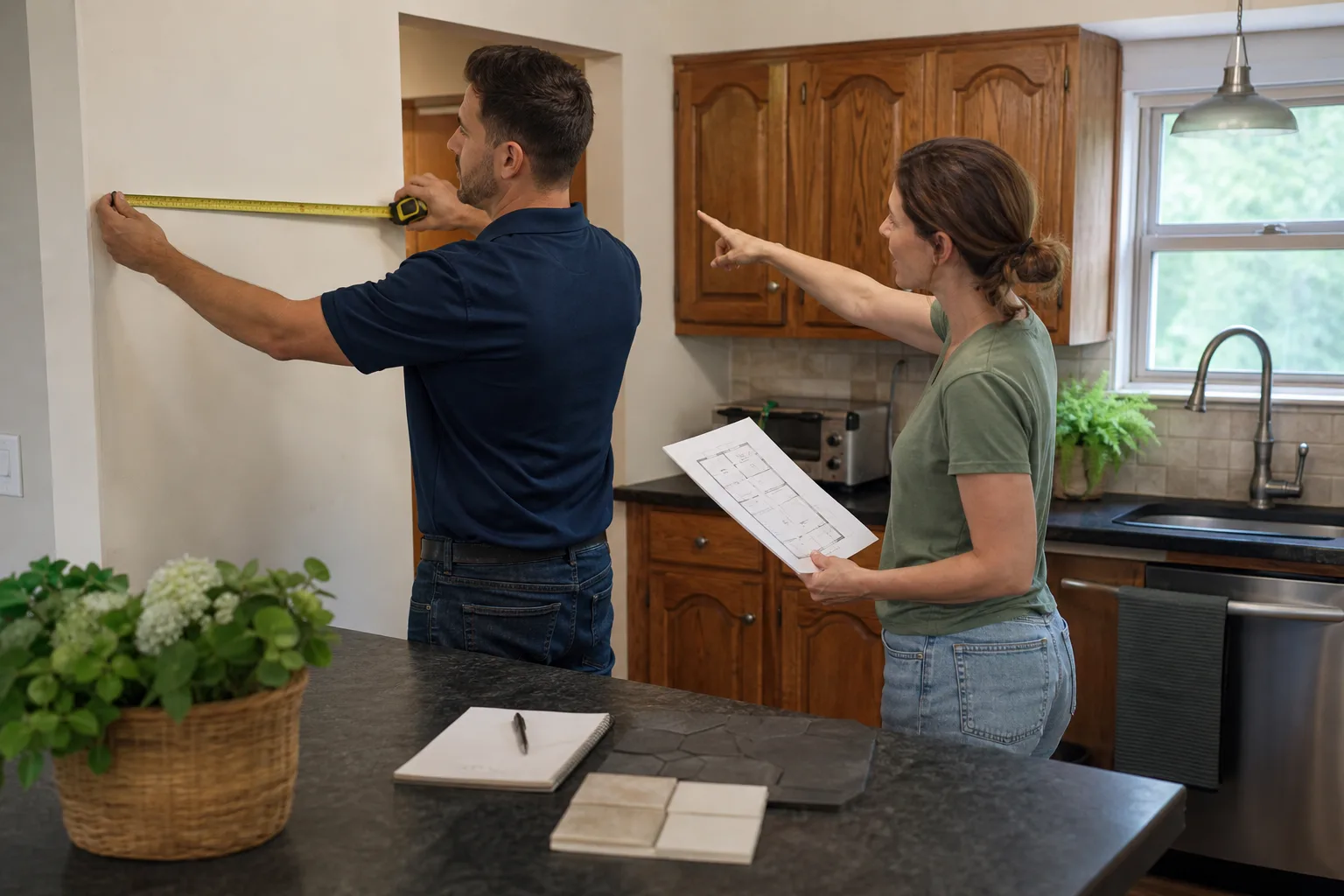
- Decide the exact scope in writing before you swing a hammer. “Remove old tile, vanity, toilet, and drywall to studs behind the sink wall” is a scope. “Demo the bathroom” is not. Every contractor bids differently against ambiguity, and ambiguity is what costs you money.
- Pull the demo permit if the work requires one. In Pasadena, a permit for the finished work generally needs to be pulled before demolition starts. Ask the contractor whether they want you to pull anything or leave it all to them. Don’t guess.
- Photograph everything before you touch it. Then photograph everything again as you remove. The photos are a record of the pre-existing condition, and if hidden damage turns up (water, termite, old wiring), you have documentation that helps your contractor price the change-order honestly.
- Stop at the rough-in line. Demo is fine. Don’t move the plumbing, don’t cut into wiring, don’t touch framing. Those are the parts that create liability, and no licensed contractor will take warranty responsibility for your rough-in.
- Dispose of debris properly. Pasadena’s debris rules are strict and construction waste can’t go in the regular bins. A permitted dumpster or a licensed haul-away costs a couple hundred dollars but saves a fine.
- Hand over a clean, documented site. A contractor who arrives to a labeled site, photos, and a written scope starts finishing work on day one instead of spending three days undoing a homeowner’s mistakes. That’s where the savings actually live.
This is the model we prefer with our own clients. If you’d rather have a contractor take it from an unopened wall, that’s fine too, and our team can walk you through both paths. See General Contractor in Pasadena for the full range of what we handle.
Common Mistakes to Avoid
- Hiring an unlicensed “helper” on a weekend. The moment you pay someone to help, you’ve created an employment relationship. If they get hurt, your homeowner’s policy may not cover it, and Pasadena’s contractor licensing board treats it as unlicensed contracting by the helper.
- Assuming the $500 threshold means small jobs are exempt. Labor plus materials combined across a project easily clears $500. Most of what gets called “a small job” in Pasadena is above the threshold the moment a contractor bids it.
- Not pulling a permit because “it’s just a bathroom.” Pasadena’s permitting records follow the house. Unpermitted work turns up at resale and costs more to legalize than the original permit.
- Buying materials before the scope is final. A homeowner we worked with bought cabinet pulls, tile, and a vanity before the layout was settled. Half of it returned, and the tile sat in the garage for eight months. Buy against a written scope.
- Cutting into pre-1978 walls without testing for lead and asbestos. It’s a health issue and a legal one. A $100 test can prevent a $30,000 cleanup.
- Doing your own electrical panel work. This is on the “never” list regardless of skill. Panel work is where we see the most expensive DIY outcomes, and the work has to be re-done by a licensed electrician and re-inspected anyway.
- Skipping the written change-order process on DIY-plus-contractor jobs. Without a written scope and a documented handoff, every contractor is guessing at the boundary, and you get billed for hours of scope reconciliation.
See the difference
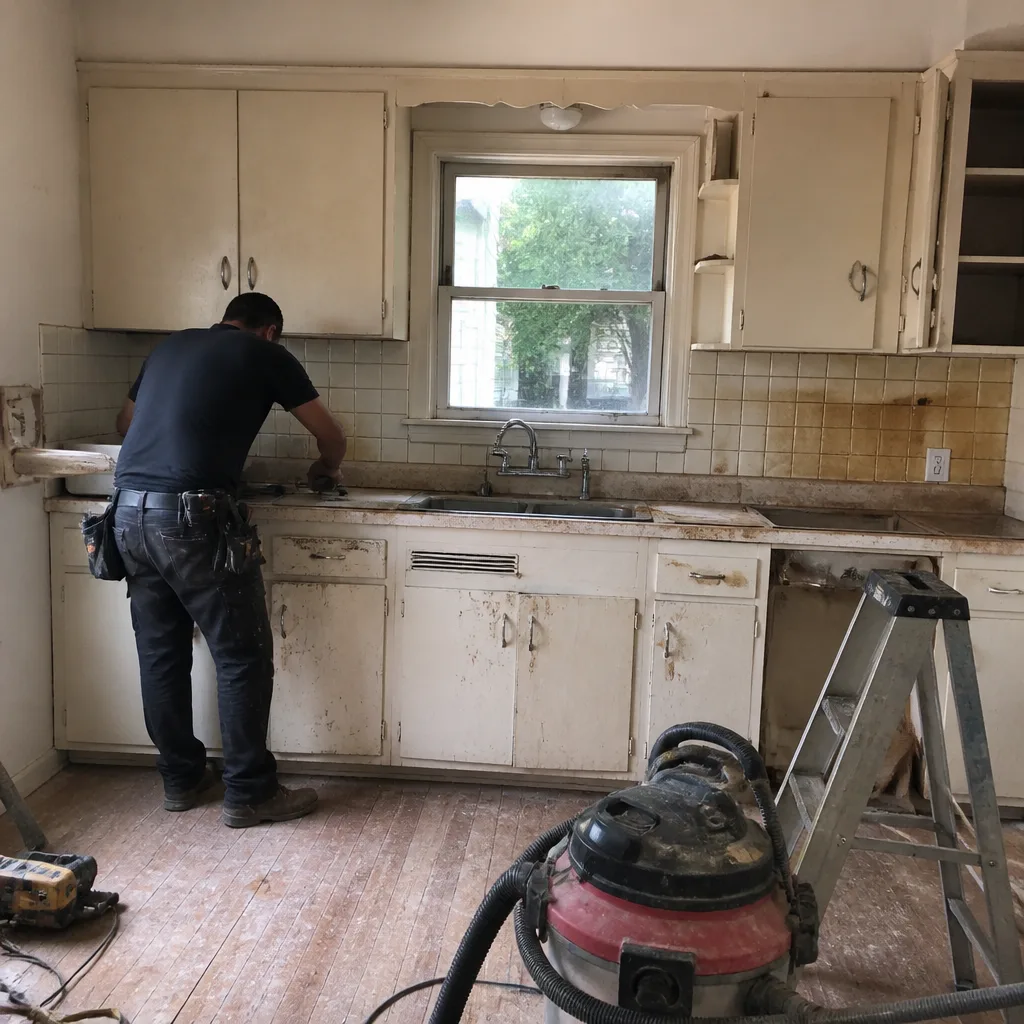 Before
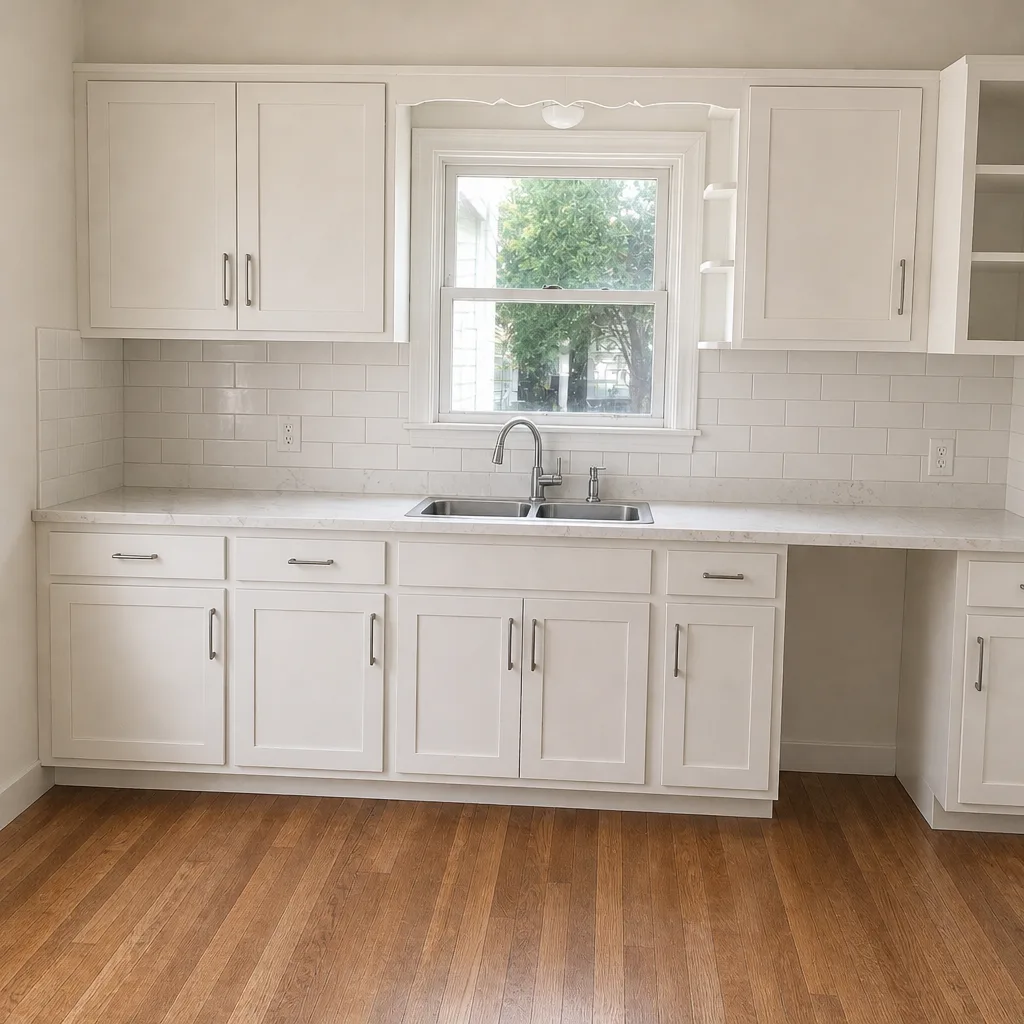 After
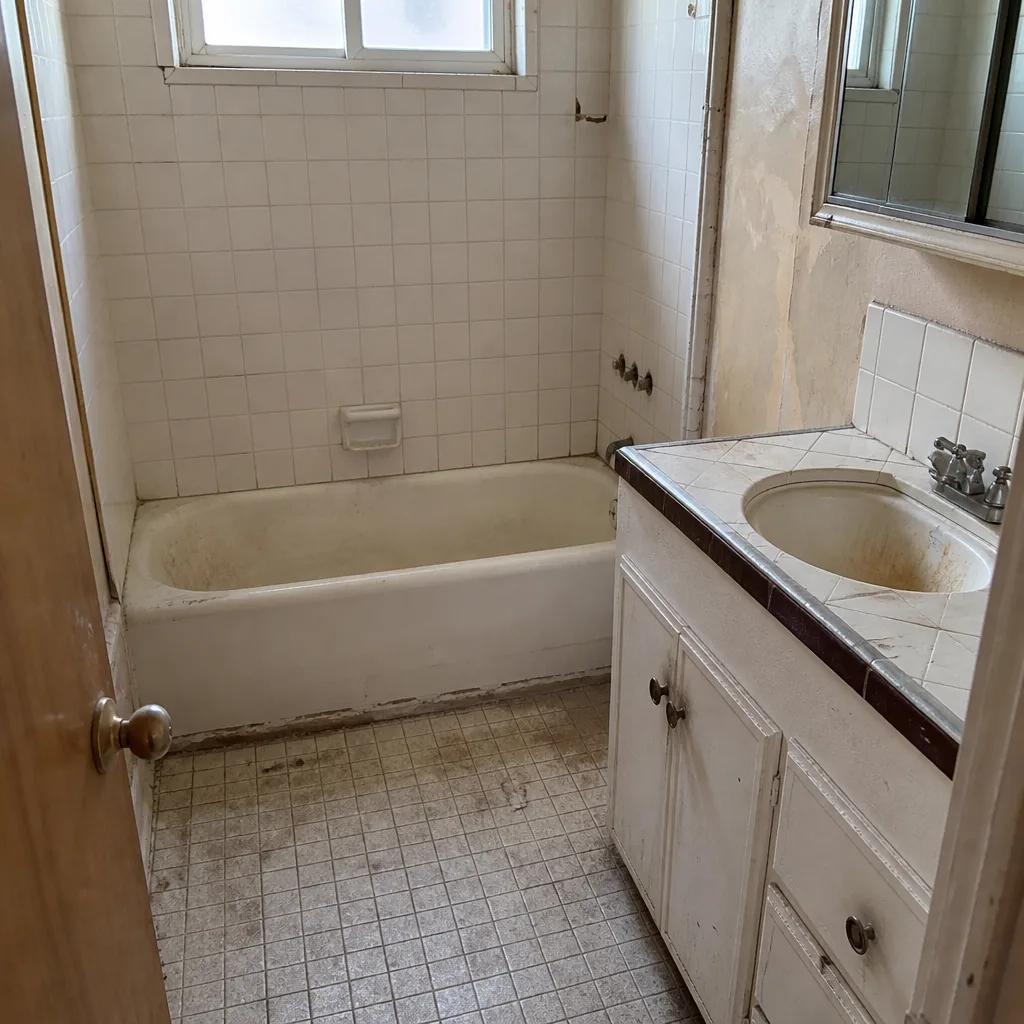 Before
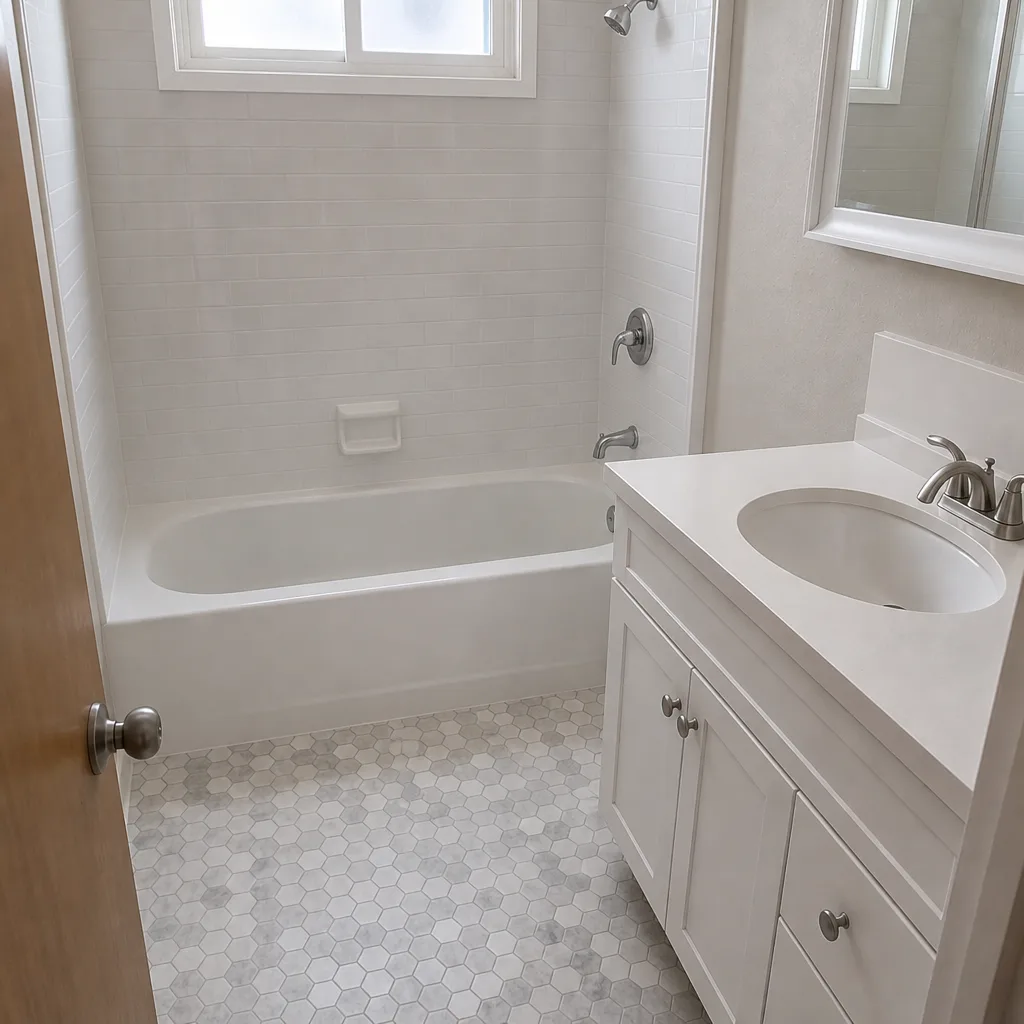 After
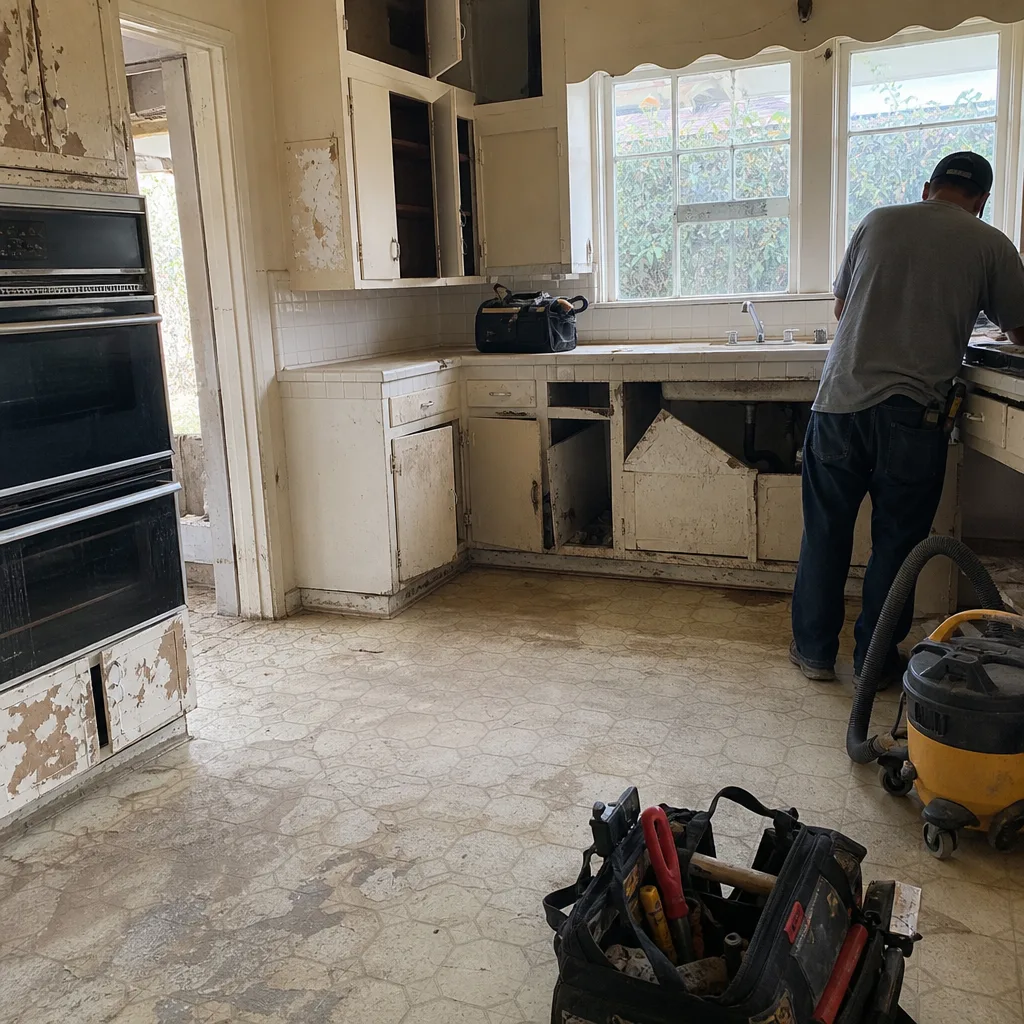 Before
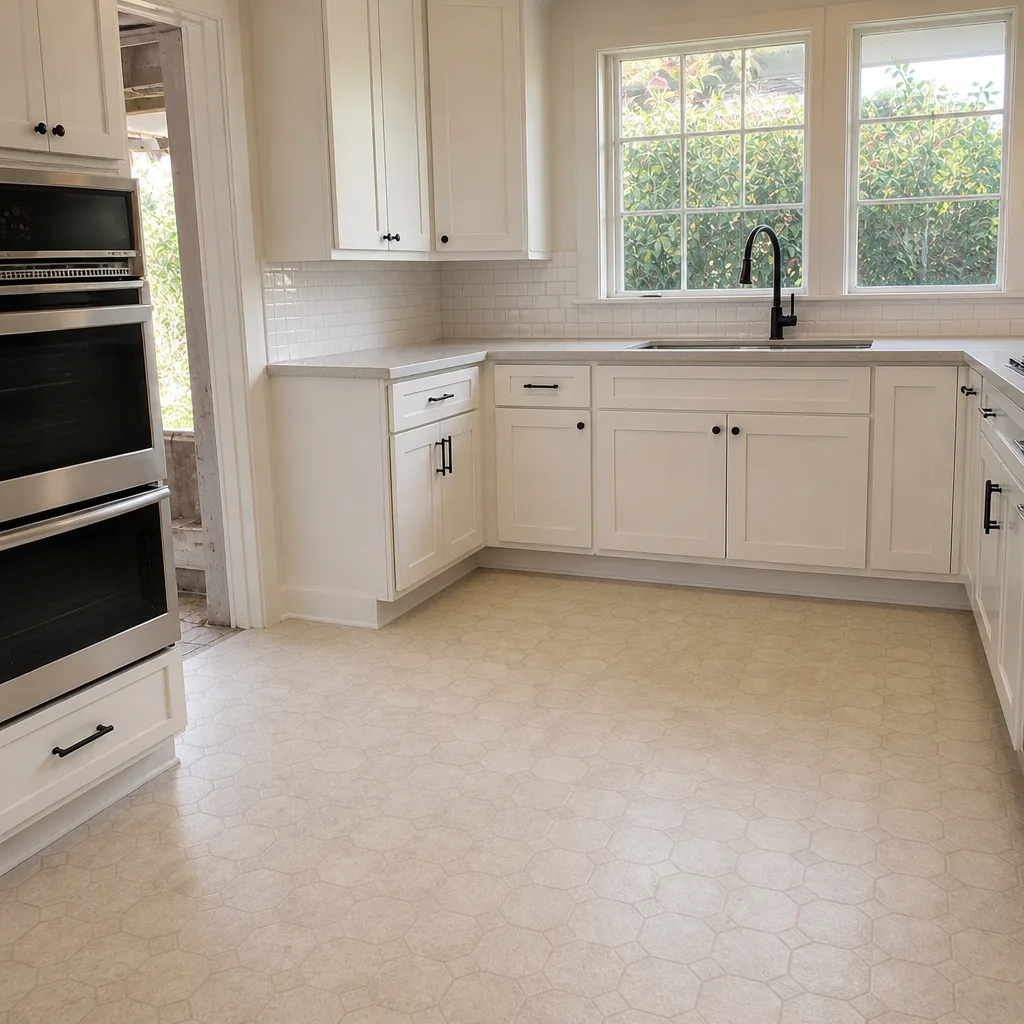 After
When to Call a Professional
Call a licensed professional for any work involving the electrical panel, gas lines, structural changes, roof penetrations, or anything that requires a Pasadena permit. Call us also when the work touches the boundary of the DIY list and the hire list, particularly in a pre-1940 Pasadena home where the walls may hold knob-and-tube wiring, lead paint, or asbestos. If a project has started and you’ve hit a decision you didn’t plan for, that’s a good moment to call too. The cost of a quick consultation is far less than the cost of getting the next step wrong.
Bradford Remodeling Co Pasadena offers free estimates in Pasadena, and every estimate is a written line-item price with a scope you can hold in your hand before work begins. Our technicians have up to 22 years of experience, are background-checked and uniformed, and every completed project is covered by the 365-Day Done Right Promise: if the work fails within a year, we come back and correct it at no charge. Call (888) 841-5410 for a free estimate.
Frequently Asked Questions
A homeowner can do some of their own electrical work in Pasadena if they live in the home and pull their own permit, but panel work, new circuits, and anything connected to the service entrance require a licensed electrician. The gray area that catches homeowners is amperage: replacing a fixture is a homeowner job; adding a circuit isn’t. Call (888) 841-5410 for a free estimate if you’re not sure which side of the line your job is on.
You must disclose unpermitted alterations and additions on the California Transfer Disclosure Statement, and buyers’ lenders can refuse to finance a home with unpermitted structural work. In practice, unpermitted work reduces your sale price, delays closing, or forces you to legalize the work retroactively. The cost of the original permit is nearly always smaller than the discount buyers demand. Call us for a free estimate and we’ll help you think through the retrofit.
For a mid-range bathroom refresh in Pasadena, DIY materials run $2,400 to $4,200 plus 40 to 70 hours of your time and $250 to $650 in permits; a licensed bid runs $6,500 to $11,500 all-in with a workmanship guarantee. For a kitchen remodel, the spread is wider, and the DIY path usually breaks on permitted electrical and plumbing work. Call (888) 841-5410 for a written line-item price so you’re comparing real numbers.
With Bradford, the written price we put in front of you before work begins is the price you pay unless the scope changes in writing. Hidden conditions behind walls are documented and priced through a written change-order process, not a surprise invoice. That’s The Garrison Standard. Call (888) 841-5410 for a free estimate.
Pre-1950 neighborhoods carry the most hidden risk: Bungalow Heaven, the area around Orange Grove and Marengo, and older homes in the Playhouse District regularly show knob-and-tube wiring, lath and plaster walls, and lead paint when we open them up. Newer build areas around the San Rafael hills and Hastings Ranch are more forgiving, but any Pasadena home older than about 1970 needs a hidden-conditions budget. Call us for a free estimate and we’ll scope it honestly.
Yes, we can pick up permitted work after homeowner demo as long as the previous rough work meets code, but we won’t sign off on or warranty electrical, plumbing, or structural work that a homeowner or unlicensed party performed. The clean way is to pull the permit before demo starts and let us scope the finished work from the open wall. Call (888) 841-5410 to schedule the walkthrough.
When the work deserves a licensed crew
Knowing which side of the line you’re on saves money and keeps you out of legal trouble. The pattern that repeats in Pasadena: homeowners handle paint, trim, tile, and demo confidently, and hire licensed contractors for the electrical, plumbing, structural, and permitted work that insurance and resale won’t forgive. Bradford Remodeling Co Pasadena works this way with clients across the area, whether we’re picking up after homeowner prep or handling the project start to finish. If you’re ready for a written line-item price on the professional side of the ledger, call (888) 841-5410 for a free estimate, or see Bathroom Remodeling in Pasadena and our Bradford Remodeling Co Pasadena home page for a look at how we run projects from first walkthrough to a signed written guarantee in your hand at close.
Written by the team at Bradford Remodeling Co Pasadena.