Last updated November 18, 2026



Free written scope consultation - allowances, timeline, and change-order rules on paper before a single trade is scheduled
DIY vs Professional General Contractor: What’s Safe to Do Yourself
California’s owner-builder exemption lets you pull your own permits on your own home. It also makes you the general contractor in the eyes of the law: personally liable for any injury on site, responsible for code compliance, and on the hook for disclosures when you sell. We’ve walked into Pasadena homes where a weekend panel swap left the next owner with an insurance claim nobody would cover. So the real question isn’t whether you can swing a hammer. It’s whether you can absorb the permit exposure, the liability, and the resale risk. This guide draws the legal line between owner-builder work and licensed work, so you can decide with the stakes on the table.
Quick Answer
In California, a homeowner may legally pull permits and do most work on their own primary residence under the owner-builder exemption, but anything over $500 in combined labor and materials that you hire out to an unlicensed person is illegal contractor work under Business and Professions Code section 7048. Painting, tile, cabinet swaps, and finish carpentry are safe DIY territory. Electrical panel work, gas lines, structural changes, and additions are not: they require permits, licensed trades, and inspections, and unpermitted work can void insurance coverage and follow the house through disclosure at sale.
Styles & brands we work with
- Kitchen remodeling
- Bathroom remodeling
- Home additions & ADU
- Roofing
- Windows & doors
- Driveway & pavers
- Fence
Table of Contents
- What Is California’s $500 Rule, and Why It Sets Your DIY Ceiling
- Which Jobs Always Need a Permit, No Matter the Cost
- What the Owner-Builder Exemption Actually Exposes You To
- How Unpermitted Work Shows Up in Your Insurance Policy
- Disclosure at Sale: What Buyers’ Inspectors Are Trained to Flag
- The Straight Checklist: Safe DIY vs. Licensed Hands Only
- Pasadena-Specific Rules and Conditions That Change the Math
- Common Mistakes to Avoid
- When to Call a Professional
- Frequently Asked Questions
What Is California’s $500 Rule, and Why It Sets Your DIY Ceiling
Business and Professions Code section 7048 is the line most homeowners have never heard of. It makes it a misdemeanor to act as a contractor without a license on any job where the combined cost of labor and materials exceeds $500. That number is not indexed to inflation and it’s not adjusted per project phase. It’s $500, full stop.
Here’s why that matters for DIY. The $500 rule isn’t about what you’re allowed to do with your own hands. It’s about what happens the moment you hire someone. If you bring in an unlicensed “handyman” to run a new circuit in your garage for $1,200, you and he are both exposed. If that person is injured on the job, your homeowner’s policy may deny the claim, and you may be personally responsible for medical costs. Workers’ compensation coverage is one of the things a licensed contractor carries that an unlicensed helper does not.
Three practical consequences follow from that threshold:
- You can legally do the work yourself on your primary residence, as an owner-builder, for any scope – provided you pull the required permits and pass inspection.
- You cannot hire unlicensed labor for any job above $500 in combined labor and materials. That includes the neighbor’s nephew who “does good work.”
- You can hire a licensed general contractor for anything, and they carry the license, the bond, and the liability that comes with the scope.
In Pasadena we see the $500 line crossed constantly on small jobs: a sub-panel to feed a garage workshop, a gas line run for a new range, a “quick” load-bearing wall removal between the kitchen and dining room. Those are the exact jobs that start as a weekend project and end as a permit problem.
Which Jobs Always Need a Permit, No Matter the Cost
Some scopes are permit-required regardless of dollar amount. Cost is not the trigger for these; the work itself is. In our experience, this is where homeowners get into trouble, because a small job can still be a permit job.
The scopes that always require a permit in California, and nearly always require a licensed trade to sign off:
- Electrical panel work. Replacing a panel, adding a sub-panel, or upgrading service to 200 amps. Any new circuit beyond a simple fixture swap also pulls a permit. Panel work is the single most common source of insurance trouble we see in older Pasadena homes with original 100-amp service and cloth wiring.
- Gas line work. New gas runs, relocations, and any change to a gas appliance connection. The pressure test and inspection are the whole point.
- Structural modifications. Removing or modifying a load-bearing wall, cutting a new opening, sistering joists, or any change to the foundation, framing, or shear walls.
- Additions and square footage changes. Any new conditioned or unconditioned space, including garage conversions and second-story additions.
- Roof replacement and re-roofing. Even over existing shingles, a permit is required, and the permit is what documents the material specification if a warranty claim comes up later.
- Water heater and HVAC replacements. Both pull permits, and both have code requirements (seismic strapping, ventilation, refrigerant handling) that a homeowner can technically meet but usually doesn’t.
You’ll notice these share a trait: each one can kill someone, burn the house down, or compromise the structural envelope. That’s why the permit exists. It’s not a tax on ambition. It’s a second set of eyes at the moment the work is buried behind drywall.
What the Owner-Builder Exemption Actually Exposes You To
The owner-builder exemption is real and useful. It lets you pull your own permits on a home you occupy, which means you don’t have to hire a general contractor to remodel your own kitchen. What it doesn’t do is shield you. People misread the exemption as a license to build. It’s actually a transfer of responsibility.
When you sign as owner-builder, you are certifying that you understand the following:
- You are responsible for meeting all applicable codes and regulations, and for the work being done by licensed trades where required.
- You assume full liability for any injury that occurs on the job site, including to any worker you hire.
- You are responsible for workers’ compensation coverage for anyone you employ on the project.
- You cannot sell or rent the home within one year of completing the work without a disclosure, and California requires an owner-builder disclosure statement in certain sale and rental situations.
- You are not covered by the protections a licensed contractor’s bond and workers’ comp would otherwise provide.
In Pasadena, this bites hardest on hillside properties in the Altadena and Linda Vista areas, where retaining wall work and drainage corrections often get done under owner-builder permits. If a wall fails and damages a neighbor’s property, the owner-builder is the party on the permit and the party in the lawsuit. We’ve seen it take two years to resolve. The savings on the permit fee is measured in hundreds of dollars. The exposure is measured in six figures.
How Unpermitted Work Shows Up in Your Insurance Policy
Homeowner’s policies rarely say “we exclude unpermitted work” in those exact words. They don’t need to. The exclusion is usually tucked into the language about losses “arising from construction” or “faulty workmanship” or “ordinance or law.” Read those three phrases in your own policy and you’ll see the hook.
Here’s how the claim typically goes. A slow leak behind a shower wall from a DIY rough-in fails during a rain event, and you file a water damage claim. The adjuster inspects, discovers no permit record, and denies the claim as a construction defect. Or: an electrical fire starts behind a homeowner-installed sub-panel, and the insurer argues the loss arose from work performed outside code. Either way, the homeowner is self-insured for a loss they thought was covered.
The insurance angle is usually what pushes a homeowner from “I’ll do it myself” to hiring a licensed general contractor. In our experience, the two questions to ask your own insurer before any DIY work are:
- Does my policy exclude losses from construction or repairs performed without a permit?
- If I hire an unlicensed helper and they’re injured, does my homeowner’s liability respond, or am I on my own?
Get the answers in writing or on a recorded call. The policy language is not something we can interpret for you, but we can tell you what we see on claims.
Disclosure at Sale: What Buyers’ Inspectors Are Trained to Flag
Unpermitted work comes back into your life the day you list the house. California requires sellers to disclose known material defects, and unpermitted additions, conversions, and structural changes are near the top of the list. The standard Transfer Disclosure Statement has a dedicated line about “room additions, structural modifications, or other alterations or repairs made without necessary permits.” You have to answer it truthfully.
Buyers’ inspectors are trained for exactly this. In Pasadena, the flags we see most often on inspection reports are:
- An addition or enclosed patio with no permit record at the city, often pulled by a previous owner 20 years ago.
- A converted garage or bonus room with no permit trail and no record of the required egress, insulation, or HVAC work.
- Electrical panel labeling that doesn’t match the home’s actual circuits, or a sub-panel with no permit on file.
- Structural alterations where a beam or opening was added with no engineering on file.
- Water heater or HVAC replacements with no permit record, which usually means no proof of the equipment’s installation date.
The practical effect on a sale is one of three outcomes: the buyer asks for a price reduction, the buyer asks you to permit the work retroactively before close, or the buyer walks. In a market like Pasadena’s, that can mean a deal falling apart over a 12-year-old unpermitted bathroom.
The Straight Checklist: Safe DIY vs. Licensed Hands Only
This is the list we hand to homeowners who ask what they can do themselves. It starts from the premise that you’re competent, patient, and willing to read the instructions. That’s the baseline. Where the work requires a permit or a licensed trade, the answer is no regardless of your skill level.
Safe and legal to do yourself:
- Interior and exterior painting, including trim prep and sanding.
- Tile work, including backsplashes, floor tile, and shower surrounds, provided the waterproofing substrate is installed correctly.
- Cabinet hardware swaps, drawer and door replacements, and cabinet painting.
- Finish carpentry: baseboards, shoe molding, crown molding, casing, and shelf built-ins.
- Cabinet swaps where the box footprint and service connections (plumbing, electrical, gas) are not changing.
- Light fixture swaps, outlet and switch cover replacements, and swapping a standard switch for a smart switch on an existing circuit.
- Landscaping, sod, hardscape pavers, and low-voltage path lighting.
- Fence repair, gate repair, and exterior trim repair.
- Caulking, weatherstripping, and other weatherproofing.
Licensed hands only, permit required:
- Electrical panel replacements, sub-panel additions, and service upgrades.
- New circuits, outlet additions, and full-house rewiring.
- Gas line work of any kind.
- Load-bearing wall removal, beam replacements, and structural repair.
- Foundation repair and any work that touches the structural envelope.
- Roof replacements and any work above the roofline.
- Water heater and HVAC replacement.
- Additions, garage conversions, and any change to conditioned square footage.
If you’re looking at a scope that crosses the second list, that’s the moment to bring in a licensed contractor. Our General Contractor in Pasadena page covers how we scope those projects, what the permit pathway looks like, and where the written price gets set before work begins.
Pasadena-Specific Rules and Conditions That Change the Math
Pasadena has its own overlay of conditions that shape the DIY ceiling, and it’s worth knowing them before you start. The city sits in a seismic zone, it has a mature housing stock with a large share of pre-1950 homes, and its hillside and historic districts add review layers that a flat, new-build suburb doesn’t have.
- Older housing stock. A large share of Pasadena homes predate 1950, which means cloth wiring, galvanized plumbing, and knob-and-tube in some cases. A “simple” panel swap on a 1948 bungalow near Caltech often turns into a full rewire once the electrician opens the wall.
- Seismic upgrades. Soft-story and cripple-wall retrofits are permit-required and engineered. You cannot owner-build a foundation retrofit to current code without engineering. The math almost always favors licensed work.
- Historic districts. If the home sits in a designated historic district, exterior changes go through the city’s design review, and a homeowner who skips that step can be required to undo the work.
- Hillside and fire-zone requirements. Hillside properties in the Altadena and Linda Vista areas carry drainage, retaining wall, and fire-resistant material requirements that a homeowner may not know exist. James Hardie fiber cement siding is a common specification for exterior work in these zones because it holds up in the heat and meets ignition-resistant requirements in many applications.
- Heat and dry cycles. Pasadena’s hot, dry summers and winter rain swings put real stress on exterior finishes. A DIY paint job that skips proper prep fails in two seasons. The heat cracks cheap caulk and lifts paint from unprepared stucco.
That’s why a Pasadena project often costs more than the same scope in a newer metro. The distance isn’t in the labor rate. It’s in what’s behind the wall when you open it.
Common Mistakes to Avoid
- Treating the $500 rule as the DIY ceiling. The $500 rule limits what you can hire out, not what you can do yourself. Homeowners constantly confuse the two and either skip permit-required work they shouldn’t or hire unlicensed help they legally can’t.
- Pulling an owner-builder permit and then hiring day labor. You are the contractor of record, which means you carry the liability for any injury on site, and if the laborer is unlicensed and above the $500 line, you’ve both broken the law.
- Skipping permits to save a few hundred dollars. A permit for a panel swap runs in the low hundreds in Pasadena. The disclosure and insurance consequences can run into five figures. The math is never in your favor.
- Assuming “handyman” means licensed. California does not license handymen for work above the $500 threshold. Any handyman willing to do larger work without a license is telling you something about how they operate.
- Replacing a load-bearing wall without engineering. We’ve seen homeowners in Pasadena remove a wall between the kitchen and dining room because “it looked like it wasn’t holding anything up.” The header and post requirements are not negotiable and not something to eyeball.
- Letting a DIY repair sit unfinished before a sale. The disclosure question isn’t whether the work was done right, it’s whether it was permitted. Unfinished or unpermitted work has to be disclosed, and it drives down the offer.
- Not documenting material brands and specifications. If you ever sell, or file a warranty claim, the paper trail matters. We specify GAF roofing, James Hardie siding, and Therma-Tru doors on many of our Pasadena projects specifically because those manufacturers document their specs and back their products with written warranties.
When to Call a Professional
Call a licensed contractor when the scope touches anything permit-required, anything structural, anything gas or electrical beyond a fixture swap, anything that changes square footage, or anything where you can’t get the insurance and disclosure answers you need in writing. Call one when the work involves opening a wall in a pre-1950 Pasadena home, because what you discover will change the scope. Call one when you’re planning to sell within a few years, because the permit trail is part of the sale. And call one when the injury exposure – to yourself, a family member, or a hired helper – is more than you can absorb personally. Our Kitchen Remodeling in Pasadena and Bathroom Remodeling in Pasadena pages cover what the licensed pathway looks like on those scopes. Bradford Remodeling Co Pasadena offers free estimates in Pasadena. Call (888) 841-5410.
Frequently Asked Questions
You can do any work yourself on your own primary residence under the owner-builder exemption, provided you pull the required permits and pass inspection. The legal limit applies to who you hire, not what you do with your own hands: hiring an unlicensed person for work above $500 in combined labor and materials is illegal contractor work under Business and Professions Code section 7048.
You must disclose the known unpermitted work on the Transfer Disclosure Statement, and buyers’ inspectors are trained to flag it. The practical outcomes are a price reduction request, a demand that you permit the work retroactively before close, or the buyer walking away. In a competitive Pasadena market, disclosure can still cost tens of thousands in negotiated price.
Usually not. Most California policies exclude losses arising from construction or faulty workmanship, and unpermitted work is typically treated as a construction defect. Ask your own insurer directly whether your policy excludes losses from construction performed without a permit, and get the answer in writing before you start.
Yes. California allows an owner-builder to pull permits on an owner-occupied residence. When you sign as owner-builder, you certify that you’ll meet all applicable codes and that you assume full liability for site safety, workers’ compensation, and code compliance. Any licensed trades on the job still have to pull their own trade permits.
Yes. A water heater replacement pulls a permit in Pasadena, and the permit is what documents the installation date and the seismic strapping. Without it, the next buyer’s inspector will flag it, and your warranty claim on the unit is weaker. The permit cost is a few hundred dollars; the resale and insurance consequences run higher.
We work from a documented material roster: KraftMaid and Wellborn cabinetry, Cambria and Caesarstone surfaces, Kohler and Moen fixtures, and GAF, James Hardie, and Therma-Tru exterior products. Specifying manufacturer brands with written warranties means the material specifications are traceable, and warranty claims aren’t left to memory. Call (888) 841-5410 for a free estimate and we’ll put the specification list in the written quote.
The Bottom Line
The DIY-versus-hire question in California isn’t a skill test. It’s a permit-and-liability calculation. You can legally do a lot with your own hands under the owner-builder exemption: paint, tile, cabinets, finish carpentry, light fixture swaps, landscaping. You cannot legally hire an unlicensed helper above $500, and you cannot legally skip permits on panel work, gas work, structural changes, and additions. The insurance and disclosure consequences of unpermitted work are the part that surprises homeowners, and the part that costs the most. Know which column your project lands in before you pick up a tool or sign a check.
Our technicians have up to 22 years of experience. Every project we take on gets a written price before work begins, and a full-year written guarantee through our 365-Day Done Right Promise: if the work fails inside that window, we come back and correct it at no charge. We install documented brands (KraftMaid, Wellborn, Cambria, Kohler, GAF, James Hardie, Therma-Tru) with manufacturer specs and warranties behind them. A live person answers the phone, day or night. To start, visit our Bradford Remodeling Co Pasadena home page, or read about Bathroom Remodeling in Pasadena to see how a licensed scope gets priced.
Call (888) 841-5410 for a free estimate. We’ll put the price in writing before any work begins.
Written by the team at Bradford Remodeling Co Pasadena.
See the difference
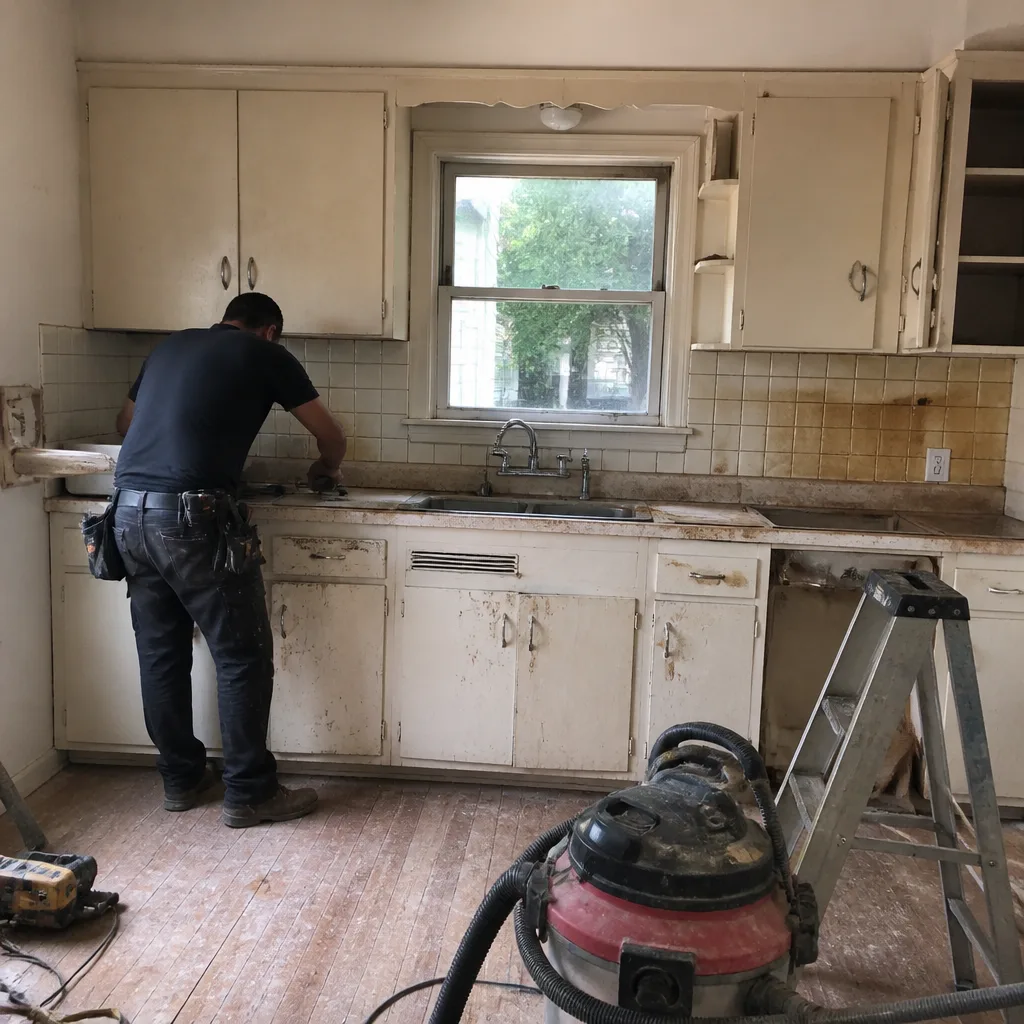 Before
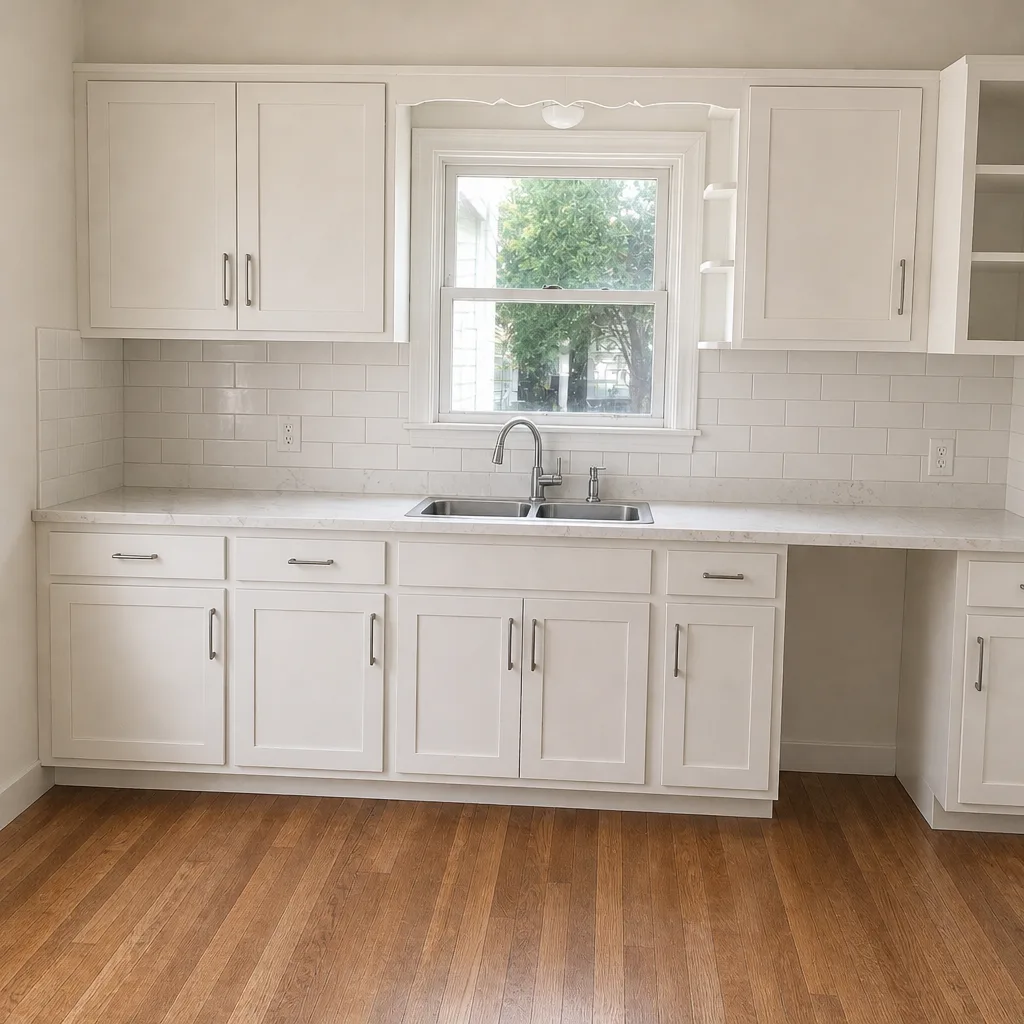 After
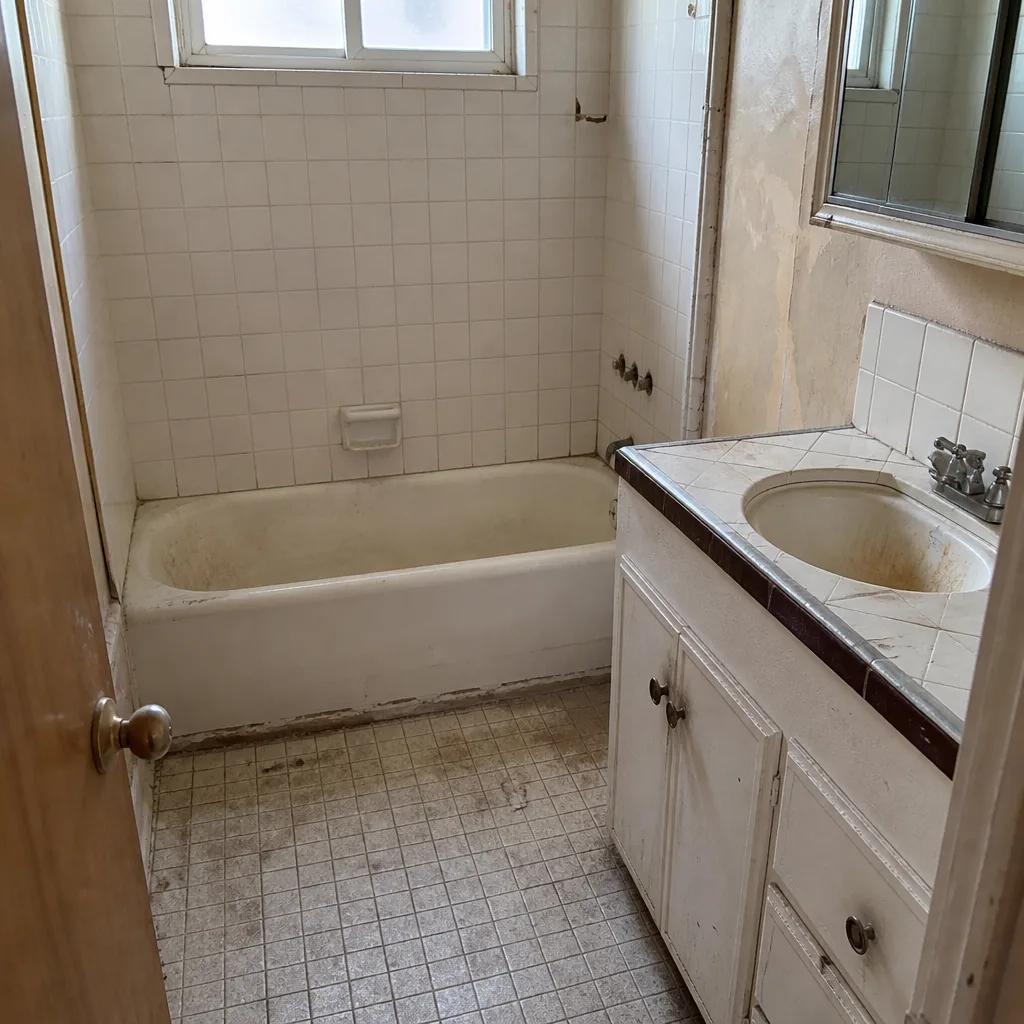 Before
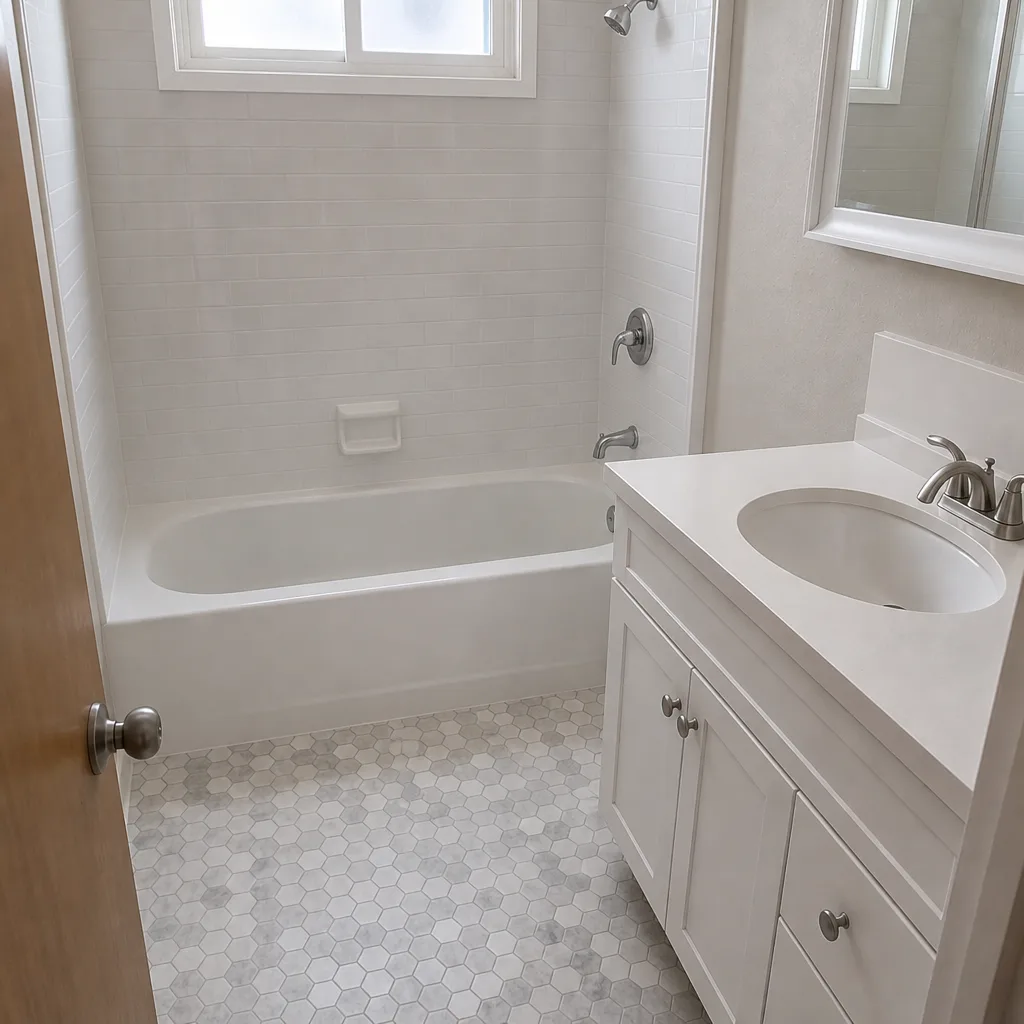 After
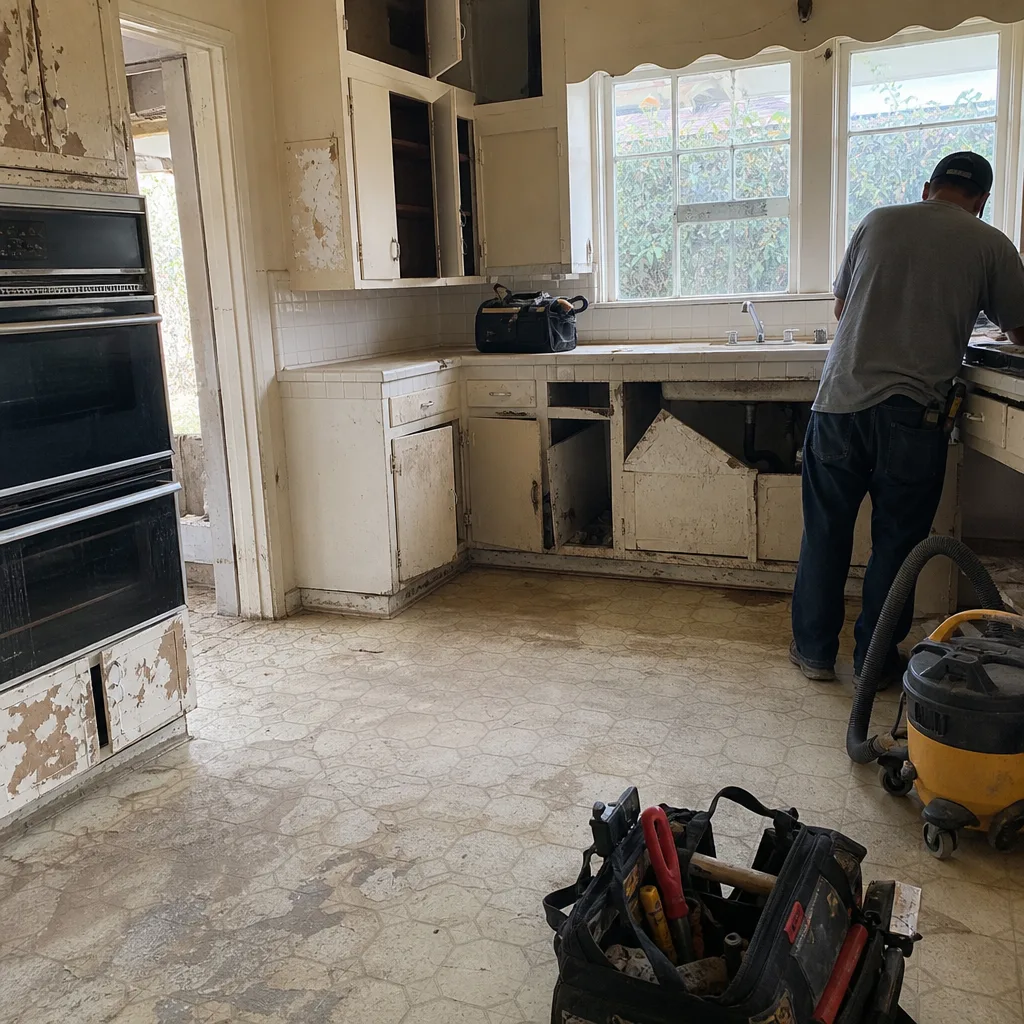 Before
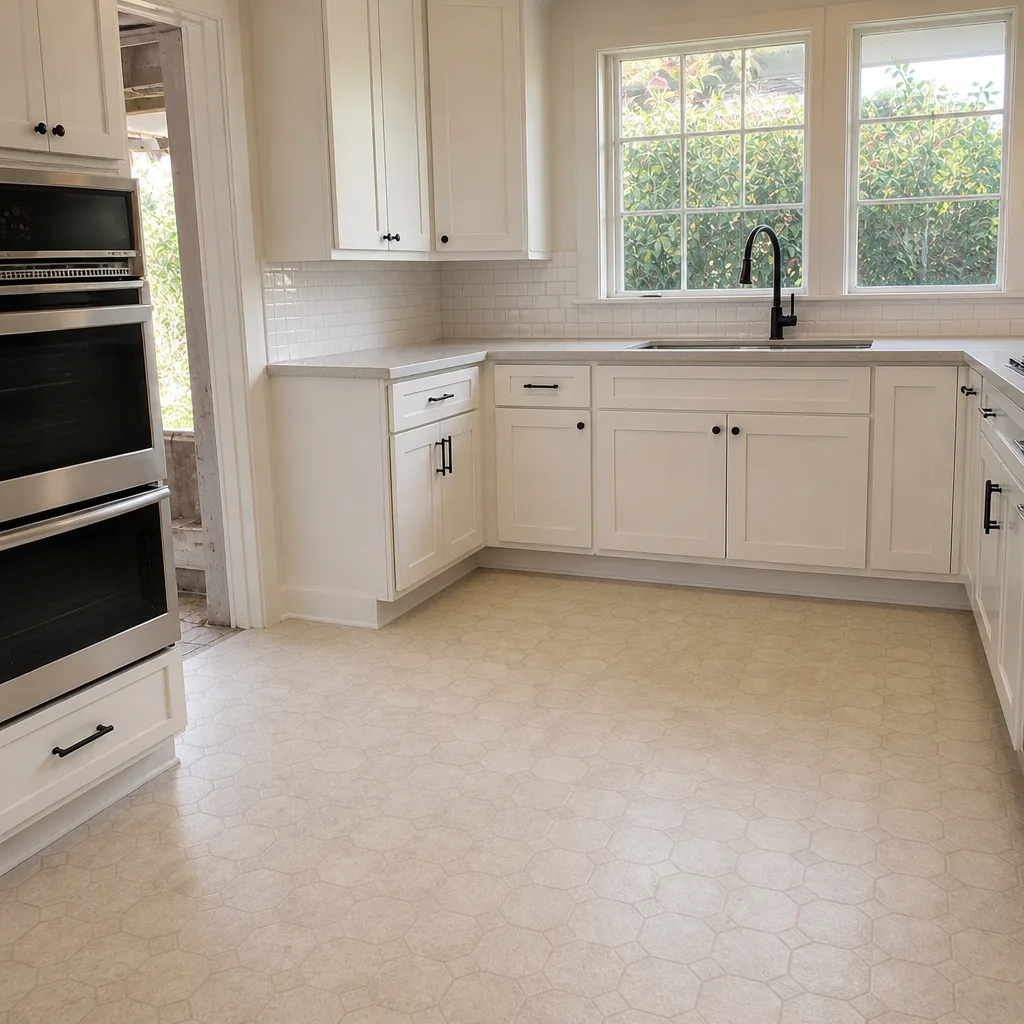 After