Last updated November 18, 2026



Free written scope consultation - allowances, timeline, and change-order rules on paper before a single trade is scheduled
DIY vs Professional Home Remodeling: What’s Safe to Do Yourself
Here’s a fact that surprises most homeowners: in California, the question that decides whether you can legally do a job yourself has nothing to do with your skill level. It’s whether the work requires a permit. A homeowner in Pasadena who installs their own recessed lighting without pulling a permit hasn’t just skipped paperwork – they’ve created a record gap that an insurance adjuster can point to years later if that circuit is cited as a cause of a fire. The most expensive remodels we’ve seen weren’t the ones that cost too much. They were the ones done quietly, without a permit, and discovered during a claim. This guide explains where the real line sits in Pasadena, what’s genuinely safe to tackle yourself, and when the risk tips past the savings.
Quick Answer
Safe DIY remodeling in Pasadena means cosmetic work only: painting, swapping cabinet hardware, changing light fixtures on existing circuits, non-structural demolition, and finish carpentry within a limited scope. Anything that touches electrical rough-in, plumbing supply or drain lines, structural framing, or requires a building permit under California law should go to a licensed contractor – not because you can’t do it, but because unpermitted work can void insurance coverage and create a disclosure problem when you sell.
Styles & brands we work with
- Kitchen remodeling
- Bathroom remodeling
- Home additions & ADU
- Roofing
- Windows & doors
- Driveway & pavers
- Fence
Table of Contents
- Pasadena Permit Triggers: What Actually Requires a Licensed Contractor
- Insurance Liability and the “Material Misrepresentation” Problem
- The DIY Tasks That Are Genuinely Safe and Low-Liability
- Why “I’ll Just Open the Wall and See” Is the Most Expensive Sentence in Remodeling
- How to Legally Act as Your Own General Contractor in California
- DIY vs Professional: Real Cost Comparison for Pasadena Homeowners
- When DIY Stops Saving Money and Starts Creating Risk
Pasadena Permit Triggers: What Actually Requires a Licensed Contractor
Pasadena Building & Safety follows the California Building Standards Code, and the permit thresholds are specific. When a homeowner asks us whether they can handle a job themselves, we point to the same three triggers every time: electrical, plumbing, and structural. Cross any of those lines and you’re not doing a DIY project anymore – you’re doing unpermitted work, whether or not you realize it.
These are the thresholds that matter in Pasadena:
- Electrical: Adding a new circuit, moving an outlet or switch more than a few feet, installing recessed lighting tied to new wiring, upgrading a panel, or adding any 240-volt appliance circuit all require a permit. Replacing a light fixture or switch on an existing circuit does not.
- Plumbing: Moving a supply line, relocating a drain, adding a fixture, or replacing a water heater requires a permit. Swapping a faucet or a toilet in the same location usually does not, though a water heater replacement in Pasadena does trigger a permit and inspection.
- Structural: Removing any wall – even one that looks non-load-bearing – requires confirming it isn’t carrying load, which requires a permit and often an engineer’s stamp. Opening a load-bearing wall without an engineer’s review is the single most common expensive mistake we see in older Pasadena homes.
California law (Business and Professions Code) requires a licensed contractor for any project over $500 in labor and materials combined. That number is low on purpose. A bathroom tile job, a small deck repair, a kitchen backsplash – most of these cross $500 fast. If you’re planning a larger remodel, our General Contractor in Pasadena page walks through what a permitted project looks like from start to inspection.
Insurance Liability and the “Material Misrepresentation” Problem
This is the part homeowners rarely hear until it’s too late. Your homeowner’s policy includes a duty to disclose material facts about the property. When you complete unpermitted work – especially work that touches electrical, plumbing, or structural systems – and don’t disclose it, an insurer can argue material misrepresentation if a later claim traces back to that work. That’s the language in the policy. It’s not a scare tactic; it’s how claims investigations actually work.
Here’s how it plays out in practice. A fire starts in a wall. The adjuster’s investigator finds the wiring was added without a permit and without inspection. The insurer’s position becomes: this work was never disclosed, never inspected, and never verified to code. Coverage for that portion of the loss is now in question, and in some cases the entire claim gets contested. The same scenario applies to water damage from an unpermitted plumbing move, or a roof leak traced to a structural change made without a permit.
There’s a second layer. California requires sellers to disclose known material defects and unpermitted work on the Transfer Disclosure Statement. Unpermitted work done by a previous owner, discovered during your ownership, becomes your disclosure obligation when you sell. Buyers’ agents flag it. Lenders sometimes require it to be permitted or removed before closing. The work doesn’t disappear when you sell – it follows the house.
This is why we draw the line at liability exposure rather than skill. A homeowner with real ability can still create a coverage gap. The permit and the inspection are what convert a job into something insurable.
The DIY Tasks That Are Genuinely Safe and Low-Liability
Plenty of remodeling work is safe to do yourself, and we tell homeowners so. The key is staying inside the cosmetic layer – work that doesn’t touch systems, doesn’t require a permit, and doesn’t create a disclosure issue down the road. If a task can be undone with a paint roller or a screwdriver, you’re probably fine.
Here’s our short list of what we consider genuinely safe DIY in a Pasadena home:
- Interior painting. Walls, ceilings, trim. No permit, no system exposure. Prep work matters more than the paint – sanding, patching, priming – but the risk ceiling is low.
- Cabinet hardware and drawer pulls. Swapping knobs and pulls is a two-hour job with a drill and a template. If you’re planning a full cabinet refresh, our Kitchen Remodeling in Pasadena page covers when hardware-only stops being enough.
- Non-structural demolition. Tearing out old cabinets, removing a non-load-bearing partition that’s been confirmed as such, pulling up carpet or old tile. Confirm no plumbing or wiring runs through the wall before you swing a sledgehammer.
- Finish carpentry within a limited scope. Installing baseboards, shoe molding, or a pre-hung interior door in an existing opening. Once you’re framing a new opening, you’ve crossed into permit territory.
- Fixture swaps on existing connections. Replacing a faucet, a toilet in the same location, a light fixture on an existing circuit, or a showerhead. Swapping a Kohler or Moen faucet for a new one is a legitimate DIY job; relocating the supply lines is not.
- Landscaping and hardscape repair. Resetting pavers, refreshing mulch beds, planting. Belgard and Unilock installations are a different scope, but repair and upkeep are fair game.
Notice what’s not on the list: anything that changes the electrical layout, moves a drain, or opens a wall. Those are the categories where a licensed contractor isn’t optional under California law.
Why “I’ll Just Open the Wall and See” Is the Most Expensive Sentence in Remodeling
We hear it on almost every older Pasadena home: “Let’s just open the wall and see what’s back there.” It sounds reasonable. It’s also where budgets blow up and where a licensed contractor’s legal obligations kick in that a homeowner doesn’t have to face.
Pasadena has a lot of homes built between 1900 and 1960, and the walls in those homes hide things. Knob-and-tube wiring that’s still live. Cast iron drain lines that are cracked but functioning. Asbestos-containing joint compound or floor tile. Lead paint under three layers of latex. Once the wall is open and a licensed contractor sees a code violation or a hazardous material, California law requires them to stop, disclose, and correct it before continuing. That’s the right thing, and it’s also the expensive thing – the scope just changed.
A homeowner who opens that same wall has no legal duty to disclose what they find to themselves, but they do have a duty to disclose it when they sell. And they’ve now created an open wall with a discovered problem and no permitted path to close it correctly. What started as a “quick peek” becomes a full remediation and a permit that has to be pulled retroactively. In our experience, the single most expensive sentence in home remodeling is “we’ll just open it up and see.”
The disciplined alternative is to open the wall inside a permitted scope, with a contractor who can absorb the discovery, correct it, and document it for the inspection and the eventual sale.
How to Legally Act as Your Own General Contractor in California
California does allow a homeowner to act as their own general contractor on their primary residence. It’s called an owner-builder permit, and it’s a real, legal path. It’s also narrower than most homeowners realize.
The owner-builder rules that matter:
- It’s for your primary residence only. You cannot owner-build a rental property or a flip you intend to sell within one year of completion. The CSLB enforces this.
- You take on the general contractor’s legal role. That means you’re responsible for pulling all permits, scheduling all inspections, coordinating every subcontractor, and ensuring the work meets code. The building department holds you accountable, not your subs.
- You still need licensed subcontractors for licensed trades. An owner-builder permit doesn’t let you perform electrical, plumbing, or mechanical work that requires a license. You can hire and manage licensed subs, but you can’t legally do their work.
- You carry the disclosure obligation. Every inspection, every correction, every permit is now yours to document and later disclose to a buyer.
- Lender and insurance complications are real. Some construction loans won’t fund an owner-builder project. Some insurers price owner-builder risk higher during the build.
Owner-builder makes sense for a hands-on homeowner with project management experience and a lot of available time. For most homeowners, the honest math is that managing three or four licensed subs, a permit schedule, and an inspection calendar costs more in lost weekends than it saves. If you’re considering it for a kitchen or bathroom, our Bathroom Remodeling in Pasadena page covers what inspections are involved in a typical permitted bath.
DIY vs Professional: Real Cost Comparison for Pasadena Homeowners
This is the comparison homeowners usually want – and most of the internet gets wrong by comparing only the visible labor cost. The real number includes permit fees, inspection costs, the value of your time, and the risk-adjusted cost of what happens if something goes wrong. Here’s a realistic view of common Pasadena projects.
- Interior painting, single room (12×14): DIY materials $150-$400. Professional $600-$1,400. DIY wins clearly.
- Kitchen cabinet hardware swap: DIY materials $40-$120. Professional $200-$400. DIY wins.
- Bathroom faucet replacement (same location): DIY materials $80-$250 (Kohler or Moen fixture). Professional $250-$500 installed. DIY is fine if supply lines are in good shape.
- Recessed lighting, four new fixtures: DIY materials $200-$400, but the electrical permit alone runs $150-$350 in Pasadena, and the work requires a licensed electrician under California law. Professional $900-$1,800 including permit and inspection. This is not a legal DIY job.
- Bathroom shower tile replacement: DIY materials $600-$1,200 if the substrate is sound. Professional $3,500-$6,500 including waterproofing, permit, and inspection. If the substrate is wet – common in older Pasadena baths – DIY becomes a full rebuild.
- Removing a wall: Not a DIY comparison. This is a structural permit, engineer’s letter, and inspection. Budget $3,000-$8,000 for the engineering and structural work alone.
The pattern is clear. Cosmetic work rewards DIY. System work rewards a licensed contractor, because the permit and inspection are what make the work insurable and sellable. Our Bradford Remodeling Co Pasadena home page has more on how we price projects – every number in writing before any work starts.
When DIY Stops Saving Money and Starts Creating Risk
The crossover point is different in every project, but the signals are the same. When any of these appear, the math has flipped and DIY is no longer the cheaper choice:
You’ve hit a permit trigger. The moment a project requires a licensed trade or a structural review, DIY stops being legal. The work doesn’t get cheaper by skipping the permit; it gets more expensive to fix later.
You’ve found a hidden condition. Knob-and-tube wiring, a wet substrate, asbestos, or a cracked drain line changes the scope. A licensed contractor must correct and disclose these; a homeowner who doesn’t ends up paying for both discovery and remediation on a delayed timeline.
You’re not sure the work will pass inspection. Rough-in inspections are unforgiving on spacing, fastening, and code clearances. Failed inspection means re-work and re-inspection fees on top of lost time.
The time cost has exceeded your savings. We’ve watched homeowners spend 60 hours on a job a licensed crew would finish in two days. If your weekends are worth more than the delta, the answer is clear.
You can’t put the work in writing. This one matters to us because it’s how Bradford operates – written price before work starts, no numbers that move at the door. If you can’t get that from yourself (and you can’t, when a scope change happens mid-project), you’re running a project without a fixed price. That’s the same position homeowners end up in with bad contractors, except now you’re the one absorbing the surprise.
Common Mistakes to Avoid
- Opening a wall “just to see.” In older Pasadena homes, this is how knob-and-tube wiring, wet substrates, and asbestos-laden joint compound surface – and once they do, you’re legally obligated to disclose when you sell.
- Skipping permits on “small” electrical work. A recessed lighting install in a single Pasadena room still requires an electrical permit and inspection. Saving the $200 permit now creates a claim exposure that can run into thousands later.
- Assuming a wall isn’t load-bearing because it “looks like” it isn’t. We’ve seen homeowners remove partition walls in Pasadena bungalows that turned out to carry load. Confirm before you swing.
- DIY plumbing moves to save on the rough-in. Moving a drain even a few inches crosses a permit threshold. A failed leak hidden behind tile is a full redo.
- Hiring unlicensed helpers to do licensed work. California requires a license for a reason. If a helper gets hurt on your property, your homeowner’s policy may not cover the claim.
- Not documenting what you did. Every fixture, permit, and correction needs a paper trail for disclosure and resale. Keep a binder. Photograph the rough-in before you close the wall.
- Comparing quoted prices without comparing scope. A lower bid that excludes permit fees and inspections isn’t lower – it’s a change order waiting to happen.
See the difference
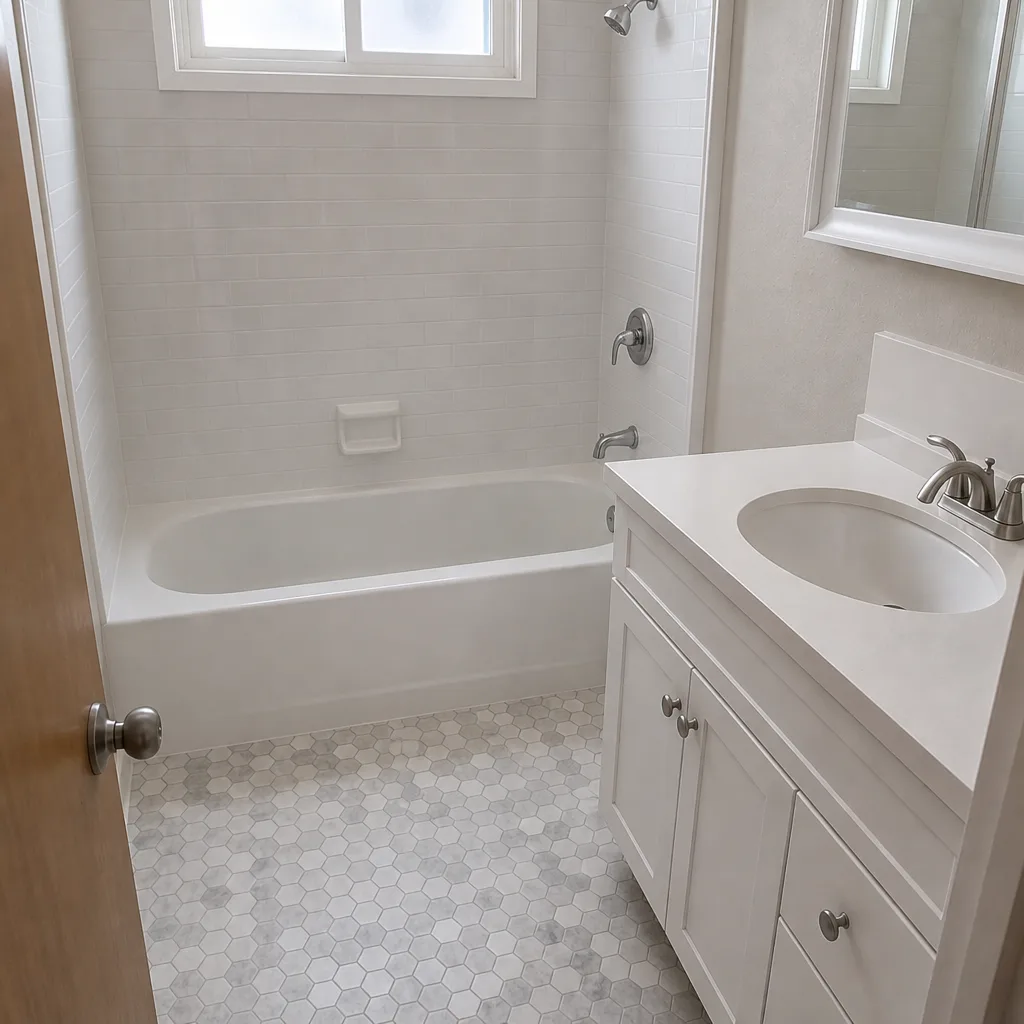
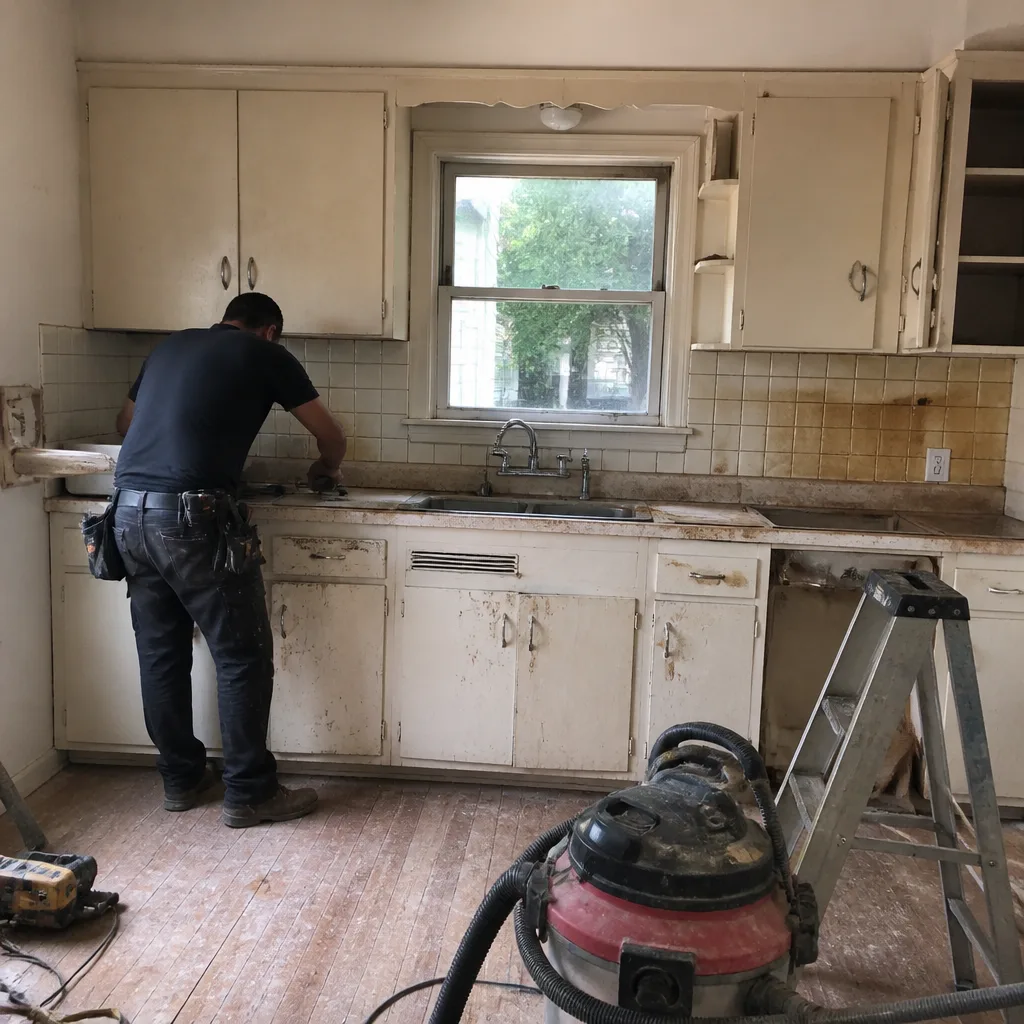 Before
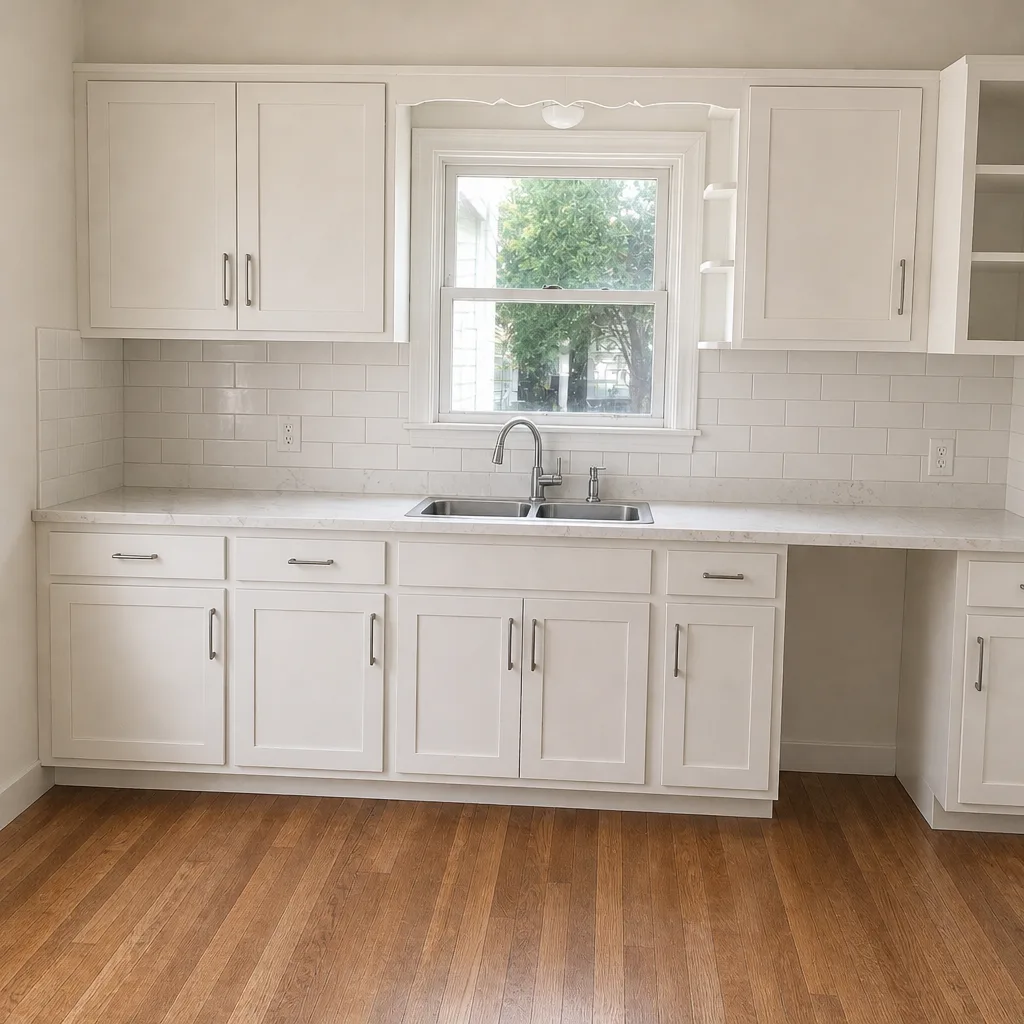 After
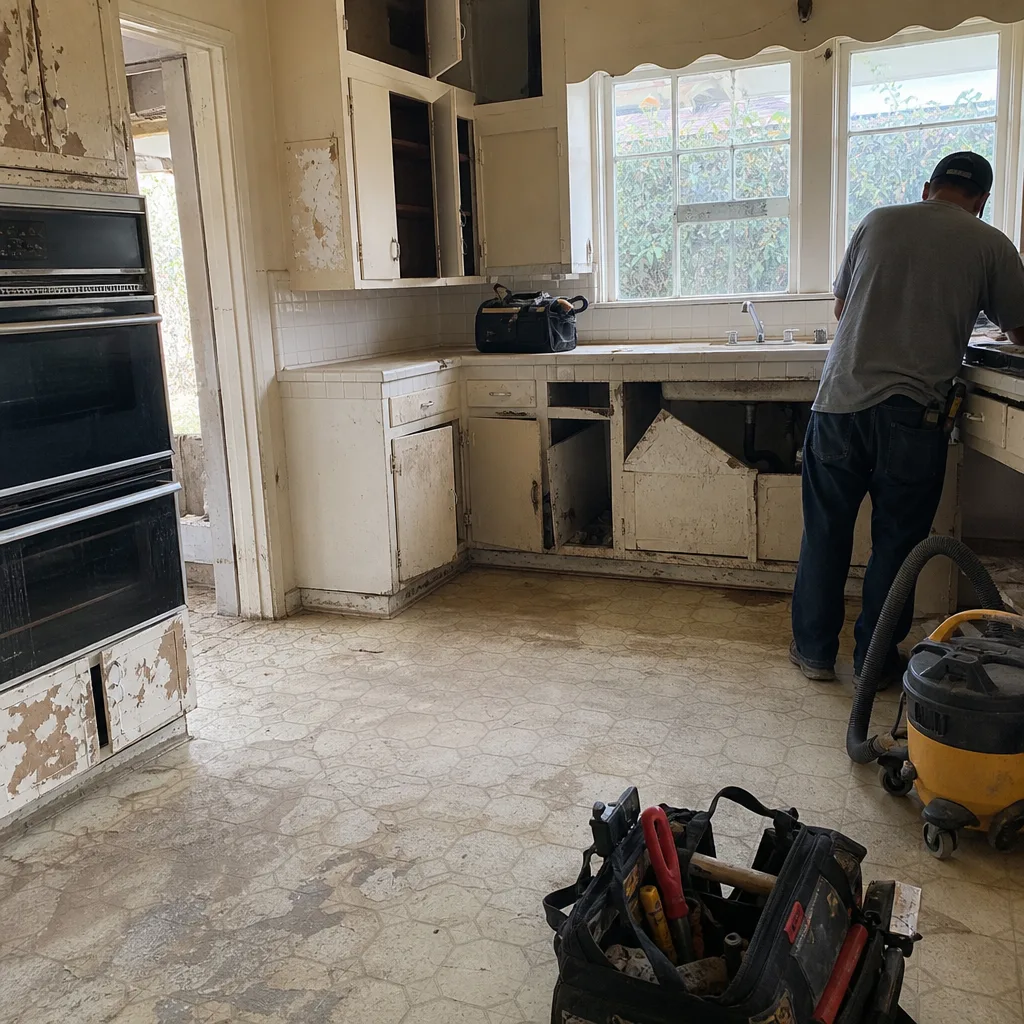
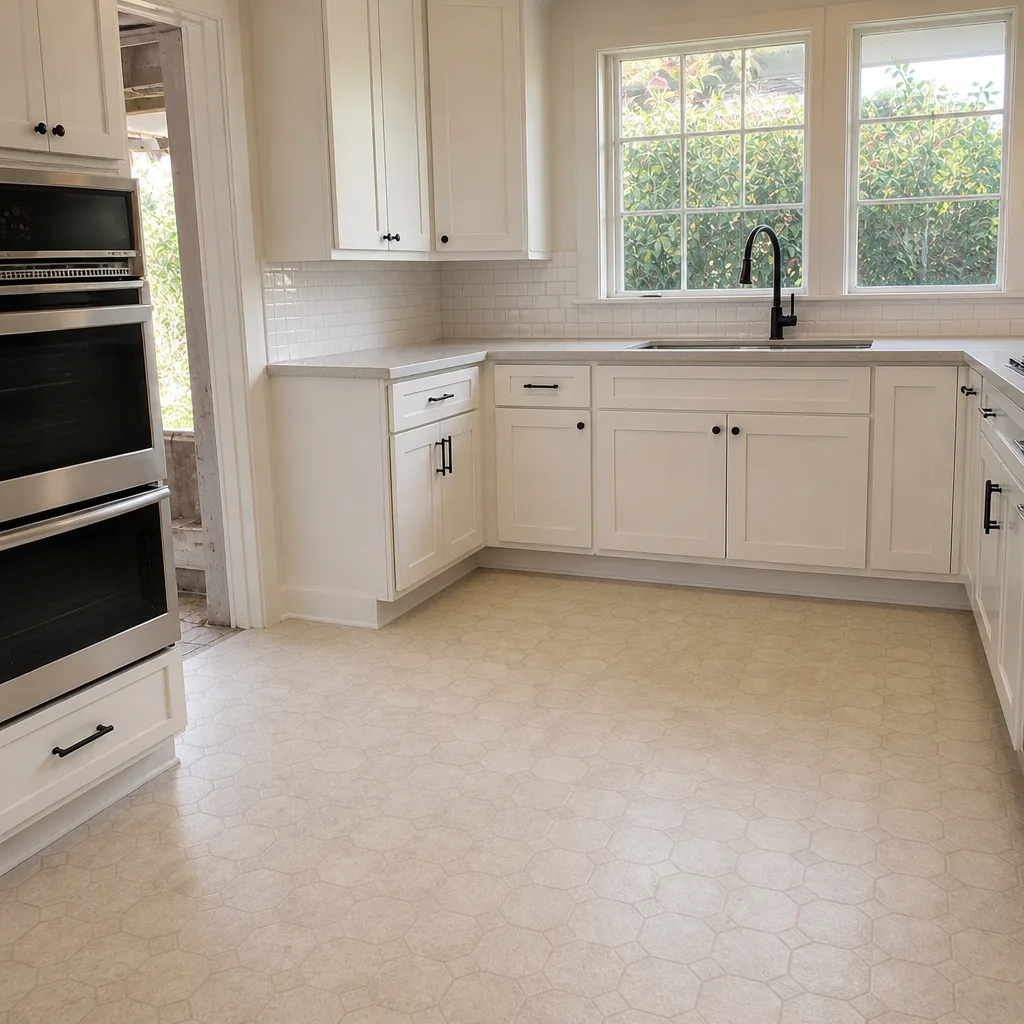
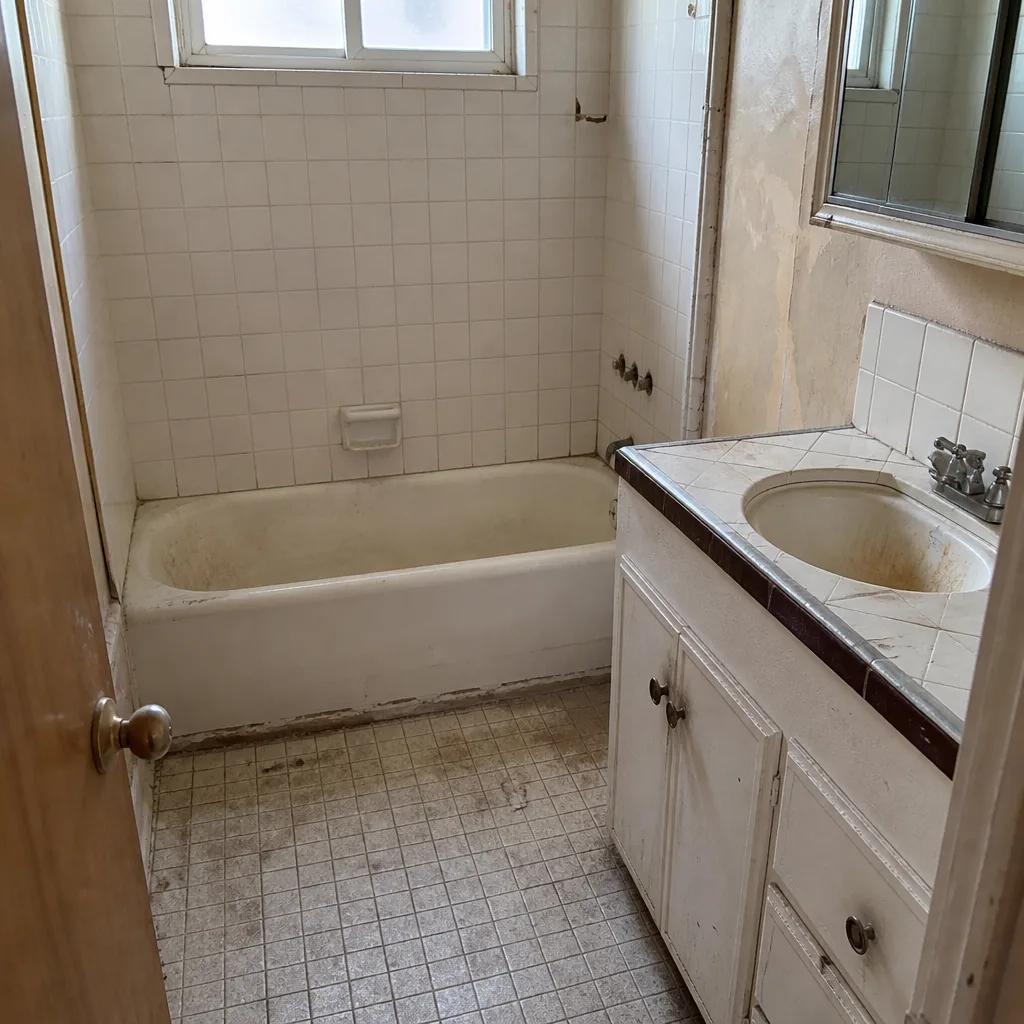 Before
 After
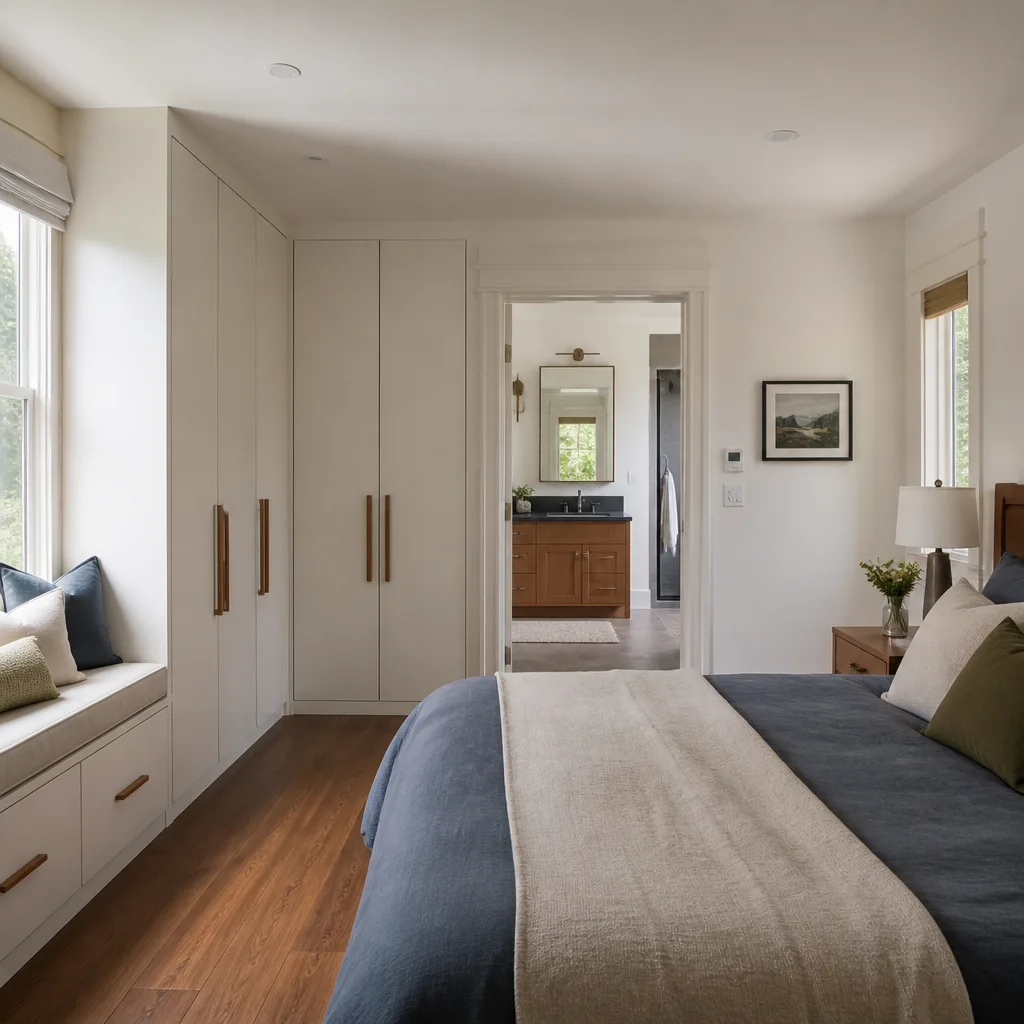
 Before
 After
When to Call a Professional
Call a licensed contractor when the work touches anything the building department cares about. That means any electrical rough-in, any plumbing supply or drain move, any structural wall, any new fixture requiring a permit, or any project where a hidden condition could surface. Call when the scope might change mid-project, because a written price with a documented change-order process is the only thing that protects you from a surprise invoice. Call when you’re planning to sell in the next few years; unpermitted work has a way of becoming a negotiation point. And call when the work needs to pass inspection the first time, because re-inspection fees and re-work are where DIY savings evaporate. Bradford Remodeling Co Pasadena offers free estimates in Pasadena – call (888) 841-5410. Our technicians have up to 22 years of experience, and every completed project carries the 365-Day Done Right Promise: if the work fails inside the guarantee window, we return and correct it at no charge.
Frequently Asked Questions
Almost always yes. A kitchen remodel in Pasadena that touches electrical, plumbing, or the range hood exhaust requires permits under California law, and any project over $500 in labor plus materials requires a licensed contractor. Cabinet-only refreshes and painting don’t trigger a permit. Everything downstream of the cabinet boxes usually does.
It can, but the mechanism matters. The policy itself isn’t automatically voided. What happens is narrower and more dangerous: if unpermitted work is cited as a contributing cause of a loss, the insurer can argue material misrepresentation because the work was never disclosed or inspected. That argument can result in denial of the affected portion of the claim – or, in serious cases, the whole claim.
Yes, legally, under an owner-builder permit for your primary residence. You take on the general contractor’s role – pulling permits, scheduling inspections, coordinating subs – but you still cannot legally perform electrical, plumbing, or mechanical work that requires a license yourself. You can hire licensed subs and manage them. Many homeowners find the time and coordination burden outweighs the savings on projects larger than a single room.
Safe DIY in Pasadena means cosmetic-layer work: interior painting, cabinet hardware swaps, non-structural demolition, finish carpentry within a limited scope, fixture swaps on existing connections, and light landscaping. All of it is reversible, none requires a permit, and none creates a disclosure problem you’ll have to explain when you sell.
The gap varies wildly by project type. Interior painting is roughly $150-$400 DIY versus $600-$1,400 professional. A bathroom shower tile replacement runs $600-$1,200 DIY if the substrate is sound versus $3,500-$6,500 professional with permit and inspection. Recessed lighting isn’t a legal DIY job in California – professional runs $900-$1,800 including permit. The honest answer is: DIY wins on cosmetic work, professional wins on system work, and the permit is what decides which category a project is in. Call (888) 841-5410 for a written estimate on any project you’re weighing.
You have a disclosure obligation on the Transfer Disclosure Statement. Unpermitted work discovered during your ownership must be disclosed to buyers, and it typically becomes a negotiation point – buyers may ask for it to be permitted retroactively, removed, or discounted. Some lenders will require it to be addressed before closing. The work doesn’t disappear at sale; it follows the house and shows up in every transaction from that point forward.
The Bottom Line
The right question isn’t whether you can do the work yourself. It’s whether the work requires a permit in Pasadena and what happens to your insurance and your disclosure obligations if unpermitted work is later discovered. That’s the line – not skill, not confidence, not YouTube. Cosmetic work belongs to DIY. System work belongs to a licensed contractor, and the permit and inspection are what make it insurable and sellable. Bradford Remodeling Co Pasadena puts every price in writing before any work starts and backs every completed project with the 365-Day Done Right Promise. Our technicians have up to 22 years of experience, and we install documented name-brand materials – Kohler and Moen fixtures among them – so specifications are traceable and quality isn’t left to guesswork. Call (888) 841-5410 for a free estimate. A live person answers the phone 24/7.
Written by the team at Bradford Remodeling Co Pasadena.