Last updated November 18, 2026




Free written scope consultation - allowances, timeline, and change-order rules on paper before a single trade is scheduled
Bathroom Remodeling Warning Signs Every Homeowner Should Know
The most expensive bathroom remodeling mistake in Pasadena isn’t a bad tile job. It’s paying half the contract upfront to a contractor who never pulls a permit, does rough-in work that fails inspection, and disappears before finish work. It happens every year in this city, and it’s almost always preventable if you know what the contract should say before you sign it. This guide covers the warning signs in the paperwork first, the behavior second: the three contract clauses that protect you, how to verify a permit was actually submitted in Pasadena, why a suspiciously low bid is a scope problem, and what the state license lookup really tells you.
Quick Answer
The biggest bathroom remodeling red flags are a contract with no written scope or payment tied to nothing, a permit that was “applied for” but never issued, a bid more than 15 – 20% below the others, and any request for a large deposit before work starts. In Pasadena, the fastest way to catch a problem is to check the permit record and the contractor’s license status yourself, before money changes hands. The paperwork exposes the risk long before the work does.
Styles & brands we work with
- Kitchen remodeling
- Bathroom remodeling
- Home additions & ADU
- Roofing
- Windows & doors
- Driveway & pavers
- Fence
Table of Contents
- The Three Contract Clauses That Protect You (and Three That Don’t)
- How to Verify a Permit Was Actually Issued in Pasadena
- Why a Bid 15 – 20% Below the Others Is a Warning Sign
- Mid-Project Signals Your Contractor Is Cash-Flow Managing Your Job
- What the CSLB License Lookup Tells You Beyond “Active”
- The Payment Schedule That Keeps You Protected
- What a Proper Pre-Construction Walkthrough Looks Like
The Three Contract Clauses That Protect You (and Three That Don’t)
A bathroom remodel contract is a risk document, not a formality. Read it looking for which clauses put the risk on you and which keep it on the contractor. Three clauses in particular tell you almost everything about how the job will go.
Clauses that protect you:
- A written, line-item scope. Every phase listed separately: demolition, rough-in plumbing, electrical, substrate and waterproofing, tile, fixtures, trim, cleanup. A lump-sum price with no breakdown is a scope you can’t enforce. If the toilet shows up wrong, you have no document to point to.
- Payment tied to completed and inspected phases. Money should follow finished work, not the calendar. A schedule that pays on demolition and framing, with the final payment held back until the job is walked and accepted, keeps the contractor’s incentive aligned with yours.
- A written guarantee with a specific term. A promise that “we stand behind our work” in the body of a contract is not a guarantee. You want a stated period and stated remedy, in writing, signed. Our Bradford Remodeling Co Pasadena home approach puts the 365-Day Done Right Promise into every contract: if the work fails inside a year, we return and correct it at no charge.
Clauses that protect only the contractor:
- “Price subject to change based on conditions.” Vague enough to cover anything. A real price is fixed before tools come out, with any allowable change spelled out in writing and approved by you.
- Arbitration-only dispute clauses buried at the end. Not automatically a red flag, but if you can’t find it in a first read, it’s doing its job.
- “Owner responsible for permits.” That sentence shifts legal exposure onto you for work you didn’t perform. On a bathroom, the contractor should pull the permits.
If you can’t tell which kind of clause you’re reading, that’s the answer. The best home improvement guide is a line-by-line reading of the contract before signing, not after the check clears.
How to Verify a Permit Was Actually Issued in Pasadena
“Applied for” is not the same as “issued.” A contractor who tells you the permit is in process may be telling the truth, or may be stalling until the rough-in is covered up. Verify it yourself. Pasadena publishes permit records through its public portal, and checking takes about two minutes.
- Ask for the permit number in writing. A legitimate contractor has this on hand. If they don’t have a number, no permit has been submitted.
- Search the Pasadena permit portal. Enter the address or permit number. The record will show status: applied, issued, inspections passed, finaled, or expired.
- Confirm the scope matches. A permit for a “water heater replacement” on a job that’s supposed to be a full bathroom remodel is not the permit you need. Look for plumbing and electrical line items.
- Watch the inspection milestones. Rough-in inspection happens before walls close. If the drywall goes up and there’s no inspection record, that’s a problem you want to catch now, not at resale.
Pasadena has real reasons besides paperwork to insist on permits. Much of the city’s housing stock is pre-1950, and older bathrooms can hide cast-iron drain lines, galvanized supply lines, and sometimes asbestos in original floor tile or mastic. A permit triggers an inspection that surfaces these before they’re sealed behind new cement board. Our Bathroom Remodeling in Pasadena work is permitted and inspected on every job, and we walk homeowners through the portal record if they want to verify. Skipping the permit isn’t a shortcut. It’s a deferred cost that lands on you.
Why a Bid 15 – 20% Below the Others Is a Warning Sign
When three bids come in around the same number and a fourth is dramatically lower, the low bid is almost never a better deal. It’s a different scope. Bathroom remodel bids quote on the same basic job, but the details that drive cost are easy to bury or drop entirely.
The most common omissions in a too-low bid:
- No waterproofing membrane behind the shower tile. This is invisible in a bid and invisible after install. It’s also the single biggest cause of premature tile failure in Pasadena’s bathrooms, where seasonal moisture and older construction mean a wet wall without proper substrate fails faster than it should.
- No permit in the bid. Permits cost money and cost time in inspection scheduling. A bid that leaves them out looks cheaper.
- Builder-grade fixtures instead of the specified brands. If the bid says “shower valve” without a model, you may get a builder fixture that isn’t rated for the use. A documented spec matters: our jobs use documented fixtures and finishes, including Cambria and Caesarstone surfaces and Moen and Kohler valves, so the spec is in writing and the warranty traces back to the manufacturer.
- Fewer electrical and plumbing rough-in changes. Moving a drain, adding a GFCI outlet, or relocating a shower light all cost money. A bid can quietly exclude them and “find” the need later.
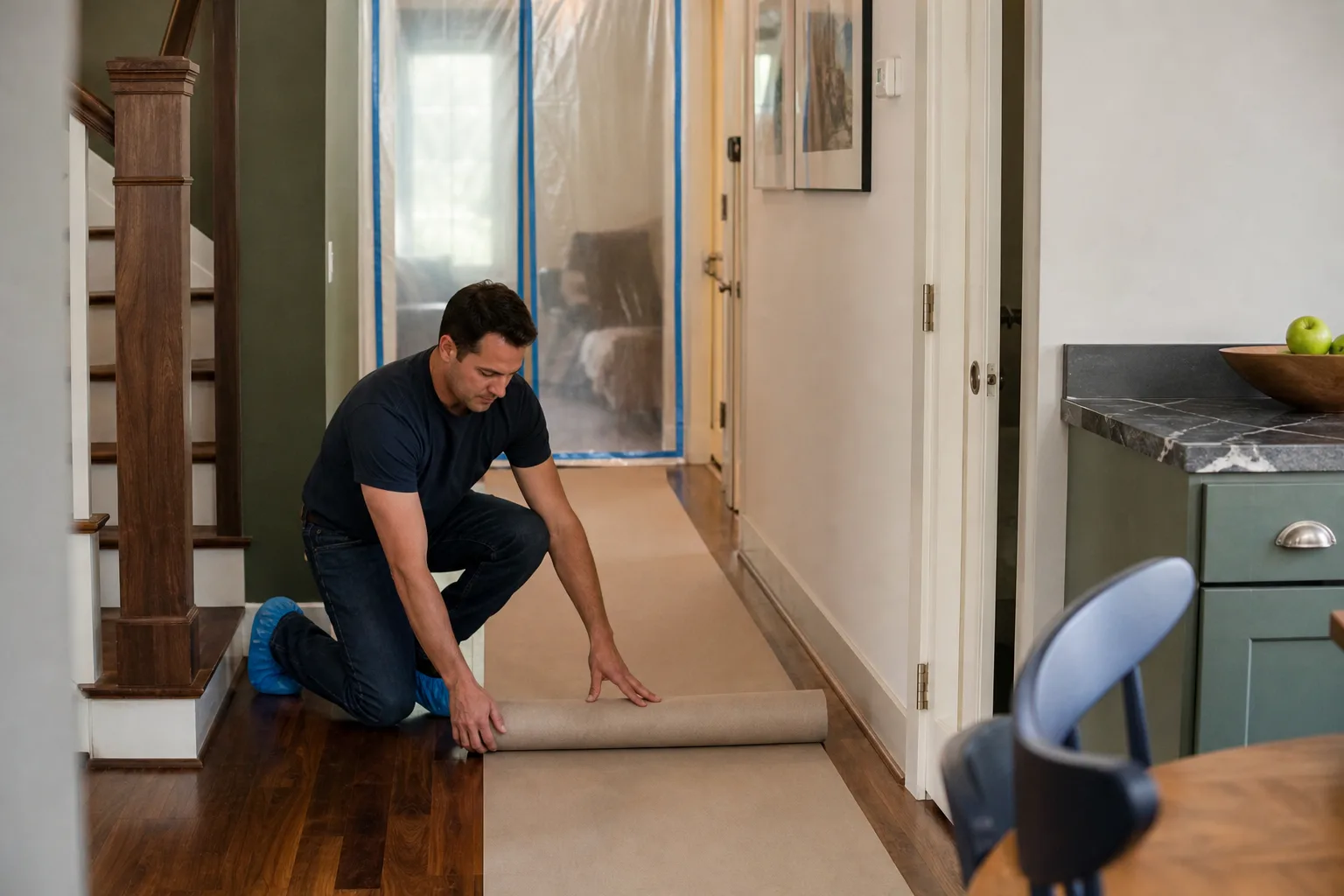
- No site protection and cleanup line. Dust barriers, floor protection, and haul-away are real line items. They don’t show up on a bid that assumes the homeowner will handle it.
If you get a low bid, don’t assume fraud. Assume omission and ask for the itemized scope. A fair contractor will show you exactly what’s included. A hard-sell contractor will change the subject. For a fuller picture of what a properly scoped bathroom project costs, see our Kitchen Remodeling in Pasadena page for the same line-item discipline applied to a different room.
Mid-Project Signals Your Contractor Is Cash-Flow Managing Your Job
Some warning signs show up after the contract is signed. They tend to emerge around week two or three, once the deposit is spent and the contractor is balancing this job against the next one. When a contractor is cash-flow managing your job, you’ll see a pattern:
- Material substitutions without asking. The spec called for Caesarstone, the install shows up with a different brand, and nobody told you. Substitution without written approval is a major red flag. It’s sometimes because the correct product isn’t in stock. It’s also sometimes because it’s cheaper, and the difference isn’t refunded.
- Skipped phases. Rough-in electrical goes in after the drywall instead of before. Waterproofing membrane is skipped entirely. The contractor hopes you won’t notice until the job’s complete.
- Rotating subcontractors. A different tile setter every week, a new plumber on Tuesday, and nobody remembers what the last one did. This indicates the contractor is farming phases out to whoever’s available, which is also a sign of a subs list that isn’t background-checked and vetted.
- Asking for the next payment early. “We need the second installment to order fixtures.” Ordering fixtures is what the first payment was for.
- Nobody answers the phone. If the crew shows up but the office stops picking up, that’s the pattern that ends in abandonment. Live phone coverage is one of the things we treat as non-negotiable. A real person answers at Bradford Remodeling Co Pasadena, day or night.
If you see two or more of these at once, stop and document. Photograph the site, save every text and email, and don’t release the next payment until the scope is reconciled in writing.
What the CSLB License Lookup Tells You Beyond “Active”
The California State License Board public lookup is the single most useful document check available to you. Most homeowners stop at “active” and miss the parts that actually matter. Click through the full record.
- License classification. A general building contractor (B) is licensed for the residential work you’re hiring for. If the license is a specialty classification not covering bathroom remodeling, that’s a mismatch.
- Bond amount. An active license carries a contractor’s bond. The amount tells you the ceiling on a claim if the contractor abandons the job or fails to pay subcontractors. A bond that lapsed or is short is a flag.
- Workers’ compensation insurance status. If the contractor has employees, the record should show active coverage. If it shows “exempt,” they have no employees, and anyone on your job who isn’t the license holder is a subcontractor. Ask how the subs are covered.
- Complaint history. The record shows complaints filed, whether closed, and what type. One complaint isn’t a disqualifier. A pattern of “workmanship” or “abandonment” complaints is.
- Suspensions, revocations, judgments. Check the bottom of the record. A current license can carry past discipline you’d want to know about.
One more note for Pasadena: the license record and the permit record should align. The name on the permit should match the name on the license and the name on the contract. If any two of those three disagree, call and ask why before you sign. Our General Contractor in Pasadena page covers the broader checks for any project type.
The Payment Schedule That Keeps You Protected
Payment terms are the single most effective lever you have, and they’re decided before work starts. A well-structured schedule keeps the contractor motivated to finish, and keeps you from funding work that isn’t there.
A defensible schedule for a mid-sized bathroom:
- 10 – 15% at contract signing. Enough to schedule the job and order long-lead materials, not enough to fund a second project.
- Roughly 25% at rough-in and inspection pass. Tied to a passed inspection, not a calendar date.
- Roughly 30% at tile and finish installation. When the visible work is up and the waterproofing has passed inspection.
- Roughly 20% at trim, fixture set, and final inspection.
- 10 – 15% held until final walkthrough. Not released until the punch list is complete and the job is accepted. This is your leverage, and any contractor who resists it is telling you something.
Compare that to the typical problem schedule: 50% upfront, 30% at “rough-in,” 20% at finish. That schedule pays the contractor mostly before the job is done. When the numbers start to move at the door, there’s no financial reason for them to finish. The written price in our contracts is fixed before work starts and doesn’t move. No change orders unless you approve a written change in scope. That commitment is what makes a written schedule worth anything.
What a Proper Pre-Construction Walkthrough Looks Like
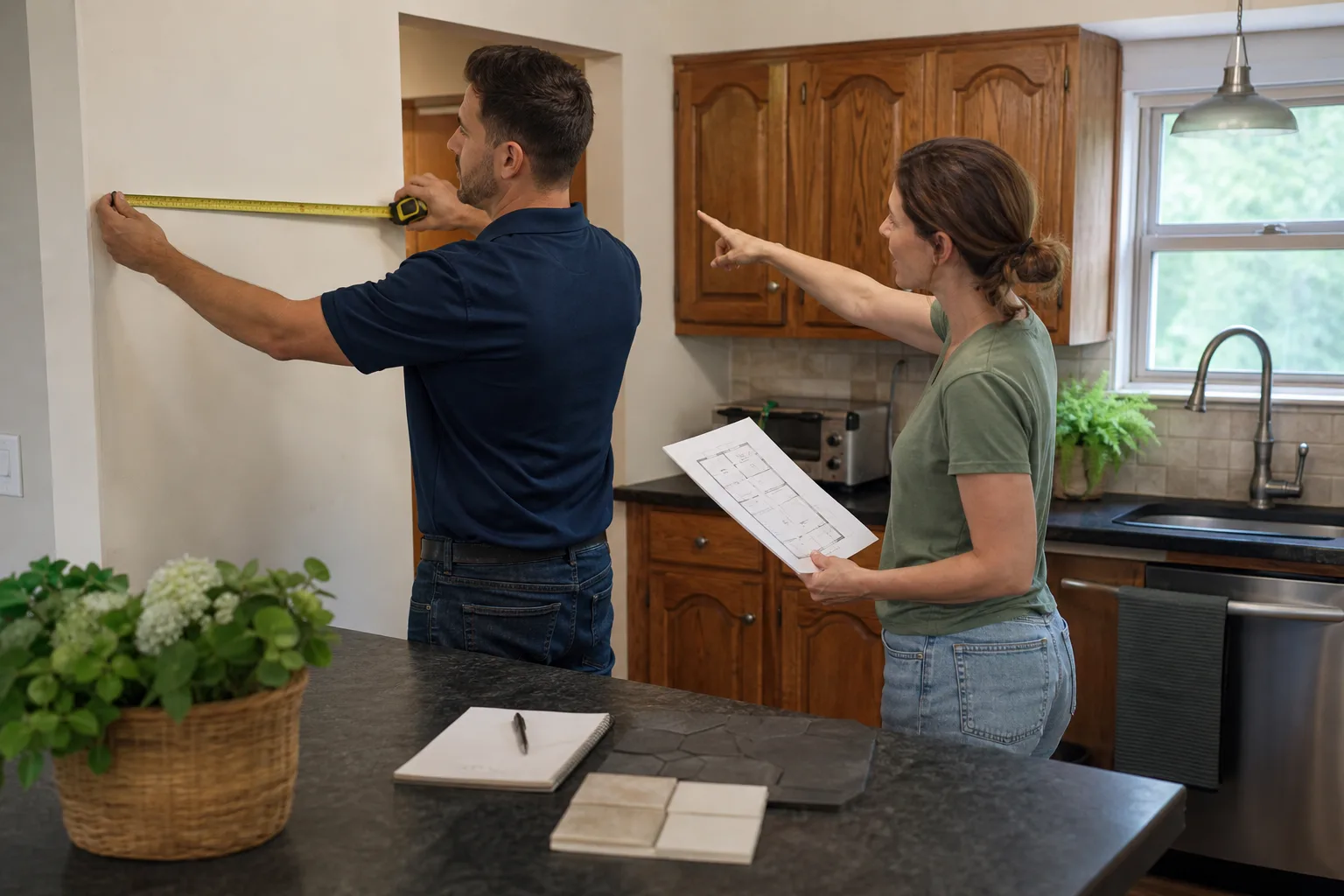
The walkthrough is where the contractor demonstrates their discipline before you’ve spent a dime. A thorough one takes 30 – 60 minutes, and it produces a written scope that matches what you’ll see on the final invoice. On a Pasadena bathroom, the walkthrough should cover:
- Moisture and substrate check. Look at the walls behind the shower and around the tub for old water staining, and note any evidence of a shower pan leak. Pasadena’s hot, dry summers and cooler winters make bathroom moisture damage from an old failed pan a common find behind the tile.
- Ventilation review. The existing exhaust fan, and whether the duct actually exhausts outside. Many older Pasadena bathrooms vent into the attic, which is a mold driver.
- Electrical panel and outlet locations. GFCI protection, dedicated circuits for the fan and vanity, and whether the panel has room for additional circuits.
- Plumbing supply and drain routing. Whether fixtures can move, and what that means for the drain rough-in under a slab floor.
- A written line-item scope with brands and models. This is the payoff. A written scope with real specifications is the only version of the plan you can hold someone to later.
What we bring to the walkthrough is the same thing we bring to the contract: a written price with every line in it, and a signed guarantee that it doesn’t move. That’s the Garrison Standard in plain practice. Every phase gets a number before any tool comes out.
Common Mistakes to Avoid
- Paying 50% upfront. The single biggest predictor of a bad bathroom remodel outcome. Once the deposit is spent on another job, your leverage is gone.
- Accepting “we’ll pull the permit on Monday.” In Pasadena, the permit portal tells you exactly when a permit is issued. Verify before demolition, not after.
- Choosing a bid based on total price alone. A 20% lower bid isn’t a 20% discount; it’s a different scope, and you’ll pay the difference in change orders.
- Not reading the change-order clause. The clause that allows “price adjustments during construction” with no written approval is the vehicle for the surprise invoice.
- Letting the contractor order fixtures without a spec. “Shower valve” isn’t a specification. A model number is. If you don’t have one, you don’t know what’s going in.
- Not verifying the license record beyond “active.” The bond, insurance, and complaint history are on the same page. Most homeowners don’t scroll down.
- Skipping the pre-construction walkthrough. A paper-only estimate is where scope omissions hide. See the walls and the plumbing before you sign.
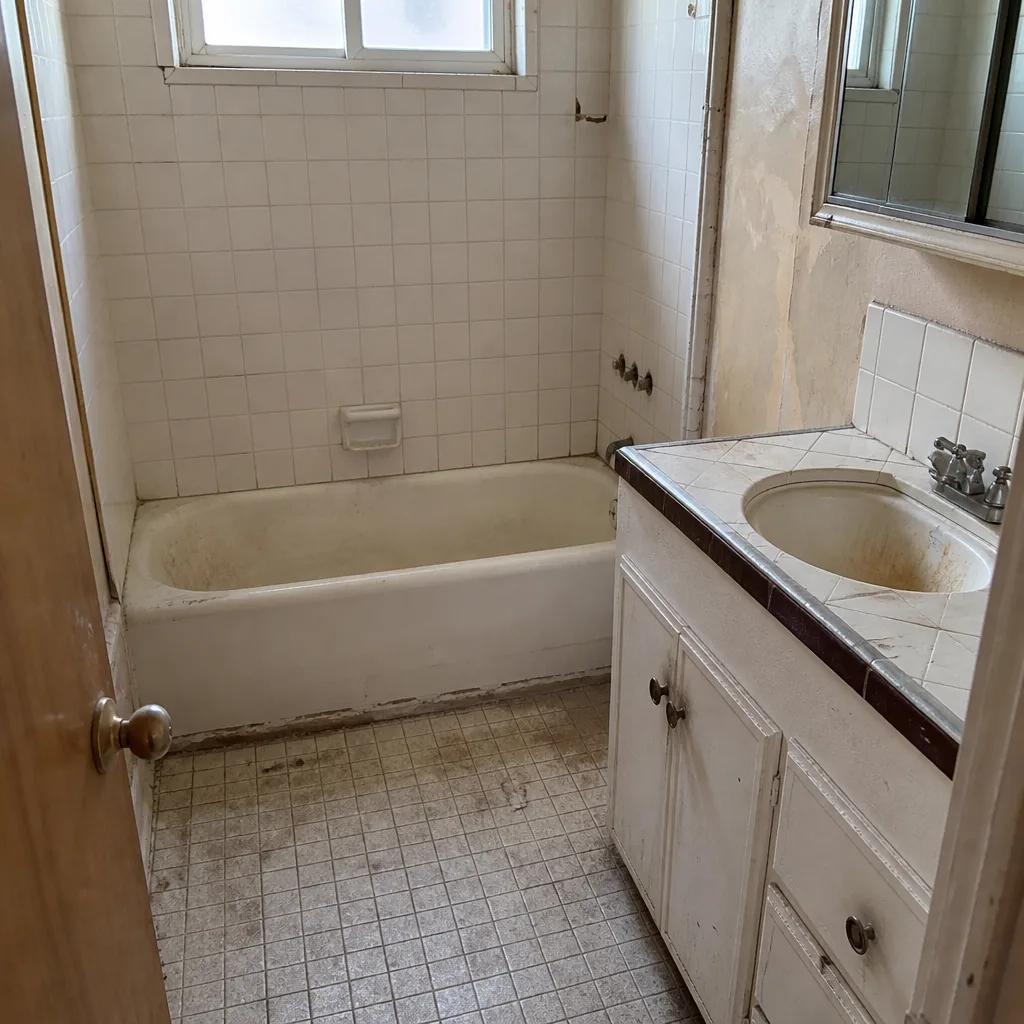
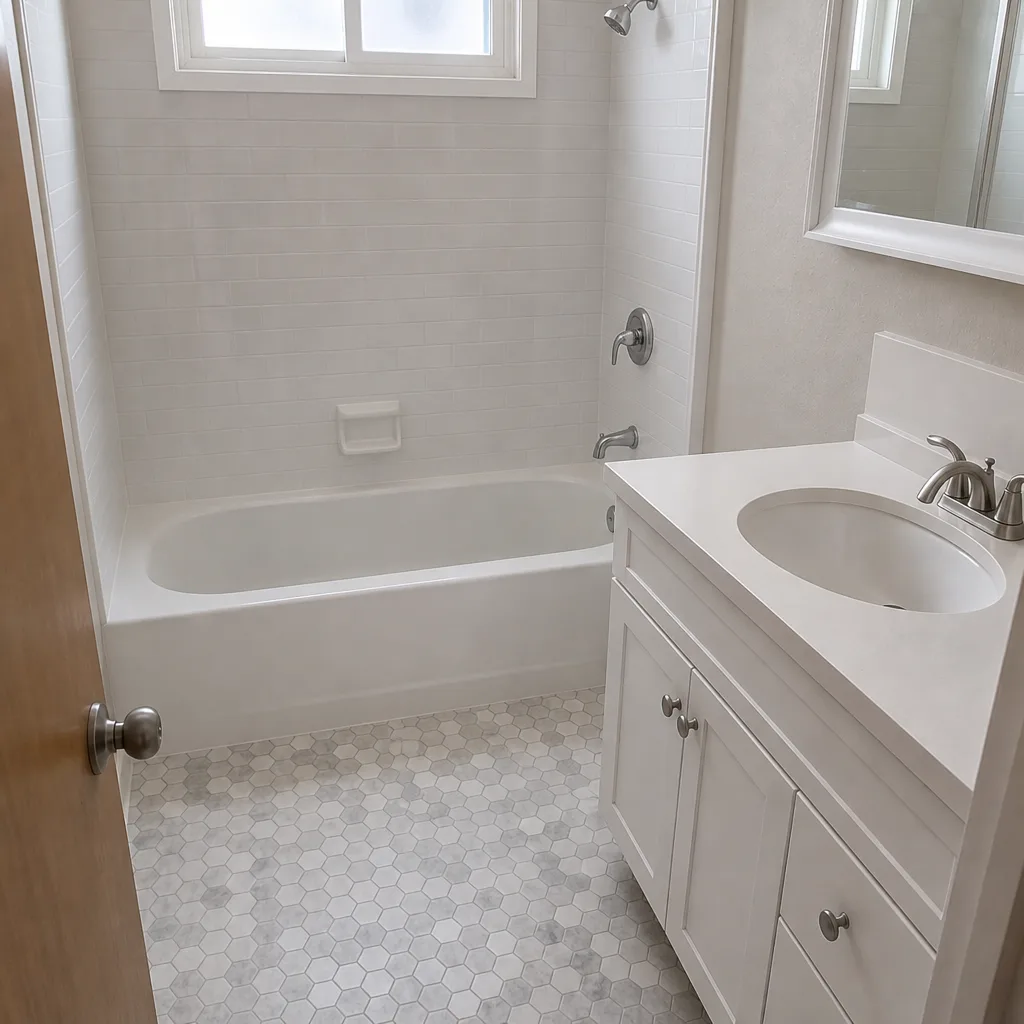
See the difference
 Before
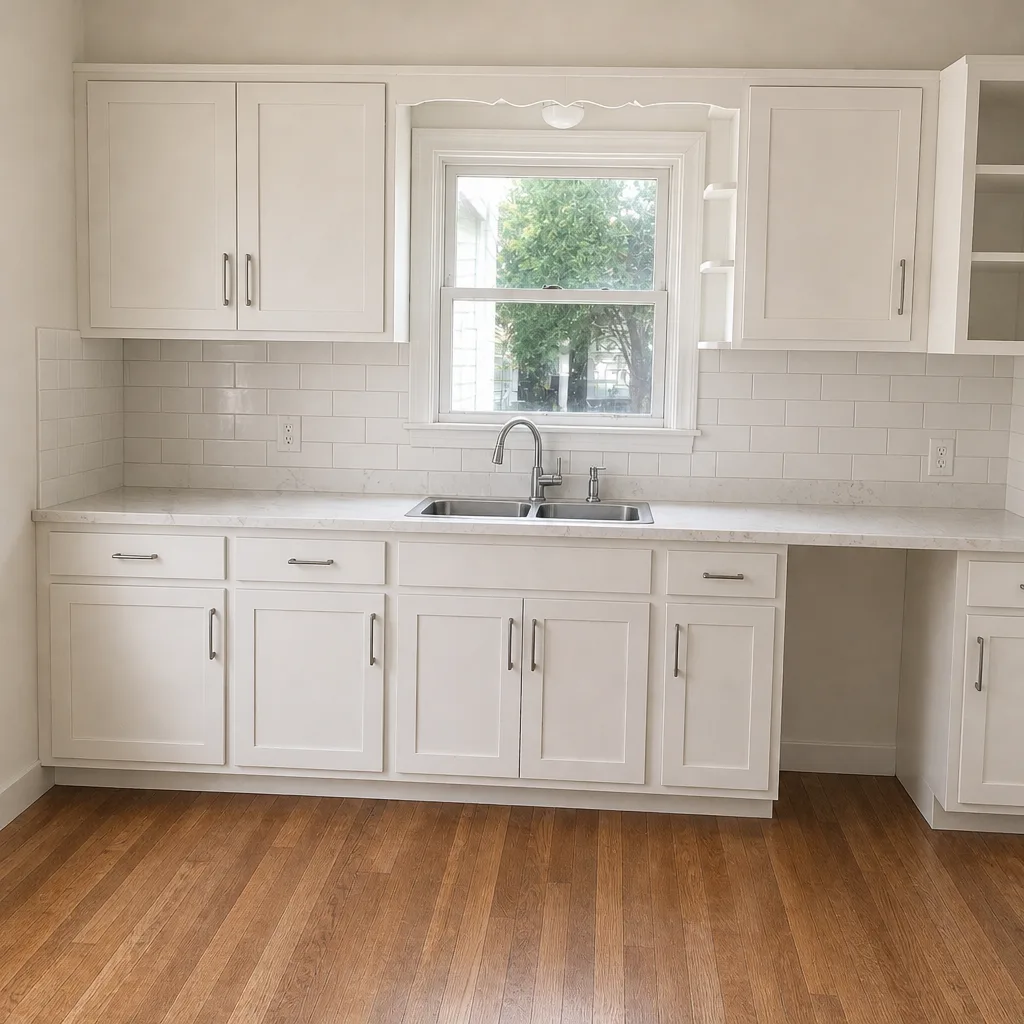 After
 Before
 After
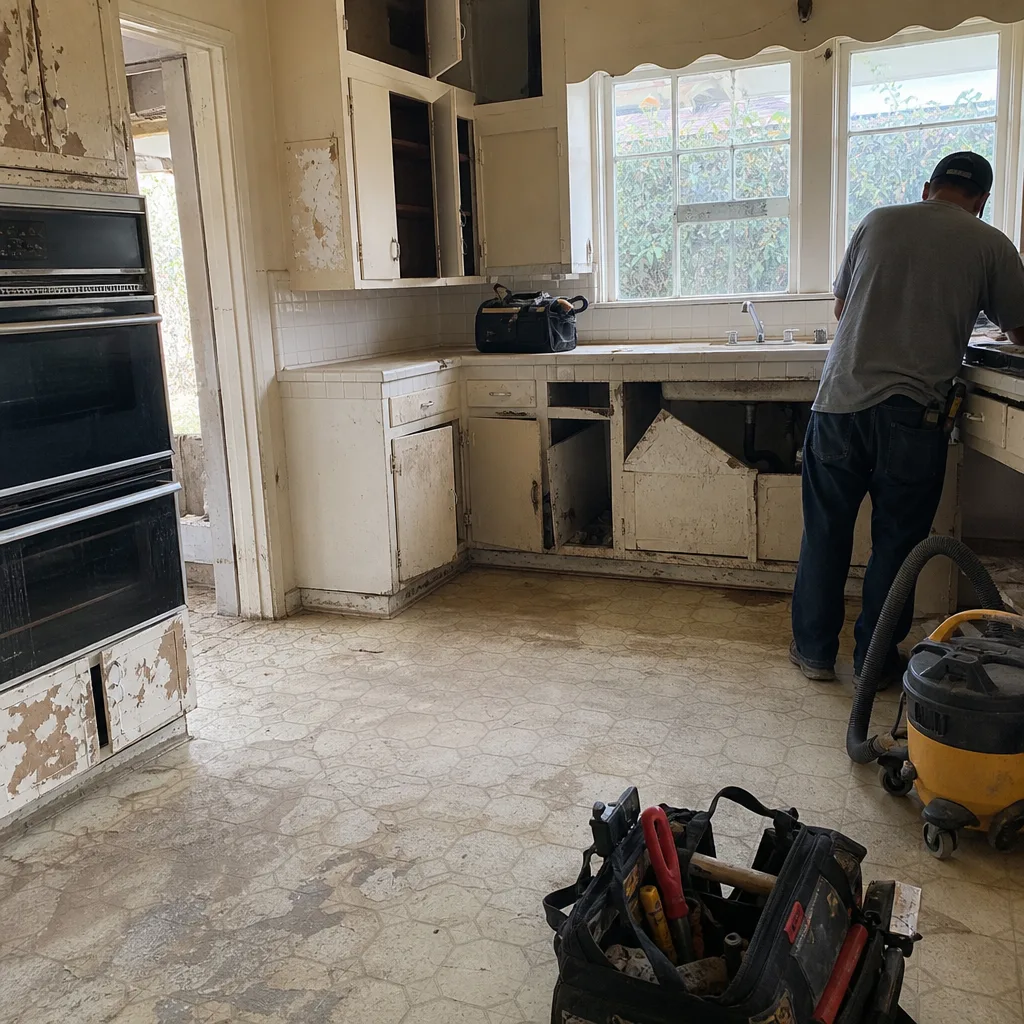 Before
 After
When to Call a Professional
Some bathroom concerns should be handled by a licensed pro from the start: any water damage behind tile or at a shower pan, any electrical work inside a wet location, any gas or plumbing relocation inside a slab, and any structural change to walls or floors. Those are the jobs where a bad outcome is expensive and a permit exists for a reason. If you’re weighing whether to go forward with a remodel or a repair, or if you’ve already been burned by an unpermitted job, the smart move is a fresh set of eyes and a written scope before more money moves. Bradford Remodeling Co Pasadena offers free estimates in Pasadena. Call (888) 841-5410 to schedule yours.
Frequently Asked Questions
A quote that’s 15 – 20% below the others and isn’t itemized. The most common cause is omitted scope: no waterproofing membrane, no permit, builder-grade fixtures, no site protection. Ask for a line-item scope before you compare totals, and if the itemization still doesn’t match the others, walk away. Call (888) 841-5410 if you want a second written opinion.
Ask for the permit number in writing, then search it in Pasadena’s public permit portal. The record will show applied, issued, or passed inspections. Compare the permit scope to the job scope; a permit for a water heater doesn’t cover a bathroom. If the permit shows “applied” and demolition has already started, that’s the red flag.
No. A normal deposit is 10 – 15% at signing, with subsequent payments tied to passed inspections and completed phases. A 50% deposit is a cash-flow risk for you, not a customary term. Any contractor who requires it should be able to explain why in writing. Call (888) 841-5410 to compare against a written payment schedule.
They usually mean the contractor is cash-flow managing your job. Substitutions without written approval, skipped phases, and rotating subcontractors are the pattern of a contractor who’s spent this job’s money on the next one. Document every substitution and don’t release the next payment until the spec is reconciled in writing.
The bond amount, workers’ compensation status, and any complaint history, including complaint type. A live license can carry past workmanship or abandonment complaints, and the bond is the ceiling on what you can recover if the job goes wrong. Click through the full record, not just the top-line status. Call (888) 841-5410 if you want help reading a record you’ve pulled.
No. Once the walls are up and the shower is tiled, correcting a failed rough-in means demolition, so the goal is to catch it first. That’s why the inspection record matters: rough-in inspection happens before the drywall closes. If there’s no inspection record on your job, ask the contractor where it is. If you’re already dealing with a failed inspection or unpermitted work, call (888) 841-5410 for a free assessment and a written plan forward.
The Bottom Line
Bathroom remodeling fraud follows a recognizable pattern, and the pattern shows up in the paperwork first. A contract without a line-item scope, a permit that’s “being processed” with demolition already under way, a bid that undercuts the others by 20%, and a payment schedule that pays most of the money before the job is done are all warning signs you can see before work starts. Verify the permit on Pasadena’s portal, pull the CSLB record past the “active” line, and hold your final payment until the walkthrough is signed. Do those three things, and the contractor you hire is the one who meant what they wrote down. That’s the standard we work to: written price, written scope, and a signed guarantee in your hand.
Written by the team at Bradford Remodeling Co Pasadena.
If you want a written, line-item estimate for your Pasadena bathroom, with a fixed price before any work starts and a signed 365-Day Done Right Promise, call (888) 841-5410 for a free estimate.