Last updated November 18, 2026
Free written scope consultation - allowances, timeline, and change-order rules on paper before a single trade is scheduled
The Complete General Contractor Guide for Pasadena Homeowners
Pasadena runs its own Building and Safety division, independent of LA County. That single fact reshapes a remodeling project more than most homeowners expect: different permit timelines, different inspection sequences, and local code amendments that trip up out-of-area contractors on a regular basis. In this guide we’ll walk through how Pasadena’s self-governing building department actually works, which neighborhoods sit inside historic preservation overlays and what that restricts, how a GC’s B-license scope differs from the C-licensed trades, how to read a permit record to confirm a contractor pulled permits in their own name, and what a written-price agreement should say line by line.
Quick Answer
To hire a general contractor in Pasadena, verify three things before you sign: that they’re licensed and their license covers the scope you’re hiring for, that they pull permits through Pasadena’s own Building and Safety division (not LA County) in their own name, and that your contract states a fixed written price with a defined guarantee. Pasadena-specific rules around seismic retrofit and historic overlays matter as much as the license check, so a contractor who doesn’t know the local jurisdiction is a risk even if their paperwork is clean.
Styles & brands we work with
- Kitchen remodeling
- Bathroom remodeling
- Home additions & ADU
- Roofing
- Windows & doors
- Driveway & pavers
- Fence
Table of Contents
- Why Pasadena’s Building Department Is Different From LA County
- Historic Preservation Overlays and What They Restrict
- B-License vs. C-License: Who Can Legally Do What on Your Job
- How to Read a Pasadena Permit Record and Verify Your Contractor
- What The Garrison Standard Written Price Looks Like vs. Time-and-Materials
- Seismic Zone Reality and What It Changes in Pasadena
- What General Contracting Work Costs in Pasadena
- The Step-by-Step Hiring Process
Why Pasadena’s Building Department Is Different From LA County
Pasadena is one of the few cities in Los Angeles County that operates its own building department rather than contracting permitting and inspection to the county. That means your permit application, plan check, and inspections all run through Pasadena’s Building and Safety division on the city’s schedule, under the city’s amendments to the California Building Code. A contractor who files everything through LA County out of habit will stall your project before demolition even starts.
In practical terms, a Pasadena permit is not the same permit a neighboring city issues. Plan check turnaround in Pasadena has historically run several weeks for residential remodels, longer for anything touching structural work or a historic overlay. Inspection sequencing is set by the city, not the contractor’s preference, so a crew that builds in the wrong order loses days waiting for a re-inspection. We’ve seen more than one out-of-area GC discover mid-project that their rough-in inspection required a correction the city flagged in plan review, and the fix added weeks.
Before anything else, confirm your contractor knows the Pasadena jurisdiction by name and can describe how they’ve handled plan check there. If the conversation goes straight to “we handle all the county stuff,” that’s your answer.
The city itself is your best source. Pasadena’s Building and Safety division publishes its own forms, fee schedules, and inspection request procedures. Handing the contractor your city’s paperwork rather than the county’s is a small test that reveals a lot.
Historic Preservation Overlays and What They Restrict
Pasadena has several residential areas where exterior work faces an extra layer of review before the city will issue a permit. These are historic preservation overlay zones, and they can cover whole neighborhoods or individual blocks. If your house sits inside one, an exterior remodel that would be routine elsewhere becomes a design review question first, a permit question second.
The neighborhoods homeowners most often ask about include parts of Bungalow Heaven, the Garfield Heights and Orange Heights areas, the Civic Center district, and sections of the Arroyo corridor near the Rose Bowl. Being in an overlay doesn’t mean you can’t remodel. It means the scope of what you can change on the exterior, and how those changes must look, is governed by the overlay’s design guidelines before the building department reviews the permit.
What typically triggers extra review:
- Changes to a visible front facade or roofline facing the street
- Window and door replacements where the style or proportion changes (materials like Therma-Tru or ViewLux can help you match existing profiles while meeting energy requirements)
- Additions that alter the building’s footprint as seen from the public right of way
- New fencing, hardscaping, or driveways in a visible front yard
We’ve seen homeowners in Bungalow Heaven get stuck because a contractor ordered standard-issue windows before checking whether the replacement profile matched the overlay’s guidelines. The windows arrived, the permit didn’t. In our experience, the fix is to get a preservation staff review in writing before you order a single exterior product. Interior work, like a kitchen remodeling in Pasadena, is usually outside the overlay’s scope, but always confirm.
B-License vs. C-License: Who Can Legally Do What on Your Job
A general contractor in California holds a B license. That license covers the full scope of a residential project and lets the GC contract with you for the whole job, coordinate the trades, and pull the permit. What a B license does not do is let the GC personally perform specialty work that the state assigns to a C-license trade. On your Pasadena remodel, some work legally belongs to a specialist.
The clearest examples: electrical work that goes beyond a simple swap is C-10 territory, plumbing rough-in and gas lines are C-36, HVAC is C-20, and roofing is C-39. Under the state’s rules, the GC can subcontract that work, coordinate it, and carry responsibility for how it’s sequenced, but the licensed specialty contractor who does the work must hold the right C license. A GC who plans to have a helper run new electrical circuits through your kitchen wall as part of the B-license job is a red flag, not a shortcut.
Here’s the legal division on a typical whole-home or kitchen job:
- General contractor (B): framework, structural, drywall, finish carpentry, coordinating the subs and pulling the umbrella permit.
- C-10 electrical: new circuits, panel work, fixture installation beyond a like-for-like swap.
- C-36 plumbing: rough-in, drain and vent lines, gas connections.
- C-20 HVAC: ductwork, equipment, and any system changes that affect a permit.
- C-39 roofing: shingle and flat-roof installation, flashing, and underlayment.
When you interview a contractor, ask directly who does the electrical and plumbing work and whether they hold a current C license. The good ones name the subs and give you their license numbers before you ask.
How to Read a Pasadena Permit Record and Verify Your Contractor
Pasadena’s permit records are public. The city publishes an online permit search that shows each permit’s number, address, scope of work, status, and the name of the licensed contractor of record. That last field is the one homeowners should check every time, because a contractor who pulls permits “under a friend’s license” or “under a partner’s” is not insured on the job in the way you think.
Here’s how to read a permit record in a few minutes:
- Find the permit number. The city’s online permit search lets you look by address. Type in your property and confirm a permit exists for the scope you’re planning.
- Check the contractor of record. The permit should list your contractor’s business name and license number, matching the license on their contract. If the name on the permit differs from the name on your contract, ask why before you sign anything.
- Confirm the scope matches. The permit’s “description of work” should name what you’re actually building, whether that’s “kitchen remodel, non-structural” or “second-story addition, 640 sq ft.” If the description is vague (“repairs”), call the building department to clarify.
- Check the inspection status. A permit showing “open” with no inspections logged six months into a project means the contractor hasn’t been getting the work inspected and signed off.
One more piece of diligence: Pasadena’s online records let you search a contractor’s permit history by license number. If a contractor claims a long record in Pasadena but the city’s own database shows no permits under their license, that’s worth asking about before work begins. We’ve seen it handled honestly and we’ve seen it handled badly; the permit record tells you which.
What The Garrison Standard Written Price Looks Like vs. Time-and-Materials
Most contractor disputes we hear about aren’t about workmanship. They’re about money: the bid that became a change order, the “unforeseen condition” that added thousands, the invoice that arrived for work nobody remembers approving. The fix is structural, and it starts with how the contract prices the job. Under The Garrison Standard, our general contractor practice in Pasadena issues a written price before any work starts, every time, and the number doesn’t move at the door.
Here’s the line-by-line contrast with a standard time-and-materials contract:
- Price: Garrison Standard puts a fixed written number in your hands before the first tool comes out. Time-and-materials bills by the hour plus materials plus a markup, so the number you see is a projection, not a price.
- Change orders: Garrison Standard requires a signed written change order before any scope change begins, with a new fixed price attached. Time-and-materials can bill a change after the fact.
- Materials: Garrison Standard specifies documented, name-brand materials – KraftMaid and Wellborn cabinetry, Cambria and Caesarstone counters, Kohler and Moen fixtures, GAF and James Hardie exteriors, Therma-Tru doors – so the specification is traceable and the markup is visible. Time-and-materials often leaves material selection open, which hides the markups.
- Guarantee: Garrison Standard covers every completed project with the 365-Day Done Right Promise. If the work fails inside the guarantee window, we come back and correct it at no charge. Time-and-materials contracts typically offer a workmanship warranty of 30 to 90 days, or none.
- Crew: Garrison Standard sends background-checked, uniformed technicians, so you know who’s walking through your door. Time-and-materials often uses whichever sub is available that week.
- Close-out: Garrison Standard leaves you with a clean site, a documented scope, and a signed written guarantee in hand. Time-and-materials close-out is an invoice and a handshake.
The practical difference is this: with a Garrison Standard contract, a $42,000 kitchen remodel is a $42,000 kitchen remodel. With time-and-materials, it’s a $32,000 estimate with $10,000 of unknown attached. Our kitchen remodeling and bathroom remodeling work runs under the same written-price structure. So does every project, which is why we put it in writing every time.
Seismic Zone Reality and What It Changes in Pasadena
Pasadena sits in a high seismic hazard zone, and the city enforces its own amendments to the state building code on top of that. What does this mean in practical terms? Any project that touches the structural frame has to account for seismic detailing: anchor bolting, shear walls, hold-downs, and the specific framing connections the city’s plans examiner will look for. A contractor who hasn’t pulled permits in Pasadena on structural work is likely to miss details the city requires.
Two scenarios we see most often in Pasadena:
- Cripple wall and soft-story retrofits. Many older bungalows in the city’s residential blocks have a raised foundation with an unbraced cripple wall. If you’re remodeling and the permit includes work affecting that framing, the city may require a retrofit as part of the permit or as a condition of the final inspection. Costs for that typically run $6,000 to $18,000 depending on square footage and access.
- Additions and second stories. Any project adding a floor or expanding the footprint has to meet current lateral-force requirements, which runs the structural engineering cost up. Budget $3,000 to $8,000 for the engineering on a modest addition, plus the framing cost itself.
The climate adds a second layer. Pasadena’s hot, dry summers and Santa Ana wind events push hard on roofing, flashing, and exterior sealant joints. GAF and James Hardie exterior systems are rated to hold up in this climate, but only if the installation follows spec. This is why the crew doing the work matters as much as the brand on the box.
What General Contracting Work Costs in Pasadena
Here are the price ranges we quote most often for Pasadena, with the fixed-price standard we run so you can compare apples to apples. These are ranges, not quotes. A written price for your address comes after a site visit.
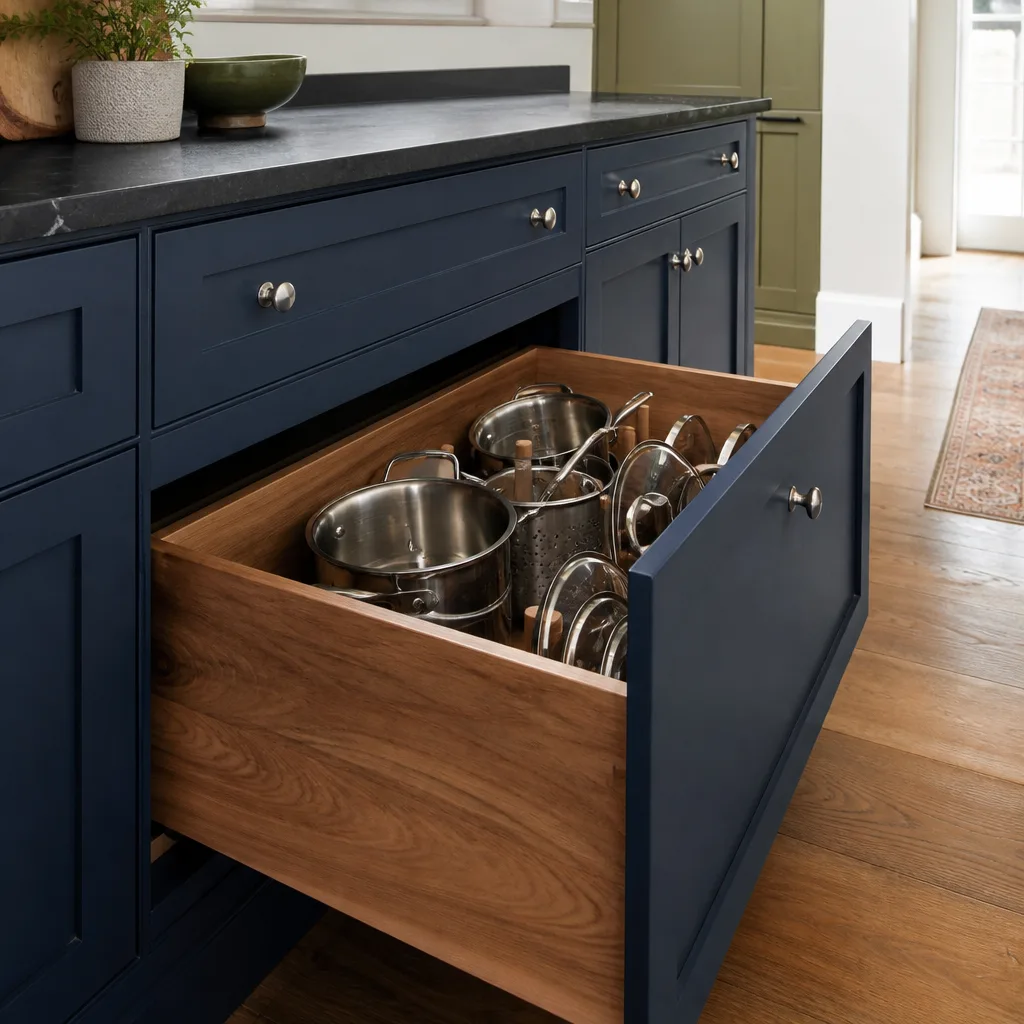
- Kitchen remodel, mid-range: $45,000 to $95,000. Cabinetry (KraftMaid or Wellborn), counters (Cambria or Caesarstone), plumbing, electrical, and finish.
- Kitchen remodel, high-end: $95,000 to $175,000+. Larger footprint, structural changes, high-end fixtures, integrated appliances.
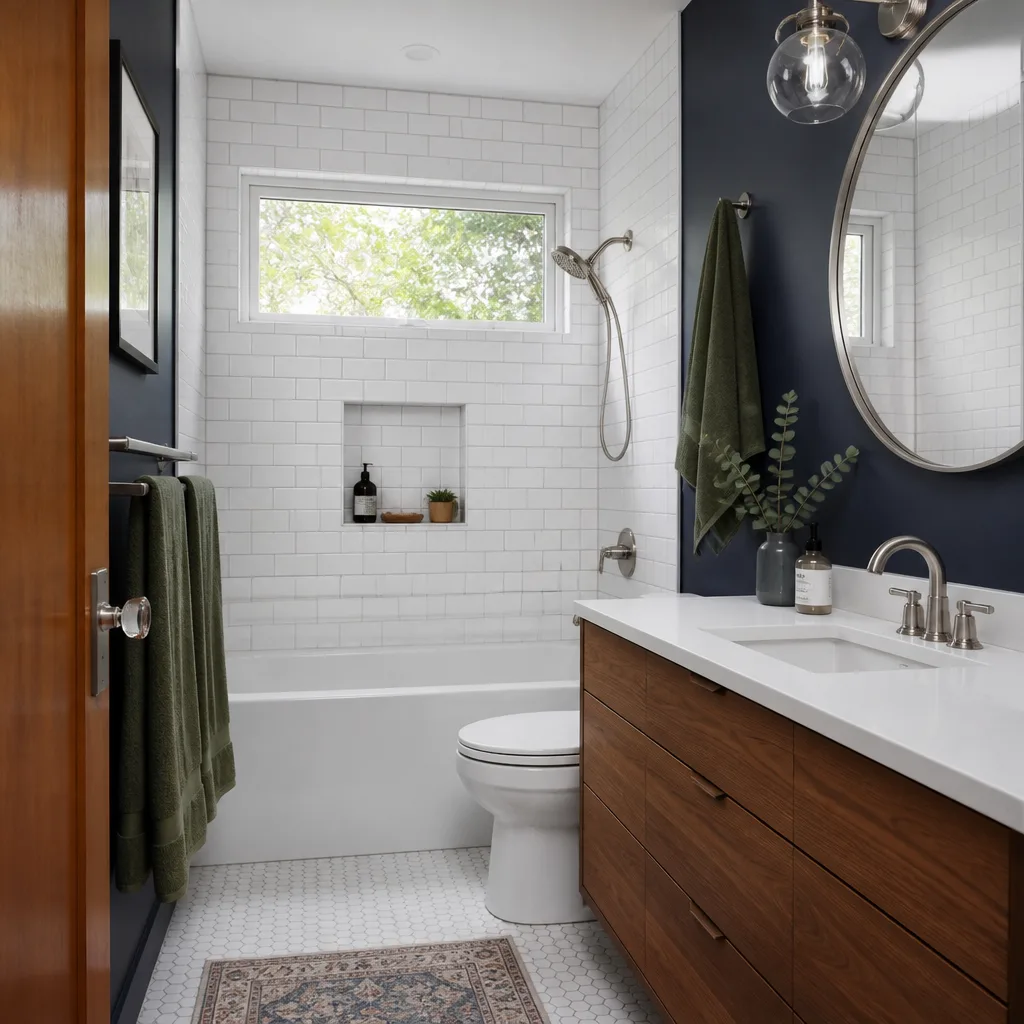
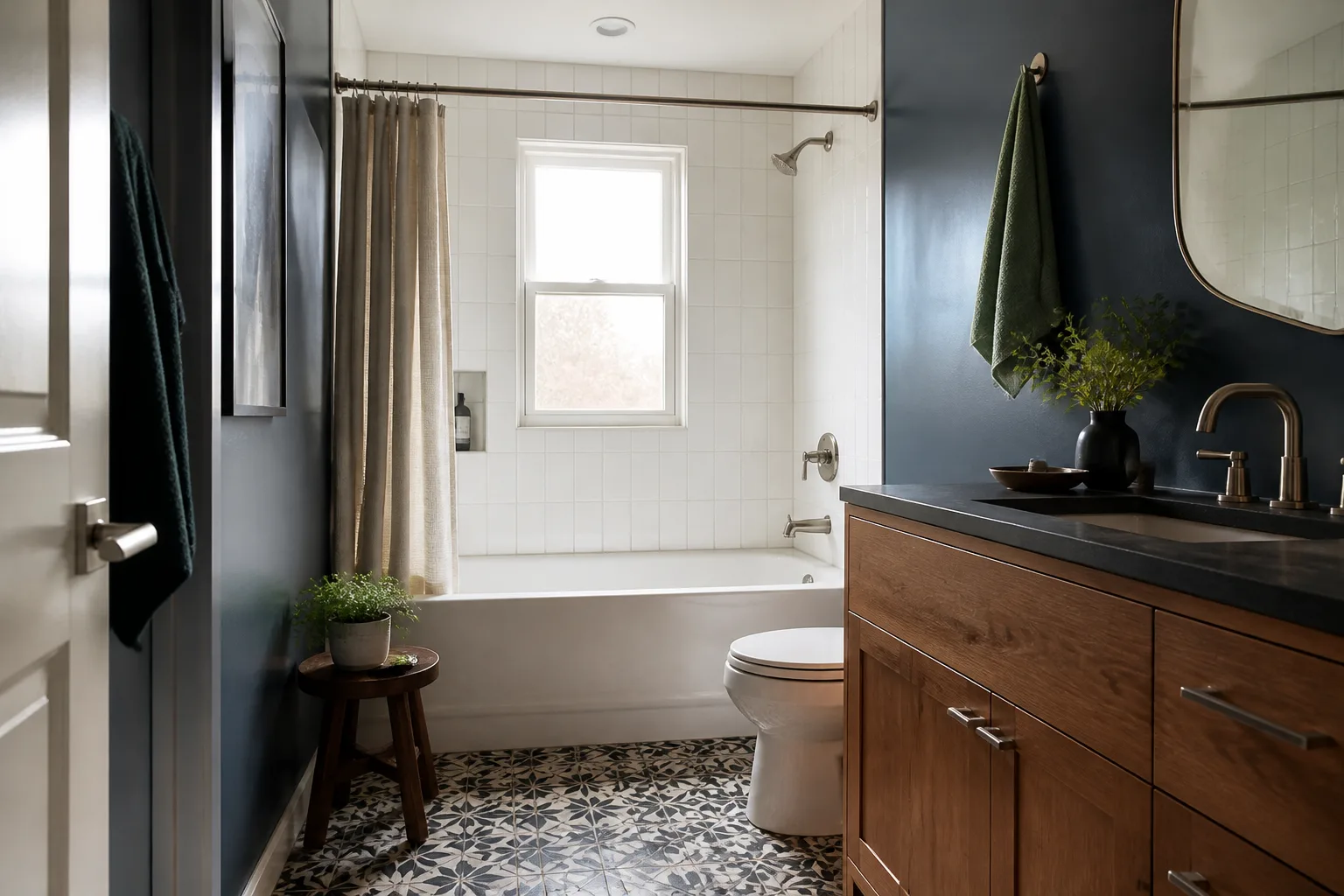
- Bathroom remodel, full gut: $18,000 to $48,000. Tile, fixtures (Kohler or Moen), plumbing rough, waterproofing.
- Whole-home renovation: $180,000 to $500,000+. Scope ranges from full systems replacement to a room-by-room overhaul.
- Seismic retrofit (cripple wall): $6,000 to $18,000.
- Structural addition, per square foot: $280 to $450 installed, Pasadena market.
- Historic overlay design review: $2,000 to $6,000 in added professional fees, depending on scope.
The single biggest variable in Pasadena is whether your project is in a historic overlay and whether the structural work has to address older framing that doesn’t meet current code. That’s why we don’t quote final prices over the phone. A written price after a site walk is the only honest number. Every project we take on gets that written price before the first tool comes out, and if scope changes, we put the change in writing before the work moves forward.
The Step-by-Step Hiring Process
Here’s the sequence we recommend to Pasadena homeowners, in the order that protects you best.
- Confirm the license and the insurance. Look up the contractor on the state licensing board. Verify the license is current, ask for a certificate of insurance showing general liability and workers’ comp, and confirm the license matches the business name on the contract.
- Ask for the license numbers of the subs. Electrical, plumbing, and HVAC subs must hold current C licenses. Get the names and numbers in writing, not verbally.
- Check the Pasadena permit record. Use the city’s online permit search to confirm the contractor has pulled permits under their own license in Pasadena, and check for any open permits or unresolved inspection issues.
- Ask about the historic overlay. If your house is in a preservation zone, confirm the contractor has run a project through the design review process in Pasadena. A contractor who hasn’t done it won’t anticipate the review time.
- Get a written, fixed price. The contract should state a total price, a scope line by line, a schedule, and a stated guarantee. If any of those are missing, stop and ask.
- Confirm who’s on the crew. Ask whether the contractor uses background-checked, uniformed technicians of their own or a rotating sub list. You’ll be sharing your home with these people for weeks.
- Confirm the guarantee in writing. The guarantee should be part of the signed contract, not a verbal promise. Ours is the 365-Day Done Right Promise: if the work fails within the year, we come back and correct it at no charge.
- Call the crew chief back with the last questions. The contractor who answers the phone, not a call center, is the one whose crew runs your job. That’s the check most homeowners skip.
Common Mistakes to Avoid
- Accepting a verbal bid. A verbal price moves the moment the first surprise turns up. Insist on a written, fixed price with a scope attached, or don’t sign.
- Letting the contractor pull the permit through a sub. The permit should be in the name of the general contractor you hired, with a license number that matches your contract.
- Ordering exterior products before the overlay review. In Bungalow Heaven, Garfield Heights, and similar overlays, ordering windows or doors before preservation review is approved means the permit stalls and the products sit in a garage.
- Assuming LA County handles the permit. Pasadena runs its own building department. If your contractor’s paperwork references LA County, the application goes to the wrong office.
- Skipping the seismic look-ahead. In a high seismic city, a modest remodel can trigger a required retrofit at final inspection. Plan for it in the budget, not on the final invoice.
- Letting a sub work without a C license. Electrical and plumbing done by unlicensed trades is a permit failure waiting to happen, and insurance may not cover the resulting damage.
- Accepting a guarantee that isn’t in writing. A verbal “we’ll take care of it” means nothing. The guarantee should be a signed document in your hand at close-out.
See the difference
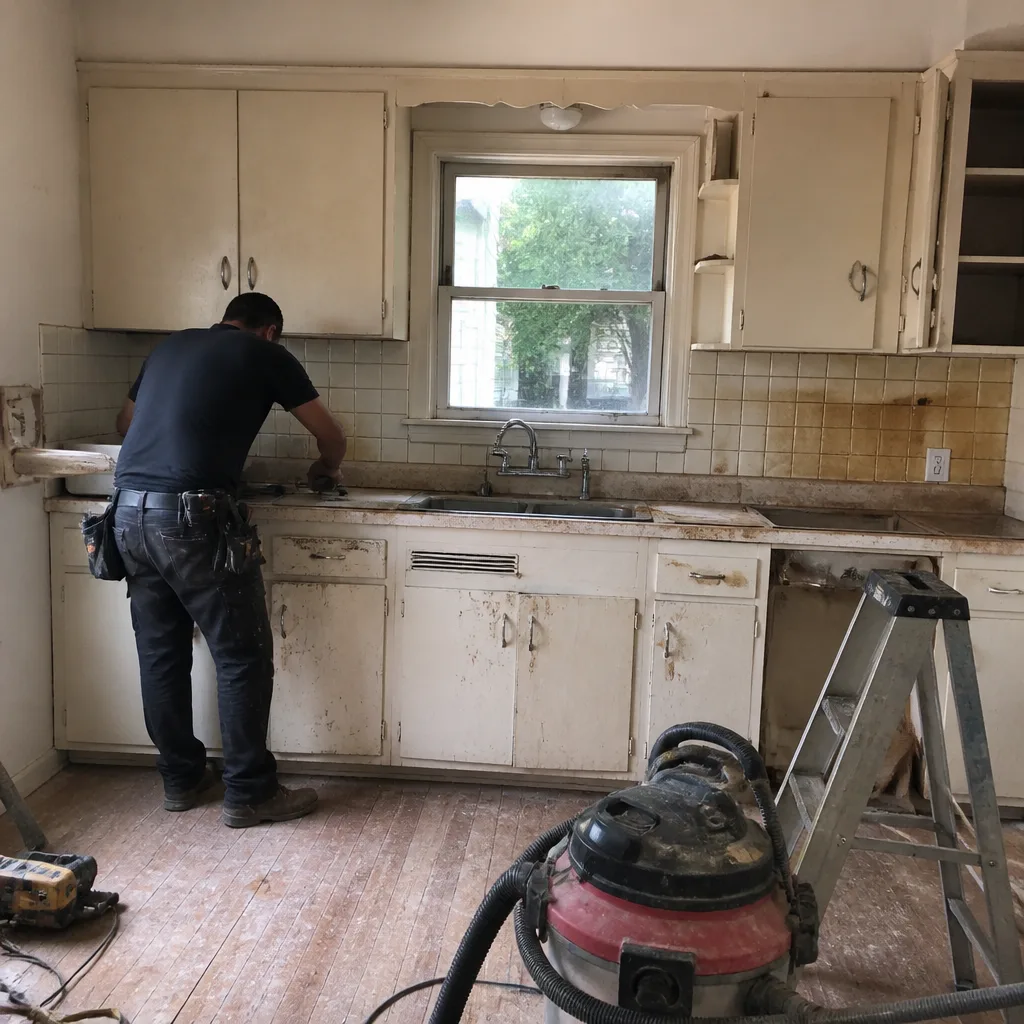 Before
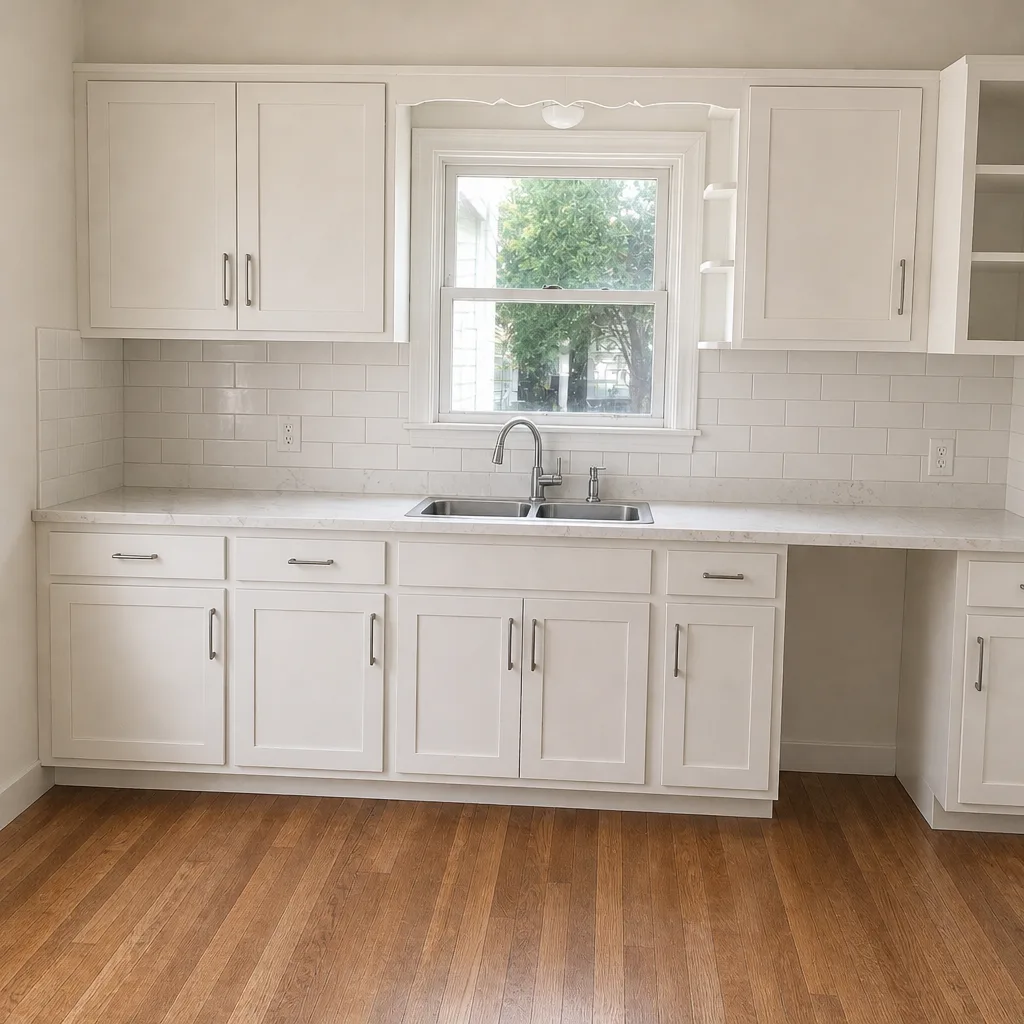 After
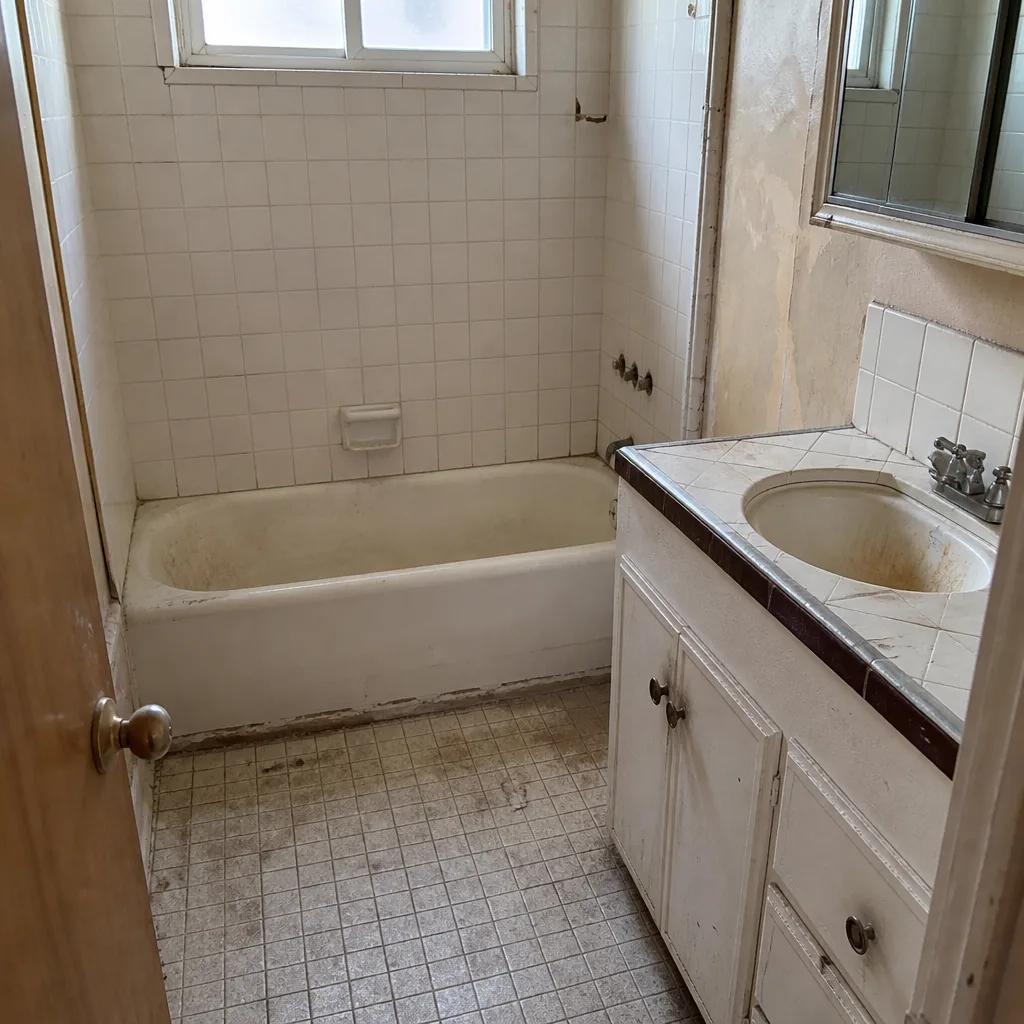 Before
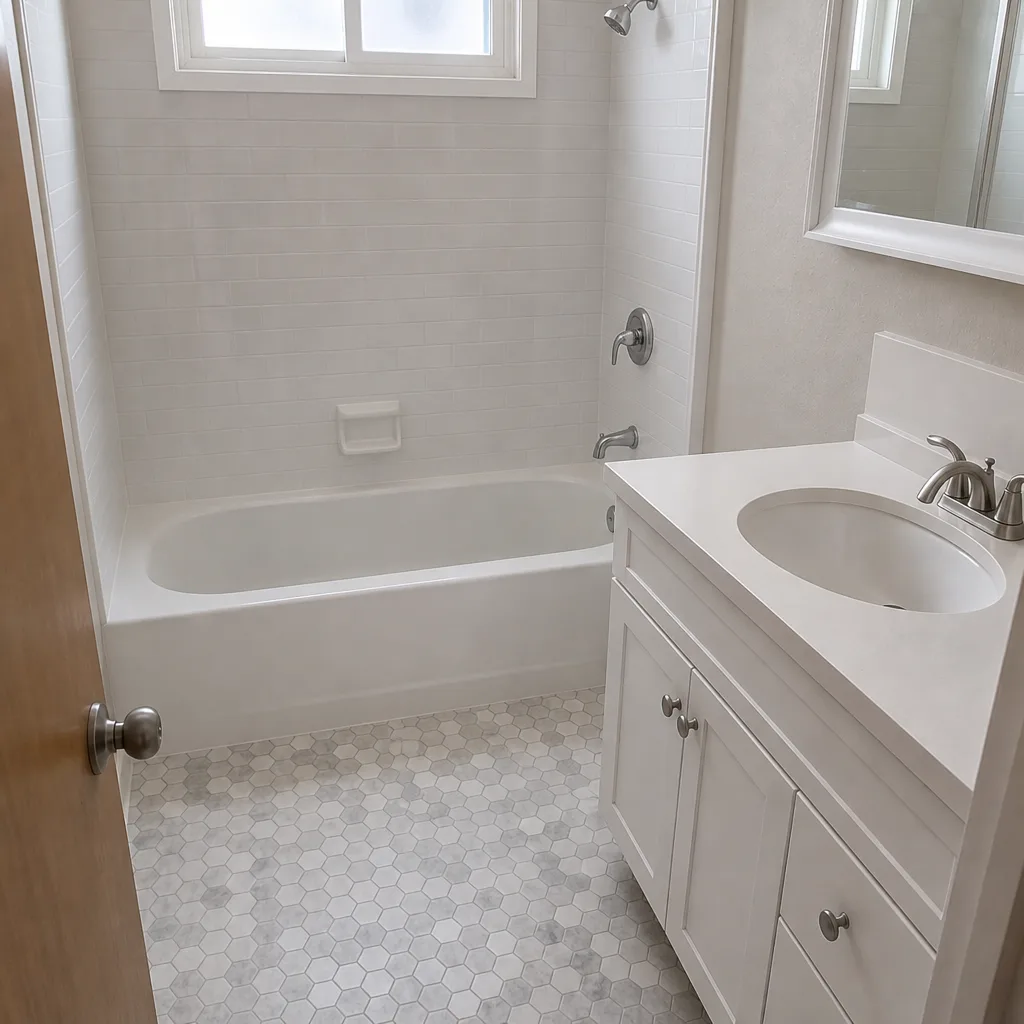 After
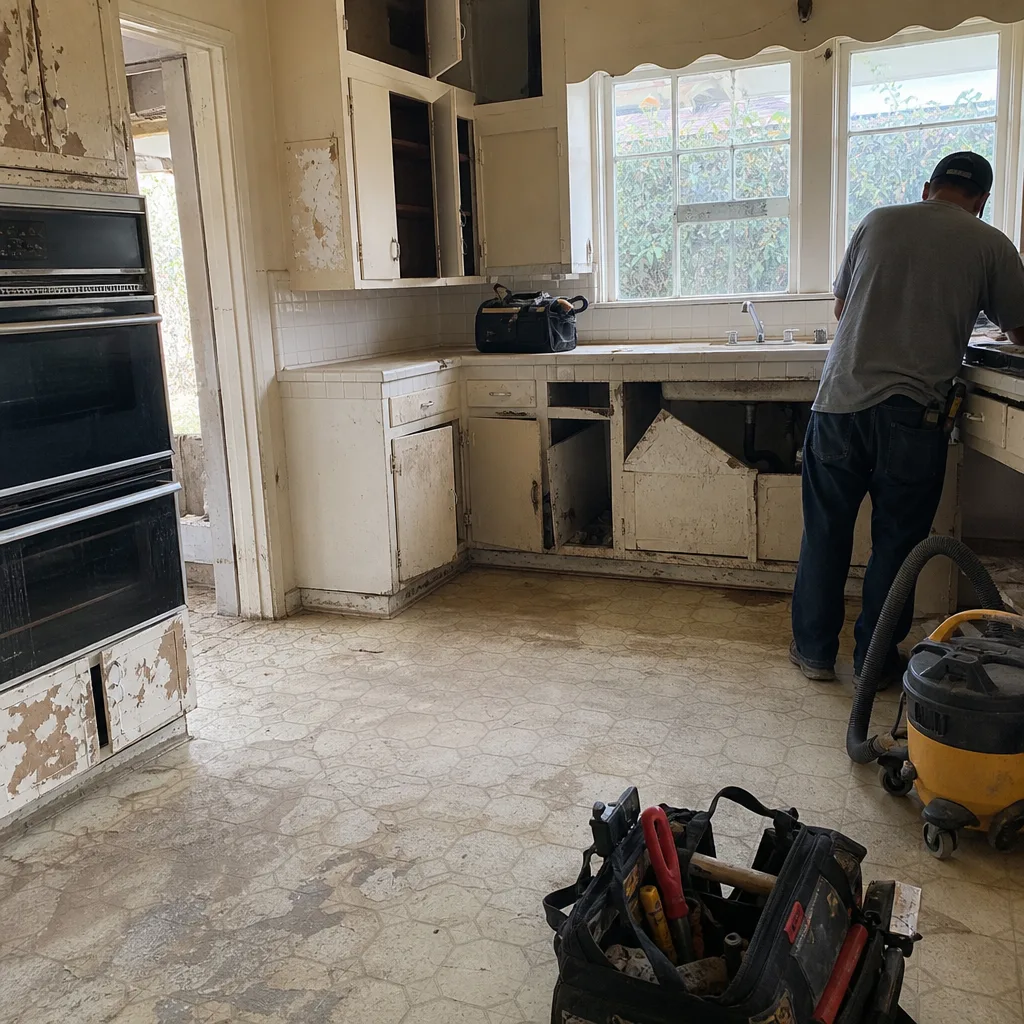 Before
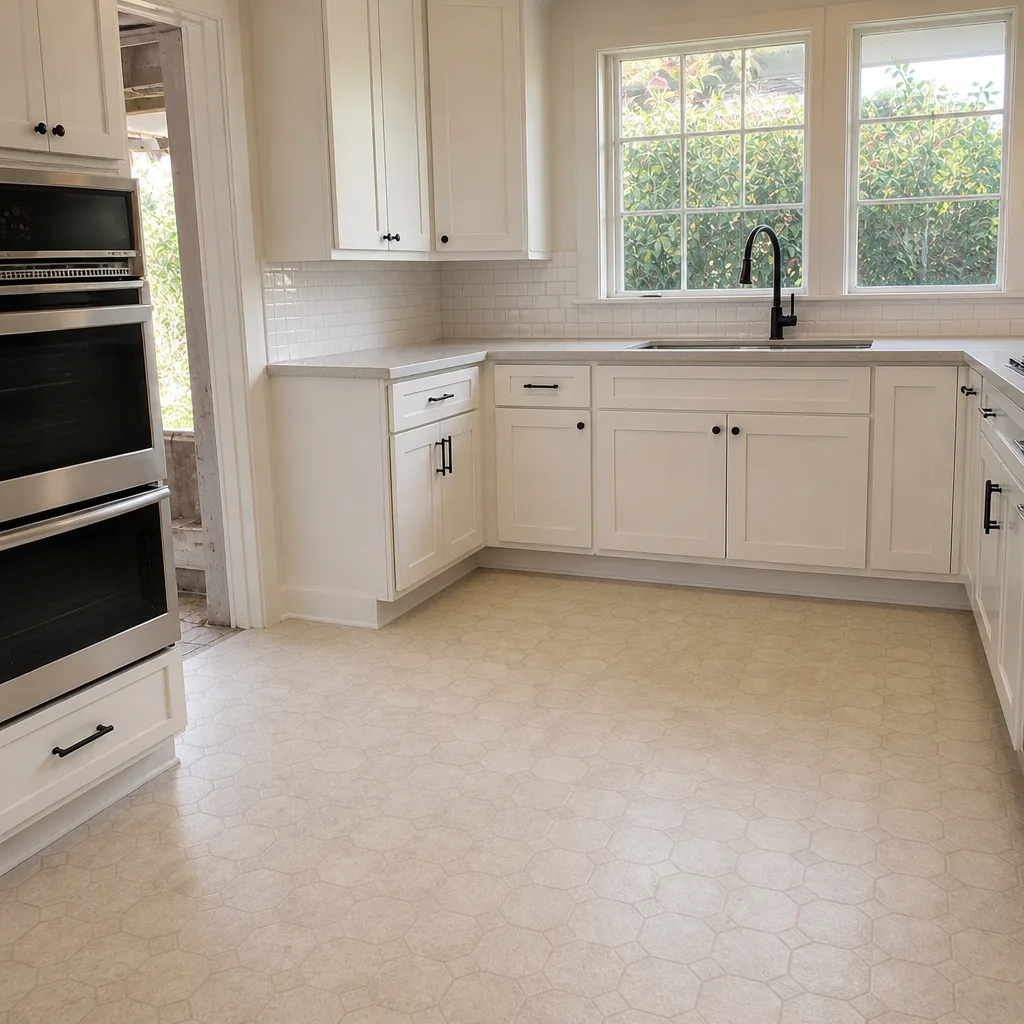 After
When to Call a Professional
Some Pasadena projects need a licensed general contractor, full stop. Anything structural – a wall coming out, an addition going on, a foundation repair – should not proceed without a licensed GC and a permit. Same for electrical panel upgrades, gas line work, and any project involving a historic overlay where the exterior is affected. And any job where the previous contractor walked off-site, left an open permit, or stopped taking calls needs a licensed contractor to assess before anything else moves. A bathroom remodel in Pasadena that involves moving plumbing or tile tear-out is in the same category.
Bradford Remodeling Co Pasadena offers free estimates in Pasadena. Call (888) 841-5410. Our technicians have up to 22 years of experience, we’re background-checked and uniformed, a live person answers the phone 24 hours a day, and every completed project carries the 365-Day Done Right Promise with a written price before work starts.
Frequently Asked Questions
Pasadena general contractors typically quote a project price rather than an hourly rate, and a mid-range kitchen remodel runs $45,000 to $95,000 while a whole-home renovation runs $180,000 to $500,000. Structural additions land at $280 to $450 per square foot installed in this market. Call (888) 841-5410 for an exact written quote; estimates are free.
No. Pasadena operates its own Building and Safety division and issues permits directly, with its own plan check schedule, inspection sequence, and local code amendments. A contractor who files through LA County out of habit will stall your project before demolition starts.
Not under The Garrison Standard. A written price goes in your hands before work starts, and if scope changes, you sign a written change order with a fixed price attached before the change happens. We don’t reprice at the door, and we don’t bill a “surprise” condition after the fact.
Yes. Every permitted project is filed in Pasadena’s Building and Safety division under our license, and the permit record should show our name and license number. You can verify the permit yourself using the city’s online search tool before work begins.
If your property is in a historic overlay zone, exterior changes require preservation design review before the city will accept a building permit application. The review can add several weeks and $2,000 to $6,000 in professional fees. A contractor who hasn’t run a project through Pasadena’s design review process won’t anticipate the timing, so ask directly.
The 365-Day Done Right Promise is a written guarantee on every completed project. If the work fails within the 365-day window, we return and correct it at no charge. It’s part of the signed contract, not a verbal offer. Call (888) 841-5410 to ask how it applies to your specific project.
The Bottom Line
Hiring a general contractor in Pasadena is a jurisdiction question as much as a license question. Confirm the contractor knows Pasadena’s own building department, understands which neighborhoods fall inside historic preservation overlays, holds the right license scope and brings licensed subs for the C-work, has pulled permits under their own name in this city, and will put a fixed written price and a 365-Day Done Right Promise in your hands before anyone picks up a tool. Do those five things, and the project moves on the city’s schedule instead of stalling on a requirement you found out about mid-job. The difference between a straightforward Pasadena remodel and a stalled one is usually discoverable in week one, if you know what to check.
Written by the team at Bradford Remodeling Co Pasadena.