Last updated November 18, 2026
Free written scope consultation - allowances, timeline, and change-order rules on paper before a single trade is scheduled
The Complete Bathroom Remodeling Guide for Pasadena Homeowners
Pasadena has more homes built before 1960 than most of its neighboring cities, and that single fact reshapes every bathroom remodel here. Open a wall in a 1940s bungalow near Bungalow Heaven or a 1950s ranch in East Pasadena and you may find galvanized supply lines, a drum trap under the tub, and a single-stack vent system that no photo can price from a distance. A contractor who quotes your job from three pictures on a phone is guessing. This guide shows you what a Pasadena bathroom job actually involves: how permitting works at the city’s Building and Safety desk, what older plumbing really costs to correct, how our housing stock drives substrate decisions, and what a fixed-price contract has to spell out before you sign it.
Quick Answer
A bathroom remodel in Pasadena typically runs $14,000 to $32,000 for a full gut-and-rebuild of a standard 5×8 or 5×10 bath, with a written fixed price set before work begins. The number moves most on plumbing discovery in pre-1970s homes, permit scope, and how much of the tile substrate has to be replaced once the wall is open. Cosmetic refreshes (vanity, fixtures, paint, no layout change) land lower, while layout changes that move the drain and supply lines push toward the top of the range or above it.
Styles & brands we work with
- Kitchen remodeling
- Bathroom remodeling
- Home additions & ADU
- Roofing
- Windows & doors
- Driveway & pavers
- Fence
Table of Contents
- Pasadena Bathroom Permit Rules: What Triggers a Permit and What Can Go Over the Counter
- Pre-1970s Plumbing Realities: Galvanized Pipe, Drum Traps, and Single-Stack Venting
- Substrate and Subfloor: Why Pasadena’s Old Housing Stock Changes Tile Decisions
- What a Fixed-Price Contract Must Specify Before You Sign
- California Fixture Efficiency Rules and How They Shape Product Choices
- What a Pasadena Bathroom Remodel Costs, Line by Line
- The Remodel Sequence, Step by Step
- Common Mistakes to Avoid
Pasadena Bathroom Permit Rules: What Triggers a Permit and What Can Go Over the Counter
Pasadena’s Building and Safety division separates bathroom work into two lanes, and knowing which lane your job belongs in saves weeks. Cosmetic work – paint, vanity swap in the same location, faucet and fixture replacement, re-grouting, a new toilet in the existing spot – generally does not require a permit. The moment your project touches the plumbing rough-in, electrical, structural framing, or moves any fixture to a new location, you’re in permit territory.
Pasadena allows eligible small residential work to go through an over-the-counter review rather than full plan-check, but eligibility is narrow. A like-for-like fixture swap with an existing rough-in can often clear quickly. A layout change that relocates the toilet, tub, or shower drain is a different matter – that’s a plumbing alteration with a drain and vent inspection attached, and it will go through plan review with the drawings that support it.
Here’s what a bathroom permit in Pasadena typically involves:
- Plumbing permit: required for any change to supply lines, drain lines, or vents. Each gets its own inspection – rough-in first, then finish.
- Electrical permit: required for new circuits, added receptacles, GFCI protection in wet areas, and any lighting change that adds a fixture.
- Mechanical permit: required if you’re adding or relocating exhaust fan ducting out of the bathroom.
- Building permit: required for structural changes, moving walls, or enlarging a bathroom into adjacent space.
Inspections have to happen in the right order: rough framing and plumbing before drywall, then final. A contractor who tells you that you can pull the permits after the walls are closed is telling you the inspection will fail. We pull permits and pass inspections as a written commitment on every job that requires one, because the alternative is a stop-work order and a tear-out. If you want the full picture of how a general contractor handles Pasadena permits, we cover it on our General Contractor in Pasadena page.
Pre-1970s Plumbing Realities: Galvanized Pipe, Drum Traps, and Single-Stack Venting
In our experience, roughly half the bathroom remodels we touch in Pasadena homes built before 1970 uncover plumbing that has to be corrected before tile goes back on the wall. The three things we see most often:
- Galvanized steel supply lines. Galvanized pipe was standard until copper took over in the 1960s. By year 50, the interior of the pipe is choked with mineral scale, and water pressure at the shower head drops to a trickle once you replace the old fixture with a modern low-flow head. If the walls are open, this is the moment to replace the run – not after the tile is up.
- Drum traps under the tub. Older Pasadena homes often have a drum trap – a round cast-iron canister with a removable top plate – instead of a modern P-trap. Drum traps clog, they’re harder to snake, and most inspectors will require replacement to a code-compliant P-trap when the fixture is opened. Budget for it.
- Single-stack venting. A single vent stack serving multiple fixtures can work fine for the original configuration. Add a relocated toilet or a second sink on the same stack and the vent sizing has to be re-examined, often with an added vent or an air admittance valve allowed by code. This is plumbing you cannot fake.
What should you budget for the discovery? For a single bathroom, plan on $2,500 to $6,500 in contingency for pre-1970s plumbing corrections – more if the supply lines need a full replacement through a wall, less if only the trap is changed. That contingency is not padding; it’s the honest number for the housing stock. On a written-price job, we don’t add numbers at the door, but we do tell you exactly what’s included, what’s excluded, and what triggers a change order before we start. The rule is simple: nothing gets changed without your written approval, and nothing gets approved without the price in front of you.
Substrate and Subfloor: Why Pasadena’s Old Housing Stock Changes Tile Decisions
Tile is only as good as what it sits on, and in Pasadena that means paying attention to what’s under the bathroom. “Substrate” is the layer the tile is bonded to – cement board, a bonded waterproof membrane, or in older homes sometimes drywall or a mortar bed. “Subfloor” is what’s under that – usually plywood or plank boards, and in some Pasadena bungalows, diagonal subfloor planks laid across the joists. Get the substrate wrong and the grout cracks within 18 months.
Three substrate realities drive cost here:
- Diagonal plank subfloor. Common in homes from the 1920s through the 1950s. Planks move with seasonal moisture, so a tile installation needs a proper underlayment layer (plywood or a decoupling membrane) before any tile backer goes down. Skipping this step is the #1 reason grout cracks in older Pasadena bathrooms.
- Water damage around the tub. Old cast-iron tubs and shower pans leak slowly over decades. When the tub comes out, the subfloor around the drain often has soft spots – the wood has rotted where the drain has been seeping. Replacing a section of subfloor with new plywood and blocking adds $400 to $1,200 in material and labor.
- Cement backer vs. waterproof membrane. Modern bathroom walls behind the tile should have a waterproofing layer – cement backer board with a bonded membrane system or a liquid-applied waterproof coating. This is where product selection matters. We specify names with a paper trail – a Kohler shower valve, a Moen rough-in, a Caesarstone vanity counter – because every piece has a manufacturer spec sheet and warranty behind it. When the tile is up, you want a printed record of what’s under it.
If you’re comparing this to a kitchen project, the same substrate logic drives cost there too – we cover it on our Kitchen Remodeling in Pasadena page.
What a Fixed-Price Contract Must Specify Before You Sign
A fixed price is only fixed if the scope, allowances, and exclusions are written down. Here’s exactly what any Pasadena bathroom contract must spell out before you sign, and what a vague one will leave open.
- Scope, room by room and wall by wall. “Remodel bathroom” isn’t a scope. The contract should list what comes out, what goes in, and which fixtures move. Every line: tub, shower, vanity, toilet, tile, lighting, exhaust, paint, trim.
- Allowances – with a dollar figure. An allowance is a budget number for a material the contractor hasn’t picked yet: “$1,400 tile allowance,” “$950 vanity allowance.” Get the number in the contract, and understand upfront that anything above the allowance is a change order you approve.
- Exclusions. Anything the contract does not list is excluded and will be billed separately. If plumbing discovery is not addressed, the contract is silent on who pays for a new drain line. An honest contract names the discovery categories and their pricing structure.
- Permit responsibility. Who pulls the permit, who pays the fee, who meets the inspector. This is not a handoff.
- Change-order process. In writing, approved by you, priced before work proceeds. No verbal “we found something” and no surprise line at invoice time.
- Guarantee term and what it covers. A guarantee is only meaningful if it names the duration and the remedy. The 365-Day Done Right Promise is a full-year written guarantee on every completed project: if the work fails inside that window, we come back and correct it at no charge. Read the guarantee clause in any contract you’re asked to sign, and if it doesn’t have a defined term and a defined remedy, ask why.
This is what The Garrison Standard means in practice – every price and every guarantee put in writing before a tool comes out. No numbers that move at the door.
California Fixture Efficiency Rules and How They Shape Product Choices
California’s fixture efficiency requirements are among the strictest in the country, and they directly affect what you can install in a Pasadena bathroom. Current state rules require:
- Toilets: 1.28 gallons per flush maximum.
- Showerheads: 1.8 gallons per minute at 80 psi maximum.
- Bathroom faucets: 1.2 gallons per minute maximum.
These aren’t suggestions – they’re requirements tied to the permit. A licensed contractor with a current catalog will specify compliant fixtures by model number, so the inspection passes and the manufacturer warranty holds. Compliance isn’t a limitation; the current generation of Kohler and Moen low-flow fixtures performs far better than the first-wave low-flow products from the 1990s, and a well-designed shower with a modern 1.8 GPM head feels stronger than a 30-year-old 2.5 GPM unit ever did.
One practical note for older Pasadena homes: when you replace a toilet or showerhead, check the supply stop valve. Old gate valves are often seized. Replacing them during the remodel is a $40 part, but it saves a shutoff problem in year two.
What a Pasadena Bathroom Remodel Costs, Line by Line
Here’s a real line-item range for a Pasadena bathroom remodel. The numbers assume a standard 5×8 or 5×10 bath with existing layout, and they reflect what we quote here, not national averages.
- Demolition and disposal: $800 – $1,800
- Plumbing (like-for-like, no relocation): $1,200 – $2,500
- Plumbing discovery (pre-1970s correction): $2,500 – $6,500
- Electrical (new circuits, GFCI, exhaust): $900 – $2,000
- Subfloor repair and substrate: $700 – $2,200
- Tile (floor and surround, mid-range): $2,800 – $6,500
- Vanity, mirror, and top (Caesarstone, quartz): $1,400 – $3,800
- Fixtures (tub, shower, toilet, faucets – Kohler/Moen class): $1,600 – $4,400
- Drywall, paint, and trim: $900 – $2,000
- Permit and inspection fees: $250 – $800, depending on scope
Add it up and the realistic floor for a full gut-and-rebuild is around $14,000, with most Pasadena jobs landing between $18,000 and $32,000. A cosmetic refresh without layout changes typically runs $6,000 – $11,000. These are ranges, not promises – your job gets its own written price. For an exact quote on your specific bathroom, call us and we’ll walk the room and put a fixed number in writing.
The Remodel Sequence, Step by Step
Understanding the sequence helps you follow along and catches cuts in the corner. A disciplined Pasadena bathroom remodel runs in this order:
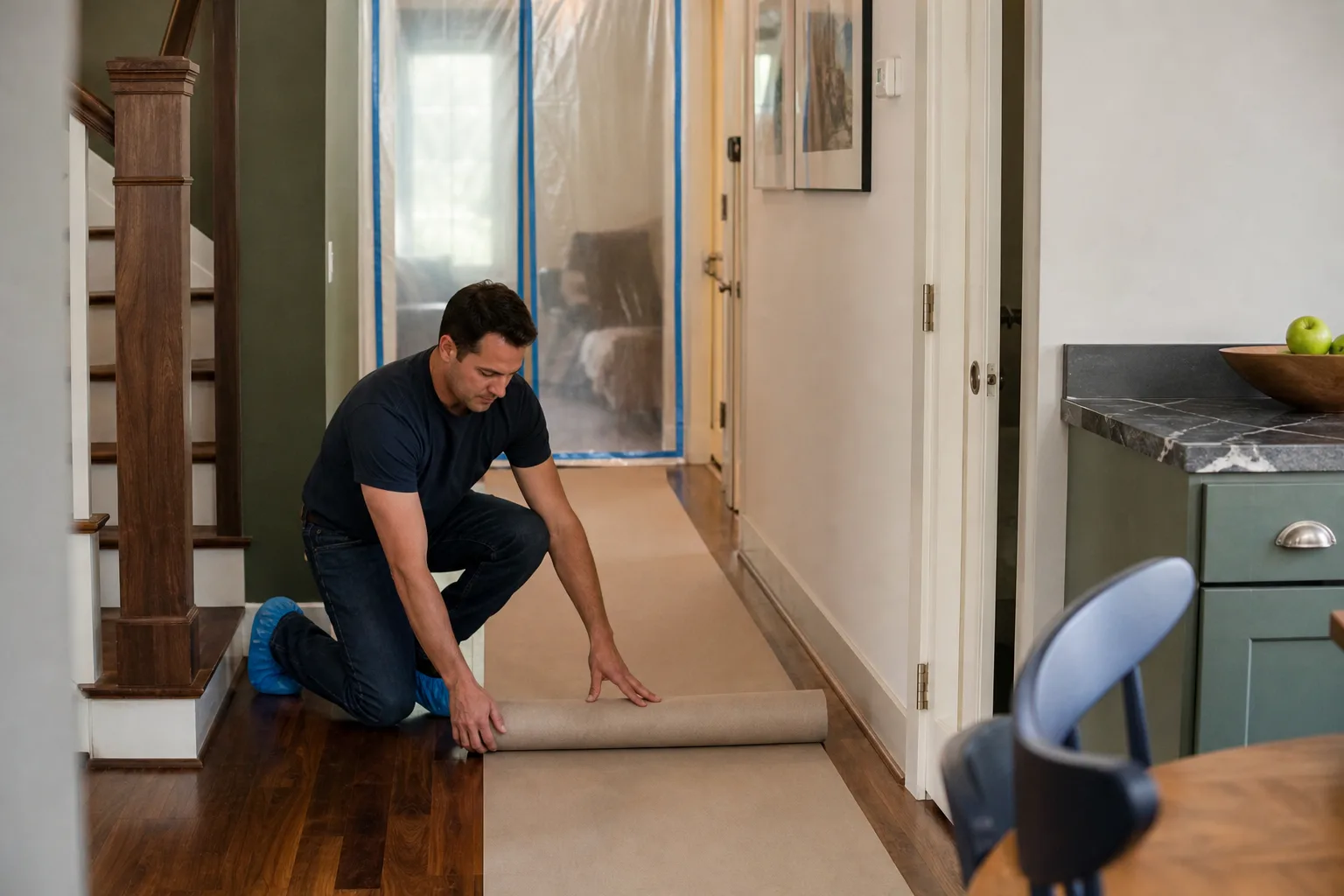
- Site protection and demolition. Floors covered, adjacent rooms sealed off, old fixtures and tile out, debris hauled same-day.
- Discovery inspection. With walls open, we inspect the plumbing and framing and provide you with a priced change order for anything that has to be corrected – before we proceed.
- Rough-in plumbing and electrical. New supply and drain lines, new circuits, venting. Then the city rough-in inspection.
- Subfloor and substrate. Repair soft spots, install new plywood or decoupling layer, waterproof the shower.
- Drywall, priming, and waterproofing cure. The wall behind the tile is now finished and waterproofed.
- Tile. Floor first, then walls. Grout and cure time as specified by the manufacturer.
- Fixture set. Tub, toilet, vanity, faucets, shower trim. Then the final plumbing and electrical inspection.
- Finishes and cleanup. Trim, paint, mirror, hardware, sealing. Then a walkthrough with you, a signed written guarantee in your hand, and a clean site at close.
If you want the broader context on how these sequences run in other rooms, our Bathroom Remodeling in Pasadena page covers what we do on the bathroom side specifically.
Common Mistakes to Avoid
- Signing a contract that lists a price but not a scope. A fixed number with no written scope is a verbal quote dressed up. The number moves the moment the wall is open, and you have nothing to point to. Insist on written scope, allowances, and exclusions before signing.
- Skipping the contingency. Every pre-1970s Pasadena bathroom has a surprise behind the wall. Budgeting $0 for discovery is the mistake; budgeting $2,500 – $6,500 means you’re not caught short when it’s needed.
- Designing to the fixture, not the rough-in. Buying the tub before the plumber confirms the drain location adds weeks. Pick fixtures with the rough-in in front of you, or you’ll be returning a $2,000 tub.
- Going cheap on the substrate to hit a budget number. A $400 saved on waterproofing turns into a $4,000 re-tile in year two. This is the single most expensive corner to cut in a Pasadena bathroom.
- Pulling permits after the walls are closed. You can’t pass a rough-in inspection on walls that are already drywalled. The inspection has to happen before wall-close, and the contractor should be scheduling it.
- Not reading the guarantee clause. “Warranty” without a defined term and remedy is marketing. Read what you sign. The 365-Day Done Right Promise is a full-year written guarantee, and it means what it says.
- Ignoring hillside drainage. On Pasadena’s hillside lots – the Lincoln Avenue area, the streets above the Rose Bowl, homes in the hillside zones – the wall that faces uphill is where moisture shows up first. If the bathroom sits on an exterior wall, inspect for water intrusion before the new tile goes on.
See the difference
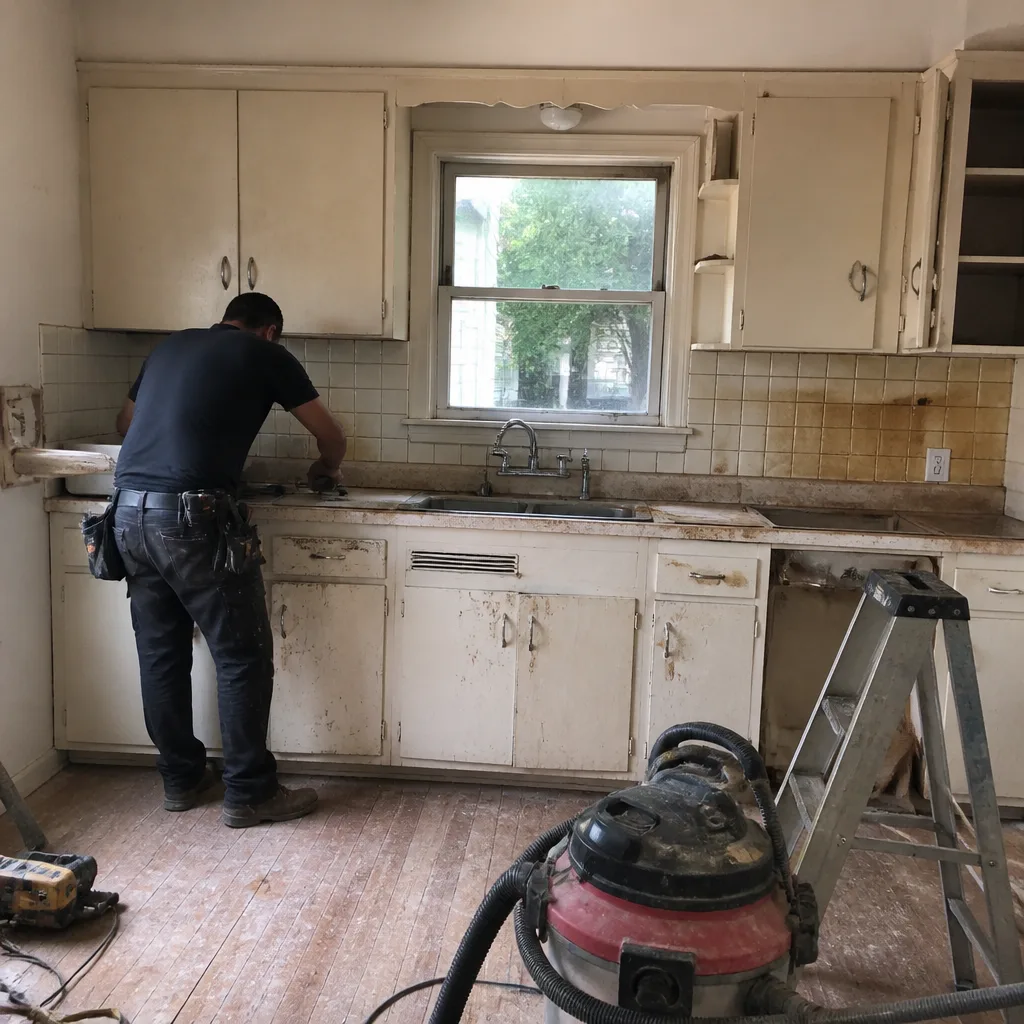 Before
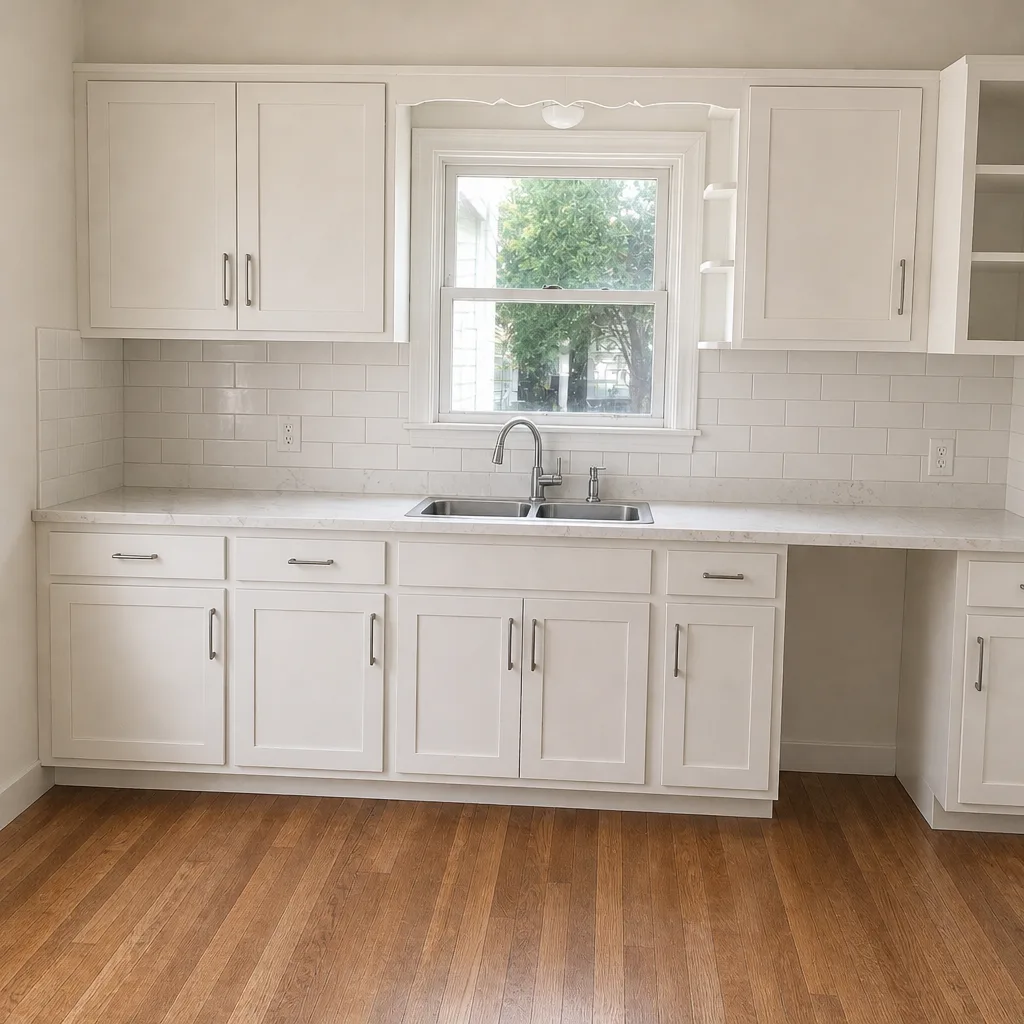 After
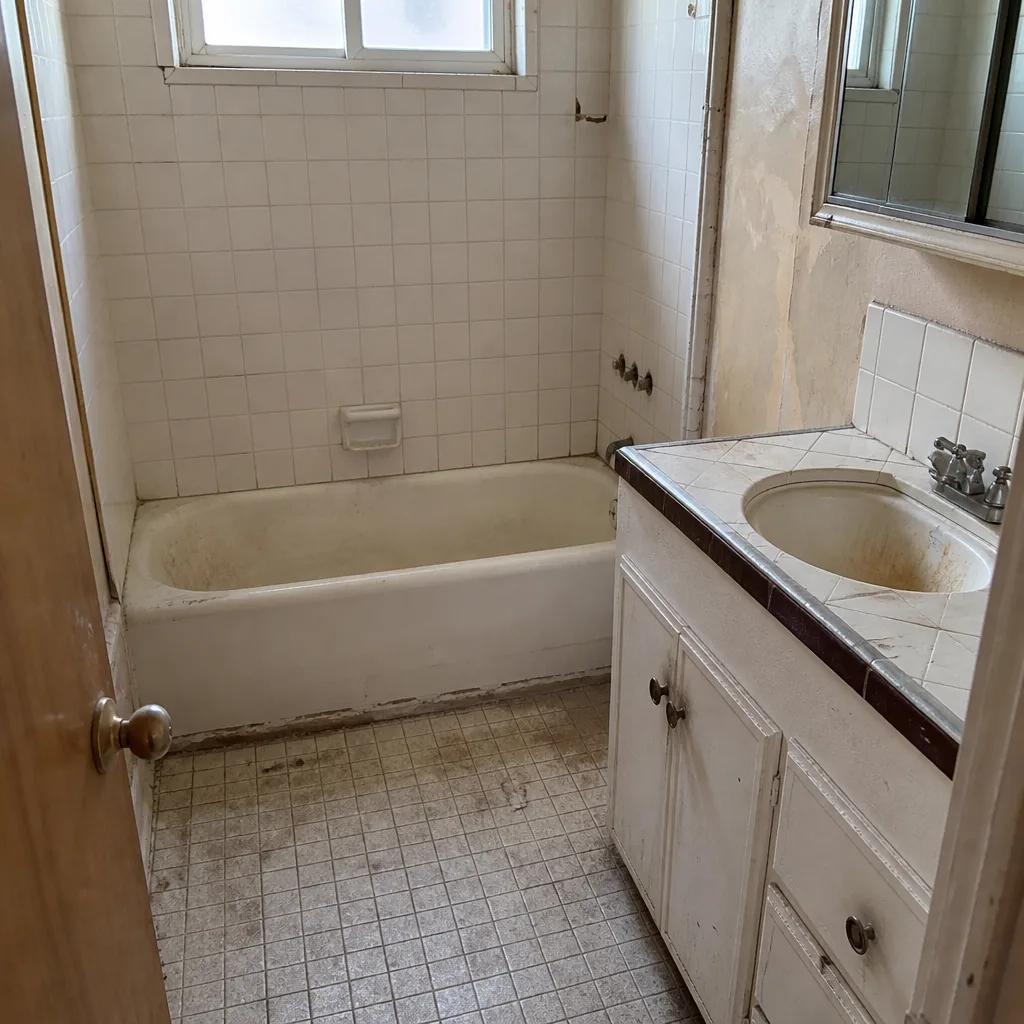 Before
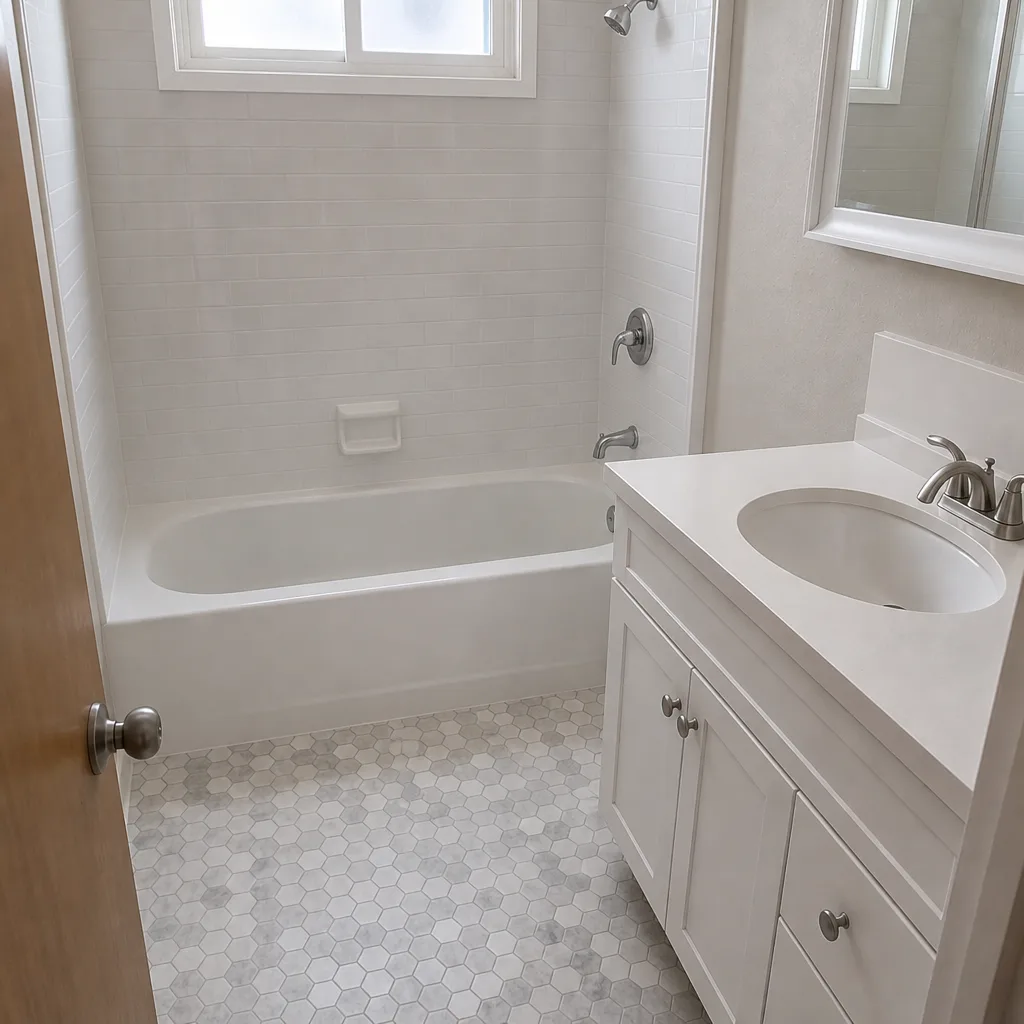 After
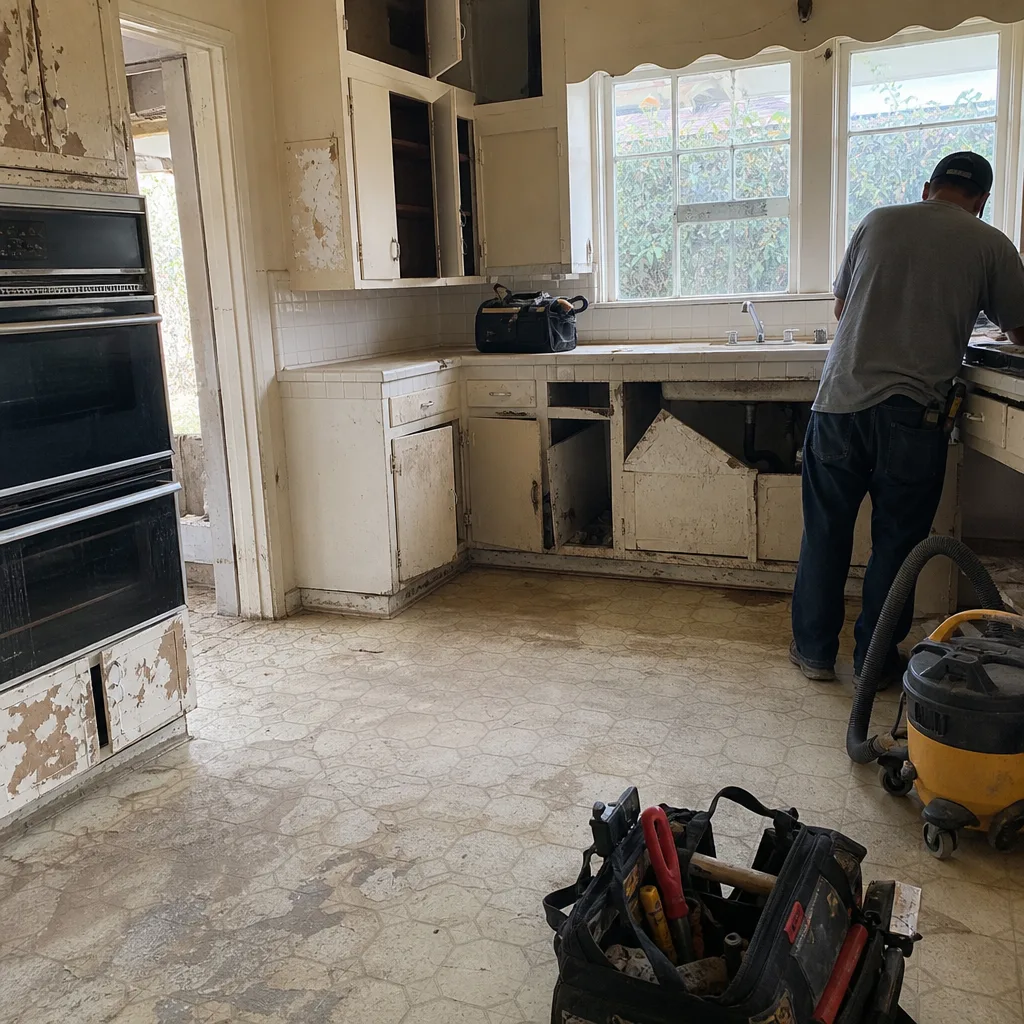 Before
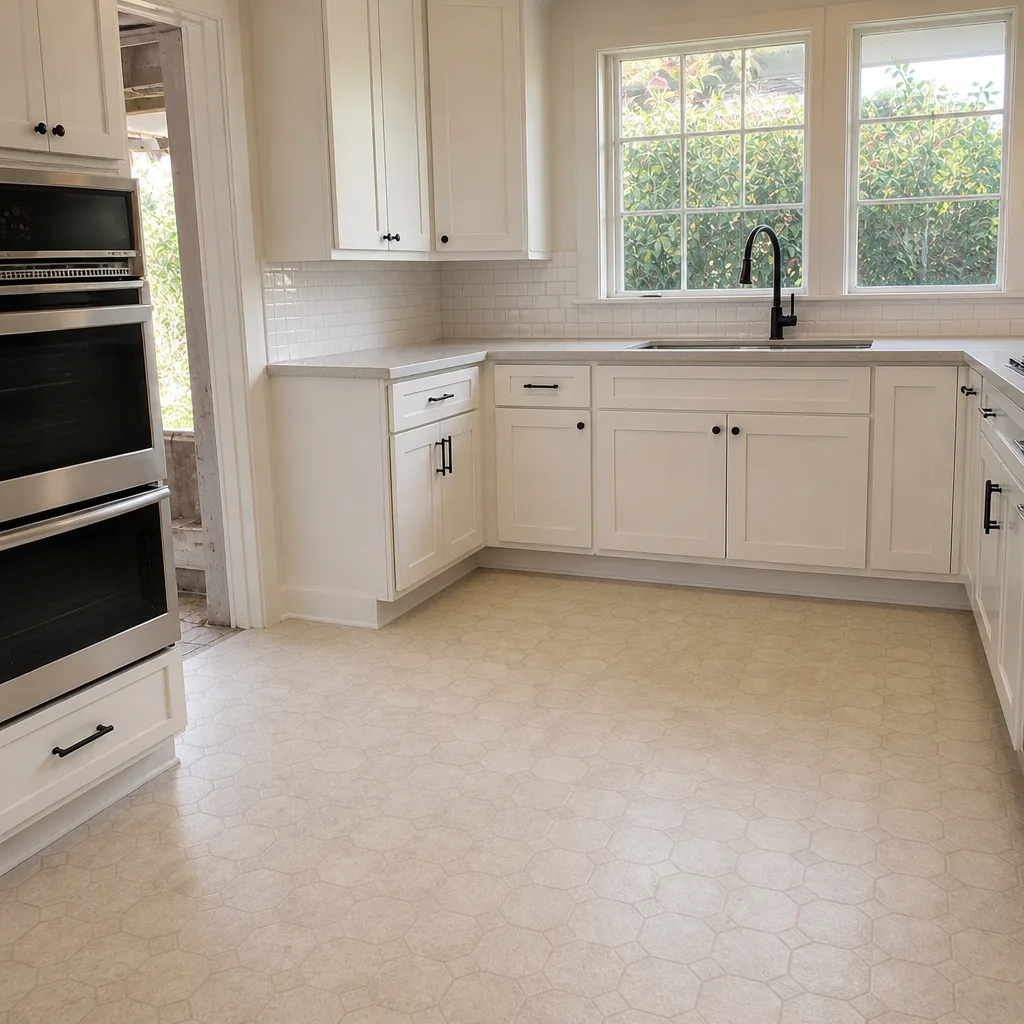 After
When to Call a Professional
Call a professional when the job involves moving a drain, adding a circuit, or anything behind the wall. Those are licensed trades and permitting matters. Call also if you’ve been burned before – a no-show contractor, a surprise invoice, a friend-of-a-friend who started the job and never finished it. A bathroom remodel is not a weekend project. Water damage, mold, and structural framing are the three things that turn a $15,000 job into a $30,000 job, and they all come from work that was done wrong on the first pass. Bradford Remodeling Co Pasadena offers free estimates in Pasadena – call (888) 841-5410. Our technicians have up to 22 years of experience, they’re background-checked and uniformed, and a live person answers the phone 24/7. No voicemail, no callback queue.
Frequently Asked Questions
A full gut-and-rebuild of a standard bathroom in Pasadena typically runs $14,000 to $32,000, with most jobs landing between $18,000 and $32,000. The number is driven by plumbing discovery in pre-1970s homes, permit scope, and how much substrate has to be corrected. Call (888) 841-5410 for an exact quote – estimates are free and we’ll put the price in writing before anything starts.
You need a permit any time the work touches plumbing rough-in, electrical, structural framing, or moves a fixture to a new location. Purely cosmetic work – paint, a vanity swap in the same spot, faucet replacement – generally does not need a permit. When in doubt, the Building and Safety desk will tell you which lane your job falls into, and a licensed contractor pulls the permits as part of the job.
Not without your written approval. We set a fixed price in writing before any work begins, with no numbers that move at the door. If the wall opens and we find galvanized supply lines or a failing drum trap that wasn’t visible, we provide you with a priced change order and you approve or decline it in writing before any additional work proceeds. Nothing gets added to the invoice without your signature.
A standard bathroom remodel takes 3 to 5 weeks from demolition to walkthrough, and a cosmetic refresh can land in 1 to 2 weeks. The schedule extends when discovery requires a new drain line, when a permit inspection has to be scheduled, or when a special-order tile is on backorder. Your written contract should list a sequence with the inspection points built into it, so you know when the rough-in happens and when the finish goes in.
Then the supply lines need to be replaced – not later, but while the walls are open. Galvanized steel pipe at 60 to 70 years old is choked with mineral scale and will fail at a joint, not at the surface. Budget between $2,500 and $6,500 for galvanized supply replacement during a bathroom remodel, more if the run is extensive. Replacement to copper or PEX is the cost of doing it right the first time.
Yes. Bradford Remodeling Co Pasadena is a member of the Garrison Partners family, independently owned and operated and held to The Garrison Standard, and the work comes with a written price before it starts. Every completed project is covered by the 365-Day Done Right Promise – a full-year written guarantee: if the work fails inside that window, we come back and correct it at no charge. Call (888) 841-5410 and we’ll walk you through what’s covered.
The Bottom Line
A Pasadena bathroom remodel is a local job, not a national one. The permit lane at Building and Safety depends on your scope. The plumbing discovery depends on when your house was built – pre-1970s means galvanized, drum traps, and single-stack venting to budget for. The substrate depends on the subfloor, because diagonal plank subfloor and 80-year-old water damage are what crack tile when the wrong underlayment goes down. What makes the job squared away is the paperwork: a fixed price in writing before a tool comes out, a change-order process defined, a permit pulled and inspections passed, and a full-year written guarantee in your hand at walkthrough. That’s The Garrison Standard, and that’s how a Pasadena bathroom gets done right. Start at the Bradford Remodeling Co Pasadena home page to see how we work.
If you’re ready to price your bathroom, call Bradford Remodeling Co Pasadena at (888) 841-5410. Estimates are free, the price is in writing before any work begins, and a live person answers the phone 24/7. We’ll walk the room, tell you what we see, and give you a number you can hold us to.
Written by the team at Bradford Remodeling Co Pasadena.