Last updated November 18, 2026

Free written scope consultation - allowances, timeline, and change-order rules on paper before a single trade is scheduled
DIY vs Professional Bathroom Remodeling: What’s Safe to Do Yourself
In California, you can legally pull your own permit and remodel your own bathroom. That fact gets repeated in every DIY guide as if it settles the question. It doesn’t. The moment you sell your house, that unpermitted or under-inspected bathroom becomes a disclosure liability, and buyers’ inspectors find remodel work in Pasadena routinely – often because a shower pan was built without a slope, or a drain was set a quarter inch off. “I did it myself” is not an exemption from code. This guide covers what you can genuinely do yourself in Pasadena, what triggers a licensed contractor, where DIY errors turn into moisture damage, and how to structure a hybrid project that splits the difference legally and safely.
Quick Answer
Safe DIY work in a bathroom remodel: painting, swapping vanity hardware and fixtures, installing mirrors and accessories, regrouting tile, and hanging a pre-hung vanity cabinet. Do not DIY shower waterproofing, drain rough-in, plumbing relocation, electrical circuits, or anything that requires a permit in Pasadena without understanding the inspection and resale disclosure implications. If your project moves a drain, adds a circuit, or rebuilds a shower pan, hire a licensed professional for that scope and DIY the finish work you’re confident in.
Styles & brands we work with
- Kitchen remodeling
- Bathroom remodeling
- Home additions & ADU
- Roofing
- Windows & doors
- Driveway & pavers
- Fence
Table of Contents
- California Owner-Builder Permit Rules: What You Can Legally Do
- Where DIY Errors Become Moisture Intrusion
- Genuinely DIY-Safe Work
- Resale Disclosure: What California Requires
- How to Structure a Hybrid Project
- Pasadena Context: Climate, Housing Stock, and Code
- Common Mistakes to Avoid
- When to Call a Professional
California Owner-Builder Permit Rules: What You Can Legally Do
California lets a homeowner act as an “owner-builder” and pull permits for work on their own primary residence. That sounds like open permission. It isn’t. The owner-builder exemption applies only when you personally perform the work or supervise it, you live in the home, and the property isn’t being sold or offered for sale within a year of the completed work without disclosure. The moment you hire an unlicensed person to do the work under your permit, you’ve broken the rule the exemption depends on.
What triggers a licensed contractor instead:
- Anyone you pay to do the work. If you hire help, the person doing permitted work generally needs a contractor license. Paying a handyman to run plumbing under your owner-builder permit doesn’t transfer responsibility to him – it stays with you.
- Anything a building department inspection covers. Structural changes, plumbing that moves a fixture location, new or relocated electrical circuits, and gas line work all require permit and inspection in Pasadena. Do them yourself and you carry the inspection risk and the liability if something fails later.
- Work on a rental or a flip property. The owner-builder exemption doesn’t cover a property you don’t occupy as your primary residence.
What you can genuinely do as owner-builder: pull permits for the specific scope you intend to perform yourself, pass inspections as the responsible party, and keep the documentation. That last part matters more than most homeowners realize. Inspection records and photos of the rough-in phase before the drywall goes up are what a future buyer’s inspector will want to see. Without them, the work looks unpermitted to everyone who examines it – because functionally, from the record’s perspective, it is.
Where DIY Errors Become Moisture Intrusion
Some bathroom mistakes fail loudly. A tile pops, a flange leaks visibly, a drain clogs. The dangerous errors fail silently, behind tile and under floor, for six to eighteen months before anything visible happens. Those are the ones we see most often on Pasadena properties where a shower was rebuilt without proper waterproofing.
Shower waterproofing is the clearest example. Modern tile showers rely on a waterproof membrane – either a liquid-applied coating or a sheet membrane like Schluter Kerdi – bonded to a substrate of cement backer board or a foam board. The membrane must be continuous, with the correct overlap at seams and corners and a proper curb transition. A homeowner who thinsets tile directly onto greenboard because it “looks waterproof” gets a shower that passes the eye test for a year and then rots out the wall cavity. By the time it’s visible, the studs are soft and the repair runs into four figures minimum.
Drain slope is the second failure mode. A pre-slope under the shower pan needs roughly a quarter inch per foot of fall to the drain. Skip the pre-slope, set the pan flat, or get the pitch backward by a fraction, and water pools in the pan and seeps into the subfloor joints. We’ve taken apart showers in Pasadena’s older Craftsman homes where a three-year-old DIY remodel had rotted through the subfloor and into the joists because the pan held a puddle the size of a dinner plate.
Backer board installation is the third. The board needs the right thickness for the tile weight, seams taped and mudded with the correct tape and setting compound, and fasteners set to the manufacturer’s spec without over-driving. Boards installed with drywall screws or without tape look fine under tile and fail at the seams within a couple of seasons.
None of this is a knock on homeowners. It’s a description of why moisture failures cost more than the labor you saved. A properly waterproofed shower costs a few hundred dollars in materials and a licensed contractor’s time. Rebuilding one after rot gets into the wall cavity runs ten times that, and there’s no guarantee your homeowner’s policy covers it once an inspector notes the failure was install-related.
Genuinely DIY-Safe Work
Plenty of bathroom work is safe, legal, and a reasonable weekend project even if you’ve never touched a trowel. Here’s the honest list:
- Painting. Walls, ceiling, trim, and cabinet faces if you prep properly. Bathroom paint needs a semi-gloss or satin with mildew resistance, and the prep – sanding, priming, caulking – matters more than the paint brand.
- Vanity hardware and accessories. Drawer pulls, towel bars, robe hooks, toilet paper holders. These are screwdriver jobs. The only caution is placement – avoid drilling into the supply line behind the wall.
- Mirror installation. A standard flat mirror with the correct clips or adhesive, on a section of wall you’ve checked for studs and no wiring behind. If you’re hanging a heavy mirror, use the studs.
- Fixture swaps. Replacing a showerhead, a faucet, a toilet seat, or a vanity faucet on existing supply lines is DIY-legal. Anything that moves the supply line or the drain is not.
- Regrouting and recaulking. Scraping out failing grout and re-doing it with a proper epoxy or cementitious grout, and cutting out bad silicone around a tub or shower and re-caulking with 100% silicone. This is maintenance, not remodel, and it’s the moneymaker DIY job in any Pasadena bathroom that hasn’t been touched since the 1990s.
- Light fixture replacement on an existing box. Swapping a vanity light on the same junction box with the power off is legal in most California jurisdictions without a permit, though check with Pasadena’s building department first. Adding a new circuit or moving an existing one isn’t.
Where most homeowners draw the line wrong: they treat tile installation as a beginner task because the tile itself looks forgiving. Floor tile, in a bathroom, sits over a substrate that has to manage deflection and moisture. Shower tile sits over a membrane that has to be perfect. Wall tile outside the wet zone is closer to forgiving. If you want the DIY pride of laying tile, do a backsplash or a non-wet wall. Leave the wet zone to someone who’s done it a hundred times.
If you’re planning a bathroom alongside other work, our guide to Bathroom Remodeling in Pasadena covers scope and sequencing in more detail – useful for understanding what a full remodel actually includes before you decide how much to take on yourself.
Resale Disclosure: What California Requires
This is the section most DIY guides skip. When you sell a home in California, you complete a Transfer Disclosure Statement and a Seller Property Questionnaire. Those forms ask, directly, whether you are aware of any alterations or additions made without required permits. You either disclose unpermitted work or you sign that you’re unaware of it – and an inspector who finds a bathroom that doesn’t match the public record turns that into a negotiation problem at best, a lawsuit risk at worst.
Buyers’ inspectors flag bathroom remodels in Pasadena routinely, because the public record usually carries the original permit history from the 1940s through the 1970s for older homes and nothing since. A bathroom that clearly has a new shower, subway tile, a modern vanity, and a new floor but no permit on file is an immediate question. What happens next depends on the buyer:
- Some buyers ask for a permit to be pulled retroactively. That means opening the walls for inspection in some cases, and it means paying the permit fees and inspection costs twice over.
- Some buyers cut the offer price by the cost of redoing the work to code. Conservatively, that’s the full price of the remodel again, because the buyer has no evidence of what’s behind the tile.
- Some buyers walk. Rare in a hot market, common when it’s not, and the disclosure stays with the property for every later listing.
The cost of doing it right the first time – pulling the permit, hiring licensed trades where required, saving the inspection records – is a fraction of the cost of an unpermitted remodel that surfaces during a sale. If you’re remodeling a primary residence and you’ll live there another five or ten years, the math is even clearer. The permit is the cheapest insurance you can buy against a future inspection finding.
How to Structure a Hybrid Project
Most homeowners who ask about DIY versus professional don’t want to pick one side. They want to save money on the parts they can handle and pay for the parts they can’t. That’s a reasonable position, and it works if you structure it correctly.
Here’s the pattern we recommend to homeowners planning a bathroom remodel in Pasadena who want to do some of the work themselves:
- Hire a licensed professional for the rough-in phase. Plumbing relocation, drain and supply line work, electrical circuits, and shower waterproofing. This is the work that gets inspected, and it’s the work where failures are invisible for a year. Have the licensed pro pull the permits for their scope; you can pull the permit for the finish scope if you’re doing that work yourself.
- Schedule the inspection before you close up the walls. Whether you pull the permit for your own work or the licensed pro pulls it for theirs, get the rough-in inspection done while the framing is still open. Photos of the rough-in with a date stamp are worth keeping regardless.
- DIY the finish scope you’re confident in. Paint, tile on non-wet walls, vanity installation over existing plumbing, accessory fixtures, mirrors, and trim. This is where homeowners typically save the most meaningful amount of money for the least risk.
- Set a realistic timeline. A hybrid project usually runs 30 to 50% longer than a fully-contracted project because the sequencing depends on your weekends. A Pasadena bathroom with tile work in the dry season (April through October) is more forgiving than one in the wet months, when humidity slows thinset and grout curing.
- Keep everything documented. Product receipts, photos of the rough-in, permit records, inspection sign-offs. When you sell, this documentation is the difference between “I have records of the permit and inspection” and a disclosure form with an awkward blank.
The hybrid model works. What doesn’t work is deciding halfway through that you’ll “just try” the shower waterproofing because the licensed plumber is already finished and the tile is delivered. That’s where the moisture failures come from. Draw the line at the rough-in and don’t cross it.
If a larger remodel is on your list, our General Contractor in Pasadena page explains how scope, permits, and trade sequencing get coordinated on a project that touches more than one room.
Pasadena Context: Climate, Housing Stock, and Code
Pasadena has two characteristics that shape bathroom remodel risk more than any other factor: the age of the housing stock and the dry-summer climate. Both cut in ways homeowners don’t always anticipate.
Most bathrooms in Pasadena’s older neighborhoods – Bungalow Heaven, Lower Arroyo, the streets around Caltech, much of northwest Pasadena and Altadena-adjacent blocks – were originally built between 1900 and 1955. That means the plumbing is likely copper or galvanized steel, the drain lines are cast iron or clay in places, and the wall cavities are original lath and plaster. When a homeowner opens a wall to do a DIY remodel, the discovery is usually that the drain line is at the end of its service life and needs replacement. That’s not a DIY scope – it’s a licensed plumber and a permit.
The dry climate creates a subtler trap. Pasadena’s summer humidity is low enough that small leaks in a shower pan or drain often dry out between uses, so the water damage progresses slowly and doesn’t trigger the musty smell or visible mold growth it would in a wetter climate. We’ve seen showers in Pasadena homes where the drain flange had been leaking for two years with no smell – just a soft spot at the subfloor that showed up when someone stepped in the right place. In a humid climate that shower would’ve announced itself in six months. Here, it doesn’t. That’s the reason the waterproofing detail matters more here, not less – the climate gives you a false sense that the shower is fine.
Pasadena’s building department follows the California Building Code with local amendments, and inspections are generally straightforward when the work follows the plans. The trap is the “minor relocation” scope – moving a toilet six inches, adding a drain for a new vanity sink, or shifting a shower valve. Each of those requires a permit and inspection. Doing them under an owner-builder permit without a licensed plumber is legal only if you genuinely perform the work – and the inspection still applies.
One more piece of context worth knowing: Pasadena’s Housing Department has periodic code enforcement sweeps in older rental-heavy neighborhoods, and visible unpermitted construction is one of the triggers. For owner-occupied homes, it’s less of an issue during construction, but resale is the point where it becomes one.
Common Mistakes to Avoid
- Assuming “I did it myself” removes the code requirement. It doesn’t. An inspection is a code compliance test, not a professional certification. A homeowner can fail it just as easily as an unlicensed handyman can. Pull the permit, do the work to the code, pass the inspection.
- Treating the shower as the “easy” part of the DIY scope. It’s the hardest piece in the room. Waterproofing a shower correctly requires a specific membrane, specific substrate, specific drain connection. Homeowners who save money by skipping the licensed tile setter on the shower are the ones we end up rebuilding in three years.
- Hiring an unlicensed handyman under your owner-builder permit. This is the most common violation we see in Pasadena. The permit doesn’t transfer liability. You’re still on the record as the contractor of record, and if something fails you carry the exposure.
- Skipping the pre-slope because “it looks flat enough.” A shower pan with no slope builds a puddle in the pan, and the pan edge eventually leaks into the framing. This is the single most common source of shower-related water damage we see.
- Doing electrical work on a bathroom circuit without a permit. GFCI requirements, dedicated circuit sizing, and shower-zone light placement are all code-mandated. Sloppy work here is a genuine safety issue, not just a code issue.
- Skipping the rough-in inspection because the walls are already closed up. If you don’t get the rough-in inspected while it’s still visible, you can’t demonstrate code compliance later. The whole reason for the inspection is to see what’s inside the wall.
- Assuming the homeowner’s policy will cover install-related water damage. Most standard homeowners policies exclude long-term leakage and construction defects. If the shower pan was installed wrong and the subfloor rotted over two years, the claim usually goes sideways.
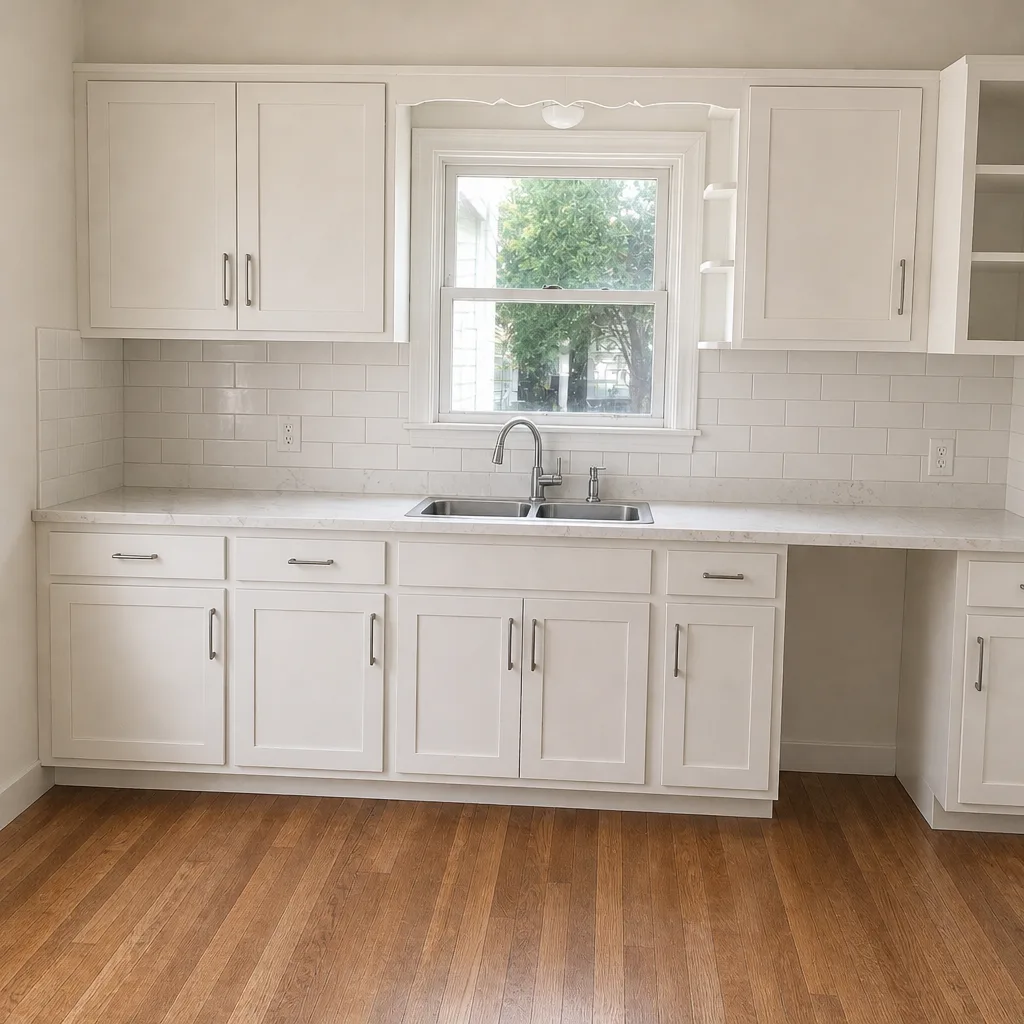
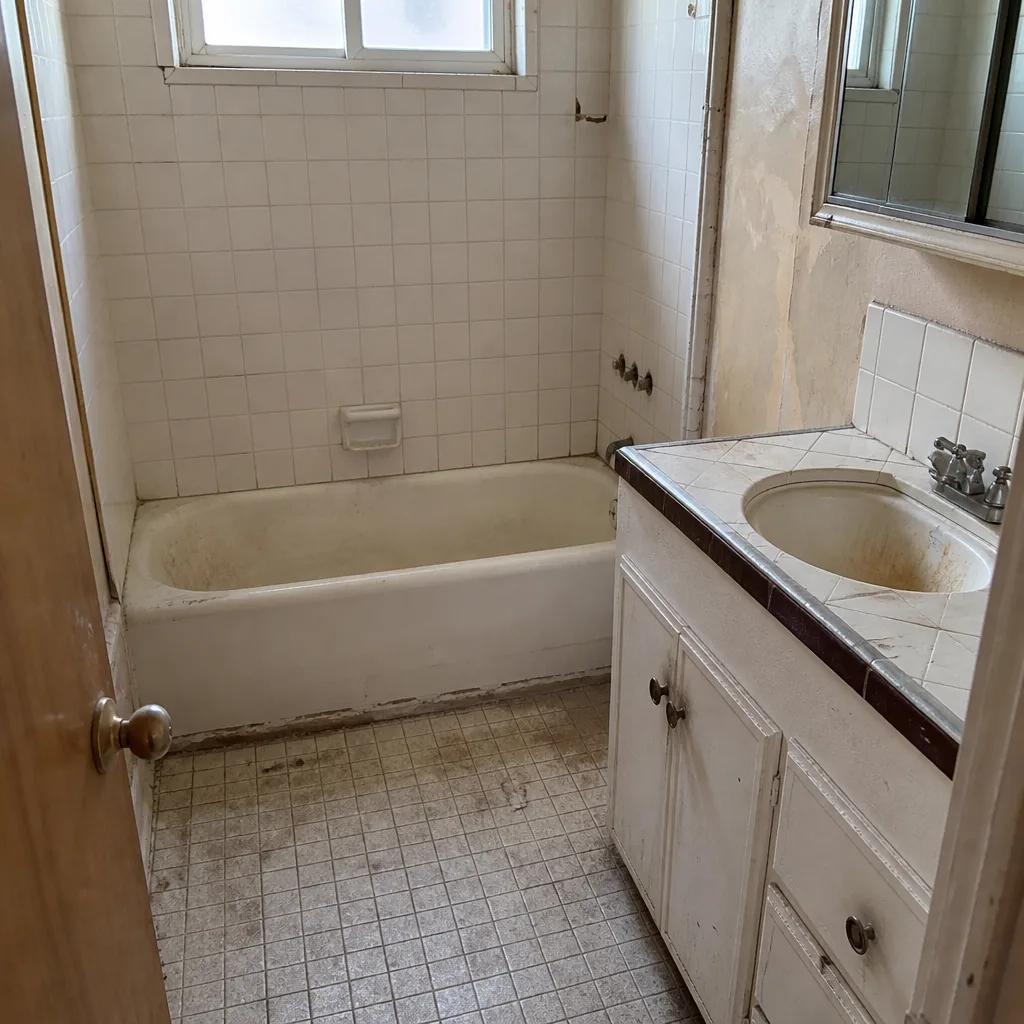
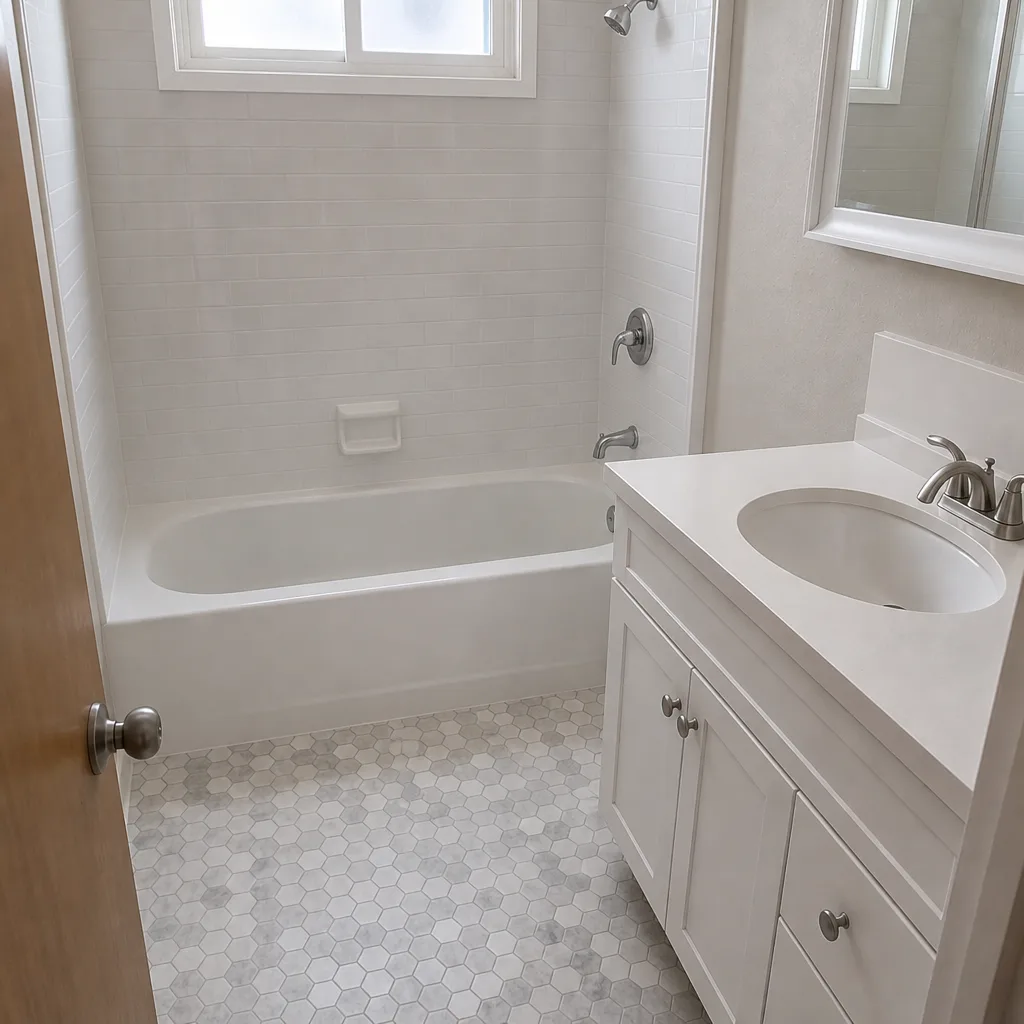
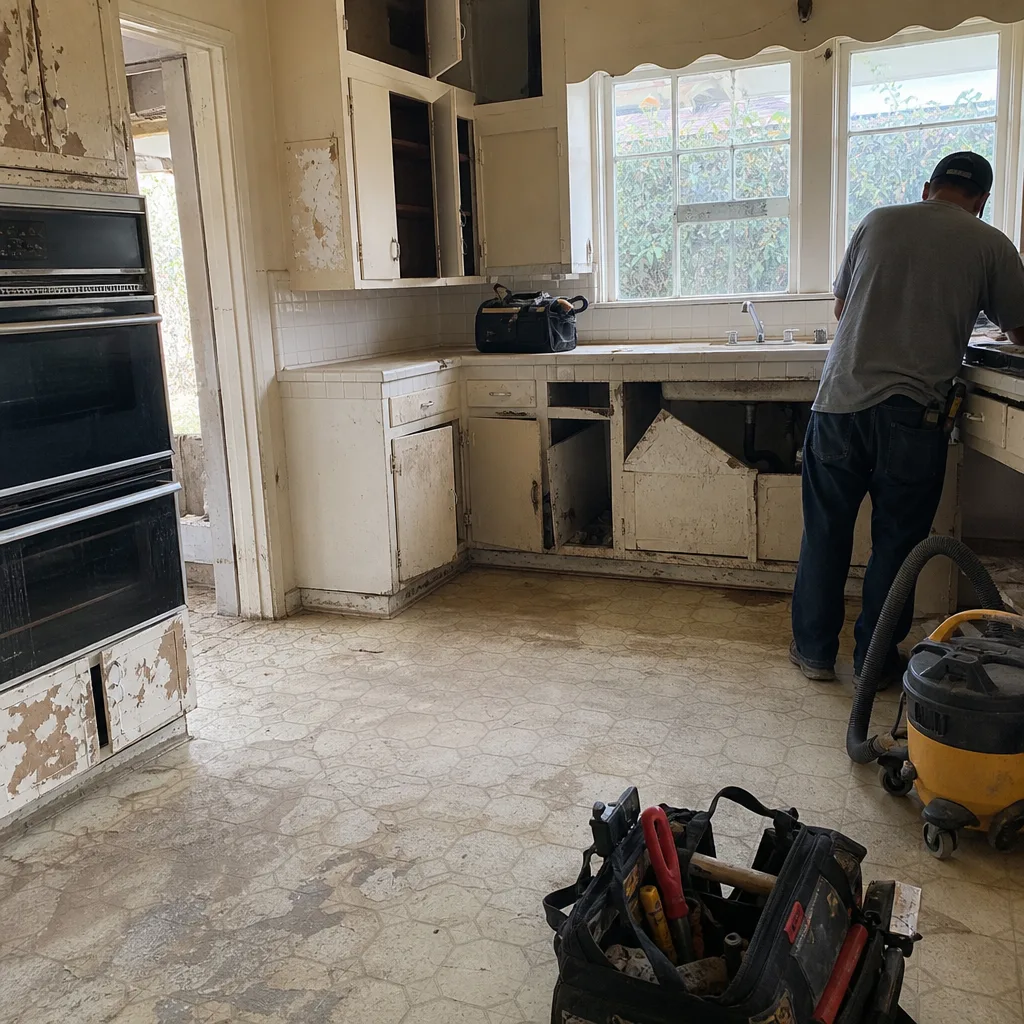
See the difference
 Before
 After
 Before
 After
 Before
 After
When to Call a Professional
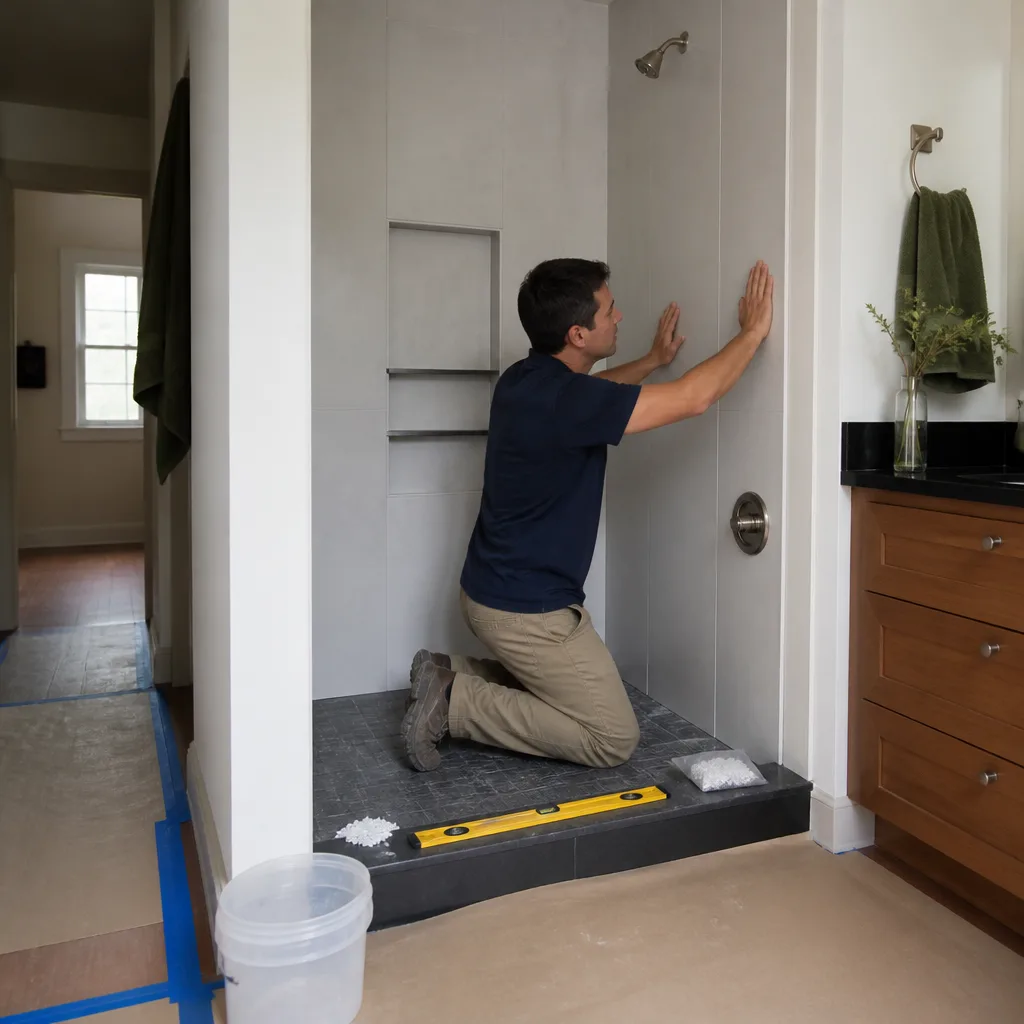
Call a licensed professional if any of these describe your project: you plan to move a drain, supply line, or toilet; you want a new shower, tub, or full shower rebuild; you’re adding or moving an electrical circuit; you’ve opened a wall and the plumbing looks older than the 1980s; or the words “waterproofing” or “curing time” are unfamiliar to you. Any one of those puts the project into a scope where a mistake becomes a structural problem, and the money you saved on DIY gets spent correcting it twice over.
We’re a licensed remodeling contractor, and the projects we get called to fix are almost always the ones a homeowner started as a weekend project and stopped when the shower pan didn’t hold water. The honest math is that we’re cheaper before the failure than after. Bradford Remodeling Co Pasadena offers free estimates in Pasadena – call (888) 841-5410 to schedule yours. You’ll get a written price before any work starts, and every project carries the 365-Day Done Right Promise: if the work fails within a full year of completion, we come back and correct it at no charge.
Frequently Asked Questions
Yes, if you’re doing the work yourself on your primary residence under California’s owner-builder exemption. You can pull the permit, perform the work, and pass the inspection as the responsible party. What you can’t legally do is hire anyone else to do the permitted work under your permit – licensed trades have to work under their own license. Call (888) 841-5410 if you want to talk through which parts of your project need a licensed pro.
Painting, regrouting, recaulking, vanity hardware, accessory fixtures, mirror installation, and swapping fixtures on existing supply lines. The rough-in phase – plumbing relocation, drain work, electrical circuits, and shower waterproofing – is where the risk concentrates. If the word “membrane” doesn’t mean anything to you, the shower isn’t a DIY scope.
Yes, almost always. California’s Transfer Disclosure Statement requires you to disclose alterations made without permits, and buyer inspectors flag them routinely – especially on Pasadena’s pre-1960 homes where the permit history is often decades old. Unpermitted work typically costs the buyer either a discount equal to the remodel price or a request that the seller pay to open walls and permit retroactively.
Shower waterproofing, by a wide margin. Pasadena’s dry climate hides small leaks for far longer than a wetter climate would, so a shower pan that wasn’t waterproofed correctly can leak for a year or two with no visible sign until the subfloor rots. The second most common is a shower pan without the correct pre-slope – water pools, seeps at the curb, and damages the framing.
Hire a licensed professional for the rough-in scope – plumbing, electrical, shower waterproofing – and DIY the finish scope you’re confident in: paint, tile on non-wet walls, vanity install, accessories, and trim. Get the rough-in inspection signed off before the walls close, and keep photos of the rough-in with a date stamp. The hybrid model saves money on the finish scope without taking on the risk where a mistake becomes structural.
A full professional bathroom remodel in Pasadena typically runs high-five-figures for the labor and materials on a modest hall bath, against a DIY scope that saves roughly 40 to 60% of the labor cost on the finish work you can do yourself. The math changes fast once you factor in permit fees, the risk of an inspection failure, and the cost of fixing a moisture problem a year later. A hybrid scope is usually the best financial outcome for a homeowner who’s comfortable with the finish work.
The Bottom Line
The DIY-versus-professional question in bathroom remodeling isn’t about skill. It’s about where the risk concentrates. In Pasadena, you can legally do your own finish work – paint, tile on dry walls, vanity install, fixtures, hardware – and those are genuinely reasonable weekend projects. You cannot safely or legally skip the licensed trade work on the rough-in phase: plumbing relocation, drain work, electrical, shower waterproofing. Those are the tasks where the failure is invisible for a year, the damage is structural, and the resale disclosure catches up with you. Draw the line at the rough-in, hire that scope to a licensed pro with a permit, DIY the finish scope you’re confident in, and keep your documentation. If you want a written price on the licensed portion of your project, call (888) 841-5410 – estimates are free, the price comes in writing before any work starts, and every project carries the 365-Day Done Right Promise.
Written by the team at Bradford Remodeling Co Pasadena.