Last updated November 18, 2026







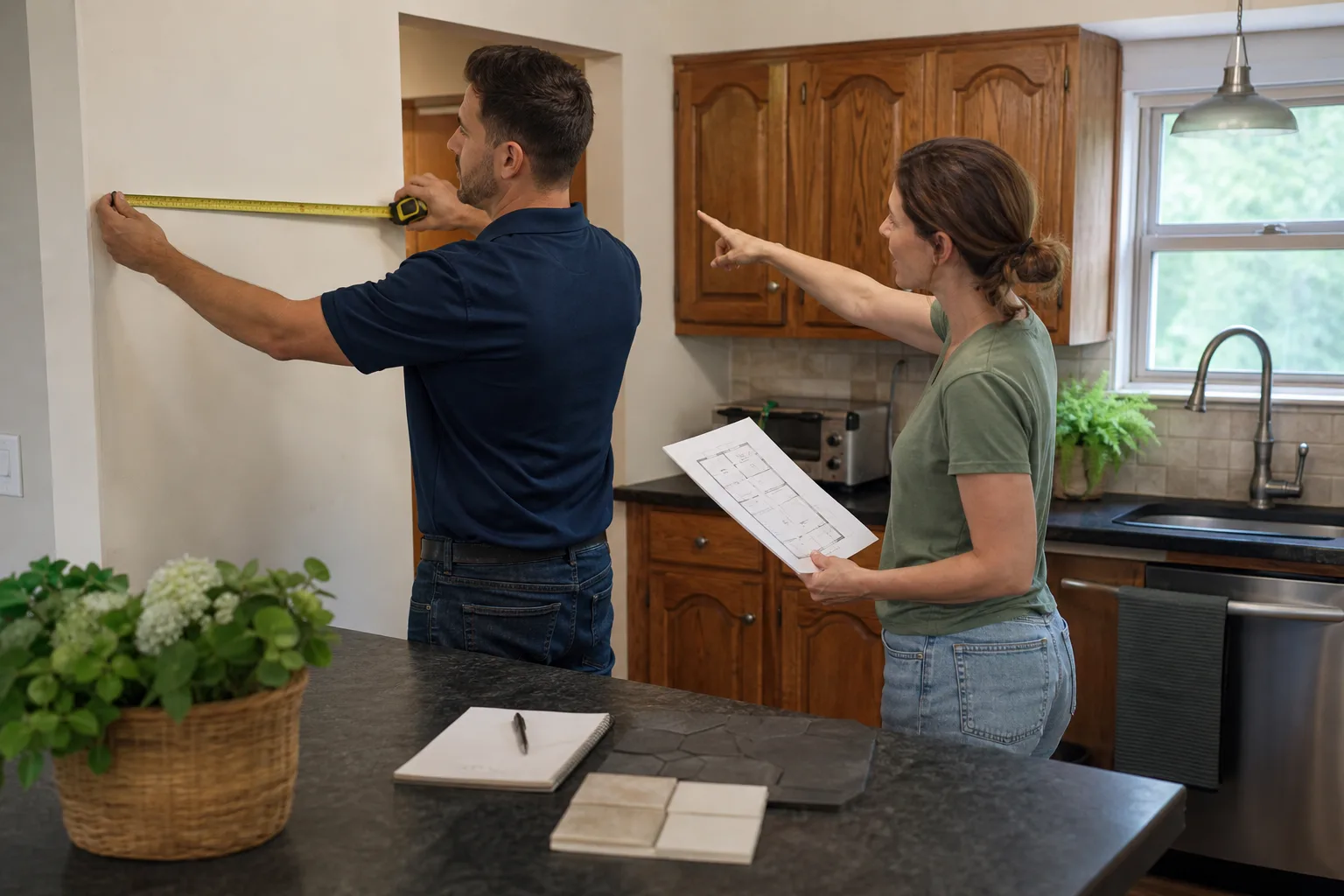
Free written scope consultation - allowances, timeline, and change-order rules on paper before a single trade is scheduled
Choosing the Right Construction Brand: A Buyer’s Guide for Pasadena
A five-star review can’t tell you whether a contractor’s guarantee is verbal or written, whether the price is fixed or estimated, or whether the person who sold you the job is the person who shows up on day one. Those questions have yes/no answers, and they belong in the contract, not the review feed. Pasadena homeowners face a particular squeeze: older housing stock near Bungalow Heaven and Washington Square means hidden conditions, while hillside properties above the Rose Bowl bring retaining wall and drainage questions that flatland builders rarely handle. This guide shows you how to read the paper trail, ask the questions that separate a disciplined contractor from a confident talker, and choose a crew you can actually hold to account.
Quick Answer
Choose a remodeling company in Pasadena by what it puts in writing before work starts: a fixed price, a written scope, a defined payment schedule, a lien waiver policy, and a guarantee document with real terms. Photography and review counts are marketing. The contract is the accountability. If a company can’t or won’t show you all five provisions in writing, the brand doesn’t matter.
Styles & brands we work with
- Kitchen remodeling
- Bathroom remodeling
- Home additions & ADU
- Roofing
- Windows & doors
- Driveway & pavers
- Fence
Table of Contents
- The Five Contract Provisions That Separate Accountable Contractors
- How to Read a Contractor’s Guarantee Document
- Why Local Trade References Beat Online Reviews
- What CSLB Complaint History Actually Tells You
- Does the Sales Process Match the Stated Values?
- Pasadena-Specific Conditions That Test a Contractor
- Questions to Ask Before You Sign
- What The Garrison Standard Looks Like in Practice
The Five Contract Provisions That Separate Accountable Contractors
A remodeling contract is not a formality you sign after the handshake. It’s the document that decides who pays when something goes sideways. In our experience reviewing change orders and disputes across Pasadena jobs, five provisions do the heavy lifting. If any one is missing or vague, the contract has a hole in it.
- Fixed price. A fixed price means the number in the contract doesn’t move unless you approve a written change order. An “estimate” or “budget range” is not a fixed price. It’s a starting point the contractor can revise after demolition reveals what’s behind the plaster in a 1920s Craftsman.
- Written scope. The scope must name materials, brands, and specifications, not just categories. “Premium cabinets” means nothing. “KraftMaid cabinetry, Deerfield door style, painted finish” is a scope. Vague scope is where surprise invoices come from.
- Payment schedule. California law limits how much a contractor can collect upfront on most home improvement contracts. A schedule tied to completed milestones, not to calendar dates, keeps the financial risk where it belongs: on the contractor’s delivery, not your deposit.
- Lien waiver policy. Subcontractors and suppliers can file a mechanics lien against your property if they aren’t paid. Your contract should state how the contractor collects and provides lien releases from every sub and supplier as work progresses. Ask specifically how they handle it.
- Written guarantee terms. A guarantee is only as good as its specification. It must name what’s covered, for how long, what’s excluded, and how you file a claim. More on this below.
When a contractor provides all five in writing before a single tool comes out, you have something to hold them to. When they don’t, you have their word. Those are different products.
How to Read a Contractor’s Guarantee Document
The phrase “workmanship warranty” appears on nearly every contractor website. It’s also one of the least specified promises in the trades. A workmanship warranty is enforceable when it names what’s covered, for how long, what voids it, and the process for getting a fix. If it doesn’t define those four things, it’s a marketing line, not a guarantee.
What an enforceable guarantee specifies
- Duration in months or years. “Lifetime” is not a duration. A one-year guarantee with a start date is.
- Covered items. Tile lifting, cabinet doors that don’t true, caulk lines that fail at the tub surround – these are workmanship failures. Name them.
- Exclusions. Material defects handled by the manufacturer (a failed Kohler valve, a GAF shingle defect) are usually covered by that manufacturer’s warranty, not the contractor’s. A clean guarantee distinguishes the two.
- Claim process. Who do you call, and what’s the response commitment? A written guarantee should answer that in one sentence.
What makes a guarantee meaningless
Guarantees that read “satisfaction guaranteed” with no term, no coverage list, and no claim process protect no one. Neither do guarantees that shoehorn the fix into “normal wear and tear,” which is broad enough to exclude almost any failure. Look for language that distinguishes a workmanship defect from wear and identifies who returns and corrects it.
The 365-Day Done Right Promise is a full year of written guarantee on every completed project. If the work fails inside that window, we come back and correct it at no charge. The term is a year, the coverage is the workmanship, and the claim process is a phone call answered by a live person. Those are the three things to check on any guarantee document you’re handed, whether it’s ours or another contractor’s.
Why Local Trade References Beat Online Reviews
Homeowner reviews tell you how a project went from the customer’s chair. Subcontractor and supplier references tell you how the contractor operates behind the wall – whether invoices get paid on time, whether change orders get issued cleanly, whether the schedule holds. Those are better predictors of your project than any star rating.
In Pasadena, that means asking for references from the trade businesses a contractor actually works with. City permitting around the Rose Bowl and along the Linda Vista corridors involves structural review that separates careful builders from ones who cut corners on engineering. A tile setter who’s worked with a contractor through a dozen Linda Vista bathrooms can tell you whether the schedule was realistic and whether the backfill got paid. Suppliers who extended credit can tell you whether invoices cleared. Those references don’t appear on Google.
Ask three questions of any trade reference:
- How long have you worked with this contractor, and on how many jobs?
- Do they issue written change orders and pay invoices on schedule?
- Would you take their next job?
A useful comparison point: contractors who’ve standardized their material roster with documented brands – KraftMaid and Wellborn cabinetry, Cambria and Caesarstone surfaces, GAF roofing, James Hardie siding, Therma-Tru doors – create traceable specifications that suppliers can stand behind. That traceability often shows up in how trade partners talk about them. A contractor installing modular or prefab products like Abodu units or Cover ADUs alongside traditional construction is also a signal about how they coordinate with factory schedules and specialty subs.
What CSLB Complaint History Actually Tells You
The Contractors State License Board maintains public records on every licensed contractor in California, including complaint history and disciplinary actions. Most homeowners never check. The ones who do get useful signal – as long as they read the record correctly.
The difference between a dismissed complaint and a formal action
A dismissed complaint is one CSLB reviewed and closed without finding a violation. It could mean the complaint lacked merit, the parties settled, or the evidence didn’t support action. It’s not a red flag on its own, especially on high-volume contractors where a percentage of jobs will generate friction.
A formal disciplinary action is different. It means CSLB found a violation and imposed a consequence – citation, suspension, probation, or revocation. That record is public, dated, and specific. Multiple formal actions over multiple years are a pattern. A single citation years back that was resolved is a footnote. Read both, weigh both.
How to check
- Look up the license number on the CSLB website (cslb.ca.gov).
- Confirm the license is active and in the correct classification for the work you’re hiring.
- Review the complaint disclosure page for any formal actions in the last ten years.
- Ask the contractor directly about anything you find. How they answer tells you as much as the record.
A disciplined contractor expects this question and answers it without hesitation. A contractor who gets defensive about a public database is telling you something.
Does the Sales Process Match the Stated Values?
Every remodeling brand claims discipline, transparency, and respect for the homeowner. The sales process reveals whether those are operational commitments or positioning. The test is simple: does the process itself put the price and the scope in writing before the pressure starts?
Signals that a sales process is selling trust rather than delivering it:
- A price that “depends on what we find” right up to signing day, with no range and no cap.
- A discount that expires if you don’t sign tonight. Disciplined operations don’t need urgency to close.
- A salesperson who can’t answer what’s in the guarantee document or won’t put it in the proposal.
- The name of the person who runs the job is different from the person who sold it, and no one tells you who’s actually onsite.
Signals that the process matches the promise:
- A written, itemized price before any work starts, with the scope attached to it.
- A guarantee document handed to you with the proposal, not after the project.
- Names and credentials of the crew who will be on the job – not just the salesperson’s.
- Background-checked, uniformed technicians on every job, so you know who’s walking through your door before they arrive.
The reason this matters in Pasadena is straightforward. A typical kitchen remodel in this housing stock – think a 1938 Colonial in San Marino or a mid-century ranch in Hastings Ranch – involves moving electrical, plumbing, and often a load-bearing wall. The number of places a price can quietly grow is high. A contractor who gives you a fixed written price before demolition is taking the pricing risk off your side of the table. A contractor who won’t is asking you to take it for them.
Live-person phone coverage is part of this. If you call during the sales process and reach voicemail, you already know what the follow-through will look like. A real person answering 24/7 is a small operational fact with a large signal value.
Pasadena-Specific Conditions That Test a Contractor
Pasadena has specific conditions that expose the difference between a contractor who knows the local terrain and one who doesn’t. These show up in the proposal, or they don’t.
Historic districts and design review
Properties in Pasadena’s landmark and historic districts face design review and specific exterior requirements. A contractor who can’t explain what submittal process your property is subject to is guessing at your timeline. Quiz them on it before signing.
Hillside and drainage
Homes in the hills above the Rose Bowl deal with slope drainage, retaining walls, and foundation moisture that flatland construction rarely touches. Kitchen and bathroom remodels higher up frequently uncover drainage issues that require engineering review. A proposal that doesn’t flag the possibility of drainage work on a hillside property is either very confident or very new.
Older housing stock
Bungalow Heaven and Washington Square homes often have knob-and-tube wiring, cast iron drain lines, and lath-and-plaster walls that change the electrical and plumbing scope once opened. A good contractor states in writing how these conditions get priced if discovered. A vague contractor says “we’ll see.” The difference in a Bungalow Heaven kitchen is sometimes thousands of dollars.
Heat and materials
Pasadena’s summer heat and dry cycles affect exterior materials – siding, decking, hardscape, and stucco. A contractor specifying James Hardie siding for a Pasadena exterior is making a different bet than one specifying wood, and the proposal should explain which and why.
Questions to Ask Before You Sign
Bring these questions to every contractor’s proposal meeting. The answers should be specific enough that you could repeat them to another contractor verbatim. Vague answers are the warning sign.
- Is the price in this proposal fixed, or can it change? If it can change, under what written conditions?
- What’s the payment schedule, and what milestones trigger each payment?
- How do you collect and provide lien waivers from subcontractors and suppliers?
- Can I see the guarantee document now, with the coverage terms and duration in it?
- Who is the crew lead on my project, and are they background-checked?
- What brands and specifications are in the scope, exactly? Not categories – brands and model numbers where possible.
- How do you handle a discovery after demolition – a hidden drain failure, a bad joist – without repricing the whole job?
- Do you pull the permits, and which Pasadena office handles your inspections?
Contractors who answer all eight with specifics are selling you an accountable product. Those who wave at two or three and pivot to their portfolio are selling you a brand.
What The Garrison Standard Looks Like in Practice
The Garrison Standard is the operating framework that Bradford Remodeling Co Pasadena works under, and it maps directly to the five contract provisions above. Bradford is a member of the Garrison Partners family and operates as an independently owned and operated business. The standard puts the price in writing before work starts, defines the guarantee in months, uses a documented roster of premium brands so scope is traceable, and commits to background-checked, uniformed technicians on every job.
What that means for you as a Pasadena homeowner evaluating any contractor: the standard is the checklist, not the promise. Ask whether the price is fixed, whether the scope names brands, whether the guarantee is written for a year, whether you know who’s coming through the door, and whether a live person answers the phone. If the answer is no to any of them, the brand is not actually disciplined – it’s positioned as disciplined.
For the full picture of how our process runs across project types, our Bradford Remodeling Co Pasadena home page lays out the operation. Our General Contractor in Pasadena page covers structural and whole-project scope. If you’re pricing a kitchen specifically, our Kitchen Remodeling in Pasadena guide walks the cost ranges and what drives them. And if the project is a bath, our Bathroom Remodeling in Pasadena page covers the trade-offs.
Common Mistakes to Avoid
- Choosing the lowest bid without reading the scope. In Pasadena, a low bid on a 1920s home often excludes the electrical and plumbing upgrades you’ll need once walls open. Two bids that look 30% apart are often scoping different jobs.
- Accepting a verbal guarantee. If the guarantee isn’t in the contract, it doesn’t exist. Ask for the document, read the coverage term, and confirm what voids it.
- Ignoring the payment schedule. Large upfront deposits shift risk to you. Milestone-based payments tied to completed work are standard for disciplined contractors.
- Skipping the CSLB check. It takes five minutes. A license that isn’t active or isn’t in the right classification is a hard stop, regardless of how good the proposal reads.
- Not asking about lien waivers. If a subcontractor on your job doesn’t get paid by the contractor, the lien can land on your property. Ask how lien releases get handled.
- Judging a contractor by the salesperson. The person who sells the job may not be the person who builds it. Ask who runs the crew and whether they’re background-checked.
- Comparing reviews instead of guarantee documents. Reviews describe past customers’ experience. The guarantee document describes what happens if yours goes wrong. Read the second one.
See the difference
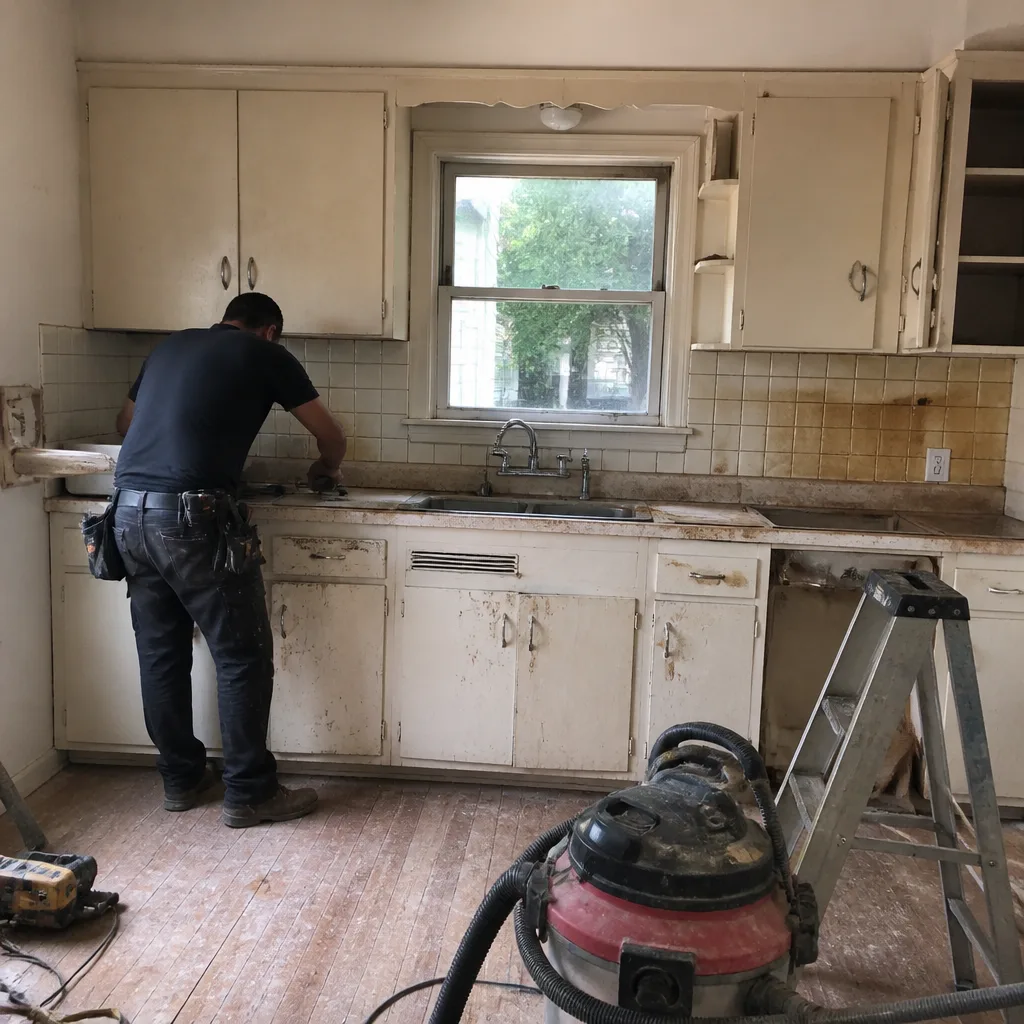 Before
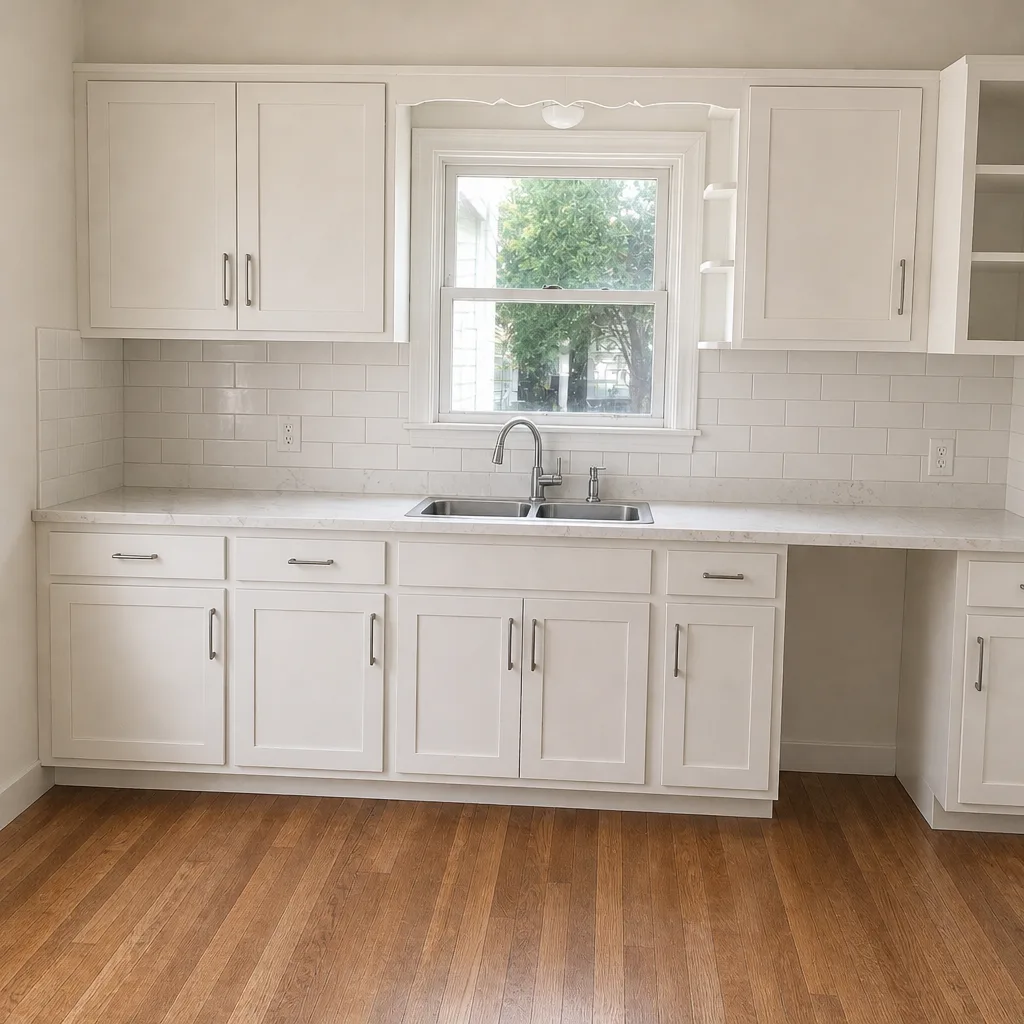 After
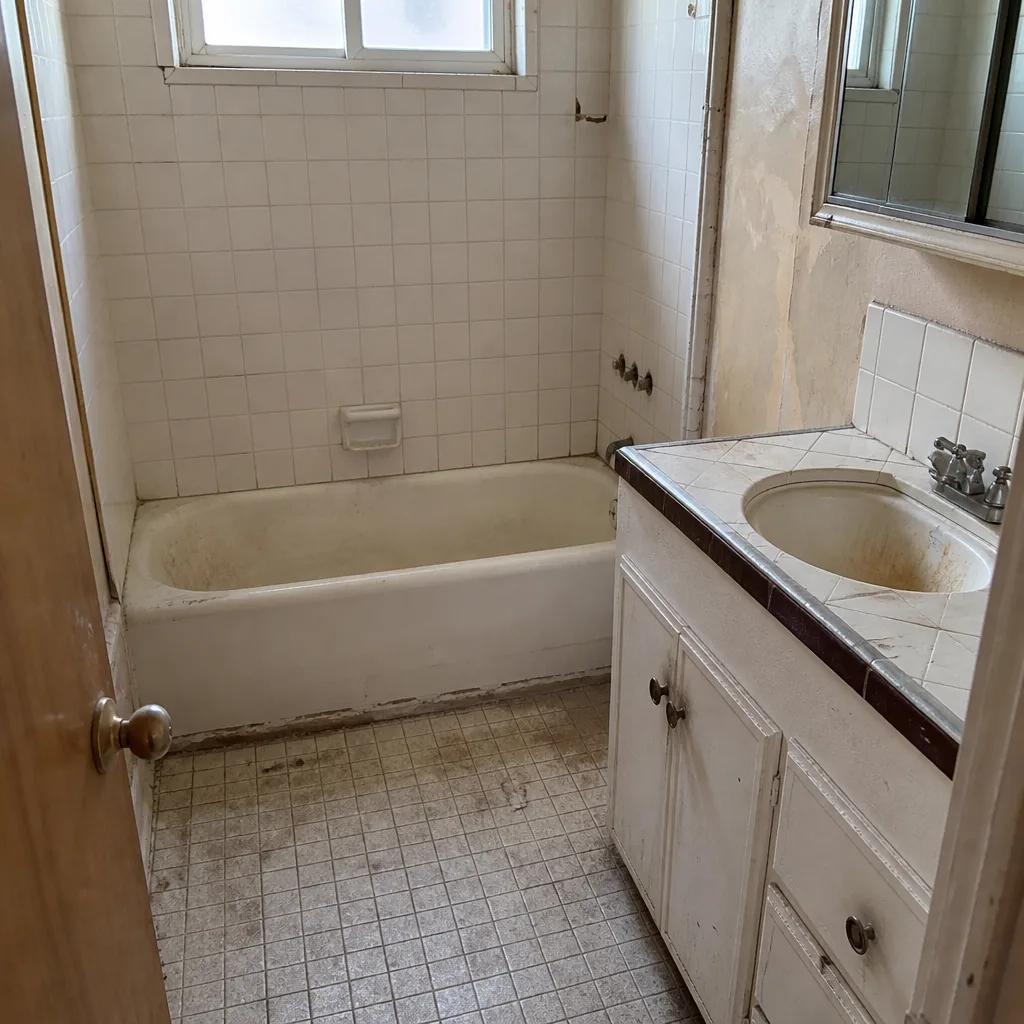 Before
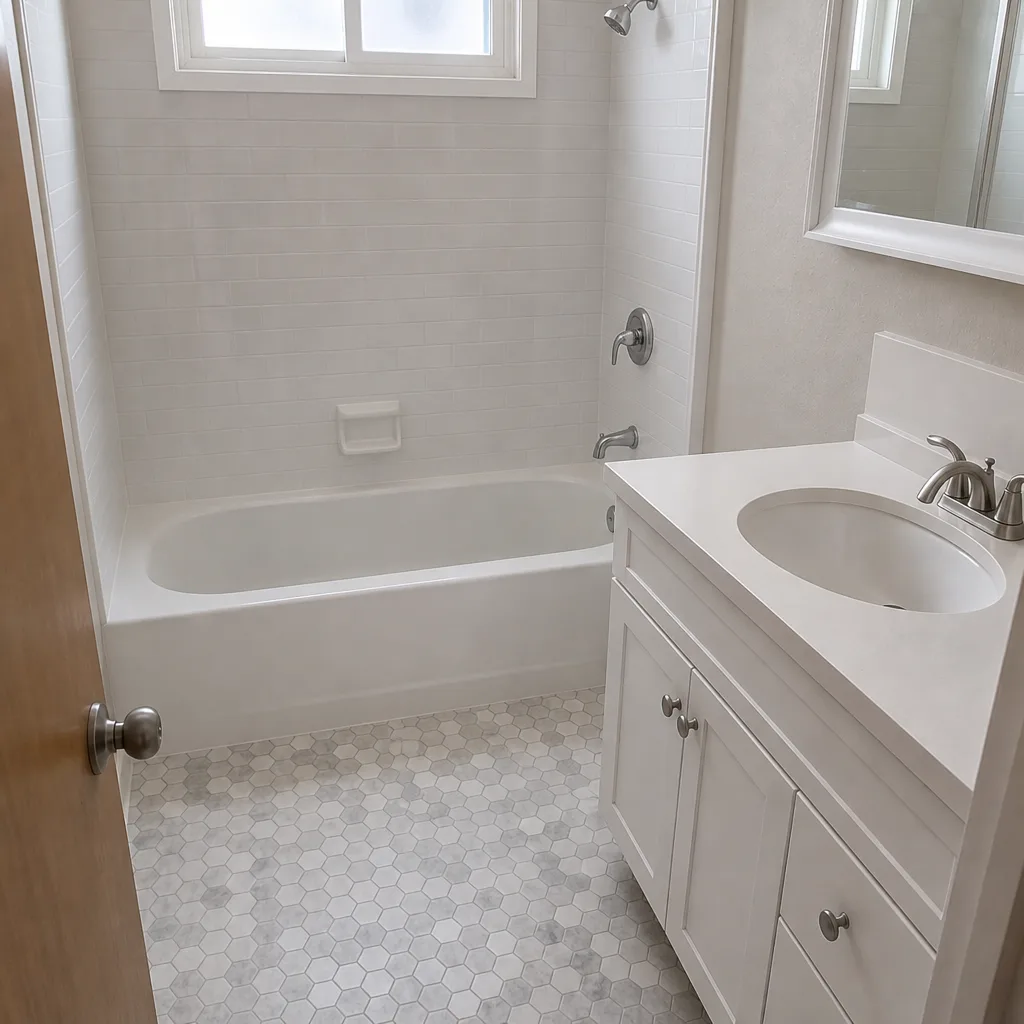 After
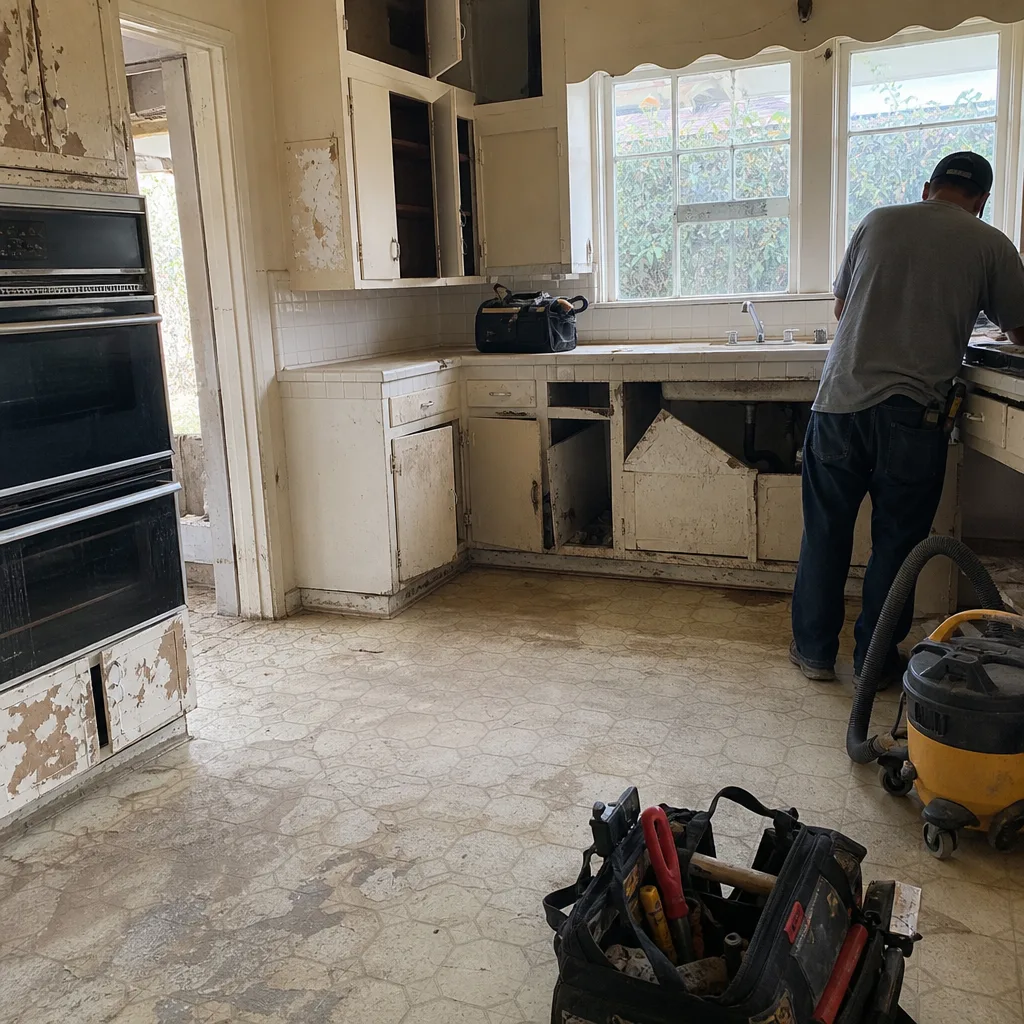 Before
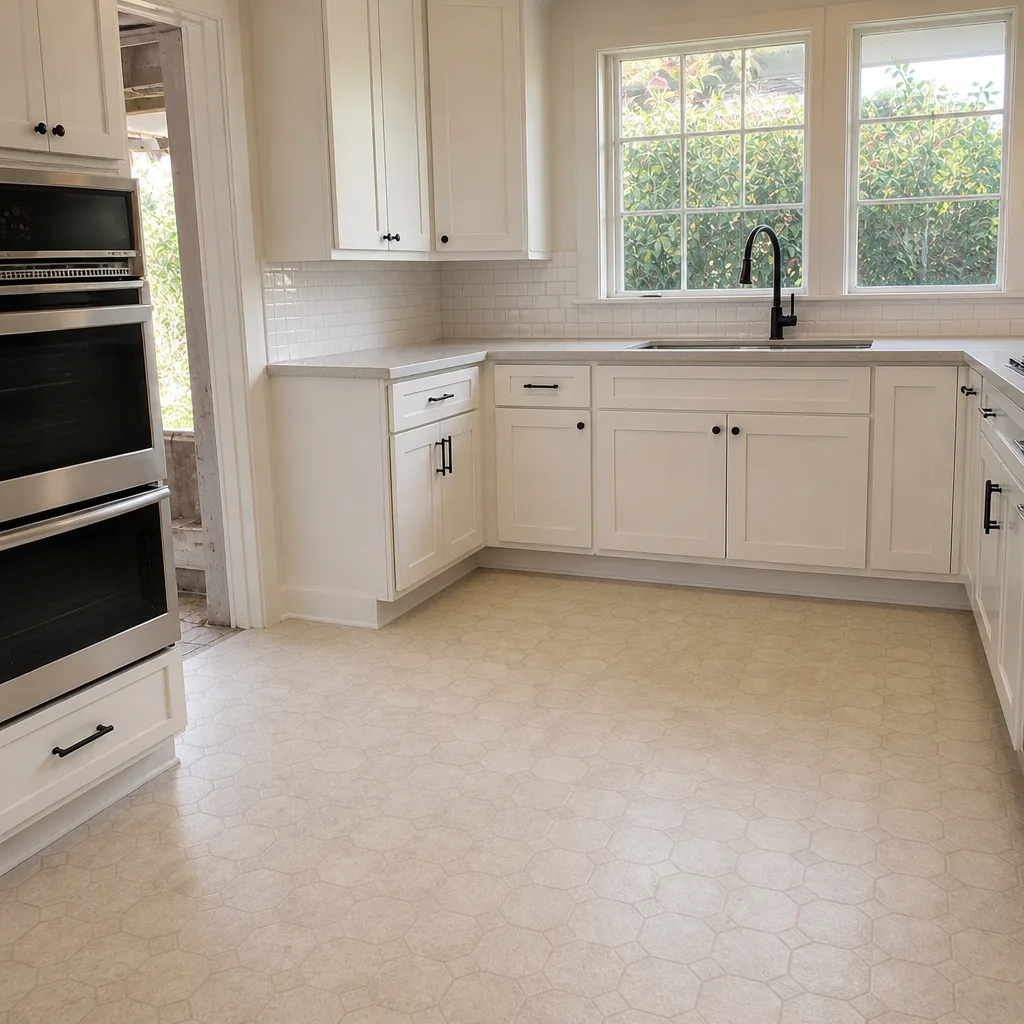 After
When to Call a Professional
Some jobs are clearly professional territory: anything touching load-bearing walls, electrical panel work, gas lines, hillside drainage, or a project in a Pasadena historic district that needs design review. Others become professional work the moment you discover what’s behind a wall – a joist that isn’t where the drawings said, cast iron drains that have failed, or a kitchen layout that needs structural change to function. If you’re pricing a project and you want a written price range instead of a vague estimate, that conversation is worth having early. Bradford Remodeling Co Pasadena offers free estimates in Pasadena – call (888) 841-5410 to schedule.
Frequently Asked Questions

Choose by what’s in writing before work starts: a fixed price, a written scope naming brands and specifications, a milestone-based payment schedule, a lien waiver policy, and a guarantee document with a defined term and claim process. Reviews and photography don’t answer those questions. The contract does. Compare contractors on those five provisions, then compare on price.
A written guarantee should specify four things: the coverage term in months or years, the specific workmanship items covered, the exclusions (usually manufacturer-covered material defects), and the process for filing a claim. A guarantee that says “satisfaction guaranteed” without those four elements has no teeth. Ask for the actual document before you sign, not after.
Yes. Permitted work in Pasadena runs through the city’s building department, and the contractor of record pulls the permit and manages inspections. Ask any contractor you’re evaluating which permits your project requires and who files them. If the answer is vague, that’s the warning sign.
Timelines vary with the scope. A cosmetic refresh with new cabinets and countertops runs shorter than a full remodel that moves plumbing and electrical. Older Pasadena housing stock and historic district review can extend the schedule. Ask for a written timeline in the proposal, with milestones and payment triggers attached to it, not just a total number of weeks.
The Garrison Standard commits to a written price before work starts, background-checked and uniformed technicians on every job, a written 365-Day Done Right Promise covering workmanship for a full year after project completion, and a documented roster of premium brands – KraftMaid, Wellborn, Cambria, Kohler, GAF, James Hardie, Therma-Tru among them – so specifications are traceable. Those commitments are in the paperwork, not just the marketing.
It depends on what kind. A dismissed complaint usually means CSLB reviewed and closed the case without finding a violation. A formal disciplinary action means CSLB found one and imposed a consequence. Look at the date, the number, and the pattern. A single resolved citation years ago is different from recurring actions. Ask the contractor about anything you find; how they answer is part of the evaluation.
The Bottom Line
Choosing a remodeling company in Pasadena is a contract decision, not a brand decision. Five provisions carry the weight: fixed price, written scope, milestone payment schedule, lien waiver policy, and a written guarantee with real terms. Trade references from Pasadena subcontractors and suppliers predict performance better than homeowner reviews. CSLB records are worth five minutes. And the sales process tells you whether a contractor is selling trust or delivering it. Bring the eight questions above to every proposal meeting. If the contractor answers them in writing before you sign, you’ve found one worth hiring.
Contact

If you’re pricing a project and you’d rather have a written number than a conversation, call Bradford Remodeling Co Pasadena at (888) 841-5410 for a free estimate. We’ll walk the site, scope the work, name the brands, and hand you a written price and a written guarantee before any work starts. Our technicians have up to 22 years of experience. A live person answers the phone 24/7 – no voicemail, no callback queue.
Written by the team at Bradford Remodeling Co Pasadena.