Last updated November 18, 2026
Free written scope consultation - allowances, timeline, and change-order rules on paper before a single trade is scheduled
Construction Warning Signs: A Pasadena Homeowner’s Reference Guide
The number one complaint filed with the Contractors State License Board isn’t shoddy work. It’s abandonment – a contractor who takes a deposit and disappears. In our experience, that contractor almost always showed at least two of the same pre-contract red flags before the first check cleared. They just looked like small things at the time: a vague scope line, a bid that came in suspiciously low, a cell phone instead of a business address. This guide names those patterns plainly so you can spot them in Pasadena’s market and walk away before the deposit leaves your hand.
Quick Answer
The warning signs that predict a bad contractor outcome are visible before you sign: vague contract language like “materials as needed,” no verifiable CSLB license, no physical business address, no certificate of workers’ comp insurance, and pressure to sign or pay a large deposit up front. In Pasadena, where older housing stock and seismic code add cost to almost every job, a bid that undercuts the field by 30 percent isn’t a bargain – it’s a math problem that usually ends in change orders or abandonment.
Styles & brands we work with
- Kitchen remodeling
- Bathroom remodeling
- Home additions & ADU
- Roofing
- Windows & doors
- Driveway & pavers
- Fence
Table of Contents
- The Pre-Contract Red Flags You Can Spot in Ten Minutes
- Contract Language That Enables Change Order Abuse
- Why an Unusually Low Bid in Pasadena Is a Data Point, Not a Deal
- The Three Documents Every Legitimate Contractor Can Produce on Request
- Pressure Tactics That Signal Cash Flow Problems
- What a Written Guarantee Covers vs. “Satisfaction Guaranteed”
- Pasadena-Specific Warning Signs
- How to Verify a Contractor Before You Sign: Step by Step
The Pre-Contract Red Flags You Can Spot in Ten Minutes
Most of the vetting work happens before a contractor ever sets foot in your house. These are the patterns we’ve watched homeowners describe in retrospect, every one of them visible on the first call or at the first site visit.
- No verifiable CSLB license number on the bid or business card. California requires a licensed contractor for any project over $500 in labor and materials. The license number should be printed, not offered only when asked.
- No physical business address. A P.O. box or a phone number alone means there’s no office to serve legal papers to if something goes wrong. That’s your problem, not theirs.
- No certificate of workers’ compensation insurance. If an uninsured worker is hurt on your property, your homeowner’s policy may end up on the hook. The certificate should come from the insurer, not a photocopy the contractor typed up.
- A bid that’s a single number with no line items. Without a breakdown of labor, materials, permits, and cleanup, you have no way to compare bids or catch change order padding later.
- Reluctance to put the start and completion dates in writing. A schedule that lives only in conversation is a schedule that doesn’t exist.
- Asking for a deposit over 10 percent before any work starts. California caps home improvement deposits at 10 percent or $1,000, whichever is less. A contractor who ignores that cap has already told you how the rest of the project will go.
None of these alone is fatal. Two or three together is a pattern, and the pattern is the point. A contractor who is squared away will hand you the license number, the insurance certificate, and a line-item bid without being prompted.
Contract Language That Enables Change Order Abuse
Scope disputes almost never start at the end of a job. They start on page two of a contract nobody read closely, where three phrases quietly hand the contractor the right to bill for anything and obligate you to pay. If you see any of these in a proposed contract, ask for them to be removed or defined before you sign.
- “Materials as needed.” This means the contractor decides how much material to buy and bills you for it, with no quantity fixed at signing. Ask for a materials schedule with quantities and brands named.
- “Work per conversation” or “as discussed.” Anything not in the written contract is effectively undefined. Verbal scope is how a homeowner ends up paying for a “small addition” that turned into a full window replacement.
- “Final cost TBD” or “estimate only.” Estimates are fine, but the contract you sign should fix a price for the defined scope. Open-ended language means every surprise becomes your invoice.
- Unilateral change order language. If the contractor can authorize changes without your written signature, the price can move without your consent.
- No named brands. “Builder-grade fixtures” or “premium cabinetry” with no manufacturer means the contractor can install the cheapest code-compliant option and call it done.
The fix is simple. A fair contract names the brands, sets quantities, fixes the price for the defined scope, and requires your signature on any change before the work happens. When you’re comparing bids from a general contractor in Pasadena, look at the contract terms as carefully as the number.
Why an Unusually Low Bid in Pasadena Is a Data Point, Not a Deal
A bid that undercuts the field by 30 percent isn’t a discount – it’s a math problem. Because every job is a sum of costs, a bid far below the others means one of four things: the scope is smaller than you think, the contractor is cutting corners you’ll discover later, they’re planning on change orders to close the gap, or they’ve underpriced the job and won’t finish it.
Here’s how to test whether a number is physically possible. Add up the known costs for your project in Pasadena right now:
- Materials at retail or near it. A fair contractor gets a trade discount, but not a 50 percent one. GAF and CertainTeed shingles, James Hardie siding, KraftMaid or Wellborn cabinetry – these have published prices you can sanity-check.
- Permit fees. Pasadena permit costs for a kitchen or bath remodel typically run several hundred to a few thousand dollars depending on scope and structural work. They don’t disappear.
- Labor at a real wage. A crew of three for two weeks is a fixed cost no contractor can negotiate away.
- Overhead and profit. A licensed, insured, background-checked crew has to cover insurance, vehicle, tool, and office costs before the job is profitable.
If a bid comes in below the bare materials-plus-labor number, it’s not a bargain. It’s the setup for change orders or, worse, abandonment. In Pasadena’s market especially, seismic retrofit requirements and older 1920s-era housing stock add real cost to almost every job – a contractor whose bid ignores that is either guessing or planning to bill for it later.
The Three Documents Every Legitimate Contractor Can Produce on Request
A contractor who is genuinely squared away will produce these without hesitation, often before you ask. Reluctance on any one of them is a warning sign.
- CSLB-verified license. You can check any contractor’s license status, bond, and complaint history at cslb.ca.gov. The license number should be printed on the bid, the contract, and the business card.
- Certificate of workers’ compensation insurance, or a valid exemption. The certificate should come from the insurer, naming your project if the contractor is doing it under their policy. If they have no employees, they may file an exemption – but they still need to prove it.
- Certificate of general liability insurance. This is separate from workers’ comp. It covers damage to your property or a neighbor’s if something goes wrong during the job.
If a contractor can’t produce all three – verified license, workers’ comp, and liability – walk away. Each gap exposes you to a specific legal risk: an unlicensed contractor can’t collect on a mechanic’s lien (but an injured worker can still sue you), an uninsured crew means your homeowner policy absorbs an injury, and no liability insurance means a broken window or a flooded basement is your repair. None of these are hypothetical. We’ve watched homeowners in Pasadena discover each one the hard way.
Pressure Tactics That Signal Cash Flow Problems
Urgency from a contractor is a signal about their business, not your project. A crew that has work lined up doesn’t need to close you today. A crew that’s calling you three times in 24 hours is telling you they need the deposit to cover payroll on the last job.
Watch for these patterns:
- “We can start Monday if you sign today.” A legitimate contractor schedules weeks out. If they can start tomorrow, ask why their calendar is empty.
- “The price is only good until Friday.” Prices do move with material costs, but a number that expires in 48 hours is a sales tactic, not a supply chain reality.
- A large deposit requested immediately. California caps deposits at 10 percent or $1,000, whichever is less. A contractor asking for 30 percent up front is asking you to fund the previous job.
- Cash-only pay requests or checks made out to an individual. Payments should go to the licensed business name on the contract. Cash, in particular, leaves no paper trail for a dispute.
- A salesperson doing the site visit instead of the person who will run the job. If the person selling you the project isn’t the person managing the crew, ask who runs the job and whether you can meet them before signing.
When cash flow is strained, the consequences land on your house. A crew that can’t pay its subs gets walked off mid-project, and the house sits with a half-finished rough-in while you chase a phone number that no longer answers. Live-person phone coverage and a written price before work starts don’t sound like much, but they’re the two details that separate a business that’s solvent from one that isn’t.
What a Written Guarantee Covers vs. “Satisfaction Guaranteed”
“Satisfaction guaranteed” is the most common phrase in construction contracts and the least meaningful. Satisfaction is never defined in the contract, so the guarantee has no teeth in a dispute. A legitimate written guarantee names what it covers, how long it lasts, and what the remedy is if the work fails.
Here is what a real guarantee reads like: “If the work fails within one year of completion, we will return and correct it at no charge.” That sentence tells you the term, the trigger, the remedy, and the cost to you. That’s the shape of the 365-Day Done Right Promise we put on every Bradford Remodeling Co Pasadena project – if the work doesn’t hold within a year, we come back and fix it at no charge. It’s written, it’s in your hand at close, and it doesn’t depend on what “satisfaction” meant to a salesperson.
When you review a guarantee, ask three questions:
- What’s covered? Labor only, or labor and materials? A guarantee that covers labor but not the failed product leaves you paying for replacements.
- What’s the term? One year, two, or five. The number should be written, not implied.
- What’s the remedy? Repair, replacement, or refund. And who decides?
If the contract says “satisfaction guaranteed” with none of these answered, you don’t have a guarantee. You have a phrase.
Pasadena-Specific Warning Signs
Pasadena’s housing stock and climate create a specific set of red flags that every local homeowner should know. In the historic districts – Bungalow Heaven, Madison Heights, the Craftsman-era blocks around Orange Grove and Marengo – exterior work meets design review requirements that catch out-of-town contractors flat-footed.
- A bid that doesn’t mention seismic retrofit. Much of Pasadena’s housing predates modern seismic code, and a contractor who hasn’t priced for anchor bolting and cripple wall bracing on an older home is going to find the cost later. If you’re remodeling a kitchen in a 1920s bungalow, foundation work is a real line item.
- No experience with historic district design review. Exterior changes in Pasadena’s historic districts can require design commission approval. A contractor who hasn’t pulled that kind of permit isn’t going to get you through it without delays.
- Proposals that ignore termite and dry rot in older wood-frame homes. Pasadena’s ficus and oak canopy keeps moisture around foundations and subfloors. A kitchen or bath remodel that opens the wall without a contingency for dry rot is a scope dispute waiting to happen.
- No mention of the Title 24 energy code. California’s energy code applies to most permitted remodels. A bid that doesn’t reflect it is going to grow.
When you’re hiring for a kitchen remodeling in Pasadena or a bathroom remodeling in Pasadena, ask specifically what the contractor’s last three projects in the area looked like and how they handled Pasadena’s permitting. A contractor who can’t name the process has never run it.
How to Verify a Contractor Before You Sign: Step by Step
This is the ten-minute check that saves five-figure regret. Run it on every contractor you’re seriously considering.
- Look up the license number on cslb.ca.gov. Confirm active status, the correct business name, and check the complaint history. Note whether the license is in the business name or an individual’s – both are legal, but the contract should match.
- Request the workers’ comp and liability certificates. Ask for them by email from the insurer, not a printed copy. If they push back, that’s your answer.
- Ask for a written, line-item bid. Labor, materials with named brands, permits, cleanup, and a contingency for the surprises an older house always has. A bid without brand names is not a bid you can compare.
- Read the change order language. Any change should require your written signature before the work happens, with a fixed price for the change. If changes can be authorized verbally, don’t sign.
- Review the guarantee in writing. Exactly what’s covered, for how long, and what happens if the work fails. If the contractor only offers “satisfaction guaranteed,” ask for the specific term in writing.
- Ask who runs the job. The person on the bid should be the person who shows up Monday morning. Background checks and uniformed technicians aren’t a luxury – they’re a basic standard for who comes into your home.
If you’re comparing bids for a whole-home project, our guide to Bradford Remodeling Co Pasadena home walks through how we structure a scope and a written price. And if you want to compare quotes before signing, call us and we’ll walk through the numbers with you – free.
Common Mistakes to Avoid
- Signing a bid before comparing line items. The total tells you almost nothing. Materials, labor, permits, and cleanup should be listed separately so you can see where the money is going.
- Paying more than 10 percent down. California caps home improvement deposits at 10 percent or $1,000, whichever is less. A larger ask is a warning sign, not a negotiating point.
- Accepting a verbal scope described as “as discussed.” Everything that will be built, replaced, or cleaned up should be in the contract. In Pasadena’s older homes especially, “as discussed” is the phrase that produces the surprise invoice.
- Trusting “satisfaction guaranteed” without a written term. Ask for the exact number of years and the exact remedy. If it isn’t written, it isn’t guaranteed.
- Skipping the CSLB check. A contractor who can produce a license but hides a history of complaints is a contractor to avoid. The check takes two minutes.
- Ignoring the absence of a business address. A phone-only contractor has no office to serve if a dispute arises. Insist on a physical address on the contract.
- Missing the seismic and historic district questions on Pasadena projects. Anchor bolting, cripple wall bracing, and design review are real line items on Pasadena remodels. A bid that doesn’t mention them will grow later.
See the difference
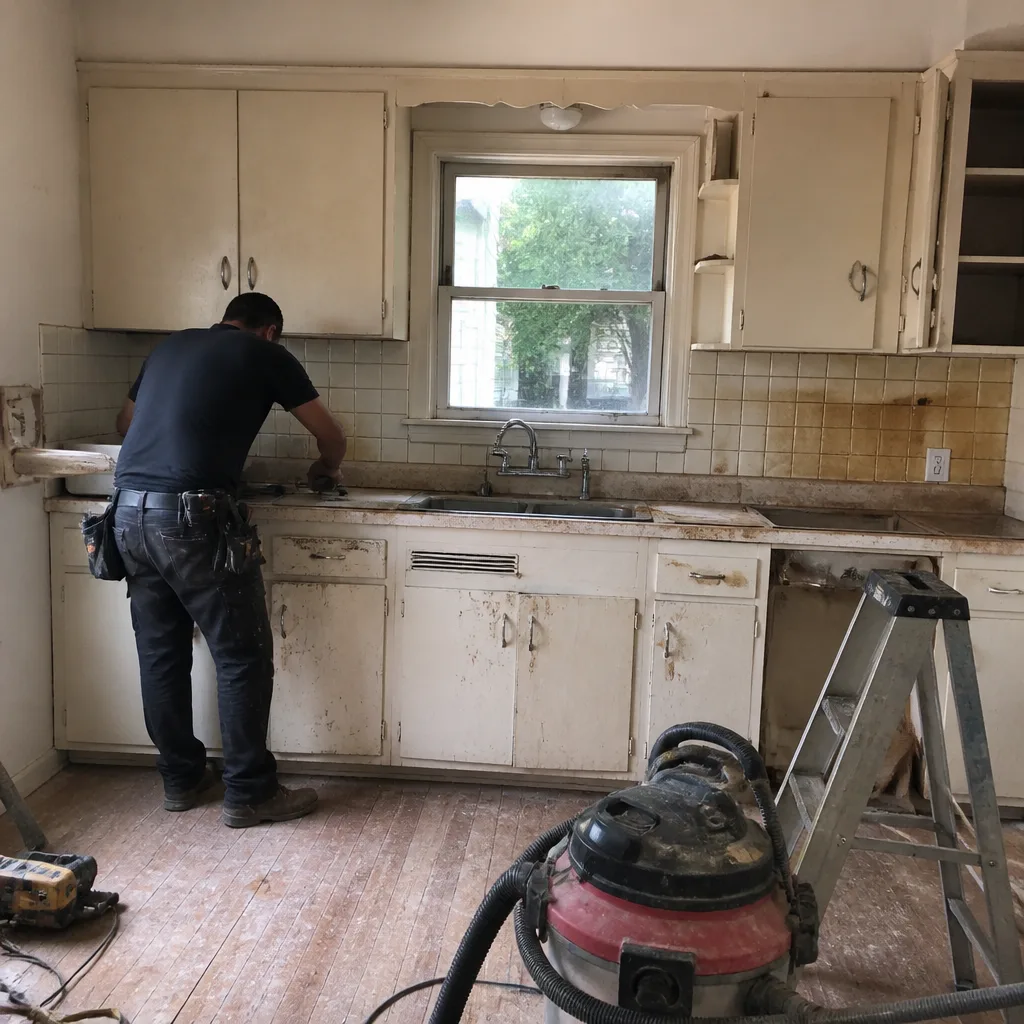 Before
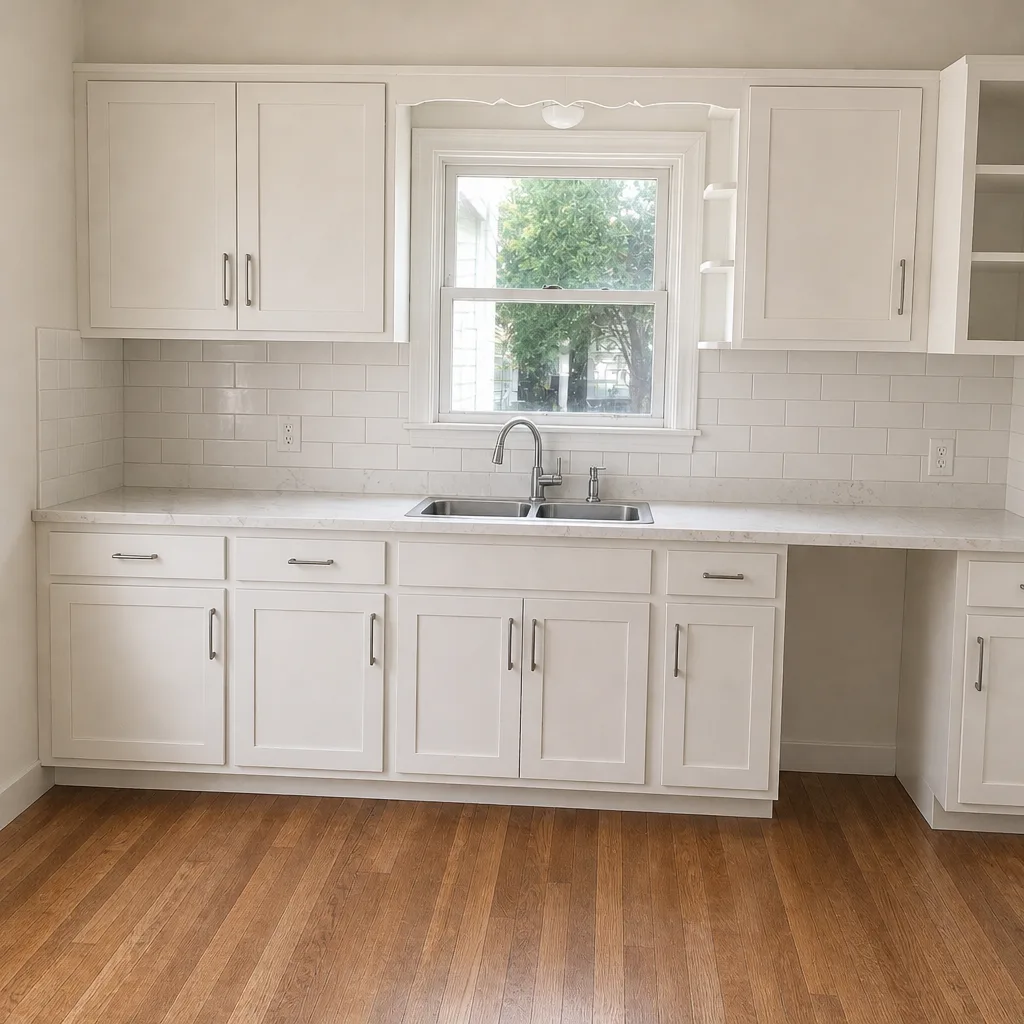 After
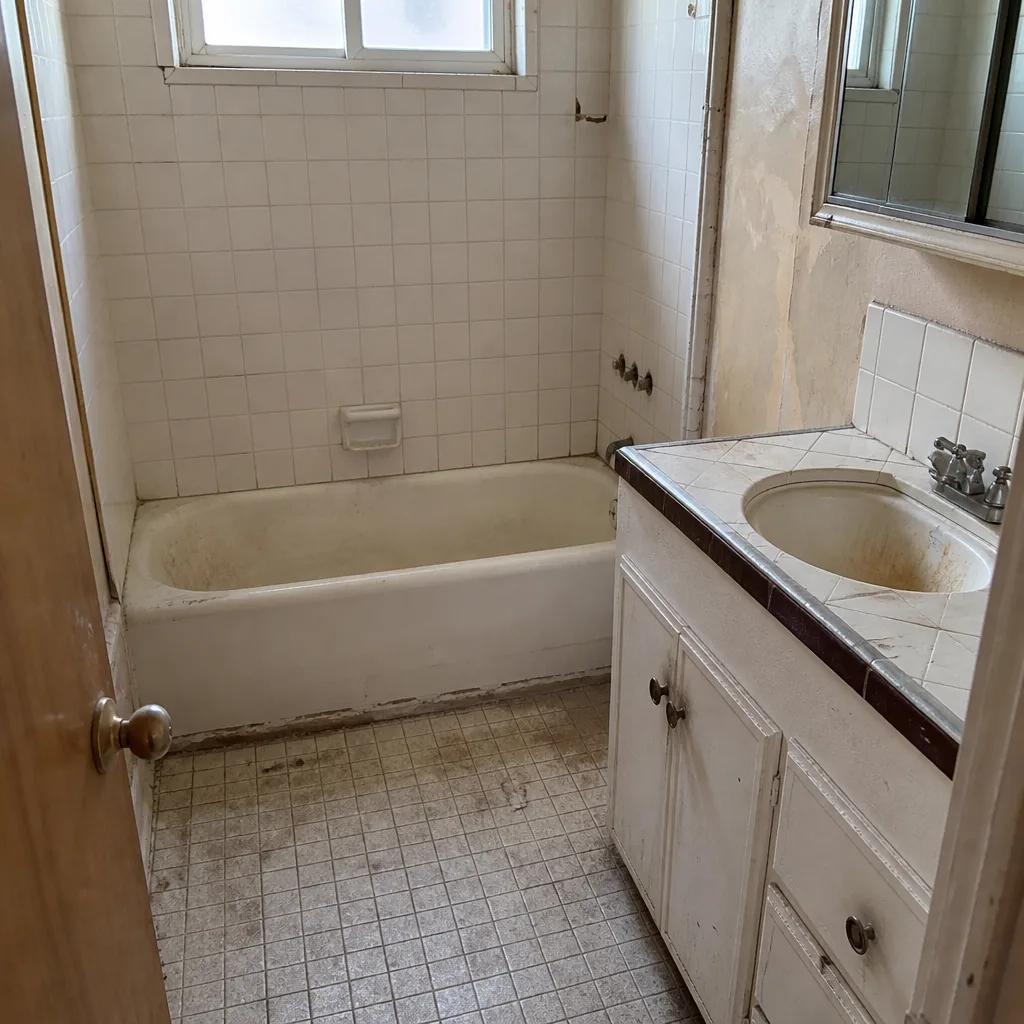 Before
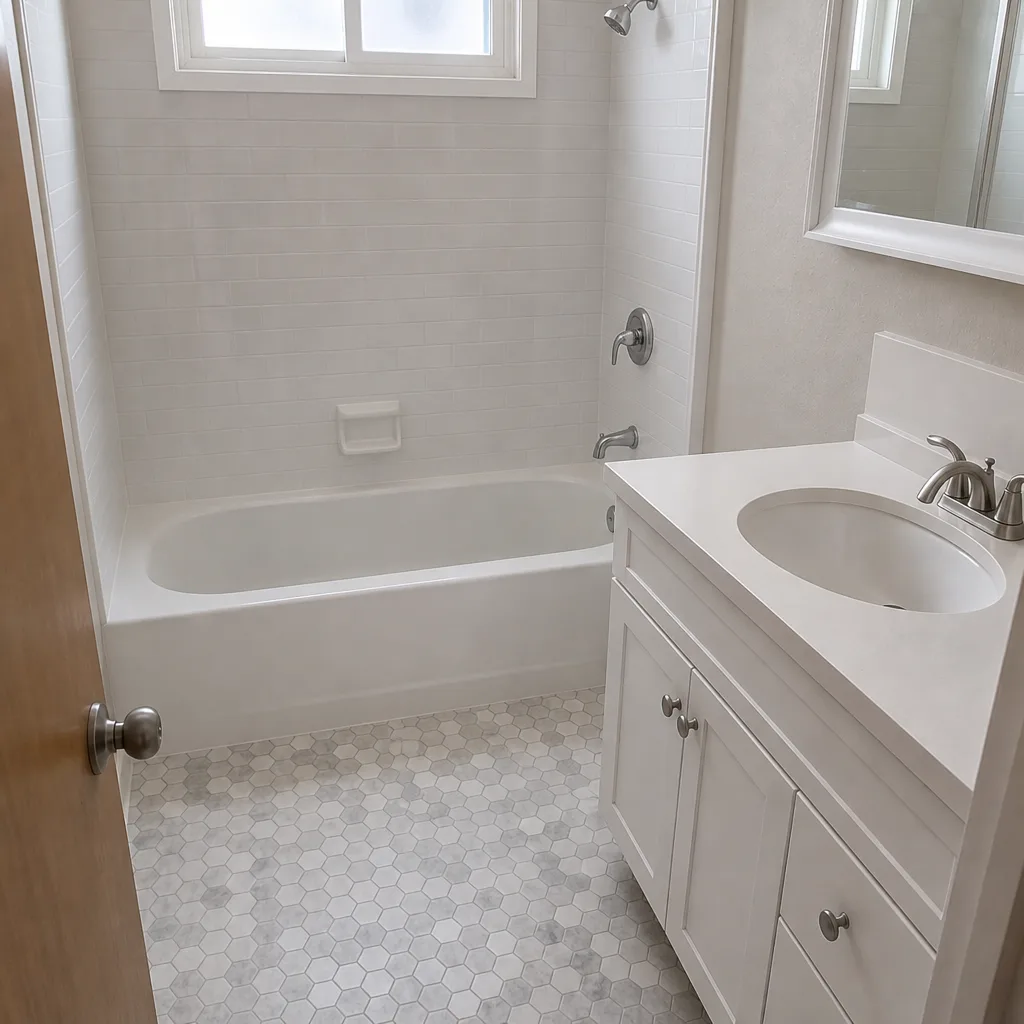 After
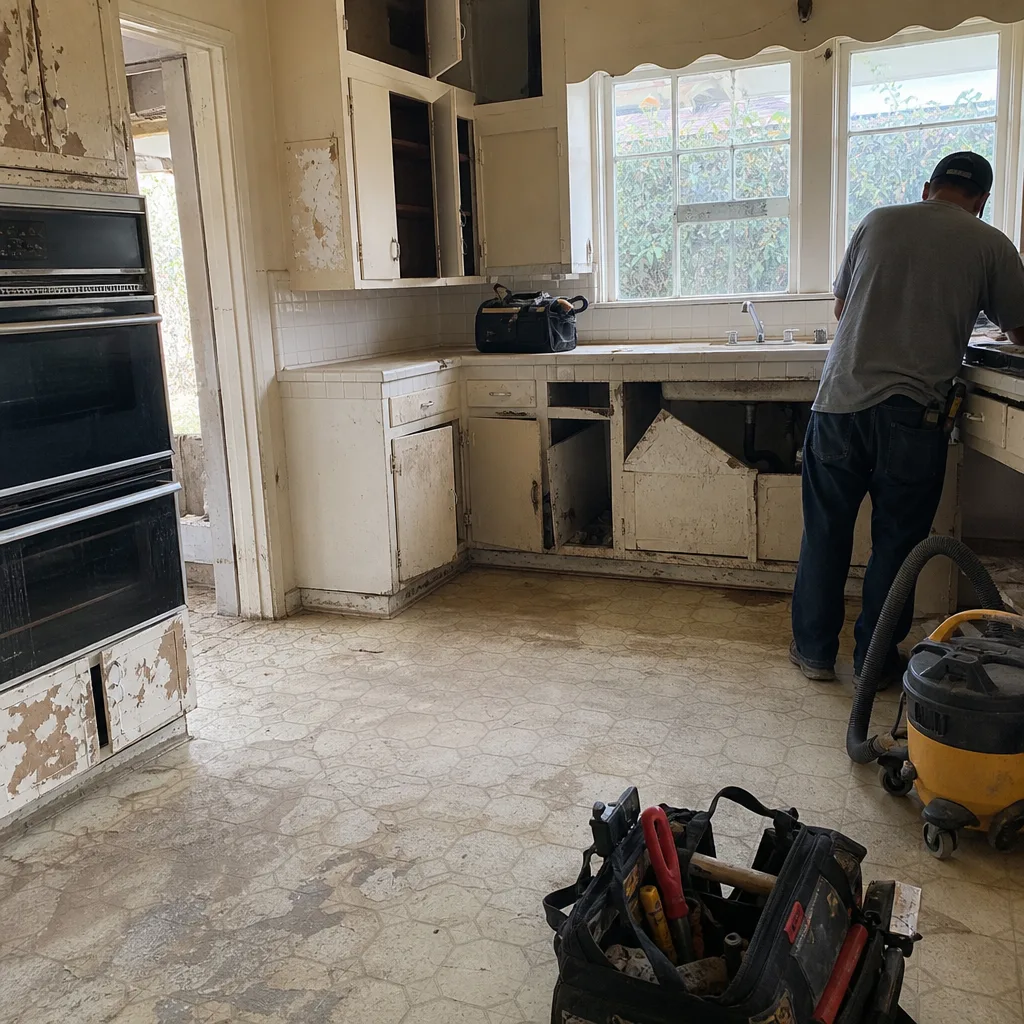 Before
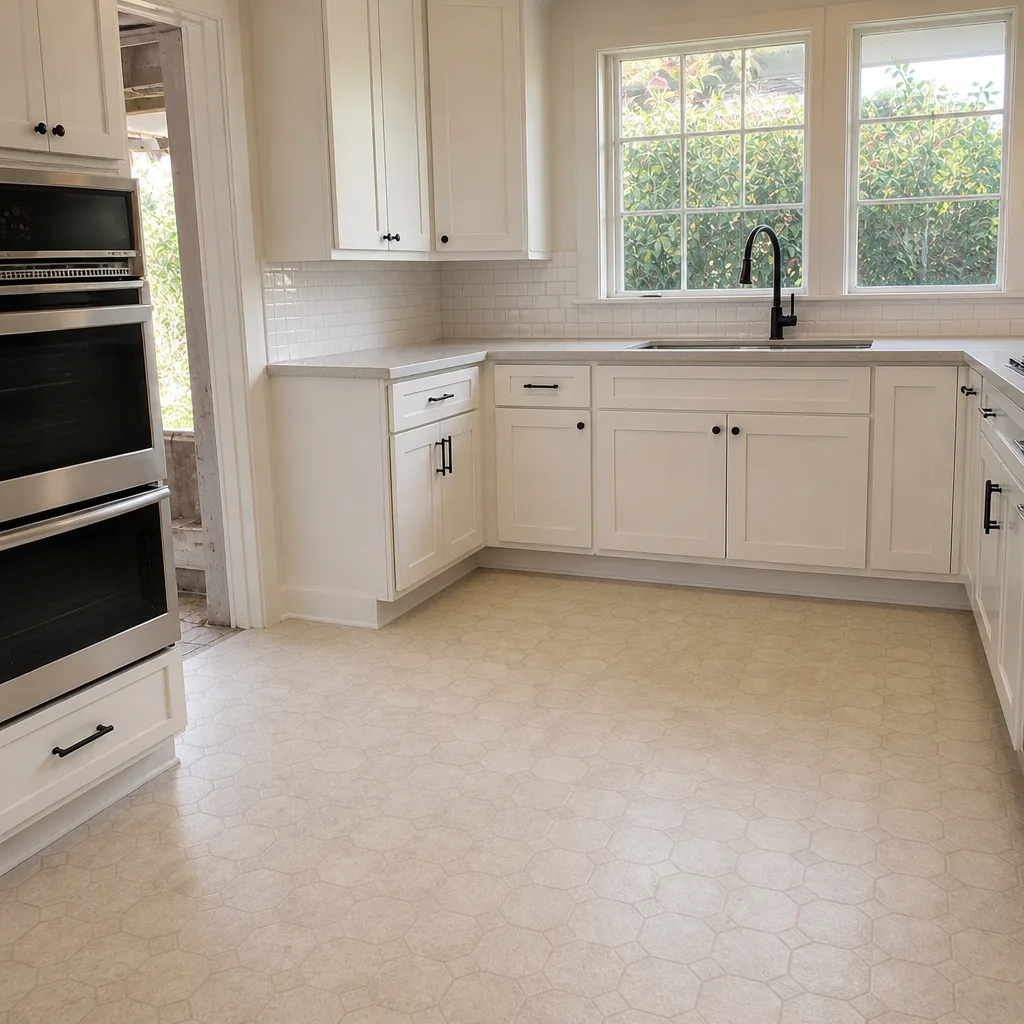 After
When to Call a Professional
You don’t need a contractor for a light switch or a coat of paint. You do need one when the work touches anything structural, permitted, or insurable. Call a licensed professional when your project involves moving or removing a load-bearing wall, changing the footprint of a room, running new electrical or plumbing, replacing a roof, or opening up a kitchen or bath in a home older than about 1980 – which describes most of Pasadena. You should also call a professional the moment a contractor asks for a deposit over 10 percent, refuses to provide an insurance certificate, or hands you a contract with “materials as needed” anywhere in it. Those aren’t small details. They’re the pattern that ends in abandonment.
Bradford Remodeling Co Pasadena offers free estimates in Pasadena – call (888) 841-5410.
Frequently Asked Questions
The biggest red flags are: no verifiable CSLB license number printed on the bid, no physical business address, no certificate of workers’ compensation or general liability insurance, a single-number bid with no line items, and pressure to sign or pay a large deposit quickly. Any one of these is worth asking about. Two or three together is a pattern, and in Pasadena’s market – where older housing stock and seismic code add real cost to almost every project – the pattern almost always predicts either change order abuse or abandonment. Call (888) 841-5410 if you want a second opinion on a bid you’ve already received.
Yes, usually. A bid that undercuts the field by 30 percent or more is a data point, not a deal. It means one of four things: the scope is smaller than you think, the contractor is cutting corners you’ll discover later, change orders will close the gap, or the contractor has underpriced the job and won’t finish it. To test whether a bid is possible, add up materials at near-retail cost, Pasadena permit fees, real labor, and overhead. If the bid falls below that floor, it’s a math problem waiting to land on your invoice.
Watch for “materials as needed,” “work per conversation,” “final cost TBD,” and unilateral change order clauses that let the contractor authorize changes without your signature. Each of these hands the contractor the right to bill for work you didn’t approve at a price you didn’t agree to. A fair contract names the brands, sets quantities, fixes the price for the defined scope, and requires your written signature on any change before the work happens.
Go to cslb.ca.gov and search the license number. You’ll see active status, the business name the license is registered to, and any complaint history. The license number should be printed on the bid, the contract, and the business card – not offered only when asked. You should also request certificates of workers’ comp and liability insurance by email from the insurer, not a printed copy from the contractor.
Because urgency is a signal about the contractor’s cash flow, not about your project. A crew with a full calendar doesn’t need to close you today. If a contractor is calling you three times in 24 hours, offering a price that expires Friday, or asking for 30 percent down, they’re often covering payroll on a previous job. When cash flow is strained, the consequences land on your house – the crew that can’t pay its subs walks off mid-project and the phone stops answering.
A real written guarantee names three things: what’s covered, for how long, and what the remedy is. “If the work fails within one year of completion, we will return and correct it at no charge” is a guarantee. “Satisfaction guaranteed” is a phrase, because satisfaction is never defined in the contract and becomes impossible to enforce in a dispute. Our 365-Day Done Right Promise works the first way – written, defined by the year, and in your hand at close.
The Bottom Line
Most bad contractor outcomes are predictable. The abandonment pattern the CSLB sees most often – deposit taken, phone unanswered – almost always arrived with the same small red flags at the front door: no verifiable license, no insurance certificate, no physical address, vague scope language, a bid that made no financial sense. In Pasadena, where older homes, seismic code, and historic district review add real cost to almost every project, those flags show up more sharply than they do in newer markets. Verify the license. Get the certificates. Read the change order language. Insist on a written guarantee with a defined term. And when a bid comes in far under the field, treat it as information, not opportunity. That short list of checks is the difference between a remodel that’s squared away and one that ends in a phone that doesn’t answer. If you want to walk through the checks with us, we’re glad to help. Call Bradford Remodeling Co Pasadena for a free estimate.
To get a written, line-item price before any work starts, call (888) 841-5410 for a free estimate. Every Bradford Remodeling Co Pasadena project carries the 365-Day Done Right Promise, a live person answers the phone 24/7, and your written guarantee is in your hand at close.
Written by the team at Bradford Remodeling Co Pasadena.