Last updated November 18, 2026
Free written scope consultation - allowances, timeline, and change-order rules on paper before a single trade is scheduled
The Complete Guide to Construction in Pasadena
Pasadena processed more than 12,000 building permits in a single recent year. But here’s the part that surprises homeowners: an approval in one of Pasadena’s historic overlay zones can take three times longer than a comparable job in neighboring Arcadia. That gap is real money, and nobody warns you about it at the bid stage. Three forces shape every project in this city: aggressive historic preservation rules, a housing stock full of Craftsman-era foundations that demand specific structural thinking, and a Building & Safety office with its own review rhythm. This guide covers all three, plus licensing, permits, tree rules, and the mistakes that cost Pasadena homeowners the most.
Quick Answer
Construction in Pasadena is governed less by what you want to build and more by where you’re building it. A property inside a Historic Preservation Overlay zone, on a lot with protected trees, or on a pre-1940 Craftsman foundation faces review requirements a post-war tract home in east Pasadena never touches. Getting the scope, permits, and licensing right before ground breaks saves more than any bidding strategy ever will.
Styles & brands we work with
- Kitchen remodeling
- Bathroom remodeling
- Home additions & ADU
- Roofing
- Windows & doors
- Driveway & pavers
- Fence
Table of Contents
- How Pasadena’s Historic Preservation Overlay Zones Change Your Project
- Pre-1940 Craftsman and Spanish Colonial Foundations
- Pasadena Building & Safety: The Real Permit Workflow
- Class A, B, and C Contractor Licenses Explained
- Pasadena’s Tree Ordinance and Your Exterior Work
- What Construction Actually Costs in Pasadena
- Common Mistakes to Avoid
How Pasadena’s Historic Preservation Overlay Zones Change Your Project
A Historic Preservation Overlay, or HPO, is a zoning designation that covers entire neighborhoods rather than single landmarks. Pasadena has one of the largest collections of them in California, spanning districts like Bungalow Heaven, Orange Heights, and the Craftsman-rich blocks near Madison Heights. If your home sits inside one, the rules change before you draw a single line.
Inside an HPO, exterior changes typically require design review through the city’s Historic Preservation Commission before Building & Safety will review the structural work. That means two separate approval tracks instead of one. The commission looks at materials, massing, roof pitch, window profiles, and streetscape compatibility. Vinyl windows that would sail through in a non-overlay property often get denied outright in Bungalow Heaven. Fiber cement siding that mimics traditional shiplap tends to do better than a modern panel profile.
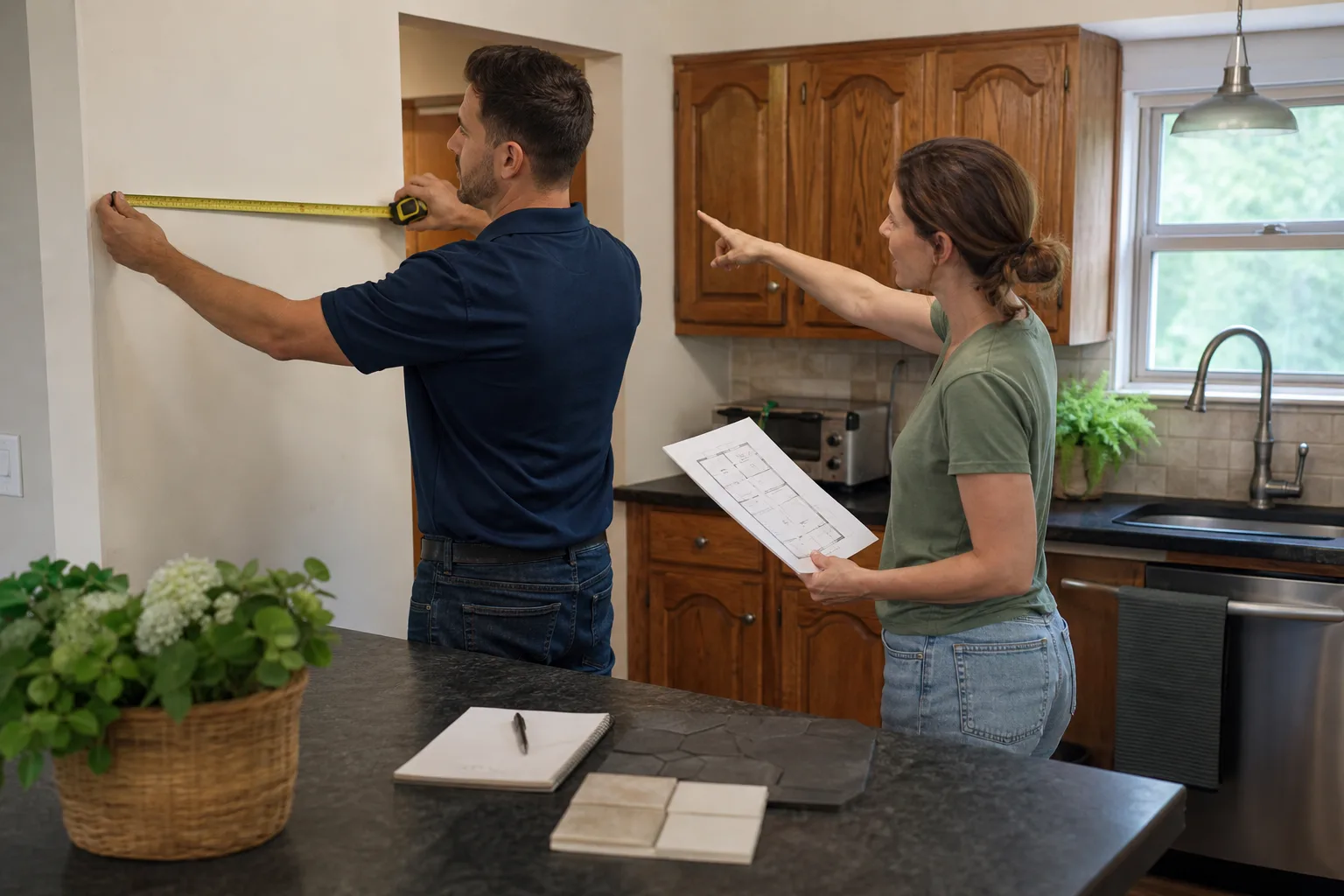
Homeowners who don’t plan for this lose weeks. In our experience, a kitchen remodel with no exterior changes can move fast even inside an HPO, because interior work is generally exempt from historic review. It’s the exterior envelope, additions, porches, and hardscape that trigger the second track. The practical move is to scope interior and exterior work as separate phases, submit the interior phase first, and let it run while design review catches up.
Pre-1940 Craftsman and Spanish Colonial Foundations
Much of Pasadena’s housing stock went up between 1900 and 1940, and the foundations under those homes are a different animal from post-war tract construction. Craftsman bungalows often sit on raised pier-and-beam foundations with original redwood or Douglas fir framing. Spanish Colonial homes frequently use clay tile over sloped roofs with heavy structural loads transferred to masonry or cast-in-place perimeter walls. Neither behaves like a 1960s slab.
Why it matters for your scope: when a contractor bids a bathroom remodel or an addition on a 1925 Craftsman without opening the subfloor, the number is a guess. Original framing has often been sistered, notched, or modified over a century of utility work. A serious scope conversation includes a crawlspace inspection and, where structural loads change, a structural engineer’s letter. That letter adds cost up front and saves far more when plan check asks for it anyway.
Spanish Colonial homes bring a second wrinkle: original clay tile roofs. Removing and reinstalling tile without breakage is slow, careful work, and replacement tile matching original profiles is a specialty line item. If your project touches the roof plane, budget for tile salvage and replacement separately rather than assuming the original material survives.
Pasadena Building & Safety: The Real Permit Workflow
Pasadena’s permit review follows three paths, and knowing which one your job takes tells you the timeline before you commit a deposit.
- Over-the-counter (OTC) review. Simple, non-structural work like water heater replacements, minor electrical, and like-for-like window swaps can often be approved the same day at the permit counter. Bring complete plans and a clear scope drawing; incomplete submittals get bounced to plan check.
- Standard plan check. Structural changes, additions, kitchen and bathroom remodels that move walls or plumbing, and most exterior work go through formal plan check. Typical review runs several weeks on a clean submittal, longer if corrections are issued.
- Discretionary or historic review. Projects in an HPO or requiring a conditional use permit add review cycles in front of a commission. This is where the timeline stretches and where the Arcadia comparison matters most.
Compared to LADBS, Pasadena’s process is smaller and more personal. You can often reach a plan checker by phone, and corrections tend to come back with specific notes rather than generic rejections. That’s an advantage if your contractor knows how to read the correction sheet and resubmit cleanly the first time. It’s a liability if the submittal was thin to begin with.
Class A, B, and C Contractor Licenses Explained
California issues three main contractor license classifications, and Pasadena projects pull from all three depending on scope. Understanding them is one of the simplest ways to protect yourself.
- Class A (General Engineering). Covers fixed works like roads, grading, and large structural engineering. Rarely the right fit for a residential remodel unless the project involves major site work.
- Class B (General Building). The workhorse license for residential construction. A Class B contractor can take a whole-house remodel, an addition, or a kitchen project that involves two or more unrelated trades. This is the license most Pasadena homeowners should be checking for.
- Class C (Specialty). Narrow scopes like C-36 plumbing, C-10 electrical, or C-39 roofing. Legitimate for single-trade work, but a C-license holder can’t legally contract for a multi-trade remodel on their own.
Ask for the license number and verify it through the Contractors State License Board before you sign anything. A Class B license plus active insurance and a bond is the baseline for any project of consequence in Pasadena.
Pasadena’s Tree Ordinance and Your Exterior Work
Pasadena protects a defined list of native and heritage tree species, and many of them grow in the parkways and front yards of older neighborhoods. If your exterior, hardscape, or addition work touches the root zone or canopy of a protected tree, the city can require a tree protection plan, an arborist report, or a formal permit before demolition starts.
The trap is sequencing. A contractor who scopes a new driveway, patio, or foundation pour without checking the tree inventory can get stopped mid-project when a neighbor or inspector flags a protected oak or sycamore. Stopping a job to obtain a permit after the concrete forms are set costs far more than adding a tree survey to the original scope. In our experience, this is the single most common reason an otherwise clean Pasadena hardscape job stalls. If you’re planning work under a General Contractor in Pasadena, ask up front whether the scope includes a protected-tree check.
What Construction Actually Costs in Pasadena
Pricing in Pasadena runs higher than the regional average, driven by older housing stock, HPO review, and the labor cost of careful work. These are line-item ranges homeowners should expect to see in a written estimate, not ballpark guesses:
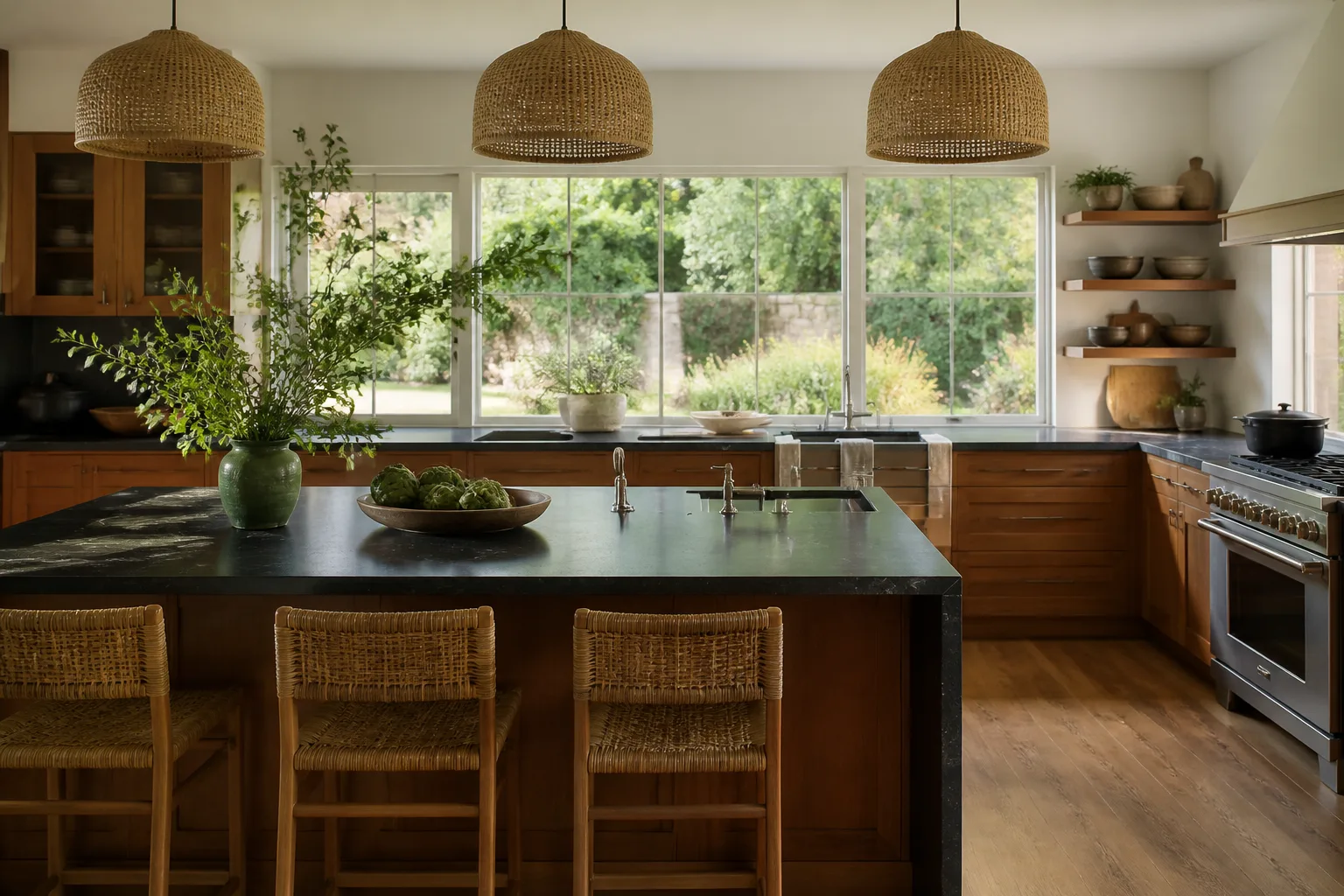
- Kitchen remodel, mid-grade: $45,000 – $85,000 for a 150 – 200 sq ft kitchen with new cabinetry, surfaces, fixtures, and electrical updates.
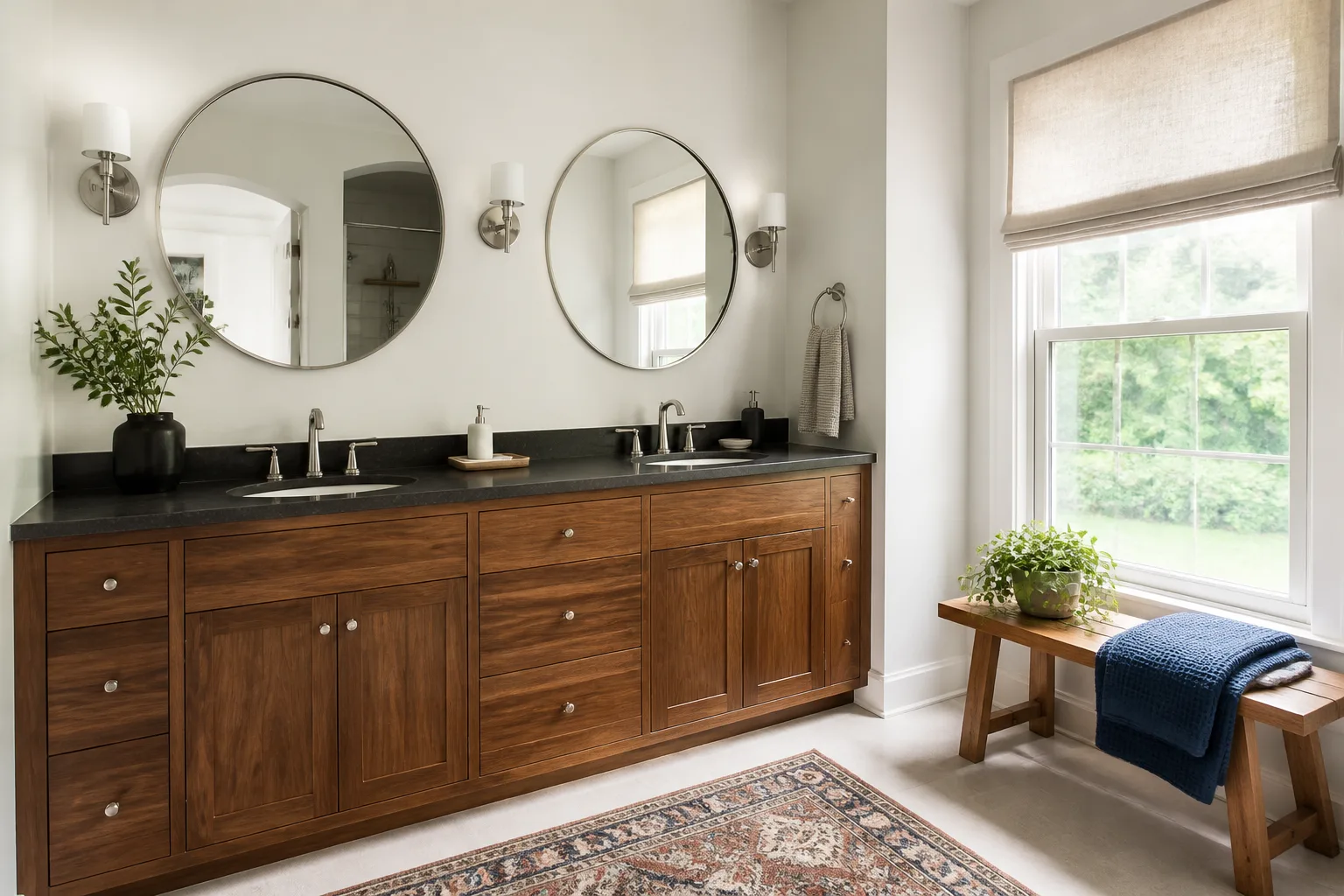
- Bathroom remodel, full gut: $22,000 – $45,000 depending on tile scope, plumbing relocation, and whether the original subfloor needs repair.
- Whole-home remodel: $180 – $300 per sq ft for a full update of a 1,500 – 2,000 sq ft Pasadena home.
- Foundation or structural work on pre-1940 homes: $15,000 – $60,000 depending on engineer-specified repairs and access.
- HPO design review and arborist reports: $1,500 – $6,000 in soft costs before construction begins.
Every number above belongs in a written scope before tools come out. If a bid arrives as one lump sum with no line items, that’s the first sign the number will move at the door. For a closer look at the scope behind these ranges, our Kitchen Remodeling in Pasadena and Bathroom Remodeling in Pasadena guides break down what each phase includes.
Common Mistakes to Avoid
- Bidding an HPO property like a non-HPO property. Contractors who don’t price design review into the scope either miss the cost or eat the timeline later. Ask directly whether your property sits in an overlay before signing.
- Assuming a 1925 foundation is sound because the house hasn’t moved. Original pier-and-beam framing can be functionally compromised by a century of modifications. Open the crawlspace before pricing.
- Skipping the tree inventory until demolition. A protected sycamore in the parkway can halt a driveway pour after the forms are set. Survey first.
- Hiring a specialty-only contractor for a multi-trade remodel. A C-license holder can’t legally contract the whole job. Confirm Class B coverage for anything that touches two trades.
- Accepting a verbal price with a placeholder line for “miscellaneous.” That line moves. Insist on line items before work begins.
- Failing to check whether the submittal is OTC-eligible. Minor work gets pushed into weeks of plan check for no reason when it could have been approved at the counter same day.
- Ignoring the roof plane on a Spanish Colonial project. Original clay tile is fragile and specialty-priced. If the scope touches the roof, budget for salvage and replacement separately.
See the difference
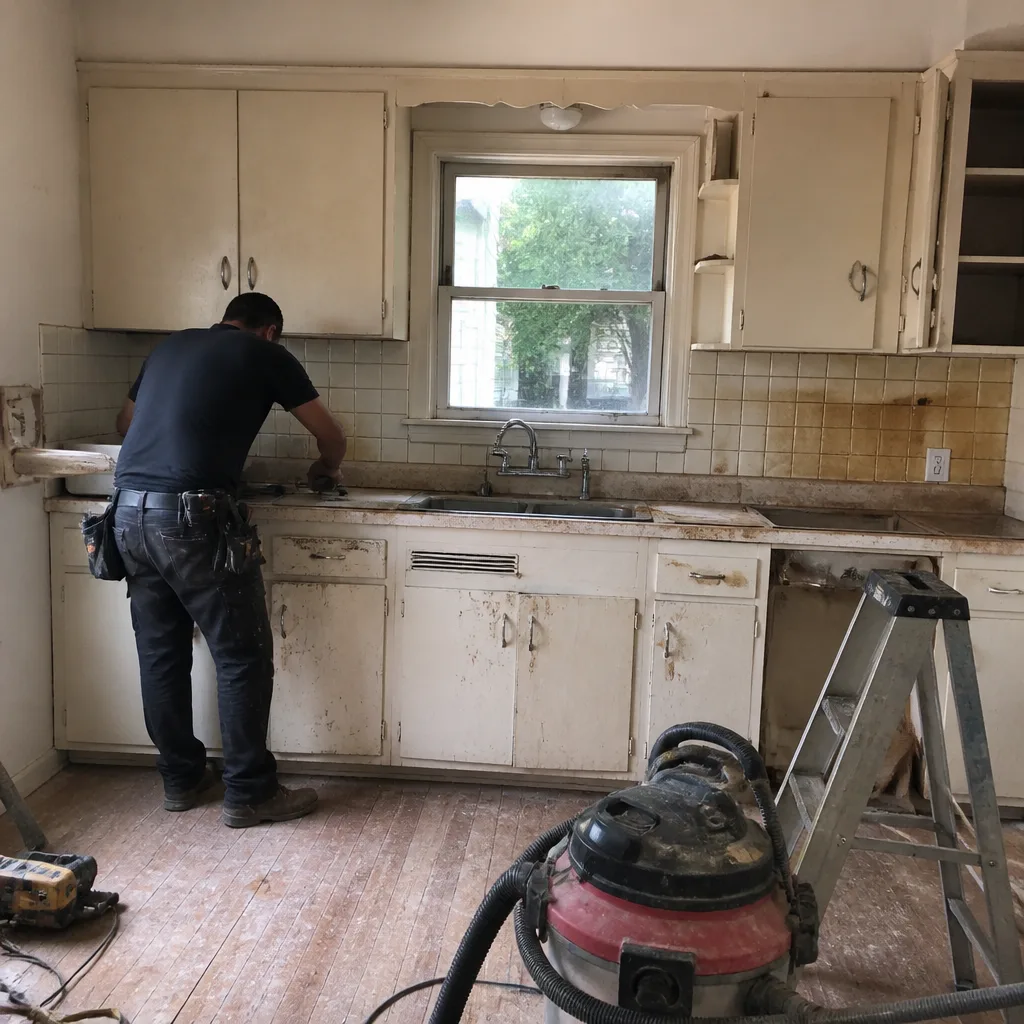 Before
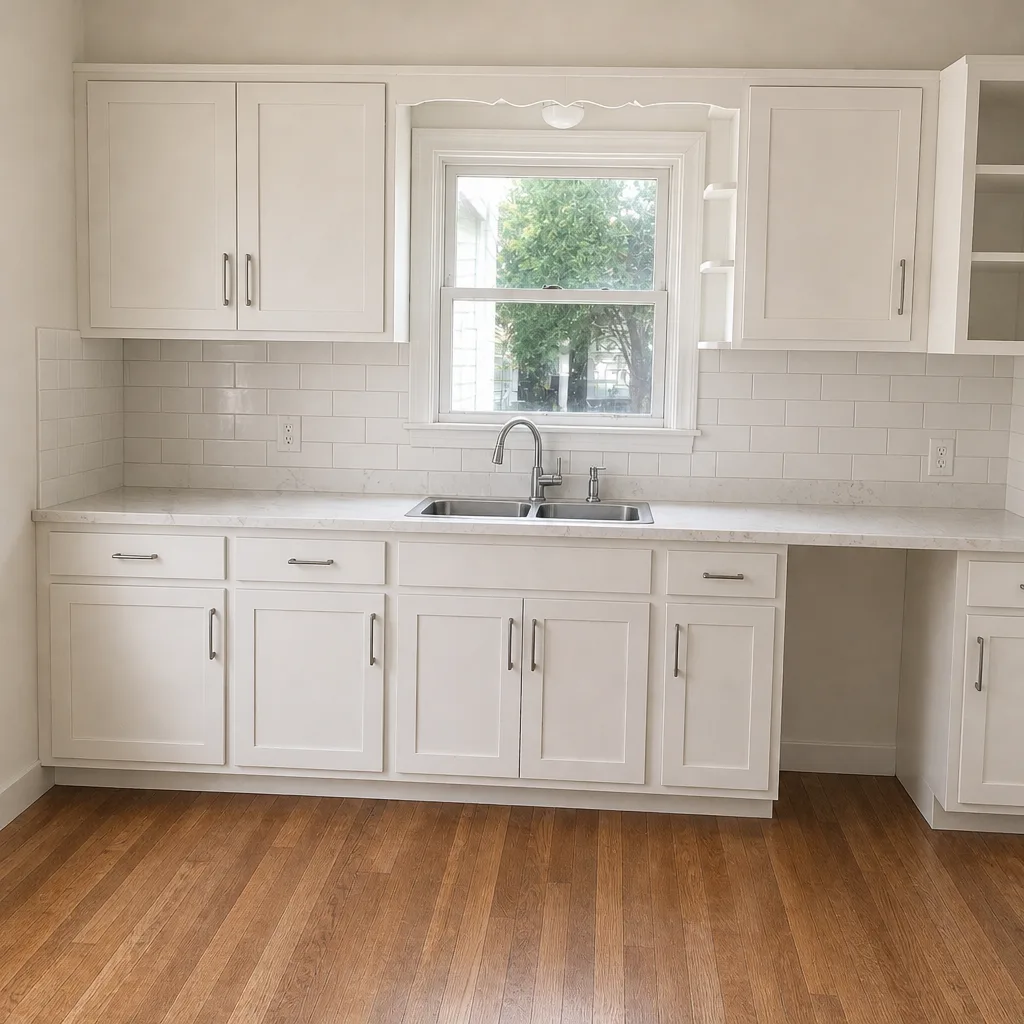 After
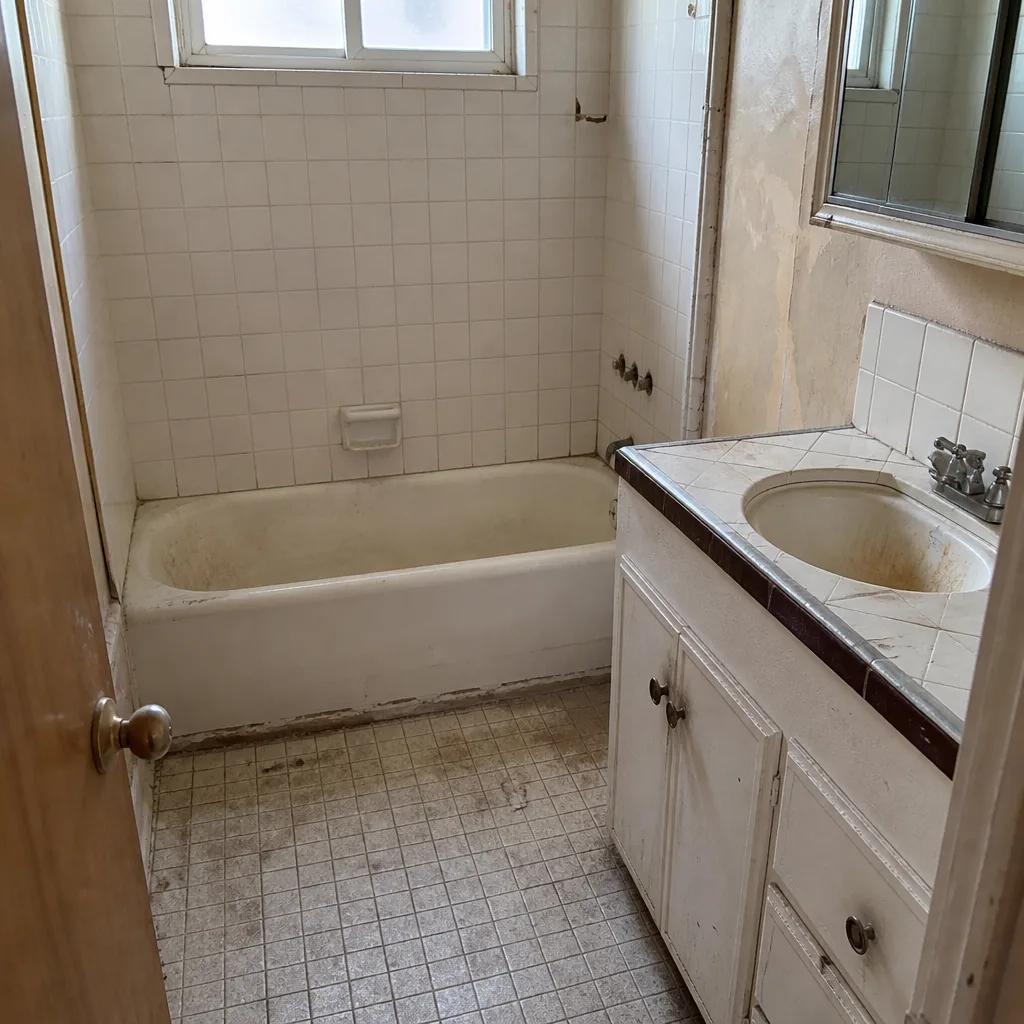 Before
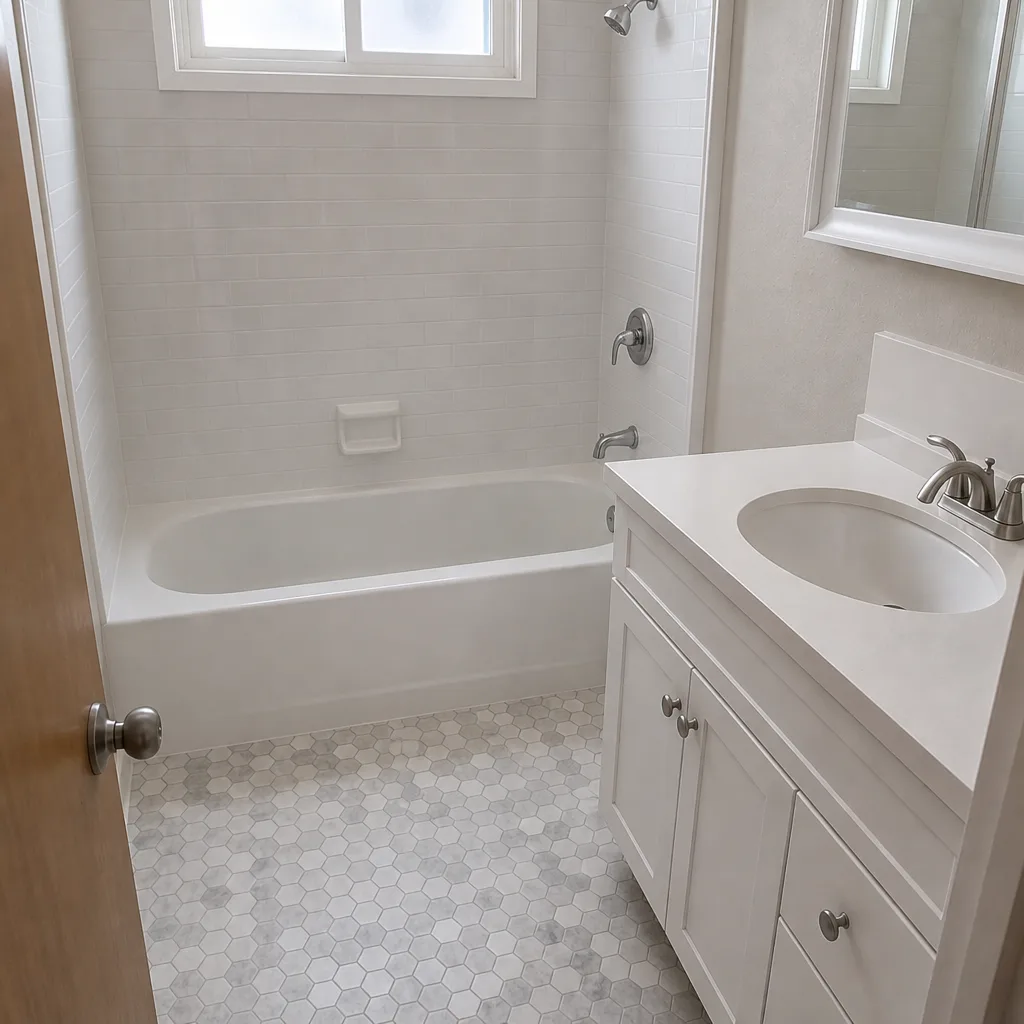 After
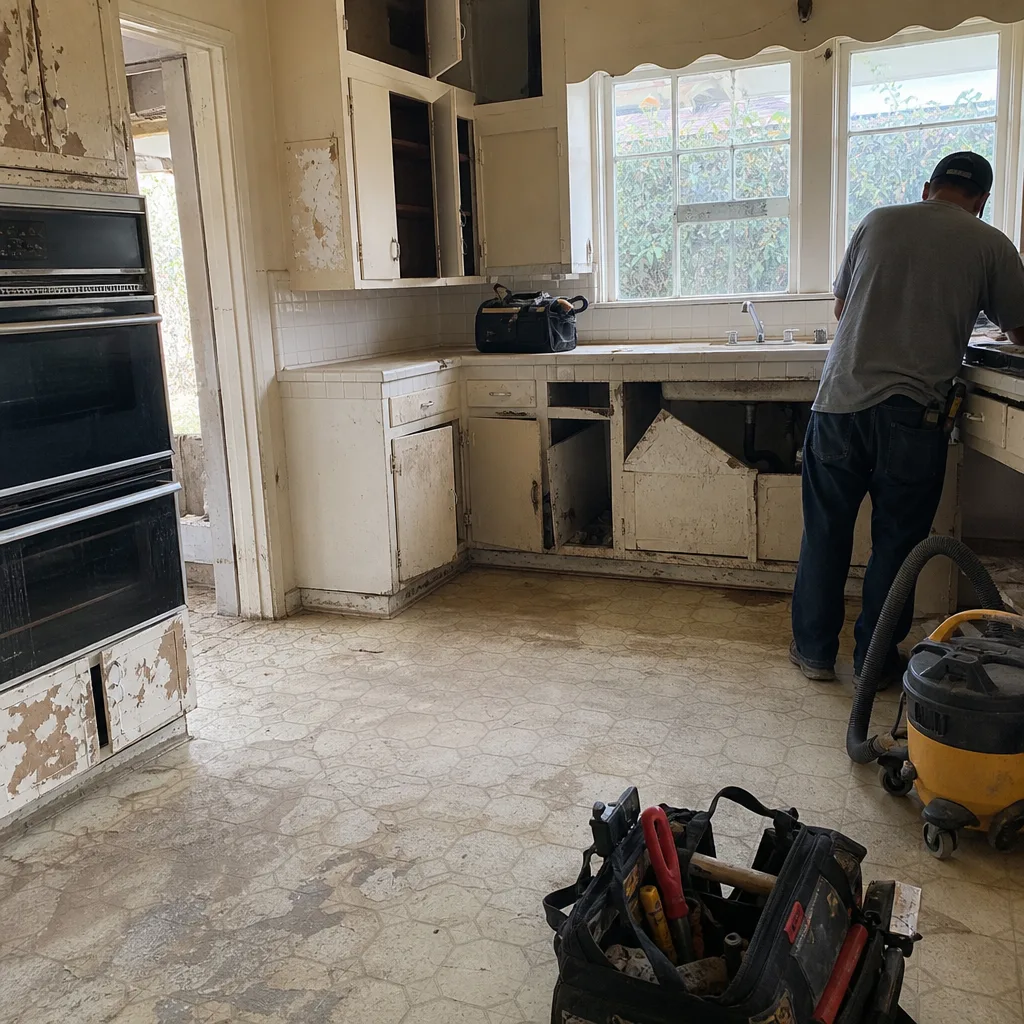 Before
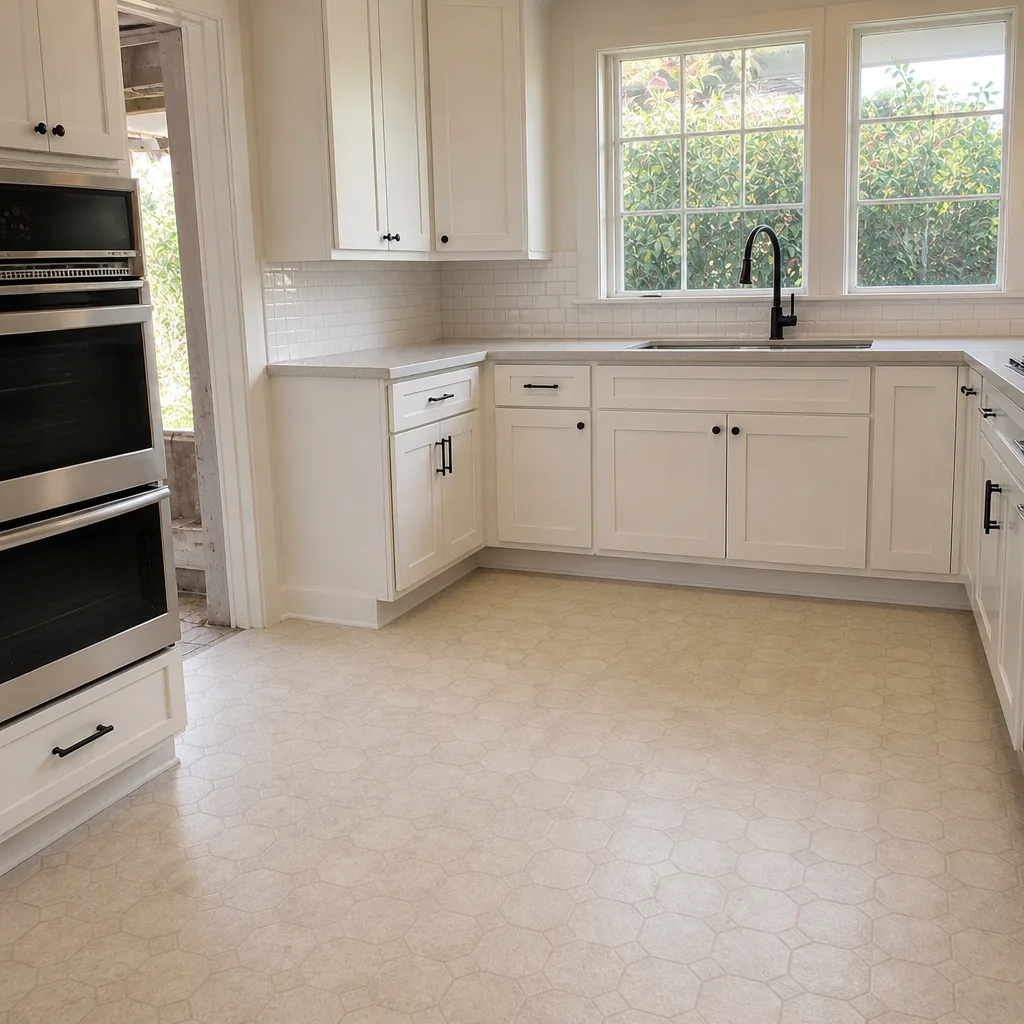 After
When to Call a Professional
Certain work in Pasadena should never go unpermitted or unlicensed. Structural changes, foundation repairs, anything that alters a roofline or exterior envelope, electrical panel replacement, and gas line work all require a licensed contractor and a permit through Building & Safety. Kitchen and bathroom remodels that move plumbing or walls need a Class B contractor’s scope even if a single trade performs each phase. And if your property sits inside a Historic Preservation Overlay, add a planning review to the front of any exterior scope. Bradford Remodeling Co Pasadena offers free estimates in Pasadena, with a written price before any work begins and a 365-Day Done Right Promise behind every completed project. Call (888) 841-5410 and a live person picks up, day or night.
Frequently Asked Questions
Over-the-counter permits can clear same day, standard plan check typically runs several weeks on a clean submittal, and HPO design review can triple that timeline for exterior work. Everything depends on how complete the submittal is on first pass. Call (888) 841-5410 for an estimate that includes a realistic permit timeline for your scope.
Interior remodels typically don’t require historic review, but exterior changes in an HPO district do. Design review focuses on materials, massing, window profiles, and streetscape compatibility. If your home is in Bungalow Heaven or a similar overlay, check before you buy materials. Call (888) 841-5410 for a free estimate that accounts for review.
Class A covers general engineering and large-scale fixed works. Class B is the general building license that fits nearly all residential remodels, additions, and multi-trade kitchen or bath projects. For a Pasadena home, you almost always want a Class B contractor. Call (888) 841-5410 to confirm licensing before you sign.
Yes. If your scope touches the root zone or canopy of a protected species, the city can require an arborist report or tree protection plan before work proceeds. Stop-work orders at this stage are expensive and avoidable. Get the tree survey done before demolition. Call (888) 841-5410 for a free estimate that includes it.
It shouldn’t if the scope was written correctly. The number should not move at the door. Bradford Remodeling puts a written price in your hands before any work begins, and any change requires a documented change order you approve. Call (888) 841-5410 for a written estimate, no surprises.
Expect $180 – $300 per sq ft for a full update of a 1,500 – 2,000 sq ft Pasadena home, with pre-1940 foundations often pushing the top of that range. HPO review and protected trees add soft costs before construction even starts. Call (888) 841-5410 for a line-item estimate built around your specific property.
The Bottom Line
Pasadena construction rewards homeowners who plan around three variables: historic overlay review, pre-1940 foundation realities, and the permit workflow. Skip any of them and your timeline stretches and your budget slips. Get them right and you save more than any bidding strategy could deliver. Start with a written scope, verify the contractor’s Class B license, check the tree inventory, and lock in the price before tools come out. Bradford Remodeling Co Pasadena brings up to 22 years of technician experience and premium brands like Therma-Tru and Mr-Glass to every project, backed by the Garrison Standard and the 365-Day Done Right Promise. Read more on our Bradford Remodeling Co Pasadena home page, or call (888) 841-5410 for a free estimate and a live answer.
Written by the team at Bradford Remodeling Co Pasadena.