Last updated November 18, 2026

Free written scope consultation - allowances, timeline, and change-order rules on paper before a single trade is scheduled
Seasonal Construction Care for Pasadena: Year-Round Homeowner’s Guide
Most homeowners treat a calendar like a to-do list: spring cleaning, summer projects, fall prep, winter rest. Pasadena doesn’t work that way. We have two genuinely workable construction windows, a fire-risk stretch that changes which exterior jobs are even safe to run, and a short rainy season that finds every soft spot in your house at once. Here’s the part that catches people: scheduling an exterior paint or stucco job during a Santa Ana event doesn’t just produce bad adhesion. If you’re working near dry brush, it’s an ember risk. That fact belongs in an estimate, and it rarely is. This guide lays out how Pasadena’s actual cycles shape the right time to build, repair, and maintain, and how to read the results when the rain finally comes.
Quick Answer
In Pasadena, the best time for exterior stucco, paint, and roofing is the mild spring and fall windows, when temperatures sit in the 60s to 80s and the marine layer keeps cure times predictable. January through March is when rain exposes drainage, grading, and flat-roof problems, so document everything while it’s wet. Fall is when HVAC and attic work is cheapest and performs best, and summer is the season to avoid starting heat-sensitive exterior work.
Styles & brands we work with
- Kitchen remodeling
- Bathroom remodeling
- Home additions & ADU
- Roofing
- Windows & doors
- Driveway & pavers
- Fence
Table of Contents
- The Two Real Construction Windows in Pasadena
- The Santa Ana Problem: What It Does to Exterior Work and Fire Risk
- What the Rainy Season Reveals: Drainage, Grading, and Flat Roofs
- Fire Season Preparation That Affects Permitted Construction
- Why Fall HVAC and Attic Work Beats Emergency Summer Calls
- Using the Spring Window for Structural and Concrete Work
- Documenting Seasonal Damage Before You Call a Contractor
The Two Real Construction Windows in Pasadena
Pasadena’s climate is often described as Mediterranean, and that framing is too vague to plan around. What actually happens is a mild marine layer through the morning hours from roughly May into June, warm dry summers in the high 80s and 90s, and a Santa Ana cycle that arrives unpredictably in fall and early winter. The two windows that matter for construction are spring (roughly March through May) and fall (roughly September through November).
Both windows share one thing: temperatures that let stucco and paint cure without drying too fast and without staying tacky overnight. That’s not a small detail. Exterior stucco that cures too fast in the heat can develop hairline cracking, and paint applied over a surface above about 85°F with low humidity can skin over before it adheres. Out in the sunbelt country around Altadena and the foothills, that margin is even tighter.
What “usable” looks like during each window:
- Spring (March – May): temperatures in the 60s to 80s, rain tapering off by April, marine layer mornings. Good for exterior paint, stucco patching, concrete pours, and structural work that isn’t temperature sensitive.
- Fall (September – November): temperatures easing back from summer highs, drier air, but watchful for Santa Ana events. Good for roofing, HVAC changeouts, attic insulation, and exterior sealing before winter rain.
- Summer (June – August): poor window for exterior paint and adhesives, workable for interior remodel work if the site is kept cool and dust-managed.
- Winter (December – March): rain and the occasional frost. Interior work and maintenance checks only.
If you’re building out a kitchen or bathroom in Pasadena, the interior moisture relationship matters too: schedule cabinet installation and tile setting when you can control interior humidity, which is why spring and fall interior projects go smoother than mid-summer ones. If you’re planning a bigger renovation, our Kitchen Remodeling in Pasadena page covers how a schedule is set around these windows before the first cabinet ever arrives.
The Santa Ana Problem: What It Does to Exterior Work and Fire Risk
Santa Ana winds are the single most underrated factor in Pasadena exterior work. They arrive in fall and winter, carry very low humidity, and can push temperatures into the 80s or 90s in the middle of what everyone assumed was a cool month. For paint and stucco, that means adhesion failures, flashing off before the product sets, and a finish that looks fine for a week and fails by the following spring. For any project near dry brush or open hillside lots, it means something heavier: an ember risk if equipment sparks or if you’re staging stock near vegetation.
What a disciplined crew does about it, in order:
- Check the forecast for the 5-day window, not the day. A single Santa Ana push can undo three good days of work.
- Confirm wind-speed cutoffs in writing before work is scheduled. Most exterior paint products have an upper wind threshold for clean application. If the plan doesn’t name it, ask.
- Stage materials away from combustible landscape. Wood, paper-faced siding backer, and packaging are the things that burn, not the tools.
- Have a spark-arrestor plan if cutting or grinding near brush. Angle grinders and saws throw sparks. On a dry hillside lot in the foothills above Pasadena, that’s a genuinely bad combination.
- Reschedule, not shorten. If the wind arrives mid-project, the right answer is often to stop and re-mobilize after it passes, with the surface protected and stabilized. Shortening the job to finish on schedule is how you get adhesive failure.
None of this is guesswork. A written scope names the temperature and wind limits, and the plan builds in a weather window that will accommodate one or two postponements. If your contractor is quoting a flat number with no weather adjustment language, the risk is being transferred to you without you knowing it.
What the Rainy Season Reveals: Drainage, Grading, and Flat Roofs
Pasadena gets most of its rain between December and March, and the totals are modest but concentrated. A single atmospheric river can dump more water in two days than the soil is prepared to absorb. That’s not just an inconvenience. It’s a diagnostic. Water finds every low spot in your grading, every failed flat-roof drain, every crack in the foundation stem wall, and every place where the downspout empties water against the structure instead of away from it.
Here’s what to watch for, in the order it shows up:
- Standing water on the yard away from the house: grading issue. The lot should slope away from the foundation on at least three sides.
- Water pooling against the stem wall: missing or failed perimeter drain, and a candidate for foundation moisture intrusion. Foundation repair in Pasadena is real and can run into four figures.
- Ceiling stains or bubbling paint in flat-roof rooms: membrane failure or blocked drain. Flat roofs on mid-century homes here are common, and they should be inspected every year, not just when they leak.
- Efflorescence on stucco where it meets the ground: moisture wicking, which points to a drainage problem, not a stucco problem.
- Sump or driveway cracks running toward the garage: settling or a failed apron, and both deserve a look before the next rain.
Document everything with phone photos while the water is still there, and put a date stamp on them. That record is worth more to a contractor than a verbal description delivered a month later. If your drainage problem has already reached the interior, that’s a different conversation. Our General Contractor in Pasadena page covers the repair-side scope, and a licensed general contractor is the right call when grading meets structure.
Fire Season Preparation That Affects Permitted Construction
Pasadena sits at the edge of a fire-risk landscape. The brush-covered hills above the city and the interface neighborhoods along the foothills sit in what fire agencies call the wildland-urban interface, and the rules that govern permitted work in those areas are different. If you’re remodeling a home or rebuilding a deck in that zone, the materials choices and vent configurations are not cosmetic.
The things that actually matter, from a construction standpoint:
- Ember-resistant vent covers. Standard soffit and attic vents allow embers to enter the attic cavity. Ember-resistant vents are a code-driven upgrade in many interface zones and are dramatically cheaper to install during a roof or siding project than afterward.
- Deck material choices. Wood decks are a known ember trap under and between boards. If you’re rebuilding a deck, the material choice should be evaluated against the local fire-risk standard, not just aesthetics and cost.
- Defensible space requirements that affect permitted work. Clearing vegetation, pruning trees away from the roofline, and keeping the first 5 feet around the structure free of combustible material often intersects with what you’re allowed to build and where on the lot.
- Roofing assembly. Class A roof assemblies and a noncombustible gutter line are the top of the list. GAF and other manufacturers publish fire-rated assemblies by product line; the specs are in writing, and that’s what you want to see.
If you’re doing permitted exterior work in a fire-risk zone, the plan set should reflect the local fire-safe standards and a building department review should follow. Cutting corners here isn’t just risky, it’s often a permit failure. For a rebuild or whole-home scope, the planning usually starts with the structure as it sits now, which is why a documented assessment is the first step.
Why Fall HVAC and Attic Work Beats Emergency Summer Calls
A failed air conditioner in August is a bad time to be shopping for a contractor. Demand is at its peak, the crew that could get to you in a normal week is booked three out, and you’re paying for that. Fall is the opposite. The heat has broken, the phone stops ringing, and the same job gets scheduled in days, not weeks, at a lower price because the crew isn’t being pulled toward emergency calls.
Attic work is a cousin of this. Attics in Pasadena get brutally hot between June and September, sometimes over 140°F at the peak. Nobody performs well in that environment, and some products (adhesives, duct sealants, spray foam) don’t cure correctly above certain thresholds. Doing the attic work in fall or spring means the crew can be in the space longer, the products set properly, and the inspection isn’t delayed.
Here’s the fall checklist that pays for itself:
- Have the system checked before the first cold night. A pre-season tune-up on a furnace or heat pump catches the small stuff before it fails in December.
- Air-seal the attic penetrations and top up insulation while the attic is workable. This is a same-day job in mild weather and an uncomfortable one in summer.
- Replace the air filter and clean the return path. Cheap, and it prolongs system life.
- Have ducts inspected for disconnected runs. Fall is when a leaky duct is easiest to reach and easiest to seal.
- Document the equipment age and serial number. When you eventually sell the home, that record matters.
None of these are emergencies in the fall. That’s exactly the point. The jobs that get done calmly and written down are the ones you’ll remember well, not the one that got rushed on a 105-degree afternoon.
Using the Spring Window for Structural and Concrete Work
The spring window is the best time in Pasadena for structural and concrete work, and the reason is not aesthetic. Concrete cures best between about 50°F and 75°F. Above that, it cures too fast, which means lower final strength and a higher probability of surface cracking. Below that, the cure slows and the concrete is vulnerable to overnight frost. Spring gives you the widest band of days that sit comfortably in the middle.
Adhesives used in tile setting, subfloor bonding, and exterior trim installation follow the same principle. Most manufacturers publish an application temperature range in the spec sheet, and a warm morning at 8 a.m. that becomes an 88°F afternoon can fall outside that range before the crew gets to the last row. Spring and early fall are the windows where the range is reliably met. Products like Schluter’s tile substrate systems and setting materials publish their acceptable ranges for a reason, and a disciplined installer schedules around them.
What the spring window tends to unlock:
- Foundation repairs and pier installs done before summer heat drives concrete cure problems.
- Driveway and walkway pours with enough 60-to-75°F days to reach full design strength.
- Structural framing and stucco before summer heat sets in, so the stucco has time to cure properly.
- Bathroom and kitchen substrate work while interior humidity stays stable enough to let tile and waterproofing systems set correctly. If you’re planning a bathroom, our Bathroom Remodeling in Pasadena page covers the sequence that keeps substrate and tile work inside the window.
If you’re scheduling concrete or structural work, the biggest scheduling mistake we see is waiting for the “perfect” week. In Pasadena, there is no perfect week; there’s a good-enough six-week stretch and a disciplined plan to use it. That’s the actual scheduling problem, and a written schedule that shows weather contingencies in advance is worth more than the extra shopping around.
Documenting Seasonal Damage Before You Call a Contractor
What a contractor can see on a dry July afternoon is not the same as what they can see on a wet February morning. The rule is simple: document while the problem is visible, and do it in order. Here’s a step-by-step process that takes about 20 minutes and gives any contractor you call a much better picture of what’s actually happening.
- Photograph every active leak or damp spot with a date stamp. The camera picks up staining, drywall bubbling, and cracked paint that you’ll second-guess once it dries.
- Photograph the outside water path. Include the downspout exit, the yard slope, the family room foundation line, and the driveway edge. Context is what makes a photo useful.
- Note the timing. Does the dampness appear within an hour of rain, or after a few hours? The timing tells you whether the issue is a surface leak or a slow migration under the slab or stucco.
- Measure the affected area. Loose dimensions are enough; “the bubbling is about 3 feet wide” reads better than “a lot.”
- Keep the record in one file. A simple folder with photos and short notes is worth more than a thousand texts to a contractor later.
- Note any work done in the last five years in that area. A roof replacement, an AC changeout, or a recent remodel changes the diagnostic path.
Be cautious about crawling under the house or into a crawlspace during or just after rain, and do not attempt to inspect or repair energized electrical equipment or gas lines yourself. Those belong to a licensed professional. Documenting the visible problem is useful; investigating the dangerous parts is not.
Common Mistakes to Avoid
- Starting exterior paint or stucco during a Santa Ana event. The finish can look fine for a week and fail by spring. The wind feels fine on the skin; the adhesion problem happens at the surface.
- Treating the rainy season as a passive season. Water is the best diagnostic tool you have. Photographing during rain gives a contractor more information than a full walkthrough in dry weather.
- Scheduling HVAC replacement in July. Demand drives price, and the crew is stretched. The same job in October is scheduled faster and priced without the emergency premium.
- Skipping the pre-season HVAC check. A $120 to $250 check-up that catches a failing igniter or a dirty sensor is cheap compared to a cold-night failure.
- Pouring concrete in Pasadena in August. Mid-summer heat pushes cure too fast and reduces final strength. Spring and fall are the correct windows.
- Rebuilding a deck or installing attic vents without evaluating the fire-risk standard. Ember-resistant vents and defensible space rules are cheapest to build in during a project, not after.
- Calling a contractor with no photos and no record. A vague description costs a scheduled visit and often a second one when the wrong material gets ordered.
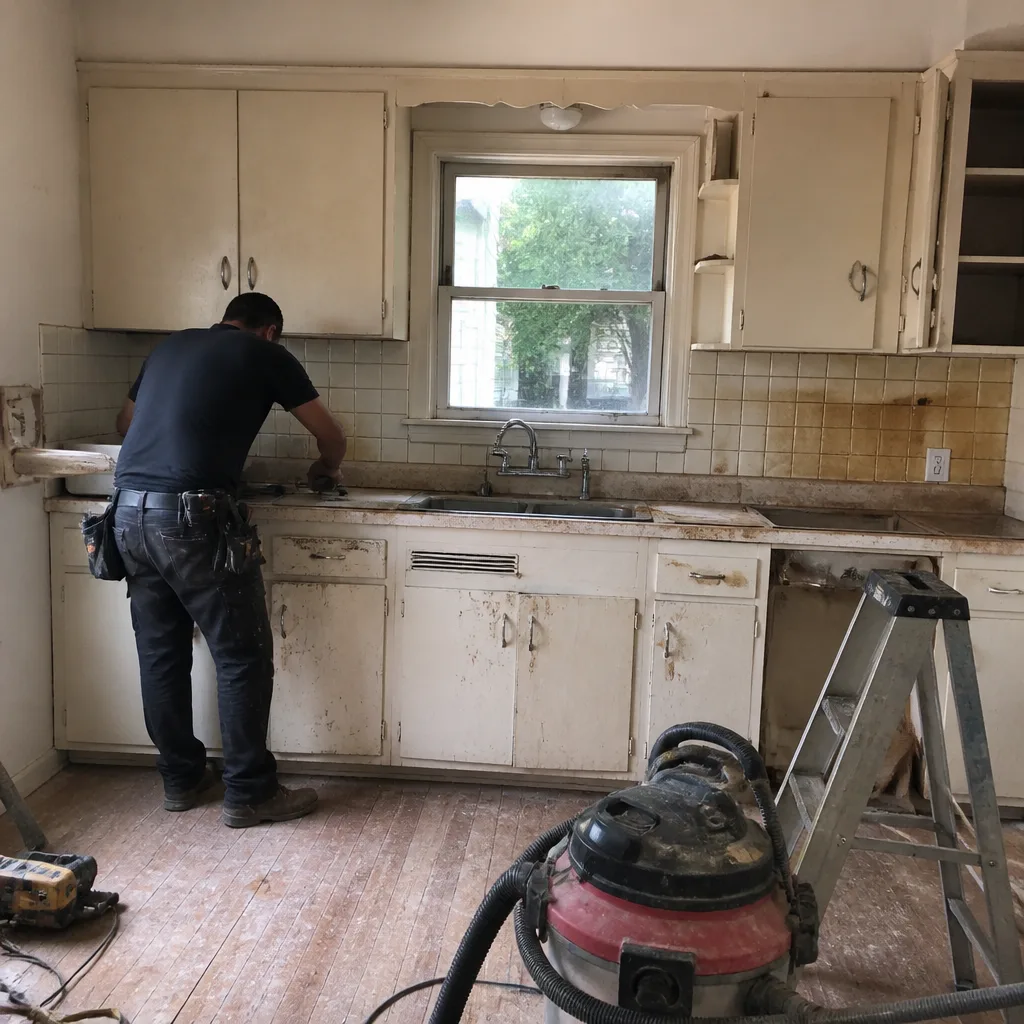
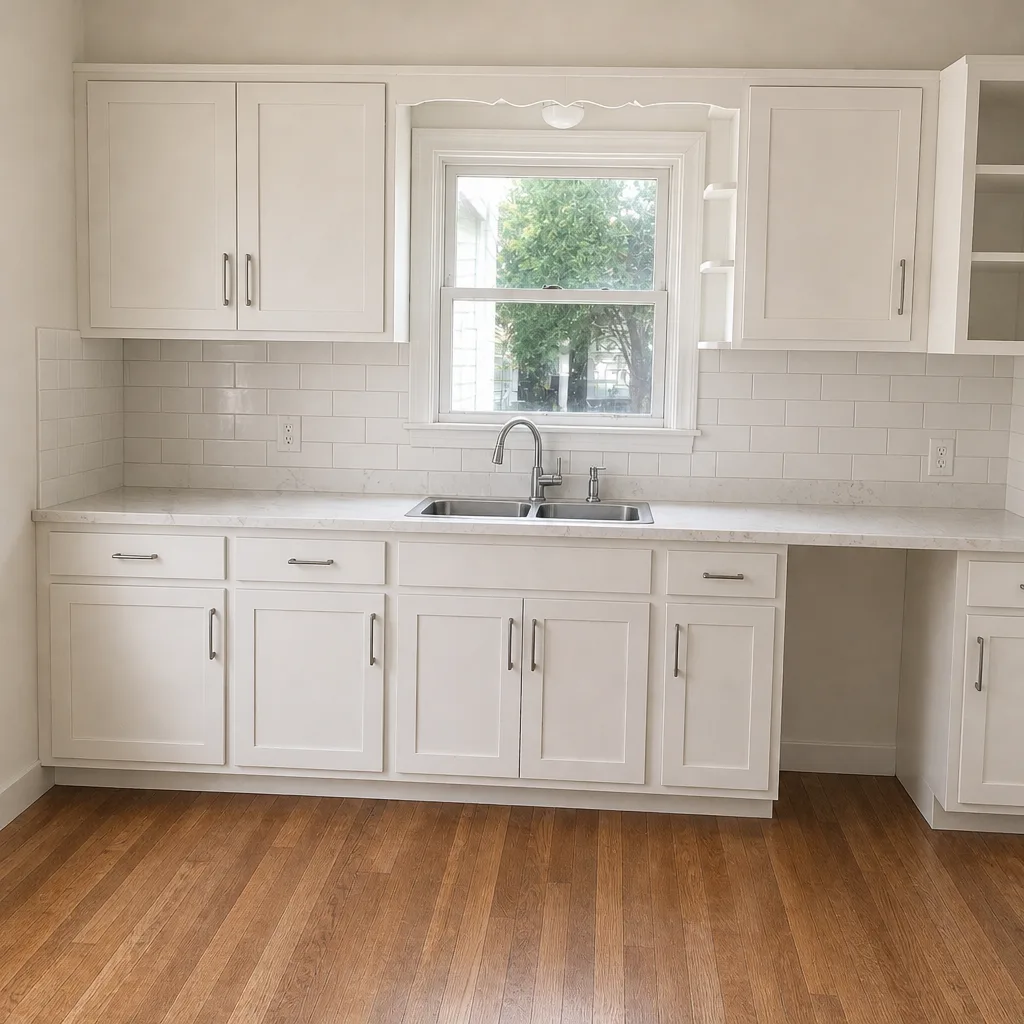
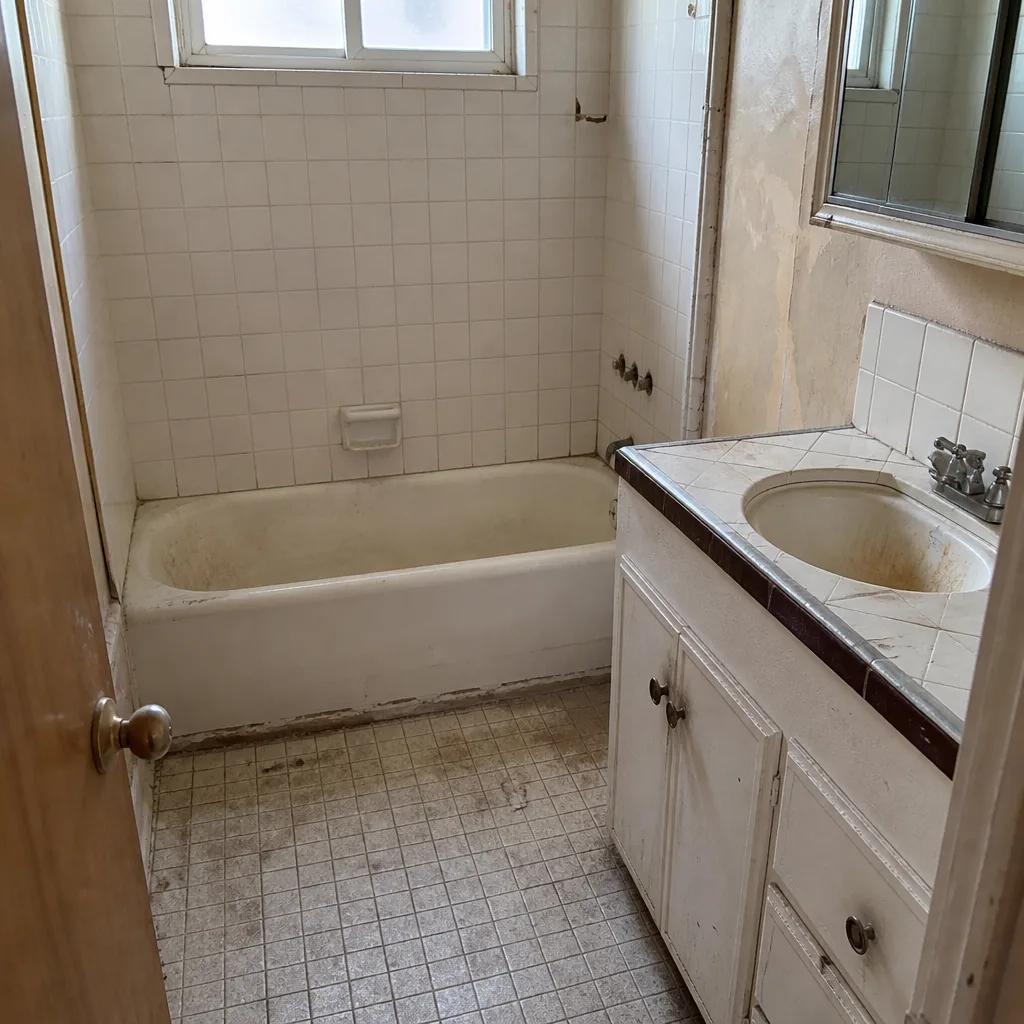
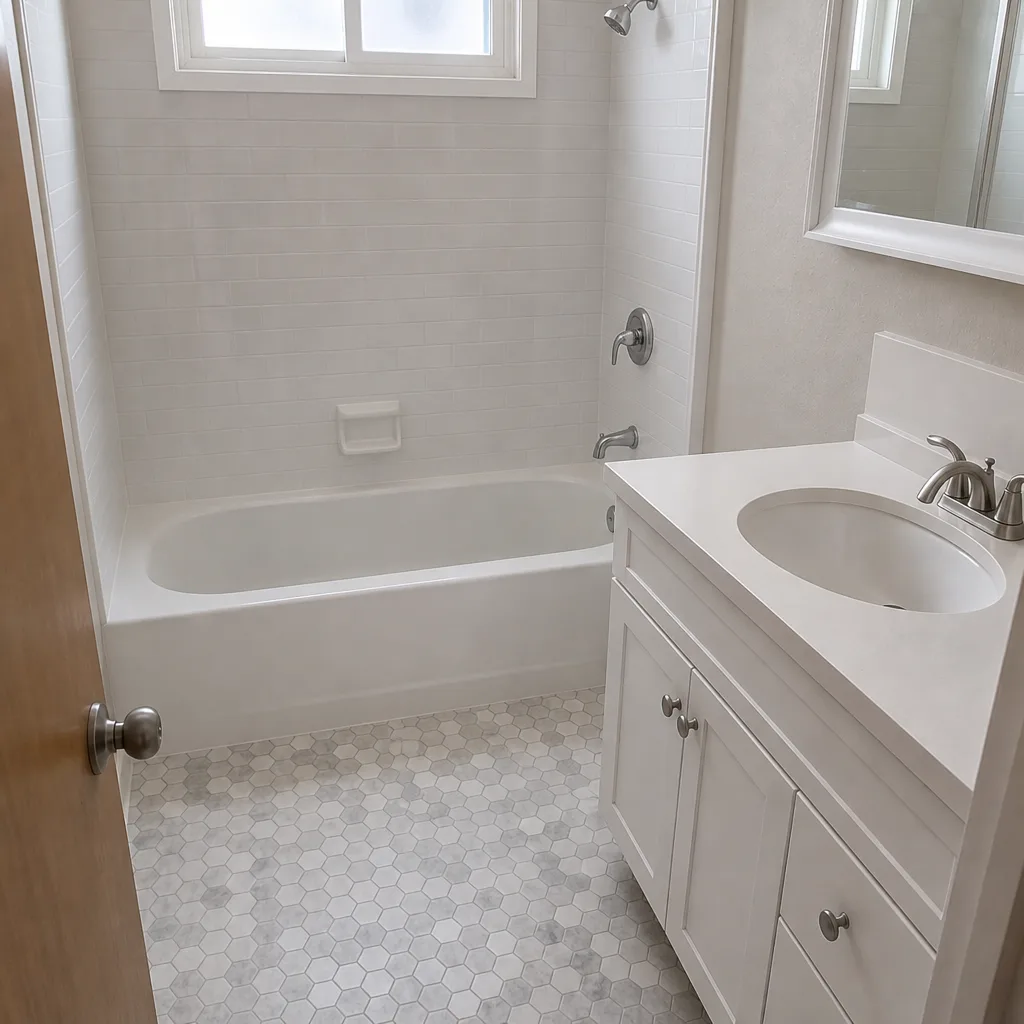
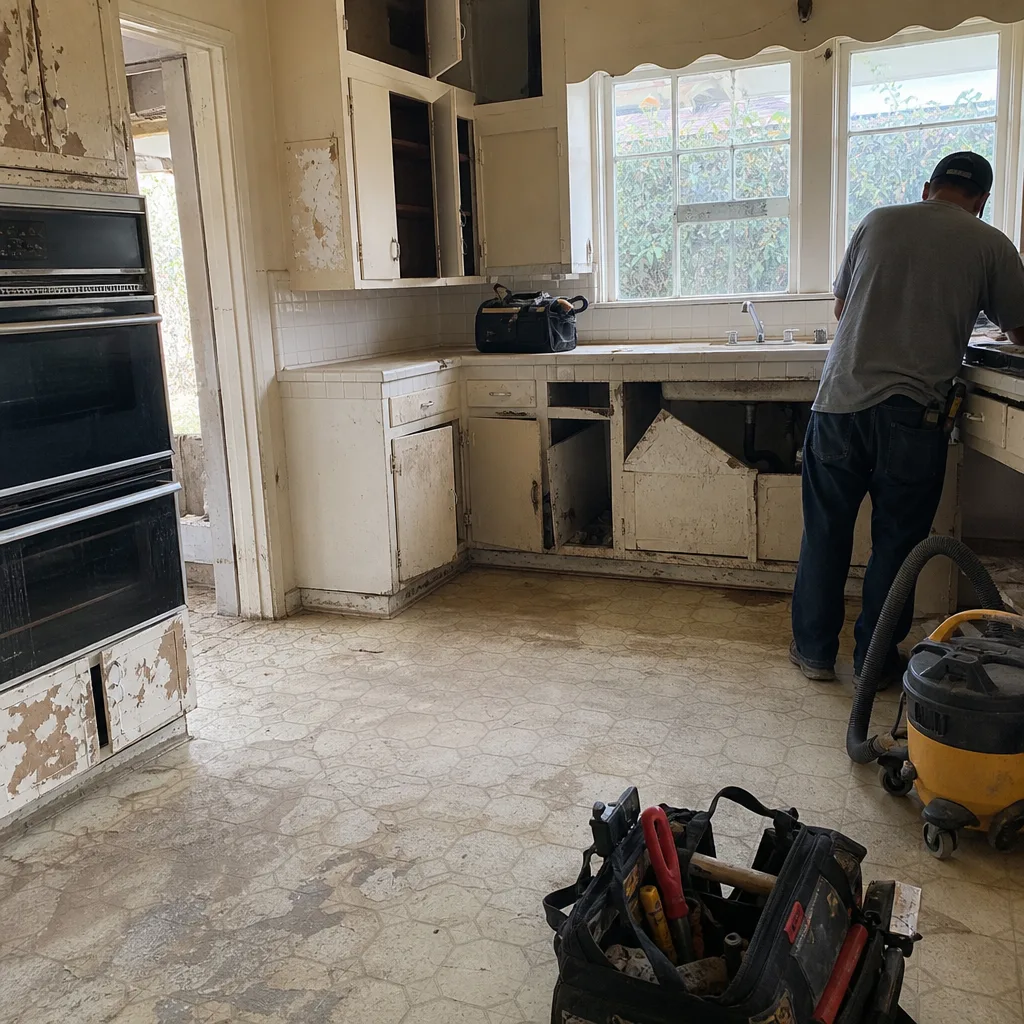
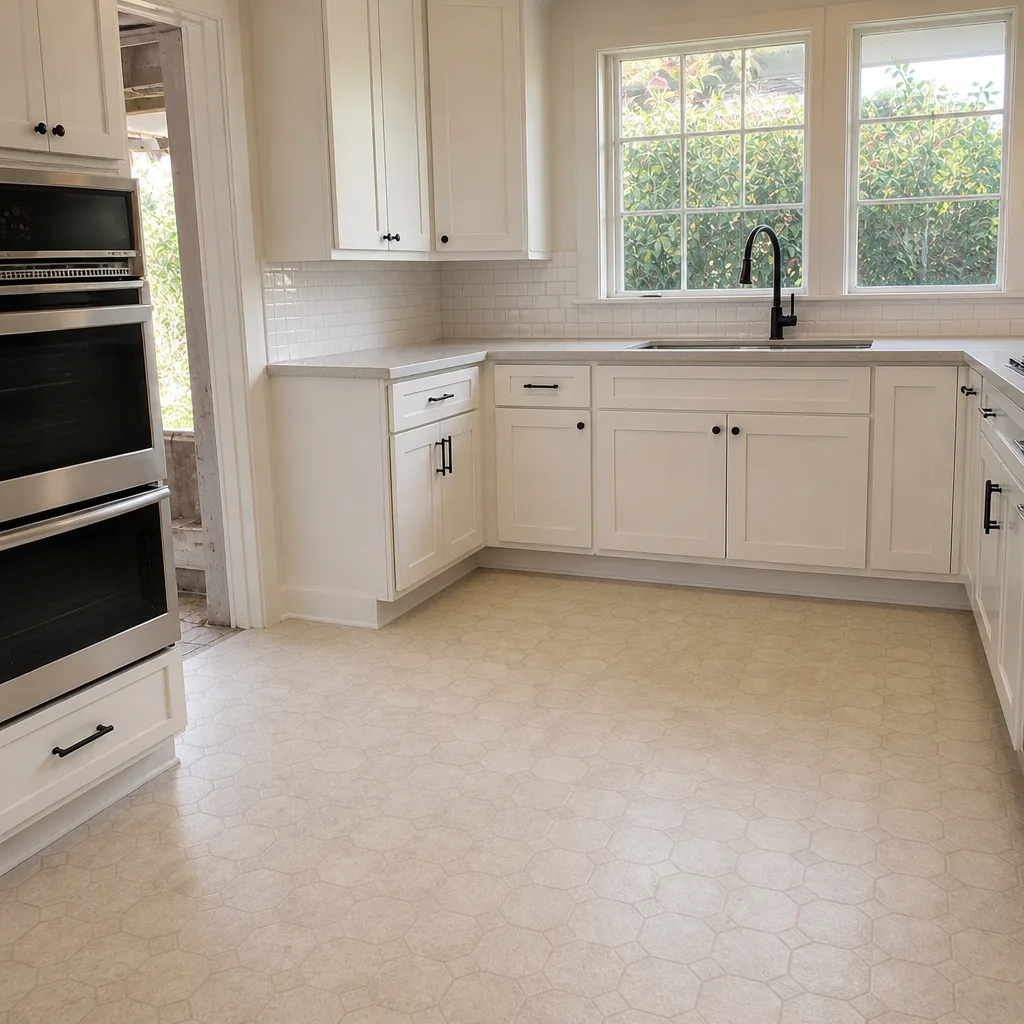
See the difference
 Before
 After
 Before
 After
 Before
 After
When to Call a Professional
Some of this guide is maintenance you can handle yourself: putting up a tarp, moving the downspout, hanging a gutter extension, having the HVAC tuned in fall. Other pieces of it fall on the wrong side of the line, and that line is not negotiable. Call a professional when you’re dealing with electrical panels, gas lines, load-bearing structural changes, roof work at height, foundation repairs, or anything that touches the permitted scope of the home. Ember-resistant vent installation, fire-rated roof assemblies, and defensible space compliance fall in the same bucket. Bradford Remodeling Co Pasadena offers free estimates in Pasadena, gives a written price before any work starts, and backs completed work with the 365-Day Done Right Promise. Call (888) 841-5410 to schedule your free estimate.
Frequently Asked Questions
The best window is spring (March through May) or fall (September through November), when temperatures sit mostly between 60°F and 80°F and the marine layer keeps moisture levels manageable. Summer heat and Santa Ana wind events are both adhesion failures waiting to happen. Call (888) 841-5410 for a written estimate that names the weather cutoffs, so the schedule isn’t a gamble.
Yes. Most of Pasadena’s rain falls between December and March and arrives in concentrated storm events that can drop several inches in a couple of days. That’s not a reason to pause the house; it’s the diagnostic season. Photograph water pooling, foundation staining, and flat-roof bubbling while it’s visible, and call (888) 841-5410 once you have that record.
Concrete cures best between about 50°F and 75°F, and most tile and trim adhesives publish a similar application range. In a Pasadena summer, an 8 a.m. start at 72°F can become 95°F by noon, dropping surface strength and increasing the chance of hairline cracking. Schedule concrete pours and adhesive-dependent work in spring or fall, and get the schedule in writing with your estimate.
Exterior work can be scheduled during fire season, but the plan should specify how the crew manages wind events, spark sources near dry brush, and staging of combustible materials. If the job involves a deck rebuild, roof replacement, or siding near the wildland interface, materials and vent configuration should reflect fire-safe standards. A written scope names those choices before the first tool comes out. Call (888) 841-5410 to schedule a walkthrough.
Fall is generally the cheapest and most reliable time to schedule HVAC work in Pasadena, because the summer emergency call volume has dropped and the crew isn’t being pulled in three directions. The same changeout in October is usually scheduled faster than the same job in July. Call for a written price before the work is booked, so there’s nothing to negotiate at the door.
Exterior painting and stucco work on a typical single-story home in Pasadena runs about 5 to 10 working days, weather permitting, and a roof replacement runs 2 to 4 days. The range matters less than the weather contingency built into the schedule. A written project plan names the fallback dates, so a Santa Ana event doesn’t turn into an unbudgeted stop. Call (888) 841-5410 for a scoped timeline and written price.
The Bottom Line
Pasadena’s construction calendar is not four equal seasons. It’s two reliable work windows in spring and fall, a fire-risk stretch that reshapes exterior planning, and a concentrated rainy season that turns your house into its own diagnostic report. Plan structural and concrete work in spring, schedule HVAC and attic work in fall, document damage during winter rains, and keep any exterior job clear of Santa Ana events. Do that, and the year’s construction work becomes predictable. Skip it, and you’ll be calling a contractor on the worst weather day of the year. Either way, a written price and a written guarantee are the two things that should never be optional. Bradford Remodeling Co Pasadena works from these cycles every day, and the estimate you get is in writing before any tool comes out. Our Bradford Remodeling Co Pasadena home page is the place to start, and (888) 841-5410 reaches a live person, 24 hours a day.
Written by the team at Bradford Remodeling Co Pasadena.