Last updated November 18, 2026



Free written scope consultation - allowances, timeline, and change-order rules on paper before a single trade is scheduled
How to Hire a Construction Contractor in Pasadena: A Step-by-Step Guide
California law gives an unlicensed contractor the right to walk off your job and keep your deposit under certain conditions. Most Pasadena homeowners who’ve been burned didn’t know that before they signed. The advice you’ve heard – get three bids, check reviews, verify the license – is fine as far as it goes, but it stops right where the real protection starts: the contract. This guide walks you through what actually holds up when a job goes sideways, from reading a CSLB license classification to structuring a payment schedule and a punch list so the last check closes the job. If you’re hiring in Pasadena, these are the steps that matter.
Quick Answer
To hire a construction contractor in Pasadena, verify the license number and classification on the CSLB website, confirm the written scope of work names materials and quantities, never pay more than 10% down before work begins, and hold back final payment until a signed punch list is complete. The contract, not the bid, is what protects you. Get every price and every guarantee in writing before any tools come out.
Styles & brands we work with
- Kitchen remodeling
- Bathroom remodeling
- Home additions & ADU
- Roofing
- Windows & doors
- Driveway & pavers
- Fence
Table of Contents
- Step 1: Verify the License and Understand the Classification
- Step 2: Get a Written Scope of Work That’s Actually Enforceable
- Step 3: Compare Bids on Scope, Not Just Price
- Step 4: Structure a Payment Schedule That Protects You
- Step 5: Understand Lien Waivers (Conditional vs. Unconditional)
- Step 6: Run a Final Walkthrough and Punch List
- What’s Different About Hiring in Pasadena
Step 1: Verify the License and Understand the Classification
Every contractor working on a project over $500 in labor and materials in California must hold a license from the Contractors State License Board. That’s the baseline. What most homeowners skip is the classification, and the classification is what tells you whether the contractor is even legally allowed to do your project.
Look up the license number on the CSLB website. It’s free, it takes two minutes, and it tells you the license status, the classification, the bond and workers’ comp status, and any disciplinary history. If a contractor gives you a number that doesn’t return a match, stop there. If they say “we’re licensed” but won’t hand over the number, that’s your answer too.
Here’s what the classifications mean for common Pasadena projects:
- B – General Building Contractor: Can build, remodel, and repair structures, and can subcontract specialty trades. This is what you want for a whole-home remodel or an addition.
- A – General Engineering Contractor: Fixed works like roads, earthmoving, and some structural site work. Not usually what a kitchen or bath falls under.
- C-39 – Roofing, C-36 – Plumbing, C-10 – Electrical: Specialty licenses. A roofer with C-39 is licensed for roofing only and can’t legally take on your full remodel.
- C-33 – Painting, C-54 – Tile: Narrow scopes. Useful on a specialty job, not as the prime contractor for a remodel.
A General Contractor in Pasadena operating under a B license can pull the permits and manage the trades. If the person you’re talking to holds a C-39 and is pitching a full kitchen, you’ve found a mismatch before you’ve signed anything.
Step 2: Get a Written Scope of Work That’s Actually Enforceable
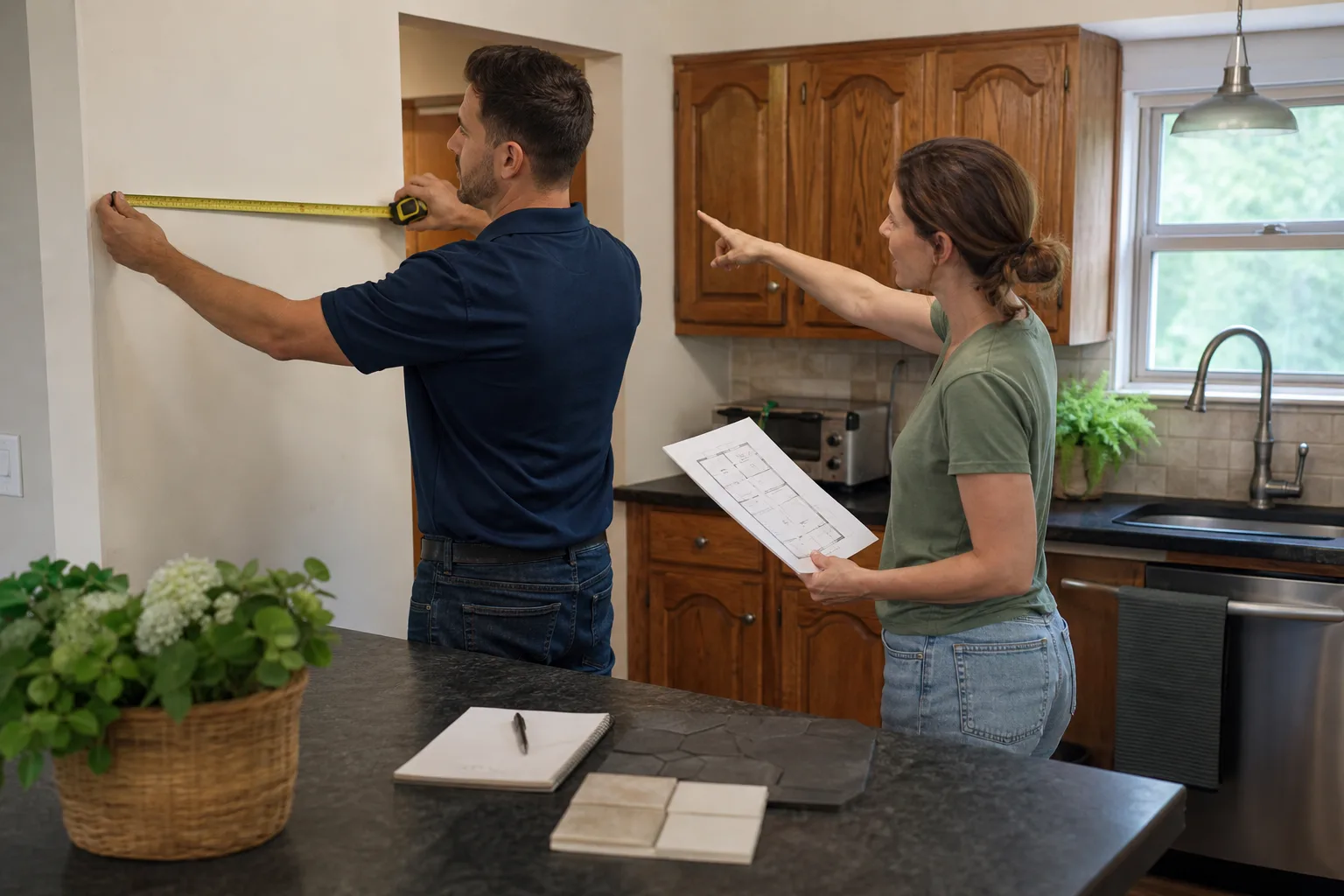
A scope of work is the document that defines what the contractor will deliver. When it’s written tight, it’s the single most protective thing in the file. When it’s vague, it’s the door through which change orders walk in. The difference shows up in the details.
An enforceable scope names brands, models, quantities, and dimensions. “Install new cabinets” is not a scope. “Install KraftMaid Pendleton maple cabinets, 42-inch uppers, 18 linear feet, with soft-close hardware” is. The same rule applies to doors and windows: “Therma-Tru fiberglass entry door, model specified” is a scope, “new front door” is a conversation waiting to go wrong.
Watch for the three vague phrases that most reliably signal a contractor who plans to change order you later:
- “As needed” – for drywall repair, framing, or “miscellaneous carpentry.” Undefined quantities mean the meter runs after you’ve signed.
- “Builder-grade” – this is not a product, it’s a tier. It tells you nothing about what will actually be installed and gives the contractor room to swap in whatever’s cheapest that week.
- “Allowance to be determined” – a line item with no number is not a price. An allowance is fine when it’s a stated dollar figure with a defined adjustment process, but a blank is an open tab.
Ask for the scope in writing before you get to the number. A disciplined contractor hands it to you without being asked twice. In Pasadena, where a lot of the housing stock is pre-war and surprises behind the plaster are common, a well-written scope will include a line on how unforeseen conditions get priced – the rate, in writing, before it’s needed.
Step 3: Compare Bids on Scope, Not Just Price
Three bids with wildly different numbers usually aren’t three prices for the same job. They’re three different jobs. One bidder scoped new cabinets, one scoped refaced, and one didn’t include the plumbing rough-in at all. Comparing them by bottom line is comparing apples to a bag of nails.
Put the bids side by side against the scope line by line. What’s excluded matters as much as what’s included. Common items that quietly drop out of a bid:
- Permit fees and plan check costs
- Dumpster and debris removal
- Protection for floors and furniture in the work zone
- Any paint or touch-up after finish trades
- Final inspection scheduling
The bid that’s 30% lower is almost always the bid that left something out, and the something shows up as a change order in week three. The reliable comparison is this: put every bid at the same scope, then read the number. If one bid is still dramatically lower at the same scope, ask the contractor to walk you through their labor assumptions. Sometimes the answer is that they’re more efficient. More often the answer is that they’re planning on a slimmer crew that will stretch the timeline – or they’re planning on the change order.
We mention this because it’s the same trap that sends homeowners into a bad relationship with the whole process. Read the scope before you compare the number, every time.
Step 4: Structure a Payment Schedule That Protects You
California’s Business and Professions Code limits the down payment a contractor can collect before work begins. For most home improvement contracts, the deposit can’t exceed $1,000 or 10% of the contract price, whichever is less, with some exceptions for special-order materials. A contractor asking for 30% or 50% up front is asking you to break the law or to fund work that hasn’t happened yet. Both are signs to walk.
A sound payment schedule is built on progress milestones, not calendar dates. Each payment should be tied to a verifiable stage of work, and a healthy portion should be held until the job is closed out and inspected.
The structure that works:
- Deposit (up to 10% or $1,000): covers permit applications and initial material orders.
- Rough-in complete: after framing, plumbing rough-in, and electrical rough-in, paid only after the local inspector signs off.
- Drywall and finish start: during the finish phase, when visible progress is measurable.
- Substantial completion: when all trades are done and the punch list is the only open item.
- Final payment (5% to 10% held back): released only after the punch list is signed off and final inspection passes.
Any schedule that asks for the last big payment before the job is done deserves a hard question. A contractor with a disciplined process expects to be paid at the end because they’ve structured the job to get there. If the money is fully spent before the last tile is set, the job has no remaining leverage. Hold it back.
Step 5: Understand Lien Waivers (Conditional vs. Unconditional)
A mechanic’s lien is a claim against your property by someone who did work or supplied materials and didn’t get paid. Even if you paid the general contractor in full, an unpaid subcontractor or material supplier can file a lien on your home, and in California that lien can cloud your title until it’s resolved. Lien waivers are the paperwork that prevents this. There are two kinds, and the difference matters.
Conditional lien waiver: the waiver becomes effective only when the payment it references actually clears. This is what you request with every progress payment. It protects you from paying twice: if the check didn’t clear, the waiver doesn’t apply.
Unconditional lien waiver: effective the moment it’s signed, whether or not the payment clears. Use this only at final close-out, when you’ve verified the payment went through. An unconditional waiver signed before payment is money gone and a lien right still alive.
Request a conditional waiver from the general contractor on every progress payment, and copies of the subcontractor waivers that back it up. At final, get an unconditional waiver conditioned on the final payment clearing. Keep all of it in the job file. If your contractor doesn’t know what a conditional waiver is, or brushes it off as paperwork, that’s a real signal. This is standard practice on every commercial job and it belongs on every Pasadena residential one too.
Step 6: Run a Final Walkthrough and Punch List
The punch list is how the last payment closes the job instead of turning into a negotiation. Run it as a structured walkthrough, not a casual look-around, and write every item down on the same day.
Walk the job in order: entry first, then every room, then the exterior. Check doors and windows for operation and finish, check every switch and outlet, run the faucets, look at grout lines and caulk, and check paint for holidays and drips. Outside, check gutters, soffit, fascia, and any threshold or sill where the trim meets the wall.
A punch list that holds up has each item as a specific, observable condition with a location. “Kitchen – north wall outlet at counter height has no cover plate” is a punch list item. “Touch up paint” is a wish. Sign and date the list along with the contractor. Note the completion date and the hold-back amount still owed. When the items are done, you and the contractor sign the completed list, the final payment is released, and the job is squared away: clean site, documented scope, and a signed written guarantee in your hand.
Every Bradford Remodeling project carries the 365-Day Done Right Promise, a full-year written guarantee. If something we completed fails inside that window, we come back and correct it at no charge. The punch list closes the job; the guarantee covers the year after.
What’s Different About Hiring in Pasadena
Pasadena is a city of old housing stock, and old housing stock is where contracting gets interesting. A large share of the homes in neighborhoods like Bungalow Heaven and the streets around Caltech date to the 1910s through the 1940s. That means lath-and-plaster walls rather than drywall, knob-and-tube wiring in some attics, and original cast-iron plumbing that a previous remodel may have spliced into copper in a way that’s worth checking before you build on top of it. A contractor who hasn’t worked in Pasadena homes will scope a project as if the walls were modern. Then they open them.
Permitting runs through the City of Pasadena’s building division, and the city takes its historic districts seriously. If your home is in a designated historic district or is a designated landmark, exterior changes may require additional review before a permit issues. A contractor who pulls permits as a matter of course, and who can tell you which overlay applies to your address, will save you weeks compared to one who finds out mid-project.
Climate matters too. Pasadena’s dry summers and the Santa Ana wind events that push through the San Gabriels put a real load on exterior assemblies. The east- and south-facing walls take the sun, and composite trim and fiberglass doors hold up better there than the wood products they replaced. When you’re scoping exterior work, ask what happens to the material in fifteen summers of Pasadena sun, not what it looks like on day one.
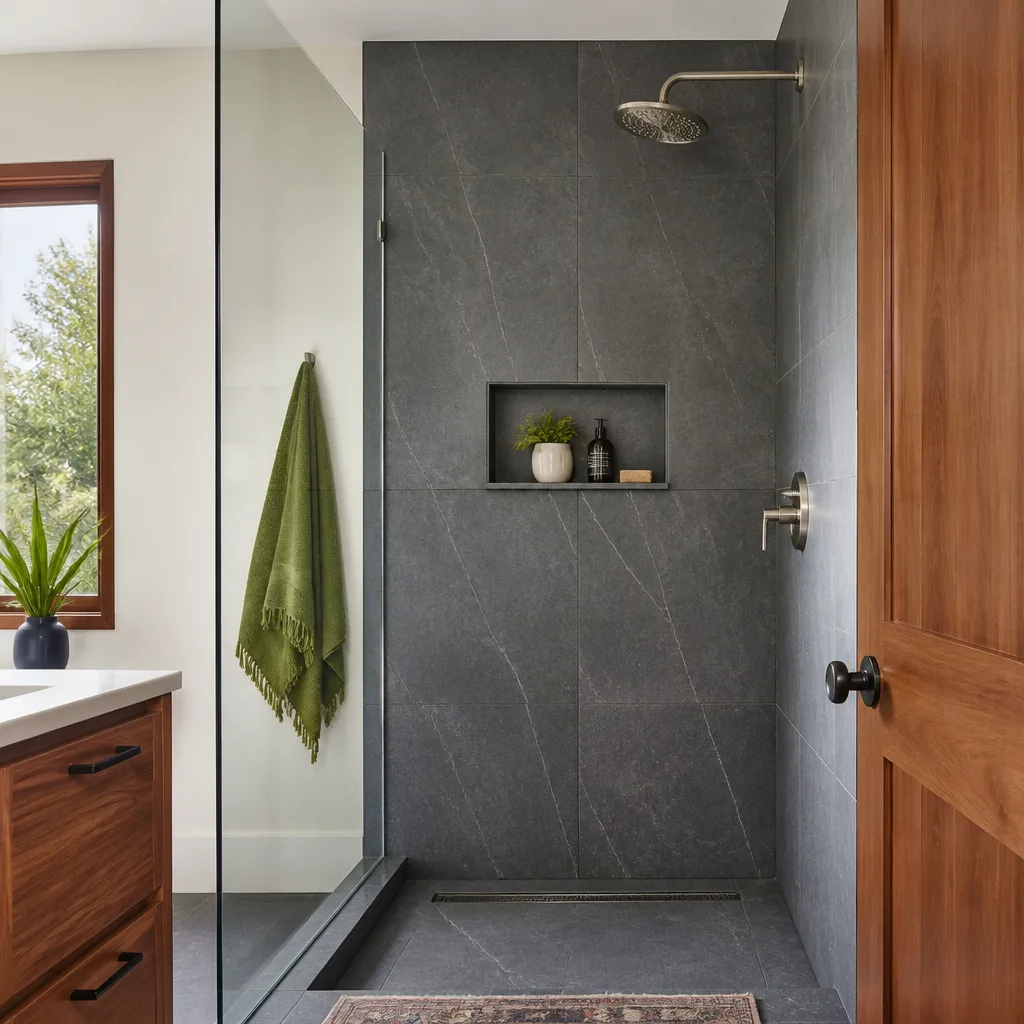
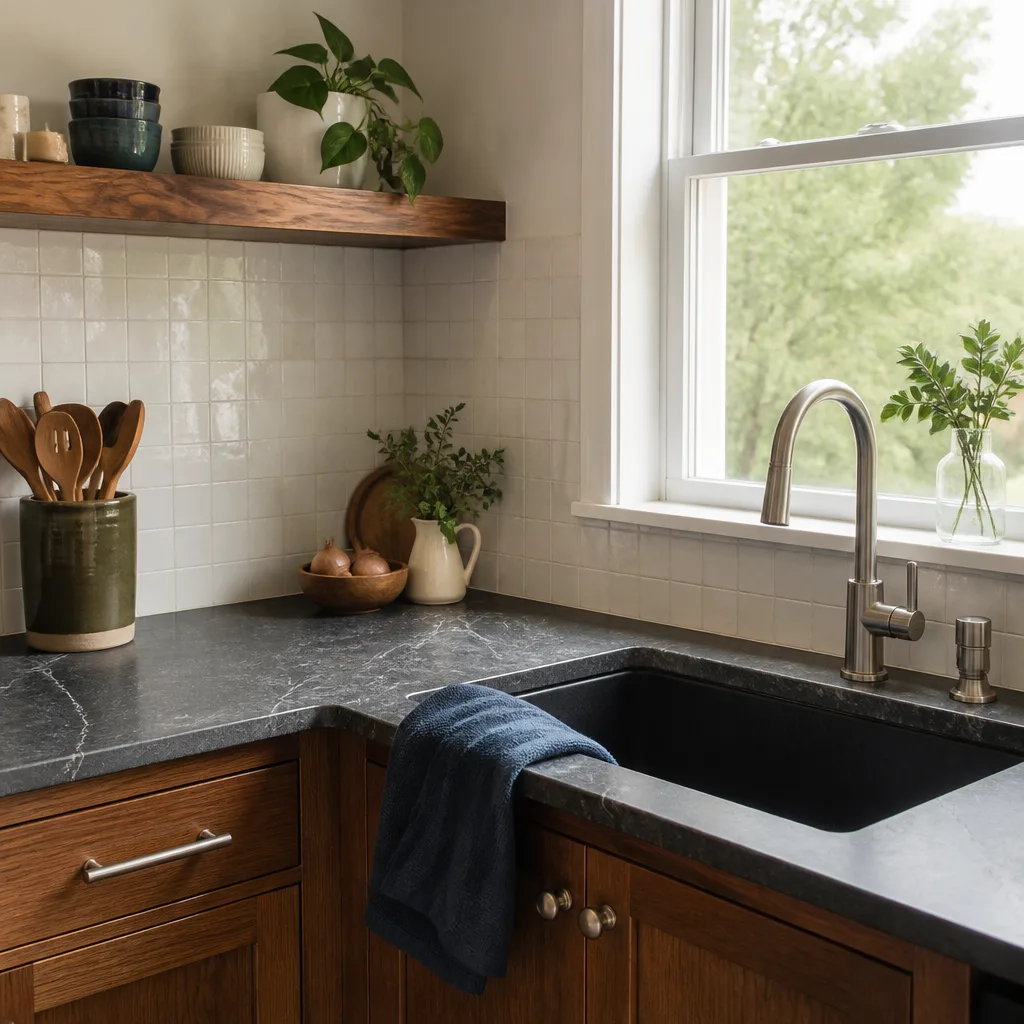
For a project that touches the kitchen or bath, the details are where the local knowledge shows. You can see our approach to Kitchen Remodeling in Pasadena and Bathroom Remodeling in Pasadena for how we scope those projects, including the rough-in work that tends to get skipped in a lower bid.
Common Mistakes to Avoid
- Paying more than 10% down before work begins. California law limits the deposit to $1,000 or 10%, whichever is less, for most home improvement contracts. A contractor asking for more has already told you something about how the rest of the job will go.
- Comparing bids without comparing scopes. The lowest number is usually the thinnest scope. Line up each bid against the same spec before you look at the total, or you’re comparing the price of three different jobs.
- Skipping the CSLB look-up because the contractor “seemed legitimate.” A referral and a friendly first meeting don’t replace two minutes on the CSLB website. A license number that doesn’t return a match is the end of the conversation.
- Letting the scope slide on brands. “New cabinets” and “KraftMaid Wellborn maple, model specified” are not the same line item. Name the product, the model, and the size in the contract, or the swap is legal.
- Releasing final payment before the punch list is complete. Once the last check clears, you’ve lost your leverage. Hold 5% to 10% until the punch list is signed and the final inspection passes.
- Ignoring lien waivers until a title search turns one up. An unpaid subcontractor on your job can file a lien on your Pasadena property even if you paid the general contractor in full. Conditional waivers on every progress payment close that gap.
- Not asking about historic-district review in Pasadena. If your home is in a designated district, exterior changes can need extra review before the permit issues. Ask up front and save the weeks.
See the difference
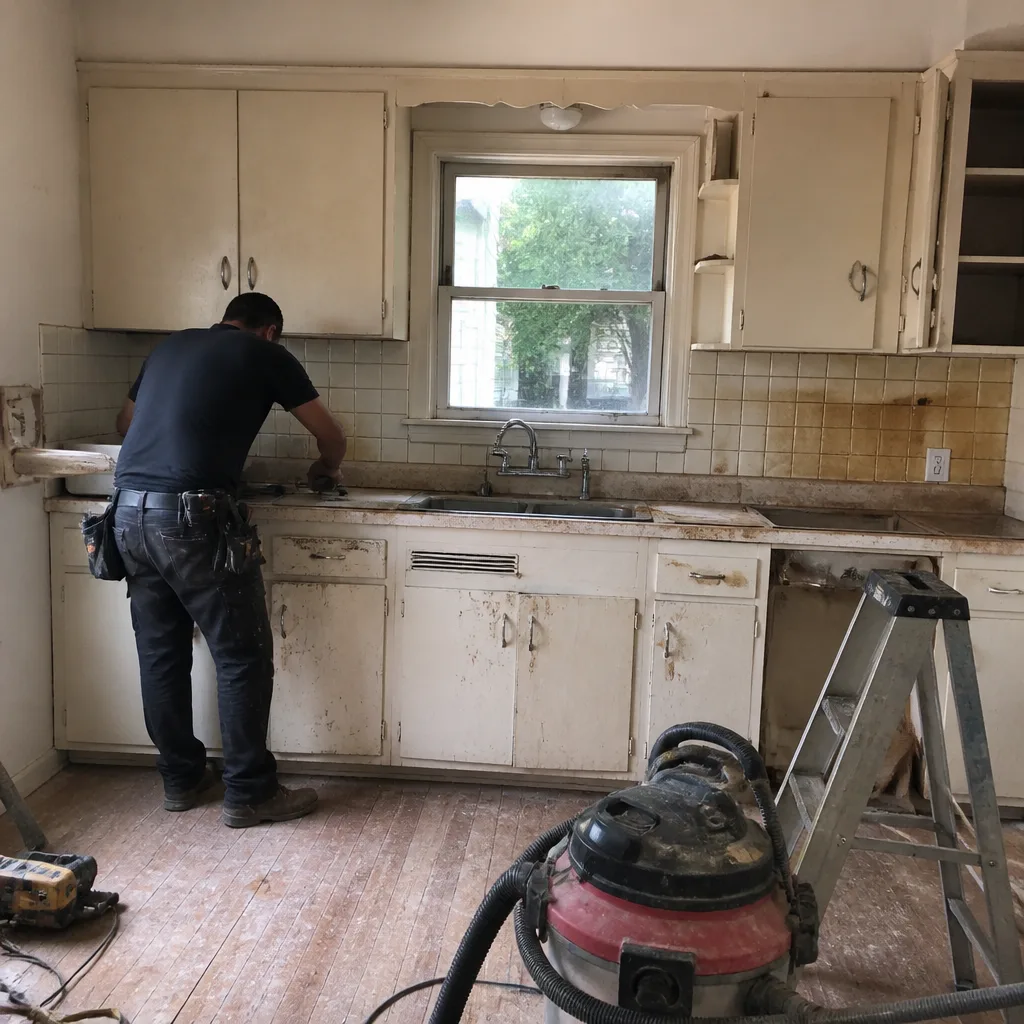 Before
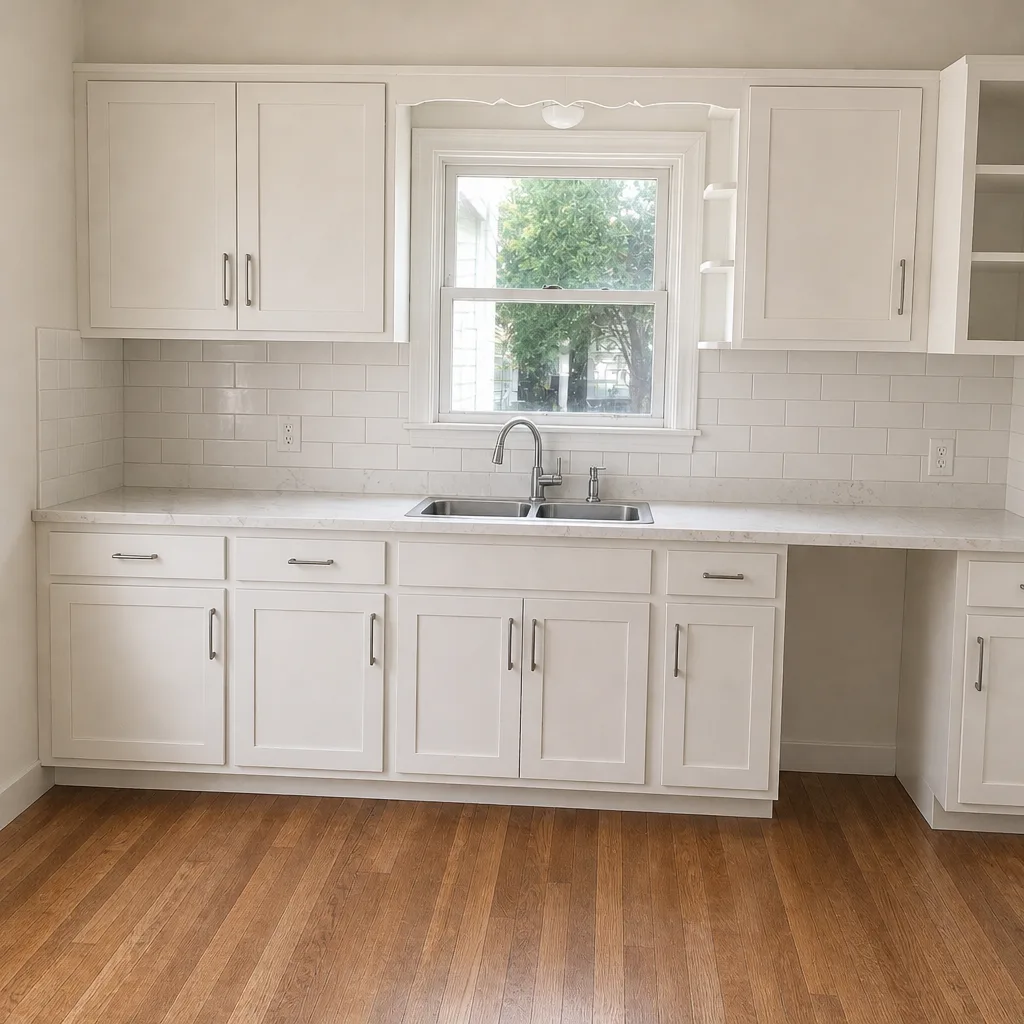 After
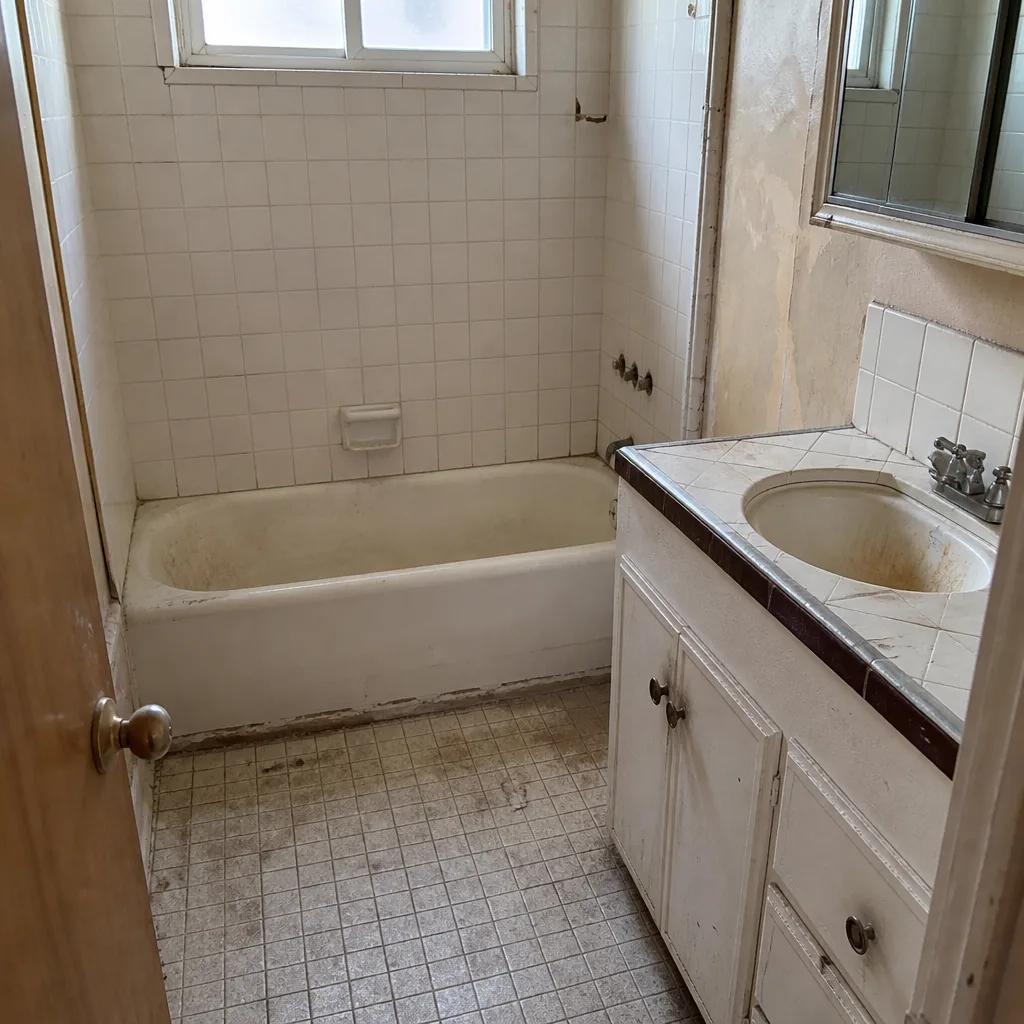 Before
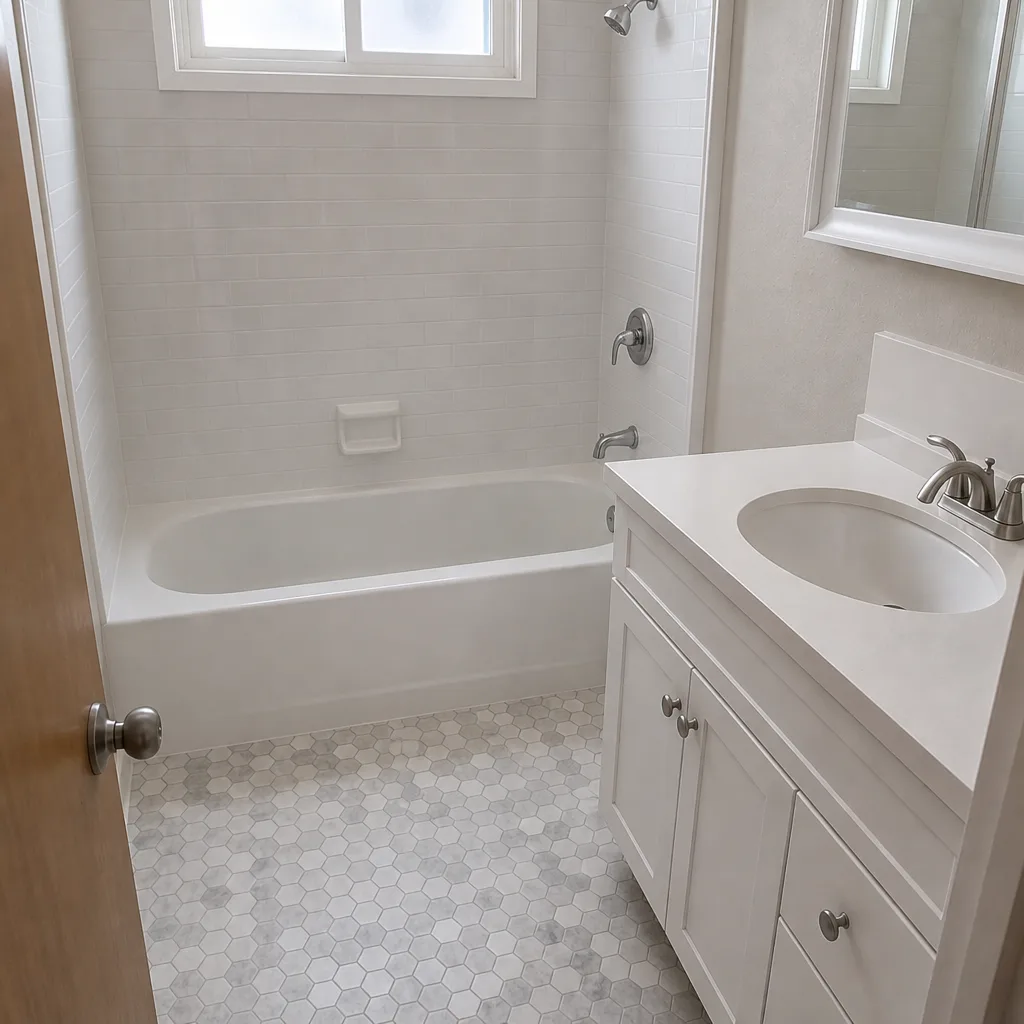 After
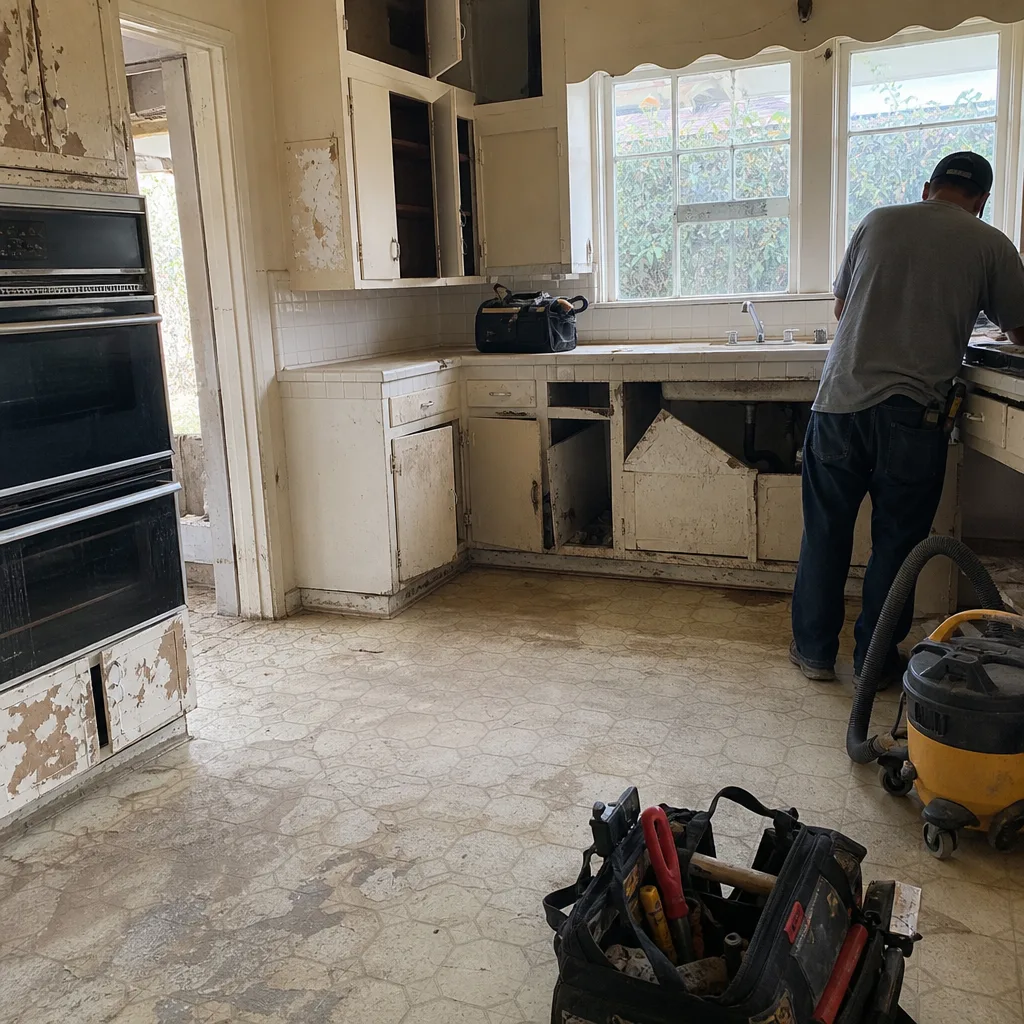 Before
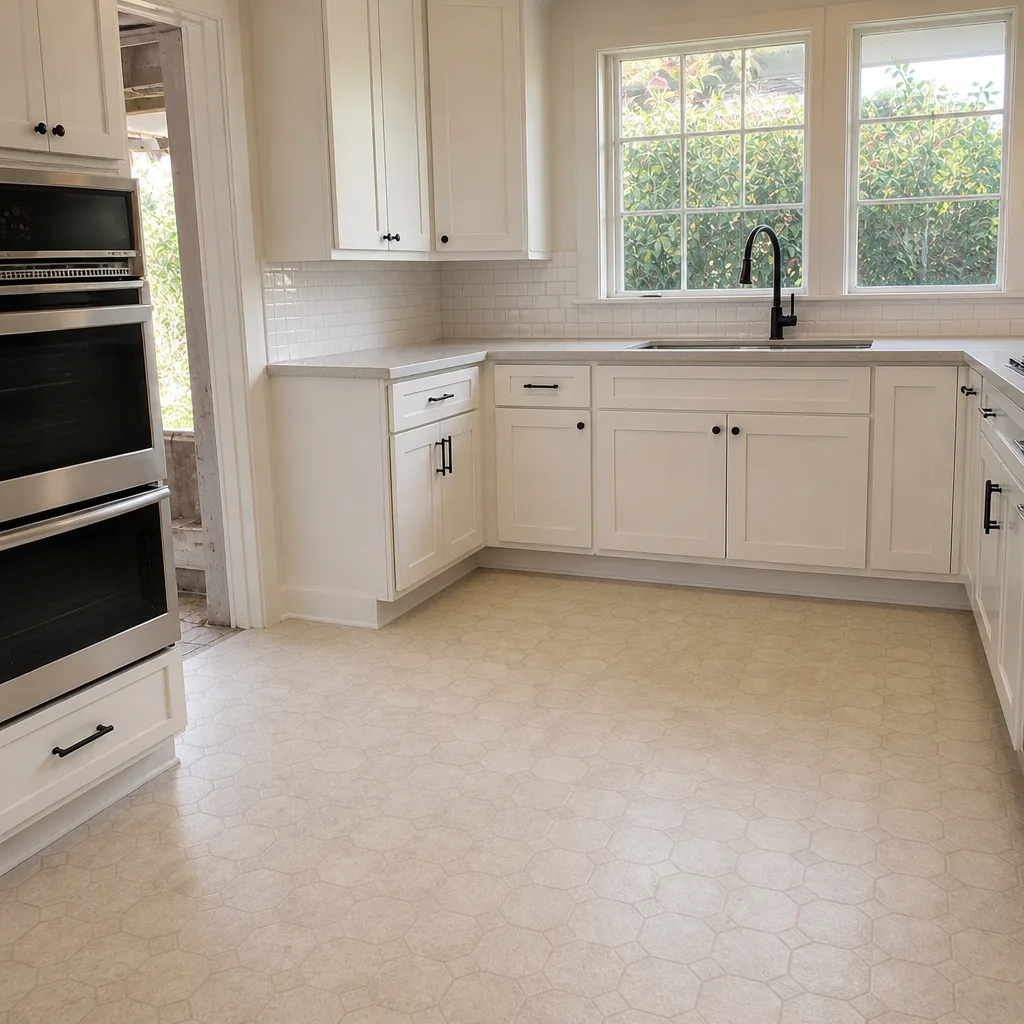 After
When to Call a Professional
Not every job needs a general contractor, but several need one without debate. Anything that touches the structural system, moves a load-bearing wall, or changes the footprint of the home is a licensed-contractor job in Pasadena and everywhere else in California. So is any project that requires a permit, which includes most electrical work beyond swapping a fixture, gas line changes, and any plumbing re-pipe. A kitchen or bath remodel that involves tearing out walls and running new rough-in is professional territory: the sequencing, the inspection schedule, and the trade coordination are what a general contractor brings.
Roof replacement and exterior work on a home with more than three stories or a steep pitch are not homeowner work; the fall hazard is real and a licensed roofer is the right call. And any time a project involves asbestos or lead from an older Pasadena home, stop and call a professional. Those are specialty remediations with their own licensing and their own safety rules.
Bradford Remodeling Co Pasadena offers free estimates in Pasadena. Call (888) 841-5410 to schedule yours. A live person answers the phone 24 hours a day, seven days a week, and we’ll walk you through the written scope and written price before you commit to anything.
Frequently Asked Questions
No more than $1,000 or 10% of the contract price, whichever is less, for most home improvement contracts in California. Anything above that, before the first delivery or the first day of work, is a red flag. A written payment schedule tied to progress milestones, not calendar dates, is the standard to hold. Call (888) 841-5410 for an exact quote and a written payment schedule before you sign – estimates are free.
Yes, on every progress payment. A conditional lien waiver only takes effect when the payment it references clears, which protects you from paying twice if a check doesn’t go through. Request a conditional waiver from the general contractor with each payment and copies of subcontractor waivers behind it. Save an unconditional waiver for the final close-out, once you’ve verified the payment cleared.
Look up the license number on the Contractors State License Board website. It returns the license status, classification, bond and workers’ comp status, and any disciplinary history in a couple of minutes. Confirm the classification matches your project: a B license for a full remodel, a C-39 for roofing-only, a C-10 for electrical. If a contractor won’t give you the number, don’t hire them.
It shouldn’t if the scope is written tight and the contract defines how unforeseen conditions get priced. Behind-wall surprises in older Pasadena homes are common, so ask for a stated rate for unforeseen work before you sign. A written price before work starts, with no numbers that move at the door, is the standard. Call (888) 841-5410 for a free estimate with a line-item written price.
Most full kitchens run 6 to 10 weeks from demolition to final inspection, longer if the project is in a historic district and the exterior scope requires additional review. Custom cabinetry lead times, plan check, and the city inspection schedule all affect the timeline. A written schedule tied to the scope, not a verbal estimate, is what to ask for. Call (888) 841-5410 for a free estimate and a written schedule for your project.
We pull permits as a matter of course, schedule every inspection, and don’t consider a job complete until the final inspection passes. We’re licensed and insured, and every project is covered by the 365-Day Done Right Promise, a written guarantee: if the work fails inside the year, we return and correct it at no charge. Call (888) 841-5410 to schedule a free estimate – estimates are free and the price is in writing before any work starts.
The Bottom Line
Hiring a contractor in Pasadena comes down to the paperwork, not the personality. Verify the CSLB license and the classification. Get a scope that names brands, models, and quantities in writing, and read the bids against that scope, not against each other. Keep the deposit inside the 10% limit, tie every payment to a verifiable milestone, hold the last 5% to 10% for the punch list, and collect conditional lien waivers on every progress payment. A contractor who runs on those rails won’t flinch when you ask for them. If you’d rather start with a written scope and a written price, we’re a phone call away.
Call (888) 841-5410 to schedule your free estimate in Pasadena. A real person answers, 24 hours a day, seven days a week. We’ll walk the project with you, put the scope and the price in writing before any work starts, and back the finished job with the 365-Day Done Right Promise, a full-year written guarantee. If it’s not done right, we make it right. For a fuller look at what we do and how we work, start at the Bradford Remodeling Co Pasadena home page.
Written by the team at Bradford Remodeling Co Pasadena.