Last updated November 18, 2026

Free written scope consultation - allowances, timeline, and change-order rules on paper before a single trade is scheduled
Construction Permits, Codes & Inspections in CA: What You Need to Know
An unpermitted addition in Pasadena doesn’t just create a problem at resale. It can void your homeowner’s insurance coverage for any claim that touches that structure, including fire and water damage to adjacent rooms. That’s the part most homeowners don’t hear until it’s too late. Permits aren’t bureaucratic friction. They’re the paper trail that protects your resale value, keeps your coverage valid, and proves a work was inspected by someone with no financial stake in cutting corners. This guide walks through what actually triggers a California permit, how Pasadena’s plan check and over-the-counter paths differ, what Title 24 energy rules do to a window or HVAC upgrade, and what you need to keep in a folder after the final inspection.
Quick Answer
In California, most structural, electrical, plumbing, and mechanical work requires a permit pulled from the local building department before work begins – and in Pasadena that means either over-the-counter approval for simple jobs (typically a day or two) or full plan check for anything structural, adding rooms, or altering the envelope (three weeks to three months, depending on scope). Skipping the permit doesn’t save money; it shifts the risk to you, your insurance, and your future sale.
Styles & brands we work with
- Kitchen remodeling
- Bathroom remodeling
- Home additions & ADU
- Roofing
- Windows & doors
- Driveway & pavers
- Fence
Table of Contents
- What Work in California Actually Requires a Permit?
- Plan Check vs. Over-the-Counter: The Pasadena Difference
- How Title 24 Energy Compliance Shapes Your Project
- What a Failed Inspection Actually Means
- The Paperwork That Protects Your Resale and Insurance
- How Unpermitted Work Gets Discovered – and What It Costs
- Common Mistakes to Avoid
- Frequently Asked Questions
What Work in California Actually Requires a Permit?
The honest answer is: more than most homeowners expect. California’s building code, adopted at the state level and enforced by each city, treats permits as a way of verifying life-safety systems. Pasadena enforces the 2022 California Building Standards Code as amended locally, and the categories that consistently require a permit are broad.
Work that generally requires a permit in Pasadena:
- Any structural change – moving, adding, or removing a load-bearing wall
- Additions, second-story work, and new square footage of any kind
- Roof replacement (not a patch under 100 square feet)
- Electrical panel upgrades, new circuits, and re-wiring
- Plumbing repiping, water heater replacement, and gas line changes
- HVAC replacement, ductwork changes, and new mechanical equipment
- Window and door replacement (yes, even like-for-like – Title 24 applies)
- Decks, patios, retaining walls over 4 feet, and pool/spa installation
Work that usually doesn’t require a permit:
- Interior paint, flooring, and cosmetic finishes
- Cabinet refacing and countertop swaps (with a caveat: if the swap touches plumbing or gas, it does)
- Fencing under 6 feet, freestanding and not on a property line
- Like-for-like fixture swaps that don’t alter wiring or plumbing
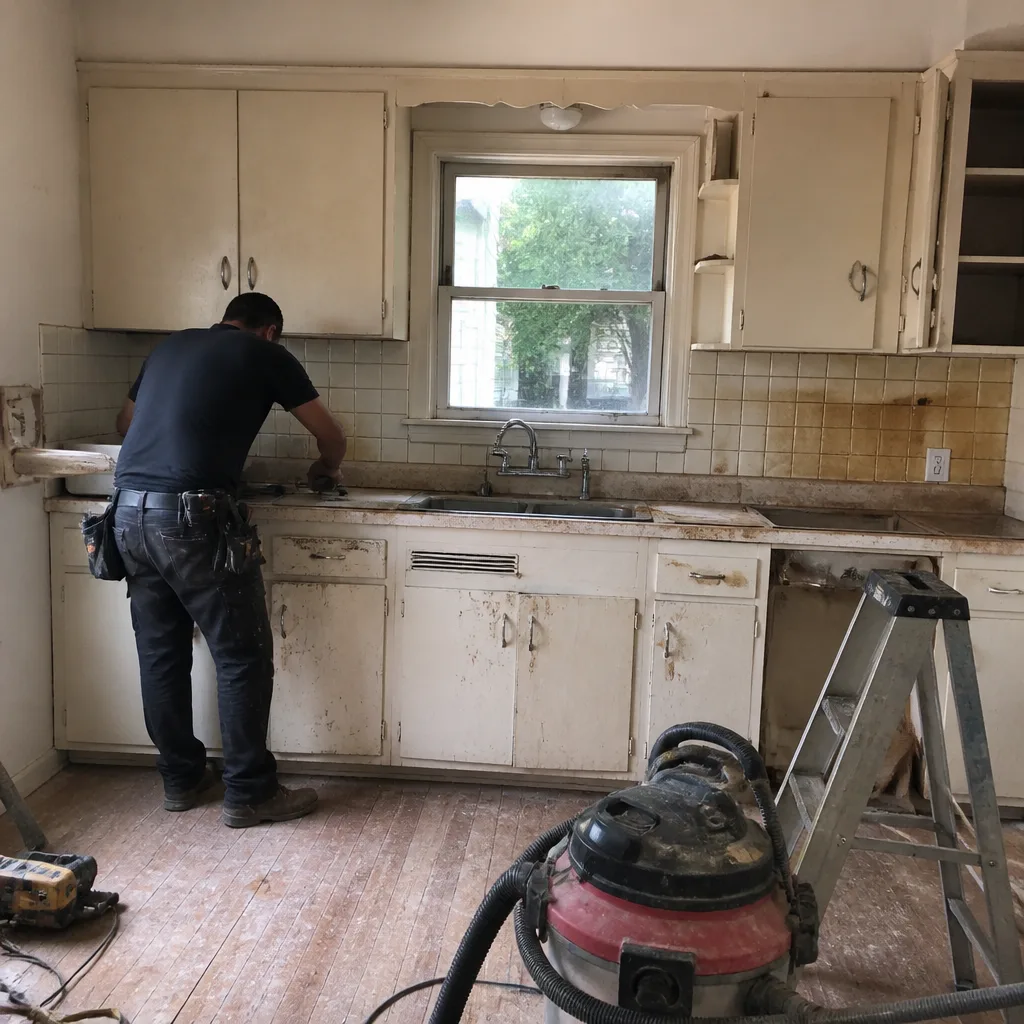
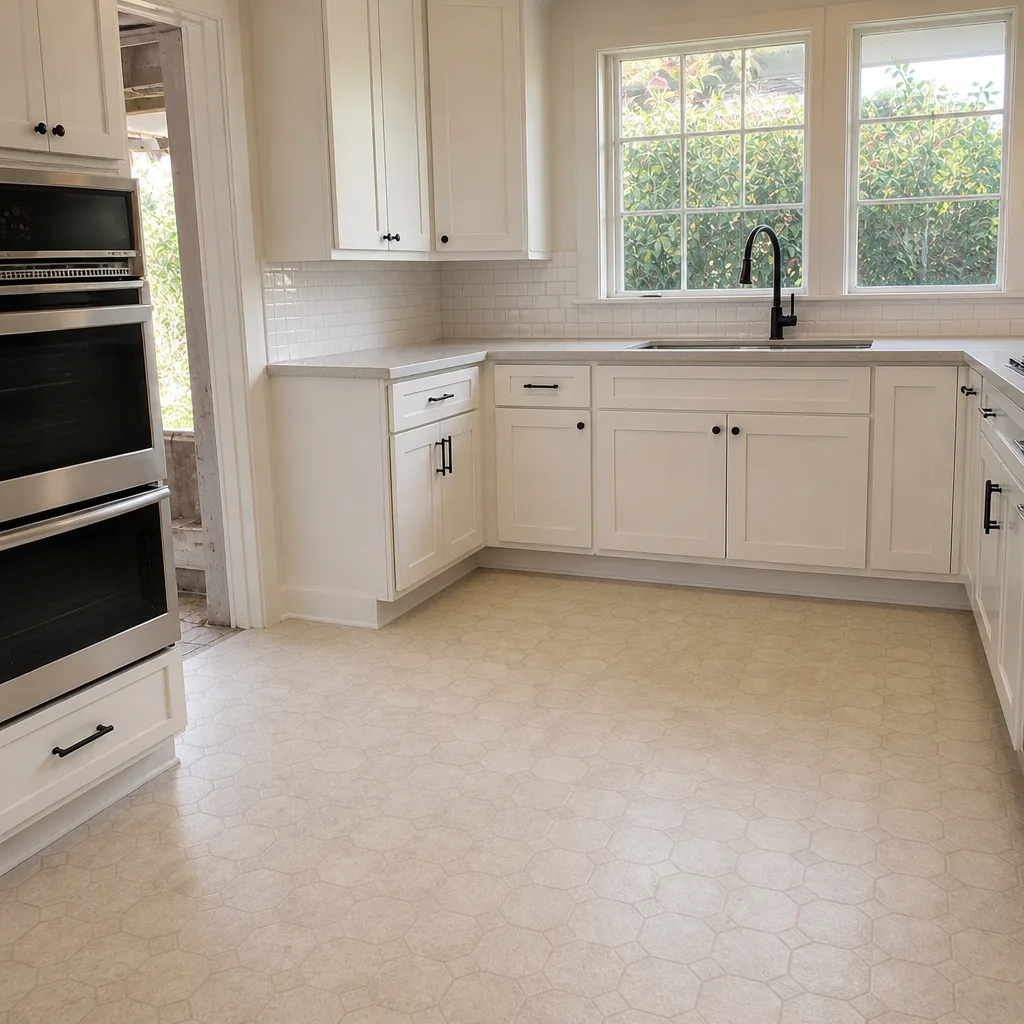
Two years ago we worked a kitchen in the Bungalow Heaven historic district where a homeowner had replaced the range hood and added a gas line to an island without permits. The gas line alone was a red flag at inspection – Pasadena’s code requires a pressure test on any new gas run, and there was no record it had ever been done. That’s the kind of small, invisible shortcut that turns into a real liability later. When we remodel a kitchen, permits and inspection records are part of the scope, not an optional add-on. That’s how a kitchen remodeling in Pasadena stays defensible if you ever sell.
Plan Check vs. Over-the-Counter: The Pasadena Difference
Pasadena’s permit counter splits into two lanes, and knowing which lane you’re in is the difference between a ten-day start and a four-month one.
Over-the-counter (OTC) permits
OTC approval covers simple, single-trade work that a plans examiner can review at the counter in fifteen minutes. In Pasadena that usually means:
- Water heater replacements
- Like-for-like window replacements that meet current Title 24 requirements
- Re-roofing over existing sheathing
- Electrical panel change-outs (same amperage or documented increase)
- Minor plumbing like a fixture relocation inside the same wet wall
OTC turnaround is typically same-day to two-business-day. If you’ve heard “a permit takes three months in Pasadena,” that homeowner was in plan check, not OTC.
Full plan check
Plan check is the review process for any project that alters the building’s structure, envelope, or occupancy. In Pasadena that means additions, second-story builds, foundation work, and any wall removal that isn’t verified as non-load-bearing by a structural engineer. Plan check requires stamped drawings, a Title 24 energy compliance report (see below), and often a civil or structural engineer’s sign-off.
Realistic timelines in Pasadena for plan check:
- Simple structural (beam replacement, small addition): 3 – 5 weeks
- Medium scope (kitchen relocation, bath addition): 5 – 10 weeks
- Full addition or second story: 10 – 16 weeks, plus revision cycles
Add two to four weeks if the plan-check examiner returns comments and your designer has to revise. Add another three-plus weeks if your project touches a historic overlay district like Bungalow Heaven or the Orange Heights-Bungalow District, where the Cultural Heritage Commission review is a layer on top of plan check. We schedule those Pasadena addresses with the historic overlay baked into the calendar from day one, not discovered in week six.
How Title 24 Energy Compliance Shapes Your Project
Title 24 is California’s energy code, and it’s the requirement that most surprises homeowners who’ve built in other states. Every permitted project that touches the building’s envelope or mechanical systems has to demonstrate energy compliance – and compliance means documents and calculations, not just materials.
Where Title 24 hits hardest
- Window replacement: even like-for-like swaps need to meet Title 24’s current U-factor and solar heat gain coefficient (SHGC) requirements. In Pasadena’s climate zone (Zone 9), that usually means dual-pane low-E glazing with specific ratings – and the glazing has to be documented on the permit.
- HVAC replacement: new systems must meet SEER2 and HSPF2 minimums, and duct sealing is now required in most replacements. That’s a hidden line item – old ductwork that doesn’t pass a duct-blast test often has to be replaced or sealed, and that’s real money on top of the unit itself.
- Additions: new square footage must meet Title 24 envelope and lighting rules (LED-only fixtures, insulation R-values keyed to the addition’s orientation, and specific glazing percentages by wall). An addition that “looks right” but fails Title 24 doesn’t get a permit, period.
A real number to set expectations: on a typical Pasadena window replacement project, the Title 24 documentation package – certification and compliance forms plus the associated engineering – runs $400 – $900 of the total. On an HVAC replacement that needs new ductwork, expect the compliance-and-duct-sealing line to add $1,200 – $2,800. Neither of those is optional. Both are frequently left out of competitive bids by contractors who plan to have the homeowner sign off and never pull the permit. The number that looks lower at the bid stage usually isn’t the number you pay.
Insist on seeing the Title 24 compliance form (CF1R) before work starts. If your contractor doesn’t know what that is, that’s your answer.
What a Failed Inspection Actually Means
A failed inspection isn’t a disaster, but it is a stop sign with a dollar sign on it. This is the part homeowners get wrong – they hear “the inspector red-tagged it” and assume the project is finished. It’s not. The correction notice process is well-defined, and understanding it keeps the project moving.
What happens when an inspection fails
- The inspector writes a correction notice on the job card and posts it to the permit record. It names the specific code section and the specific deficiency.
- Work on the failed item stops until it’s corrected and re-inspected. Larger issues can trigger a formal stop-work order, which halts the whole site – not just the failed item.
- The contractor corrects the work and calls for a re-inspection. Pasadena charges a re-inspection fee per visit, in the $90 – $175 range depending on the trade and whether it’s a re-inspection of a failed item or a “no-show, no-access” fee.
- The re-inspection clears the notice and the job proceeds to the next phase.
The top causes of a failed Pasadena inspection
- Framing that didn’t match the permitted drawings (the most common – homeowners and even some crews “adjust” on site)
- Missing or incorrect Title 24 compliance documentation
- Rough plumbing or electrical that wasn’t inspected before drywall went in (a sequencing error)
- Improper flashing on a re-roof at wall intersections – a repeat finding in rainy-season inspection rounds
- Gas line pressure tests not documented
The single biggest avoidable cause is scheduling. In Pasadena, the rough-in inspection has to happen before the drywall goes up. Contractors who “save time” by hanging drywall before calling for rough-in are rolling the dice on a re-do. We treat the inspection schedule as a hard part of the project calendar, not something to fit in around the drywall date.
One more point: a stop-work order is not just a delay. Pasadena can double permit fees on work that was performed without a permit before it was stopped. The math on that alone usually dwarfs what a permit would have cost.
The Paperwork That Protects Your Resale and Insurance
After the final inspection, the permit record lives at the city and on the property’s file – but a lot of the documentation that matters at resale never crosses the counter. It’s on the homeowner to hold onto it. Here’s the specific list we hand over at project close, and it’s the same list we’d want in hand if we were ever the seller:
- The signed-off building permit (all pages, with the final inspection signature). This is the single most important document. Without it, the work is legally unpermitted even if it’s beautiful.
- The approved plan set. Keep the stamped drawings exactly as approved; if work was changed in the field, keep the revised drawings and the approval sheet that covers the change.
- The Title 24 compliance form (CF1R) and, where applicable, the residential certificate of installation.
- The final inspection card. Pasadena produces a physical or digital inspection record; keep a copy.
- Manufacturer warranty documents for every product. Cabinetry, appliances, fixtures, roofing, siding – these are property of the home, and they transfer to the buyer. When you use a brand-name roster you can trace specs back to the manufacturer rather than a subcontractor’s memory, which is why we work with referenceable names like Kohler and Moen – their spec sheets and warranty terms are documented and available years down the road.
- Structural engineer’s letter or calculation, if any structural work was performed.
- Gas line pressure test results and any plumber’s certification paperwork.
One practical tip from our side: after any significant permitted project, call your homeowner’s insurance carrier and confirm they’ve noted the work on your policy. A permitted addition to a policy that never learned about it is a claim denial waiting to happen. The documentation is what closes that gap.
How Unpermitted Work Gets Discovered – and What It Costs
Unpermitted work almost always surfaces during escrow. A buyer’s inspector, a title search that shows a property tax assessment lag, an appraiser who notices the square footage doesn’t match the county record, or a lender who flags a discrepancy can all trigger it. Once it’s flagged, the transaction is on hold until it’s remediated.
Here’s what remediation versus doing it right the first time actually looks like on a typical Pasadena project:
- Permitting it correctly the first time (small structural alteration, roughly 200 square feet): permit fees, plans, Title 24 documentation, and inspection – often $3,500 – $8,000 of project cost, planned and predictable.
- Remediation after the fact (same work, discovered in escrow): a “permit this existing work” filing typically costs $1,500 – $4,500 in additional fees and documentation alone, plus any physical opening-up the inspector requires to verify what’s behind the walls. If the existing work fails inspection, opening and correcting it can run two to four times that, and the timeline can push closing by 30 – 90 days.
Occasionally the work can’t be permitted at all, and the buyer’s lender requires it be removed. In older Pasadena neighborhoods – and there are a lot of them, from Bungalow Heaven to the Historic Highlands area – remodels done in the mid-century are frequently a sticky mix of permitted and unpermitted work that even the seller didn’t know about. That’s the kind of discovery that surfaces in a buyer’s title search after thirty years of quiet. When we start a bathroom remodeling in Pasadena in a pre-war home, we pull the permit history first – every time – because the walls are always telling a story.
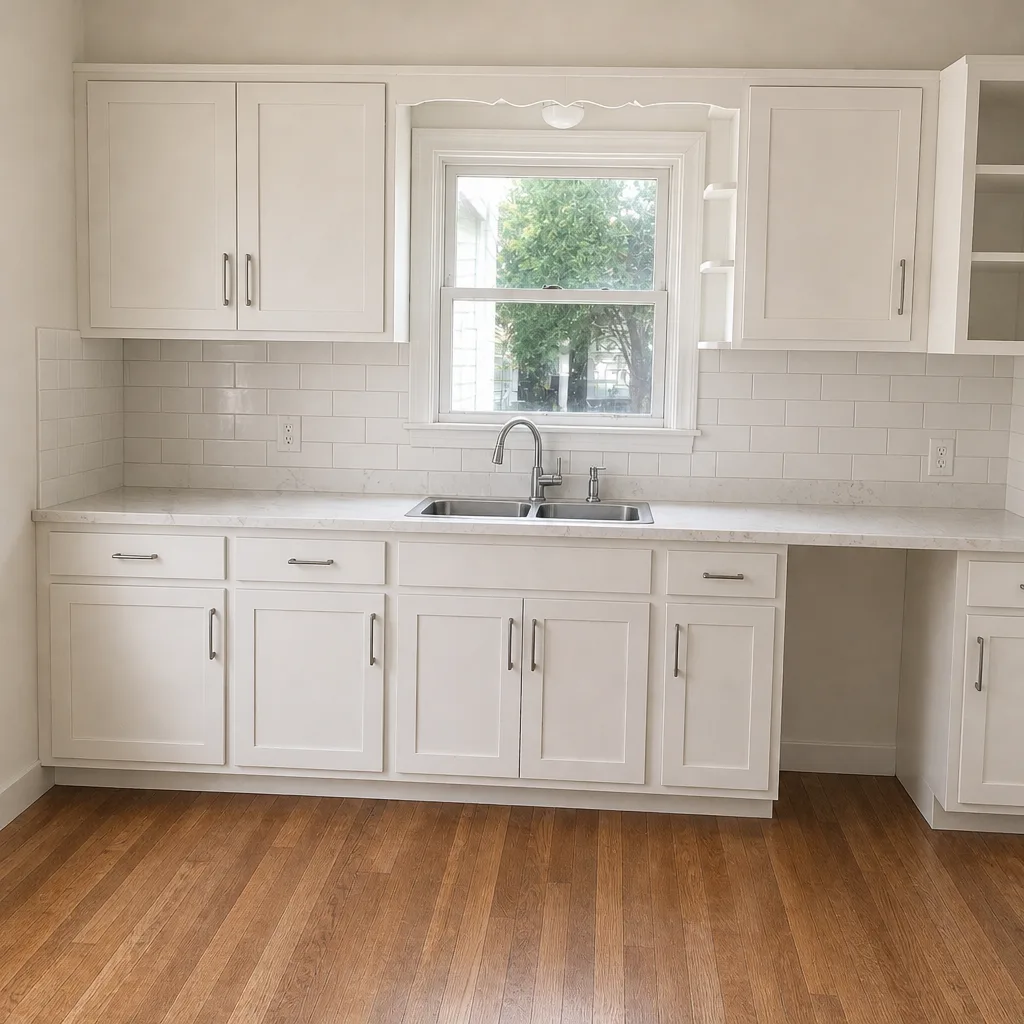
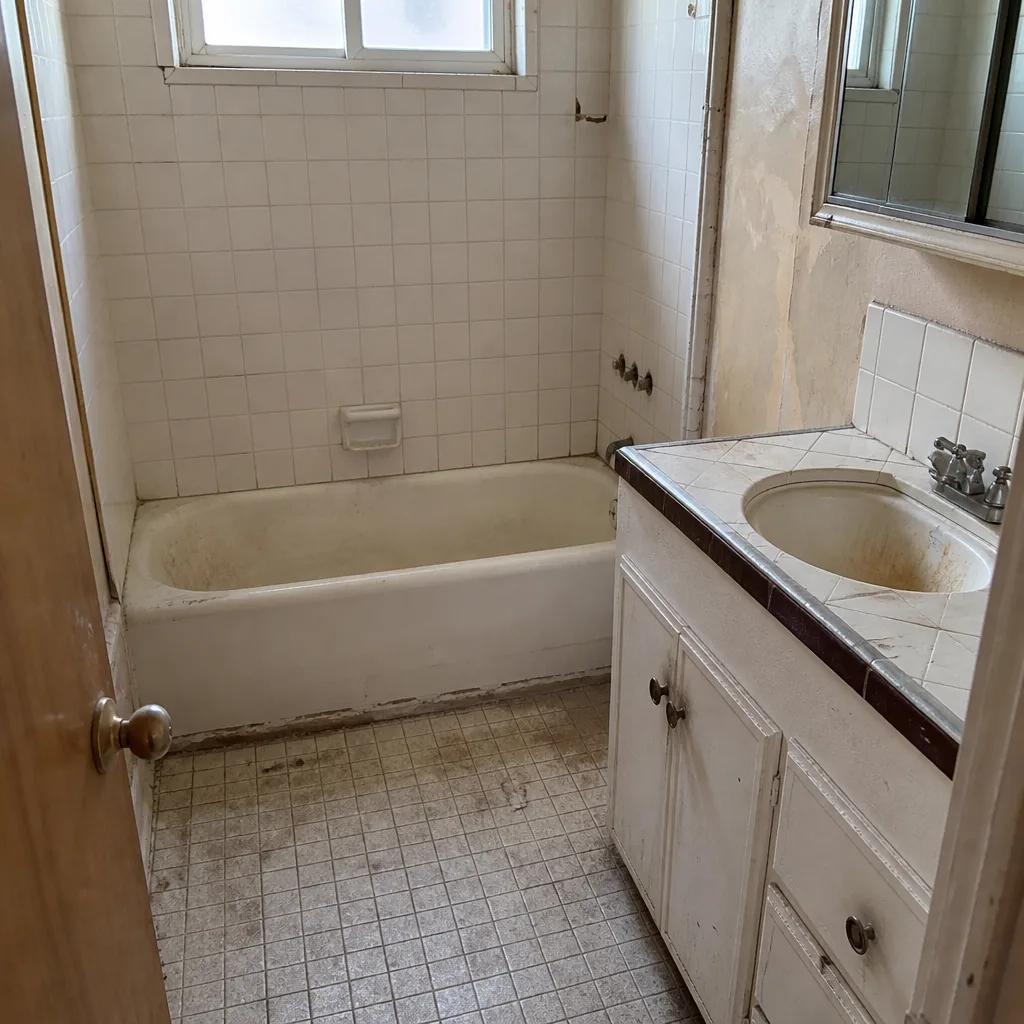
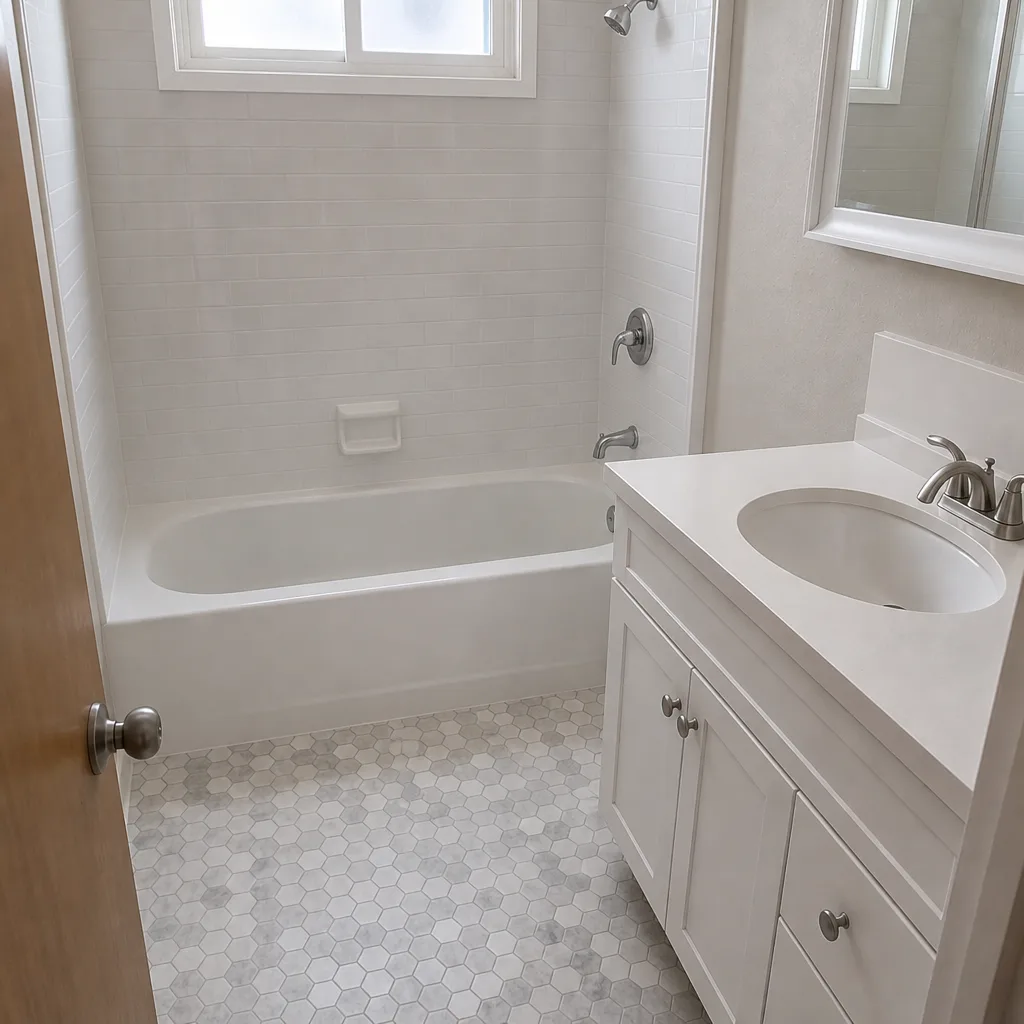
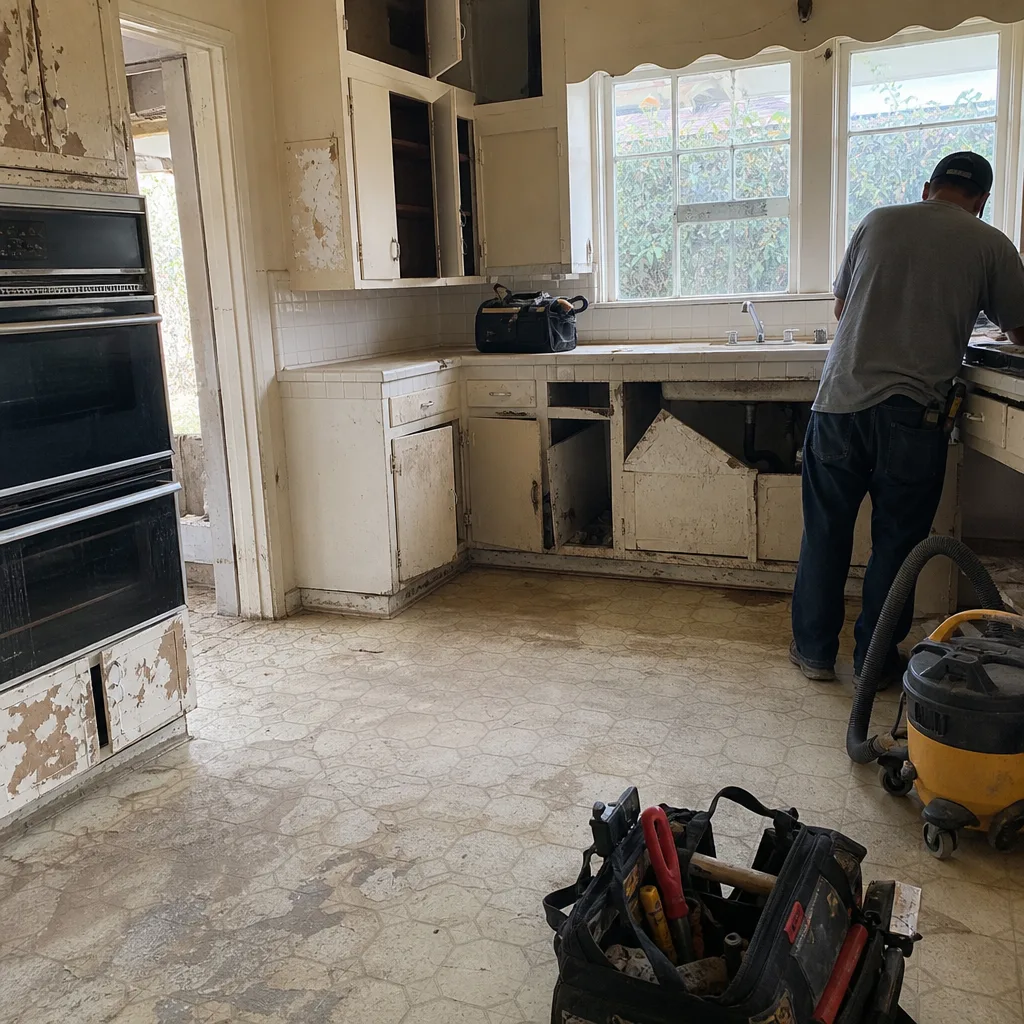
See the difference
 Before
 After
 Before
 After
 Before
 After
Common Mistakes to Avoid
- Trusting a verbal “we’ll take care of the permit” without a permit number. Demand the actual permit number in writing before work begins; permit records are public and you can verify them yourself. A contractor who stalls on that is telling you something.
- Skipping the permit because the job is “small.” A gas line for a new range, an electrical sub-panel for a garage workshop, or a small deck under an existing covered patio all require permits in Pasadena. “Small” is not a permit category.
- Hanging drywall before the rough inspection. This is the most expensive shortcut in the book, because the fix is tearing open finished walls. The schedule should be locked to the inspection date.
- Ignoring Title 24 at bid stage. A window or HVAC bid that doesn’t itemize the compliance documentation is incomplete, and the line will show up later as a change order.
- Not checking the historic overlay before design. In Pasadena’s historic districts, the Cultural Heritage Commission has to review exterior work. Designing first and checking the overlay second is how a project loses two months.
- Throwing away the permit paperwork after close. It doesn’t help you if it’s in a contractor’s filing cabinet in a different city. It has to be in your hands.
- Assuming your insurance automatically covers new work. It doesn’t. Confirm the addition or remodel is noted on your policy, and keep the documentation accessible.
When to Call a Professional
The permit rules themselves aren’t hard to understand. The work they authorize is where things get serious. If your project touches the structure of the house, moves gas or electrical, alters the envelope, or involves anything the inspector will look at later, that’s a job for a licensed professional working through the permit process – not a weekend call.
If you’re planning a remodel and want the permit scope and the written price in the same document, we do that. Our technicians have up to 22 years of experience, and every project we take on comes with a written price before work begins and a 365-Day Done Right Promise – if something fails within a year, we come back and make it right at no charge. We’ll walk you through the Pasadena permit path, pull the permits, and hand you the full documentation package at close. Bradford Remodeling Co Pasadena offers free estimates in Pasadena – call (888) 841-5410.
Frequently Asked Questions
Yes, in most cases. Pasadena requires a permit for window replacement, even like-for-like, because Title 24 energy compliance has to be documented for the new glazing. The permit is usually over-the-counter and quick – but it is required, and its absence can be flagged by a buyer’s inspector.
Over-the-counter permits for simple single-trade work typically take same-day to two business days. Full plan check for additions, structural changes, or envelope work runs three to sixteen weeks depending on scope and whether historic overlay review is required. Call (888) 841-5410 for a specific timeline based on your project.
Permit fees for a typical Pasadena kitchen remodel with cabinet and mechanical changes run in the $800 – $2,200 range, plus $400 – $900 for Title 24 documentation if windows or lighting are being touched. The scope matters more than the size – a gas appliance relocation adds real cost to the permit line. Call (888) 841-5410 for a written estimate that includes the permit scope.
The city can issue a stop-work order, require the work to be brought into compliance (which often means opening finished walls), and in Pasadena can double permit fees on work performed before the permit was pulled. The remediation cost is usually higher than the original permit would have been, and work performed without a permit is a known source of claim disputes with homeowner’s insurance.
It can delay or derail a sale. Buyers who spot the discrepancy in the inspection or title search frequently demand the work be permitted or removed before closing, and lenders often require the same. A remediation filing in Pasadena can push closing by 30 – 90 days in its worst case. Call (888) 841-5410 to have work done with permits from the start.
Ask for the contractor’s license number and verify it on the Contractors State License Board (CSLB) website – that’s the public record. Confirm the license is active, that the classification matches the trade, and that the contractor carries workers’ compensation. A written permit number from the local building department is the other check worth doing before you sign anything.
The Bottom Line
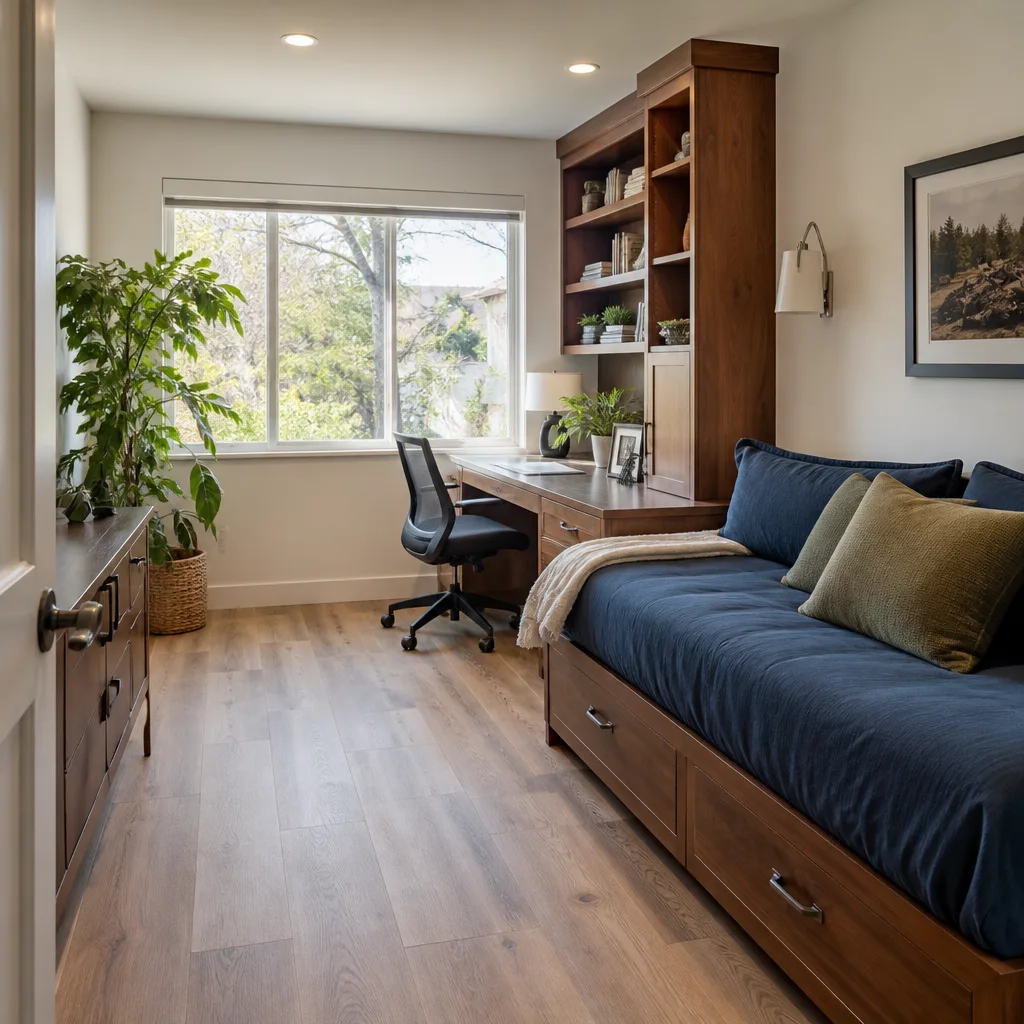
Permits aren’t the hurdle between you and your remodel – they’re the reason your remodel holds its value. In Pasadena, the path is clear: know whether you’re in over-the-counter or plan check, plan for Title 24 documentation from the start, lock the inspection schedule into the construction calendar, and keep every piece of paperwork after the final inspection. The specific proof points that matter are concrete: the signed permit, the approved plans, the Title 24 form, the inspection card, and the manufacturer warranties. Every one of those is a document you can hold in your hand at resale. Do the project once, with the paper trail done right, and you don’t have to do it again later under a stop-work order.
If you’re planning a project in Pasadena, start with the General Contractor in Pasadena page or browse the Bradford Remodeling Co Pasadena home for project types and scope. For a written price on your remodel, including the permit scope, call (888) 841-5410 for a free estimate.
Written by the team at Bradford Remodeling Co Pasadena.