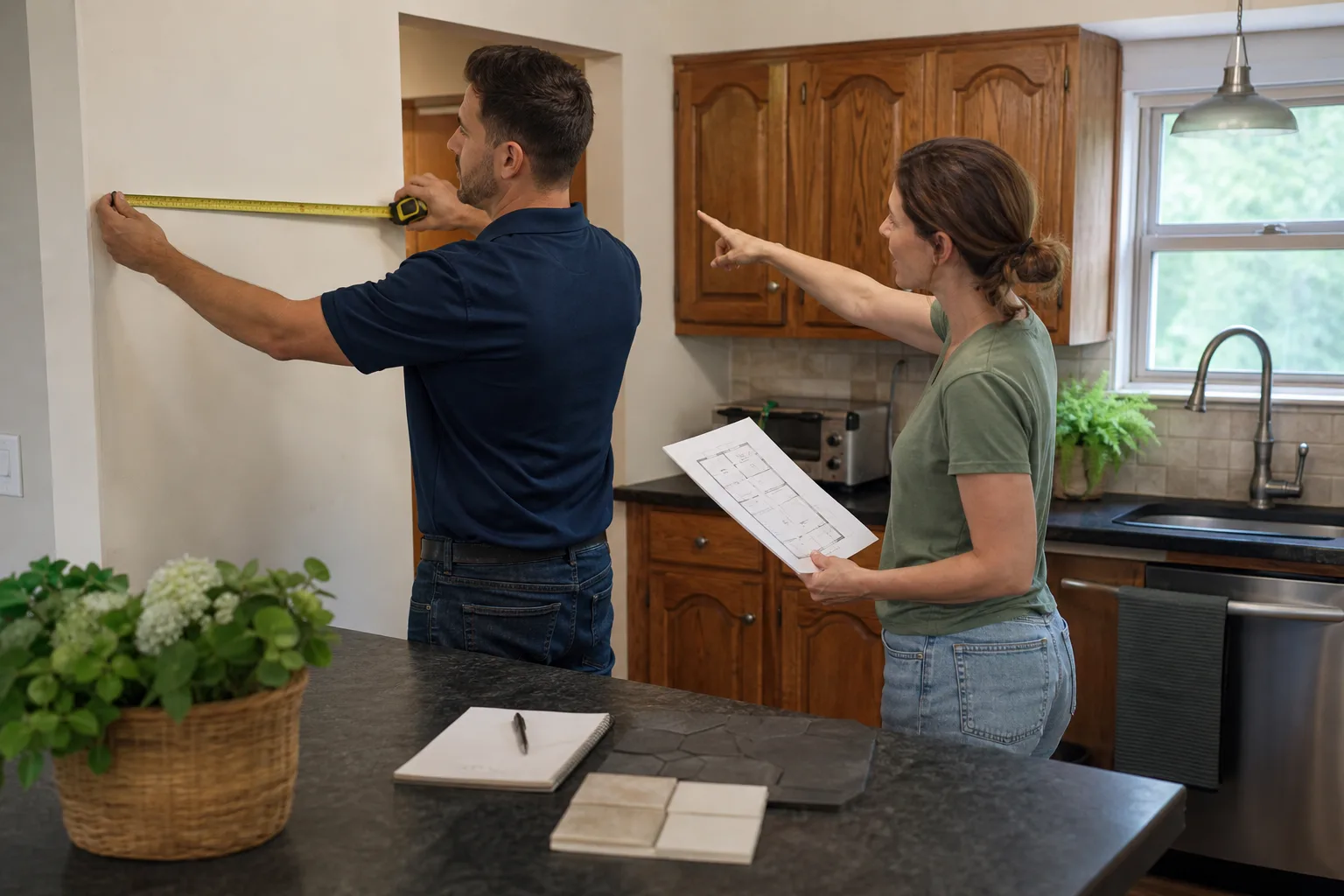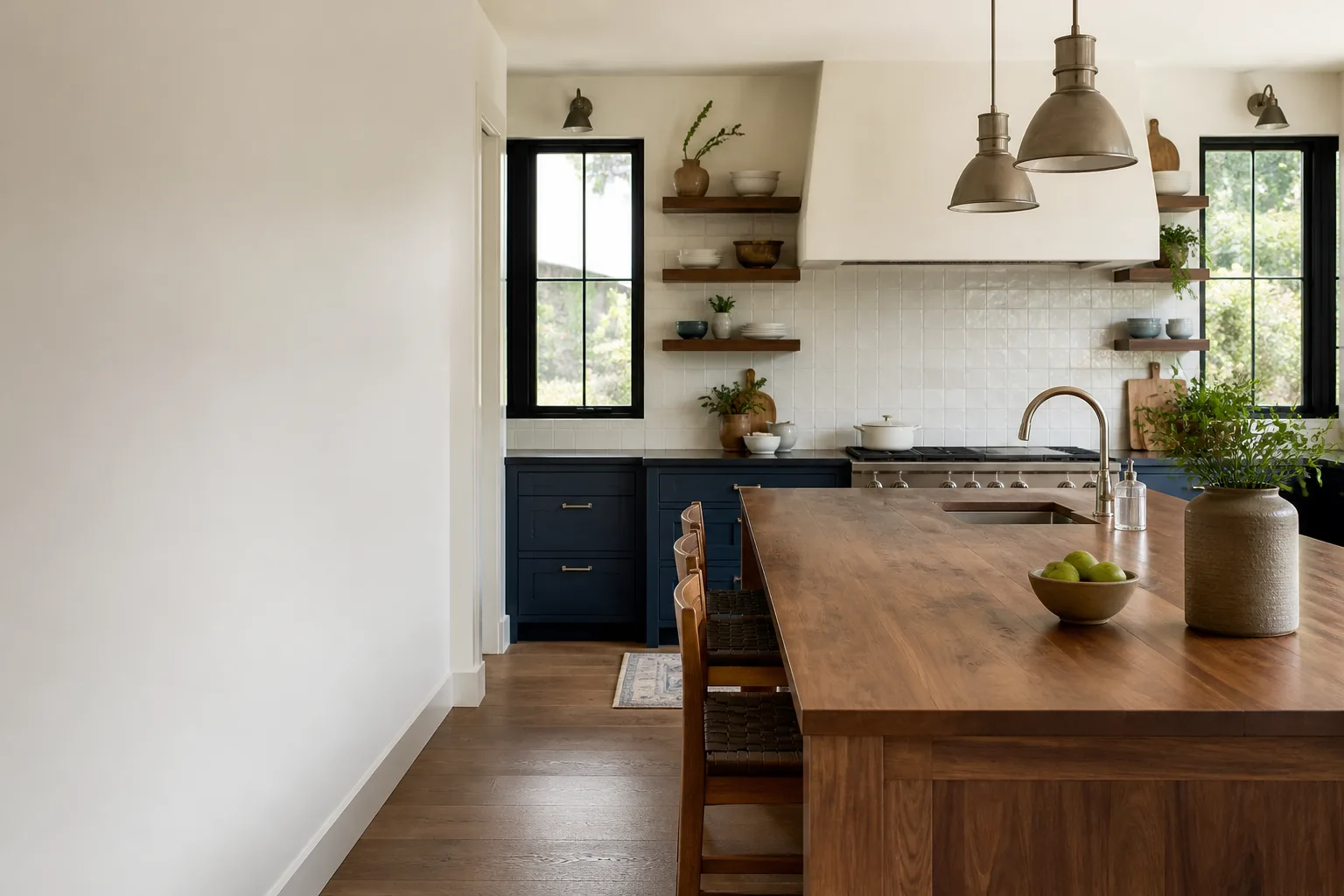
Free written scope consultation - allowances, timeline, and change-order rules on paper before a single trade is scheduled
Styles & brands we work with
- Kitchen remodeling
- Bathroom remodeling
- Home additions & ADU
- Roofing
- Windows & doors
- Driveway & pavers
- Fence
See the difference
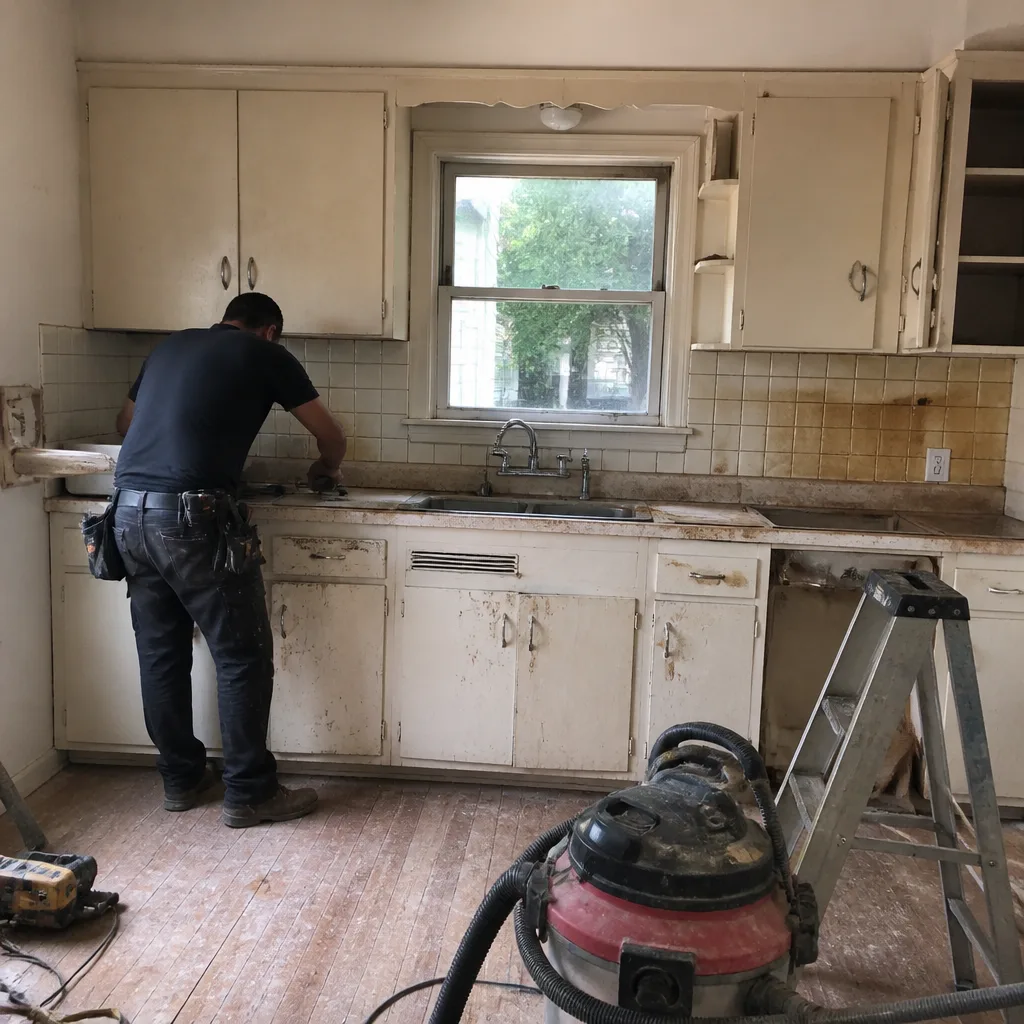 Before
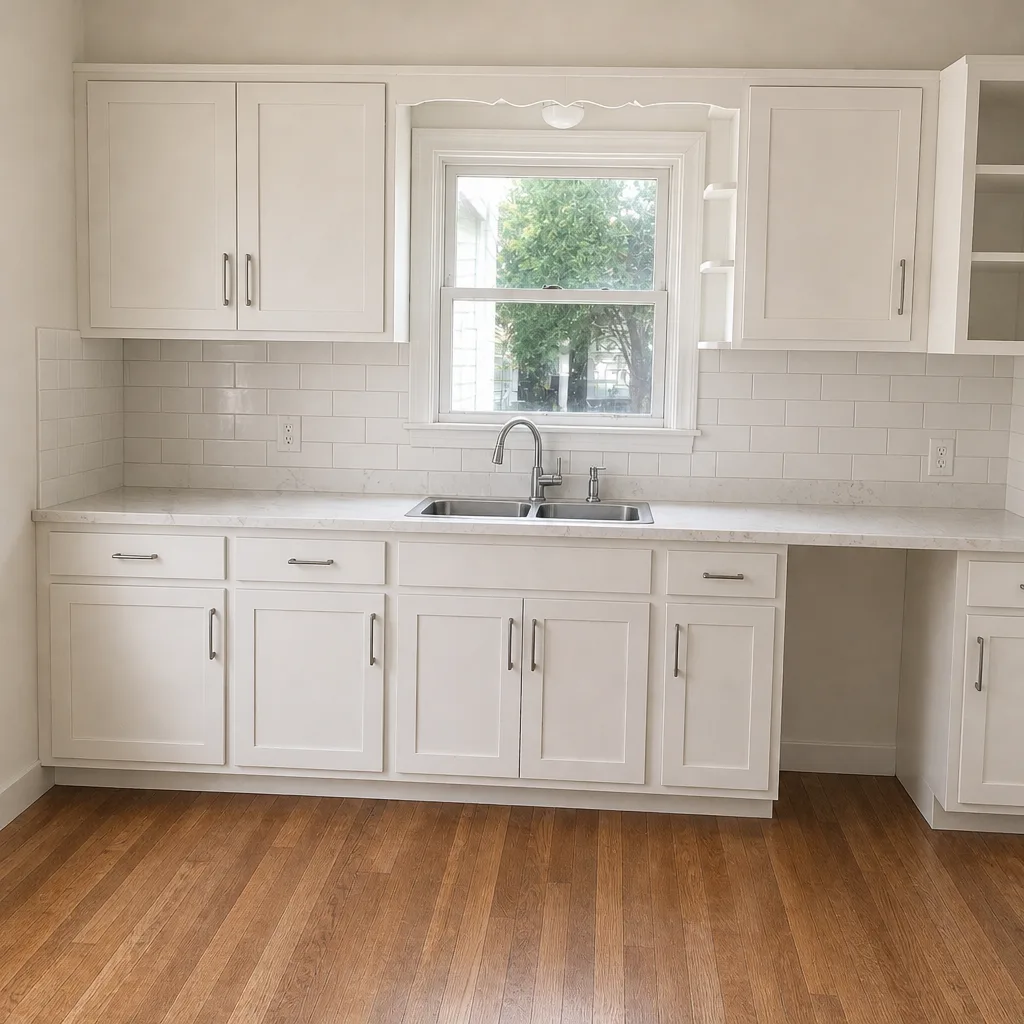 After
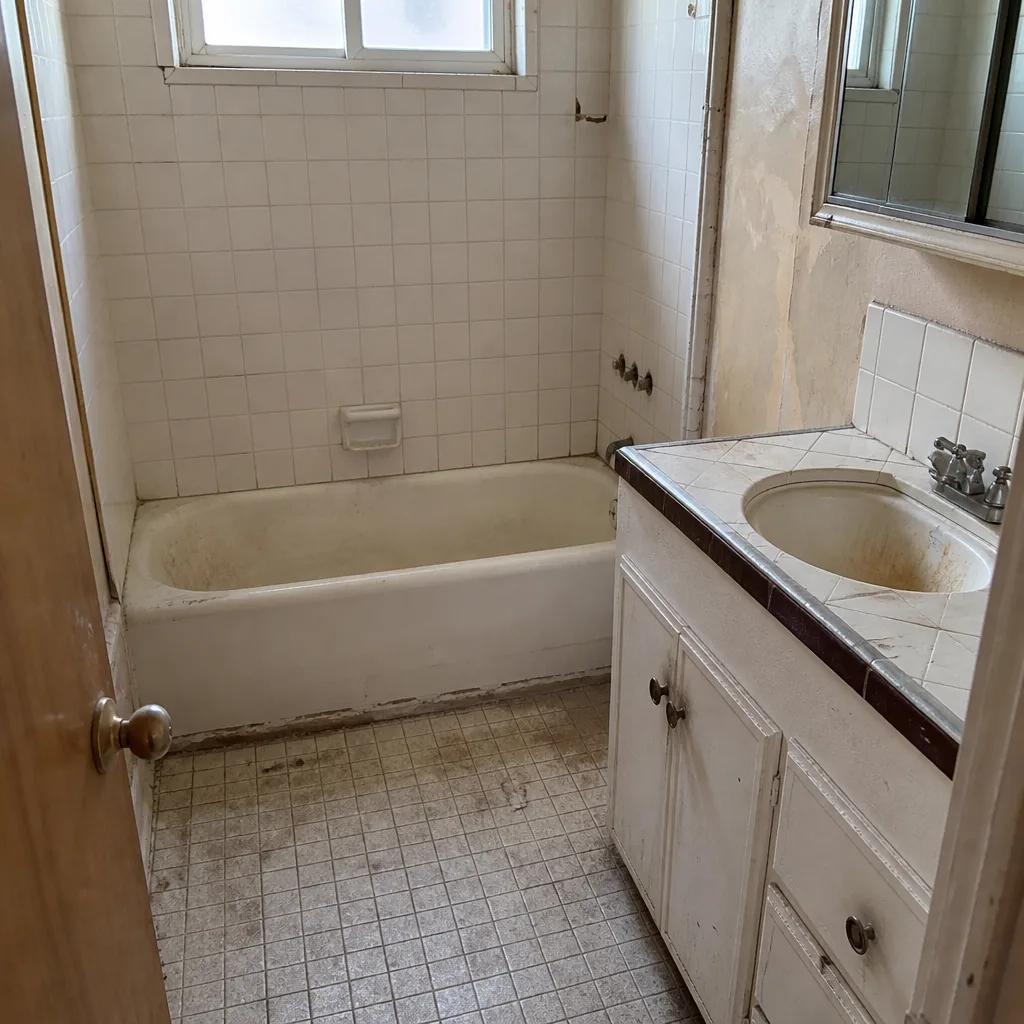 Before
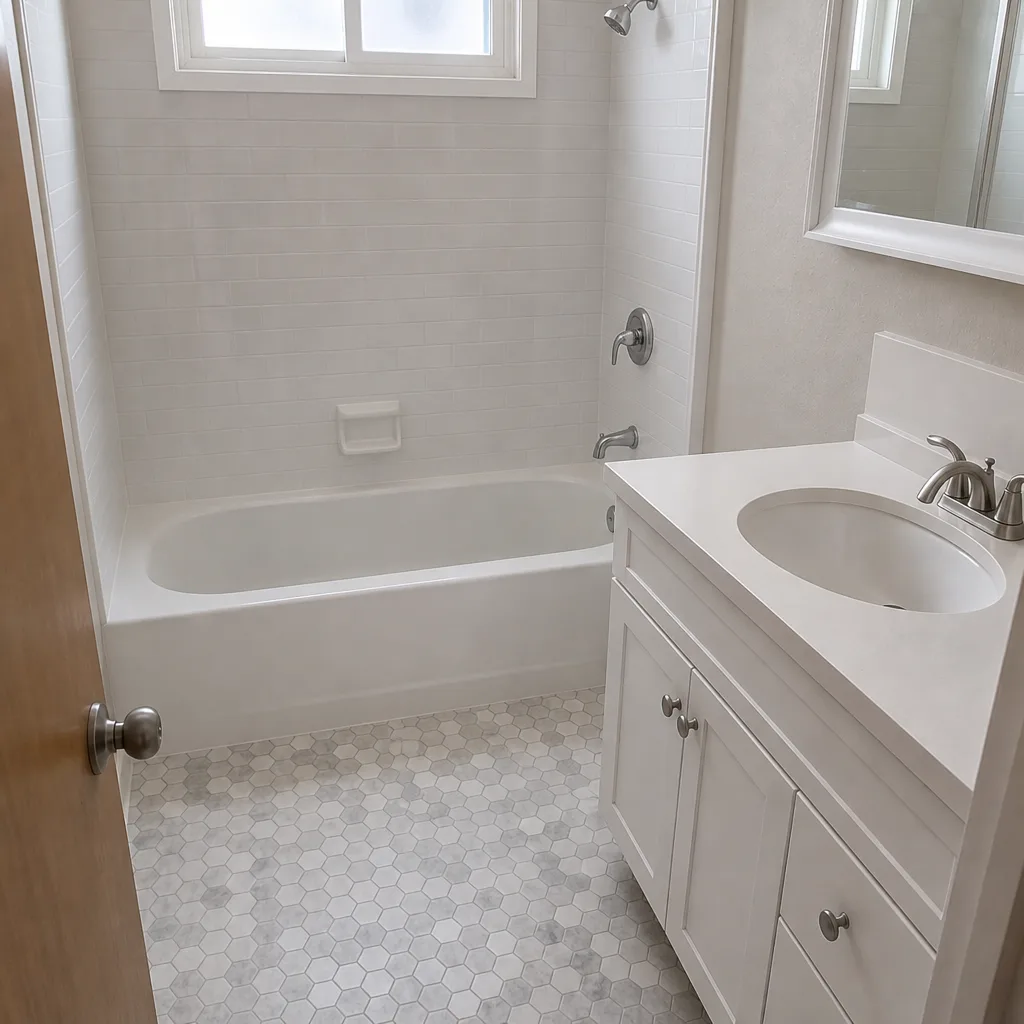 After
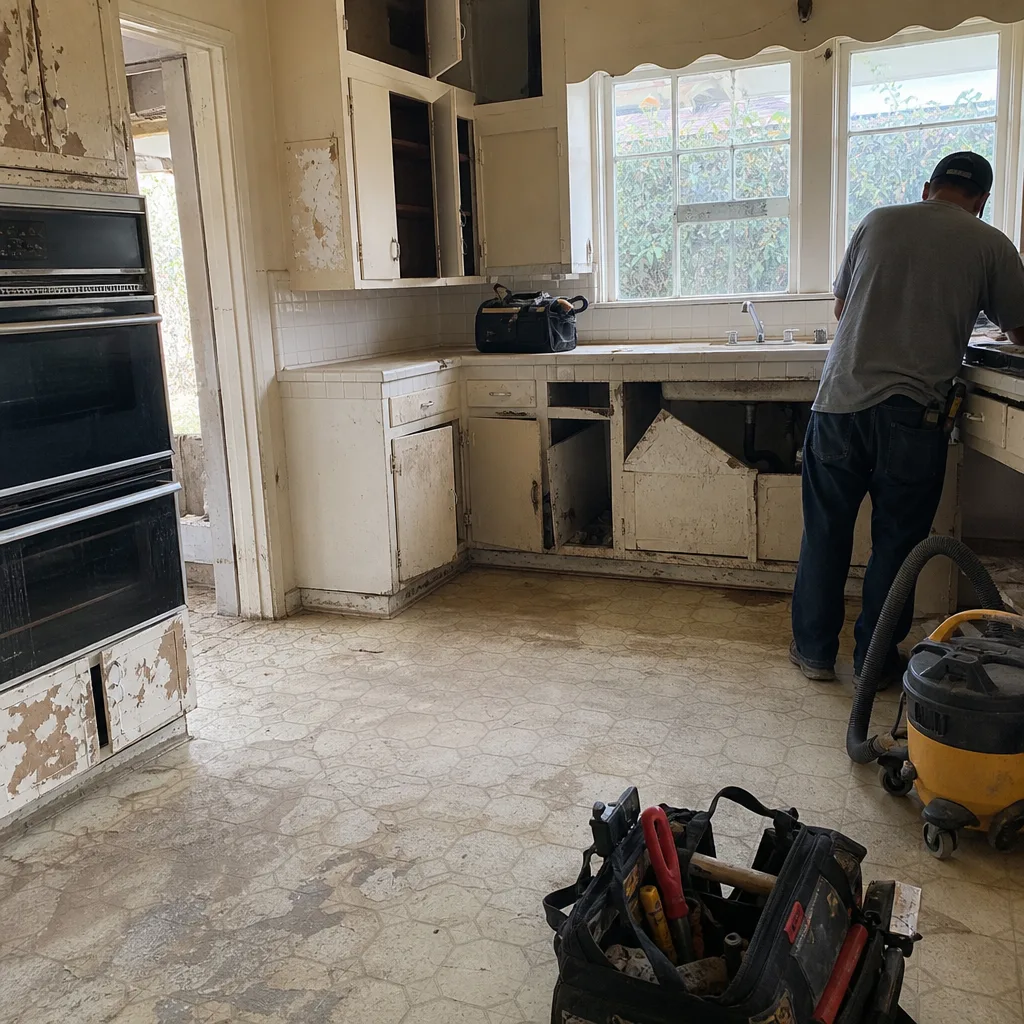 Before
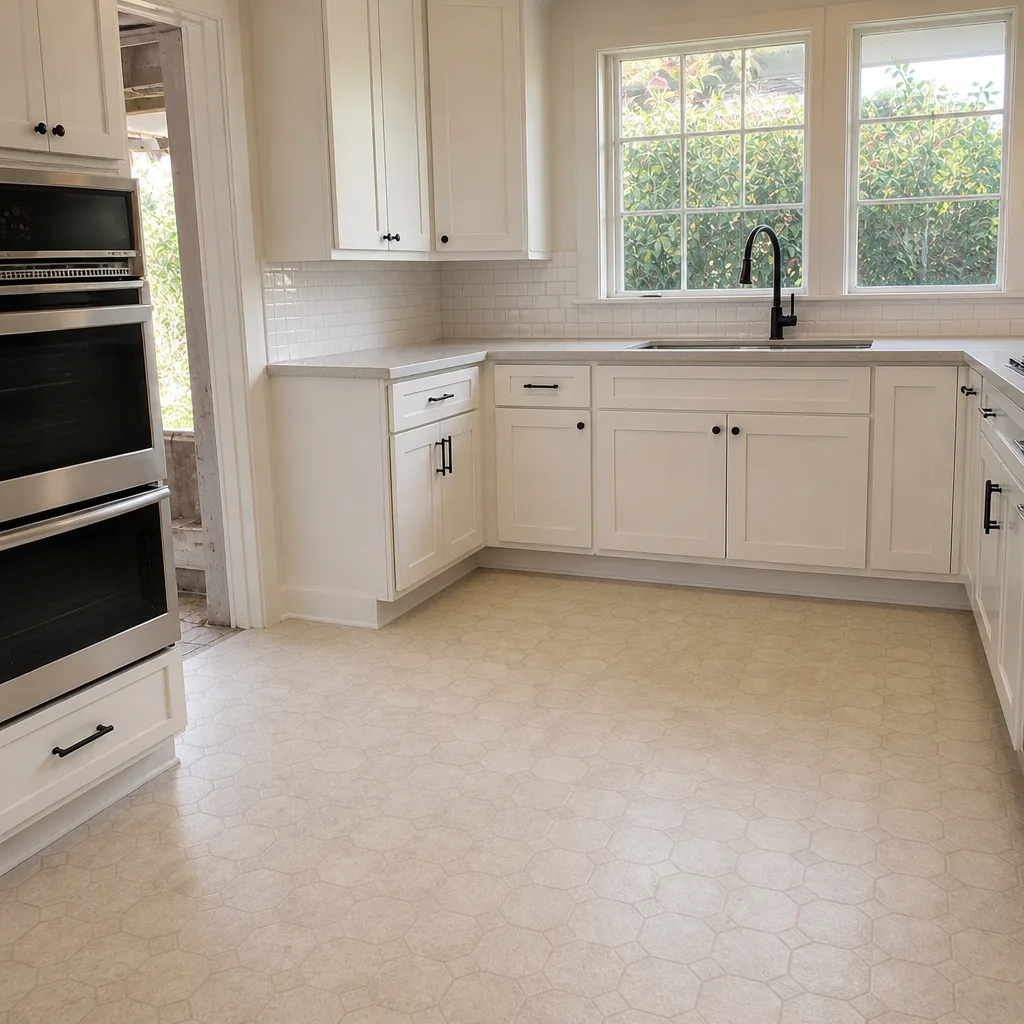 After
Quartz vs Granite Countertops in Pasadena: Which Surface Holds Up Here?
Choose quartz for a Pasadena kitchen unless you’ve found a granite slab whose movement you genuinely love and don’t mind resealing it every year or two. That’s the short answer. The longer one comes down to our climate: a dry-summer Mediterranean pattern with low-humidity Santa Ana wind events followed by wet winters is hard on porous natural stone in ways the standard quartz-vs-granite comparison never mentions. If you want a surface you seal once at install and then leave alone, quartz wins on maintenance. For an exact figure on your kitchen, call Bradford Remodeling Co Pasadena at (888) 841-5410.
Most countertop installation in Pasadena runs $2,000 to $6,500 depending on square footage, edge profile and material. A full kitchen remodel that includes new counters, cabinetry and backsplash lands between $14,000 and $45,000. Those ranges are written before work starts, not adjusted at your door.
Why the Dry Season Is Granite’s Real Vulnerability
Granite’s weak point isn’t the red-wine stain everyone warns you about. It’s the annual humidity swing.
Granite is a natural stone, and its porosity varies slab to slab depending on where it was quarried. In a Pasadena summer, relative humidity drops and the stone cycles through expansion and contraction. Over two to three years that movement can widen micro-fractures already present in the slab and wear down the factory sealer. Once the sealer breaks down, the stone is open to moisture and staining, which is why granite needs resealing every year or two to keep its stain resistance. Quartz, by contrast, needs no sealing at any interval. Its surface is non-porous from the day it’s installed.
There’s a second, quieter effect. Santa Ana wind events push particulate matter through the air, and those particles act like fine sandpaper on a countertop. Granite contains soft mineral phases, feldspar and mica among them, that can abrade and dull under that grit over time. Engineered quartz is roughly 93% ground stone bound with about 7% polymer resin, so there are no soft mineral phases at the surface to wear. It resists that micro-abrasion far better in a working kitchen.
Quartz vs Granite: Side-by-Side for a Pasadena Kitchen
| Factor | Quartz (Cambria, Caesarstone) | Granite |
|---|---|---|
| Sealing required | None, ever | Annual or biannual in our dry-summer climate |
| Porosity | Non-porous | Varies by slab origin |
| Santa Ana grit wear | Resists surface micro-abrasion | Soft minerals (feldspar, mica) can dull |
| Color consistency | Consistent across production runs, matchable by lot | One-of-a-kind; a later match is hard |
| Future repair or addition | New piece matched by lot number | New slab may not match original veining |
| Food-safety documentation | NSF-certified surface from both brands | Varies; not standard on every slab |
| Seam predictability | Consistent edge hardness, easier to guarantee | Variable hardness, seam risk higher |
Where a Period Home Changes the Math
Pasadena’s housing stock tilts heavily toward 1900s-1930s Craftsman bungalows, Period Revival and Spanish Colonial homes, plus mid-century and postwar tracts. Plenty of these kitchens still sit under original or period-style cabinetry, and that matters for countertops in a way it doesn’t in a new build.
When you add a baking station, extend a run, or repair a section later, you need a surface that matches what’s already there. Cambria and Caesarstone quartz colorways are consistent across production runs, so a future piece can be matched by lot number. Sourcing a second granite slab that matches an existing vein pattern is a genuine gamble; the veining is one of a kind. For a homeowner protecting a kitchen they intend to keep for decades, that predictability is real value.
The same logic flows into preservation. In Pasadena’s Historic Preservation overlay and landmark districts, exterior changes visible from the street, from windows to roofing to porches, trigger review through the Cultural Heritage Commission under the Secretary of the Interior’s Standards. Countertops are interior work, so they don’t open that door. But many of these homes carry Mills Act contracts, where documenting material durability and authenticity is part of the record. Both Cambria and Caesarstone publish NSF-certified food-safe surface documentation, which means we can put a traceable spec in your written project file instead of a verbal claim. That’s worth having when a property is under a preservation contract. It’s also why the material roster we specify runs to documented brands across the board, from KraftMaid and Wellborn cabinetry to Kohler and Moen fixtures.
What the Year-Long Guarantee Actually Covers
Both materials are covered by the 365-Day Done Right Promise: if the work fails within a year of completion, we come back and correct it at no charge. Seam integrity and surface delamination are included for quartz and granite alike.
Here’s the honest part. Quartz seams are more mechanically predictable to guarantee. Engineered slabs have consistent edge hardness piece to piece, so the seam between two slabs behaves the way the spec sheet says it will. Granite’s variable mineral structure means seam failure risk is higher and harder to rule out. We’ll stand behind either, but we’ll tell you which is the safer bet to put in writing, and why.
Common Pasadena Kitchen Scenarios
- A 1925 Craftsman with original cabinetry: we run quartz to match the period palette and keep color matchable for a future addition, since the cabinets aren’t going anywhere.
- A Spanish Colonial kitchen facing a sunny west wall: quartz’s non-porous surface handles the dry cycles without a resealing schedule eating into your weekends.
- A postwar tract renovation where the client found a granite slab they love: we specify it, put the annual reseal in the written scope so nobody’s surprised, and note the seam risk up front.
- A Mills Act property under preservation contract: we pull Cambria or Caesarstone documentation into the project record so the material spec is substantiated.
Every project we run works to the same discipline: a written price before any tool comes out, background-checked, uniformed technicians on the job, and a live person answering the phone around the clock rather than a voicemail queue. That’s The Garrison Standard applied to a countertop. Our technicians have up to 22 years of experience, and when you’re ready to plan the whole space, our Kitchen Remodeling work starts with the same written scope.
FAQs
Quartz is the better default for a Pasadena kitchen because its non-porous surface needs no sealing, while granite needs resealing every year or two in our dry-summer climate to hold its stain resistance. Choose granite only if a specific slab’s movement wins you over and you’re comfortable with the maintenance schedule. Call (888) 841-5410 for a written quote on either.
Countertop installation in Pasadena typically runs $2,000 to $6,500 whether you choose quartz or granite, since labor and edge profile drive the range more than material. Full kitchens including counters land between $14,000 and $45,000. Call (888) 841-5410 for an exact number written before work begins, free of charge.
Yes, expect to reseal granite every year or two here, because our dry summers and Santa Ana wind events cycle the stone through expansion and contraction that wears down the factory sealer faster than a humid climate would. Quartz never needs sealing. Call (888) 841-5410 and we’ll explain what the reseal involves for your slab.
Yes, quartz can be matched later because Cambria and Caesarstone colorways are consistent across production runs, so a new piece is matched by lot number. Matching a second granite slab to an existing vein pattern is much harder. Call (888) 841-5410 to talk through a future addition before you pick material.
If you’d rather have it looked at, Bradford Remodeling Co Pasadena offers a no-pressure assessment in Pasadena. We’ll put the price in writing before a single tool comes out, and you’ll have the guarantee in hand at close. Call (888) 841-5410 for a free estimate.
Written by the team at Bradford Remodeling Co Pasadena, serving Pasadena, CA.