

Free written scope consultation - allowances, timeline, and change-order rules on paper before a single trade is scheduled
Styles & brands we work with
- Kitchen remodeling
- Bathroom remodeling
- Home additions & ADU
- Roofing
- Windows & doors
- Driveway & pavers
- Fence
See the difference
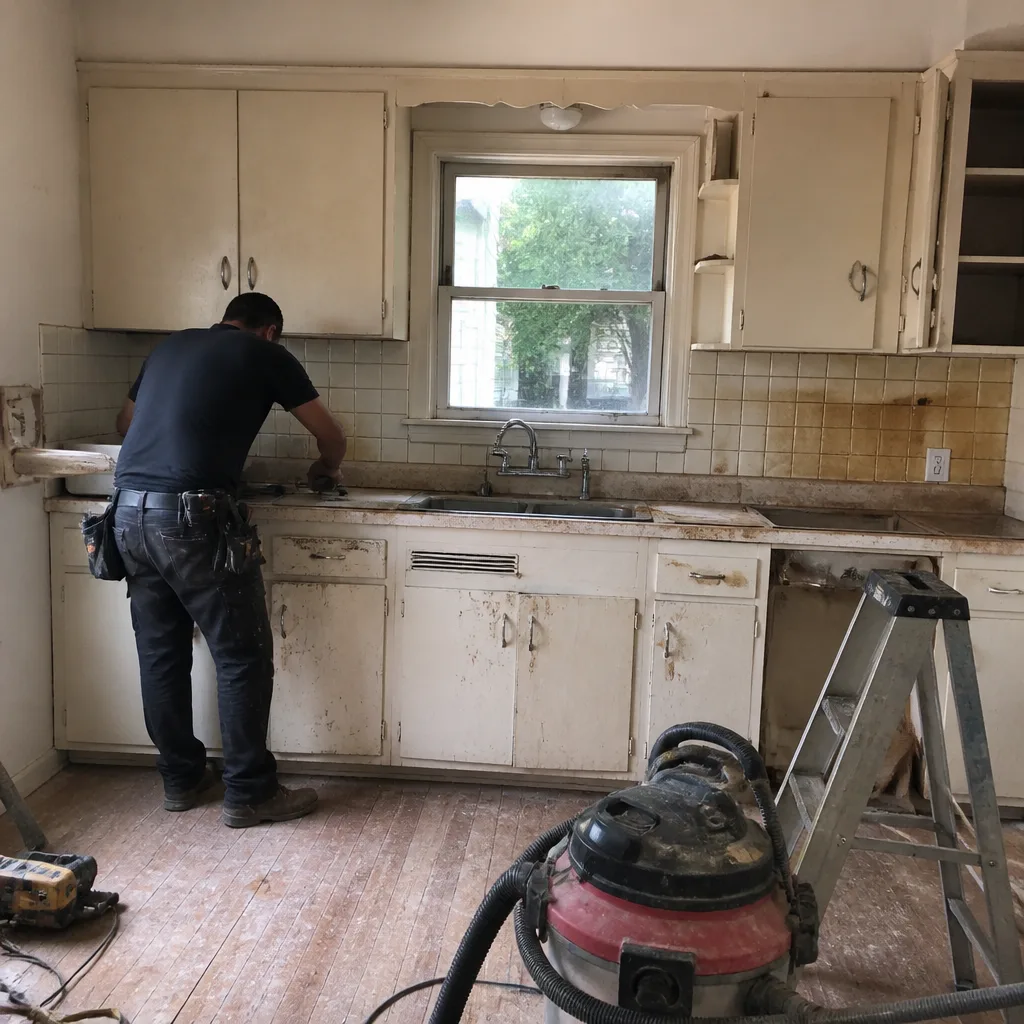 Before
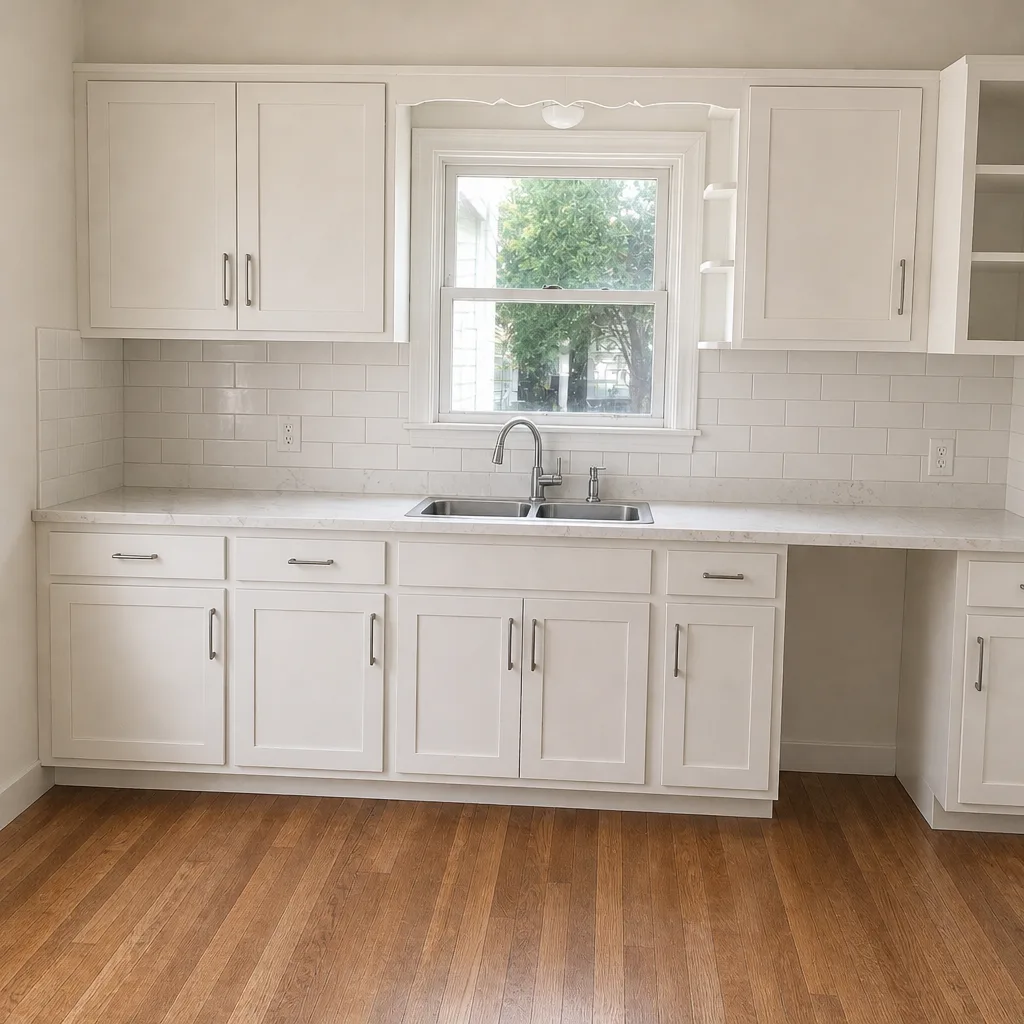 After
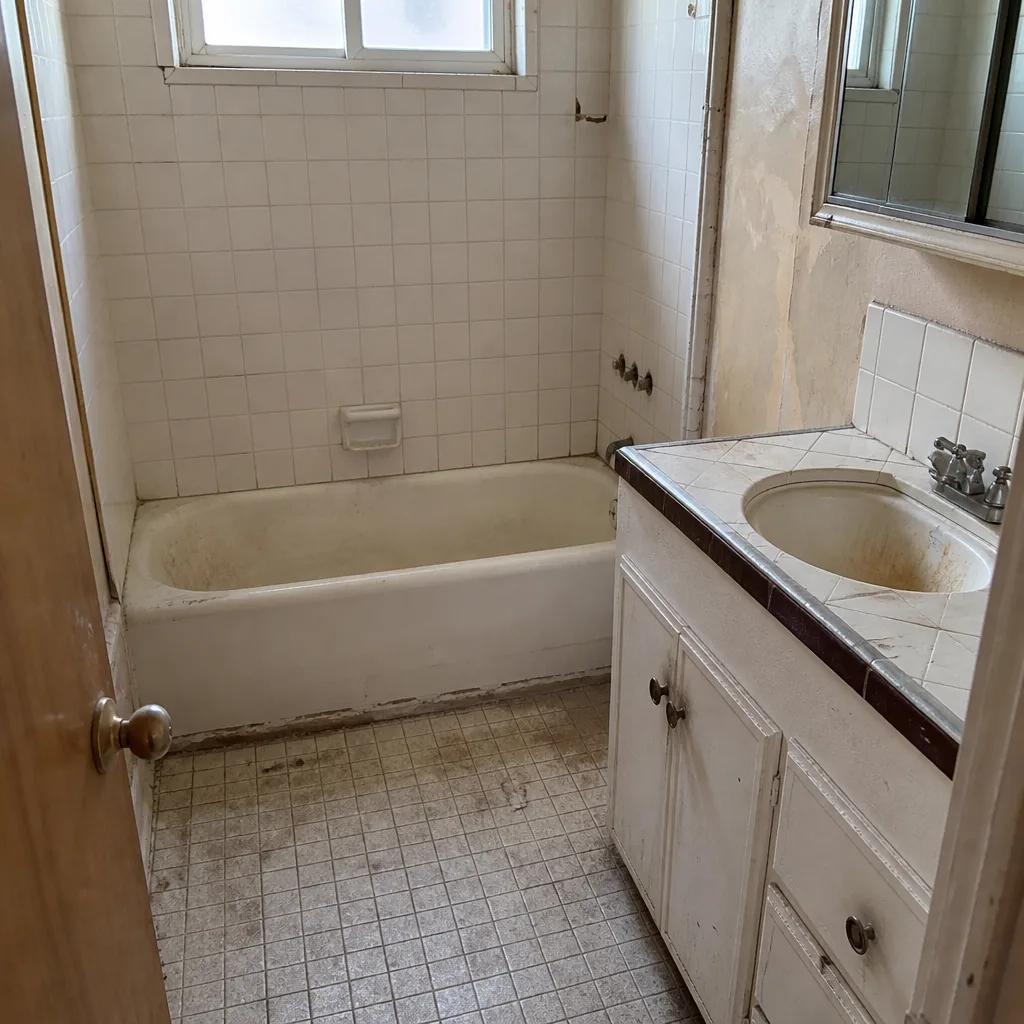 Before
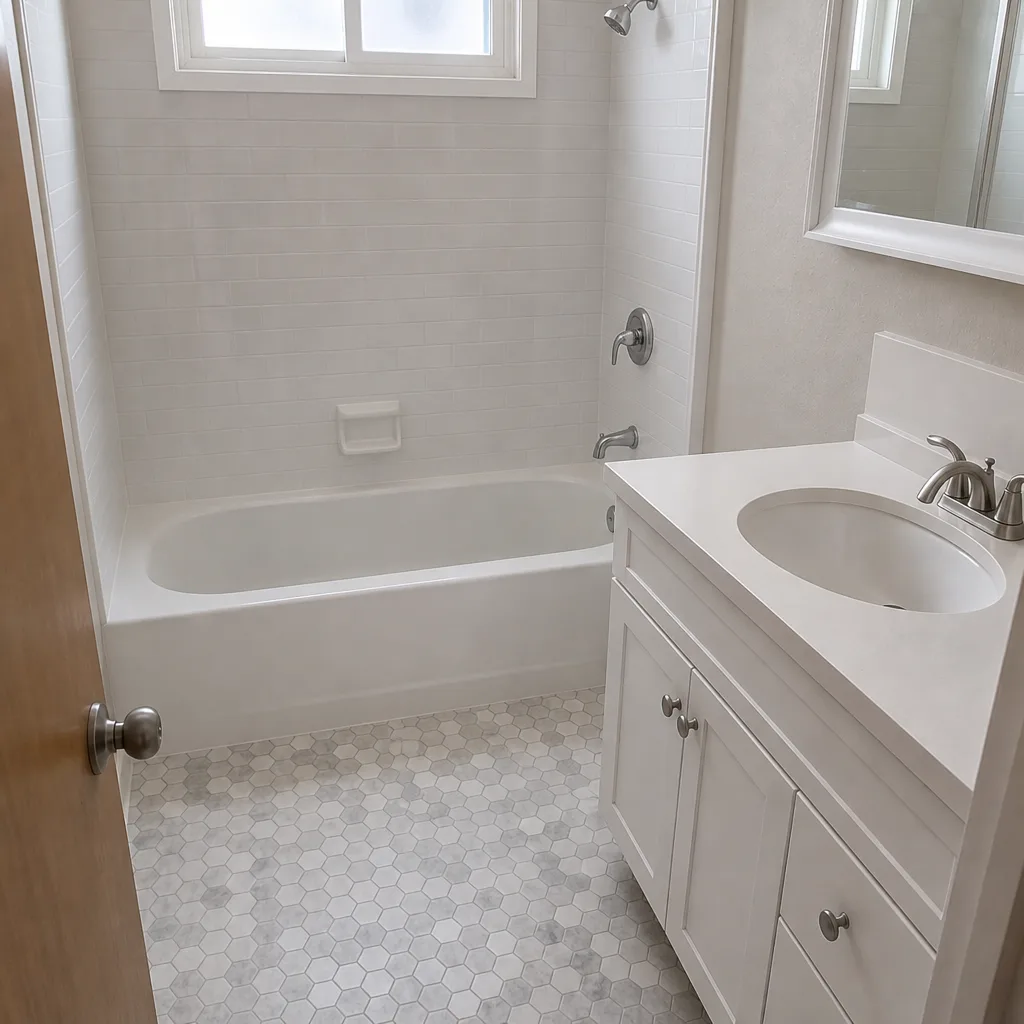 After
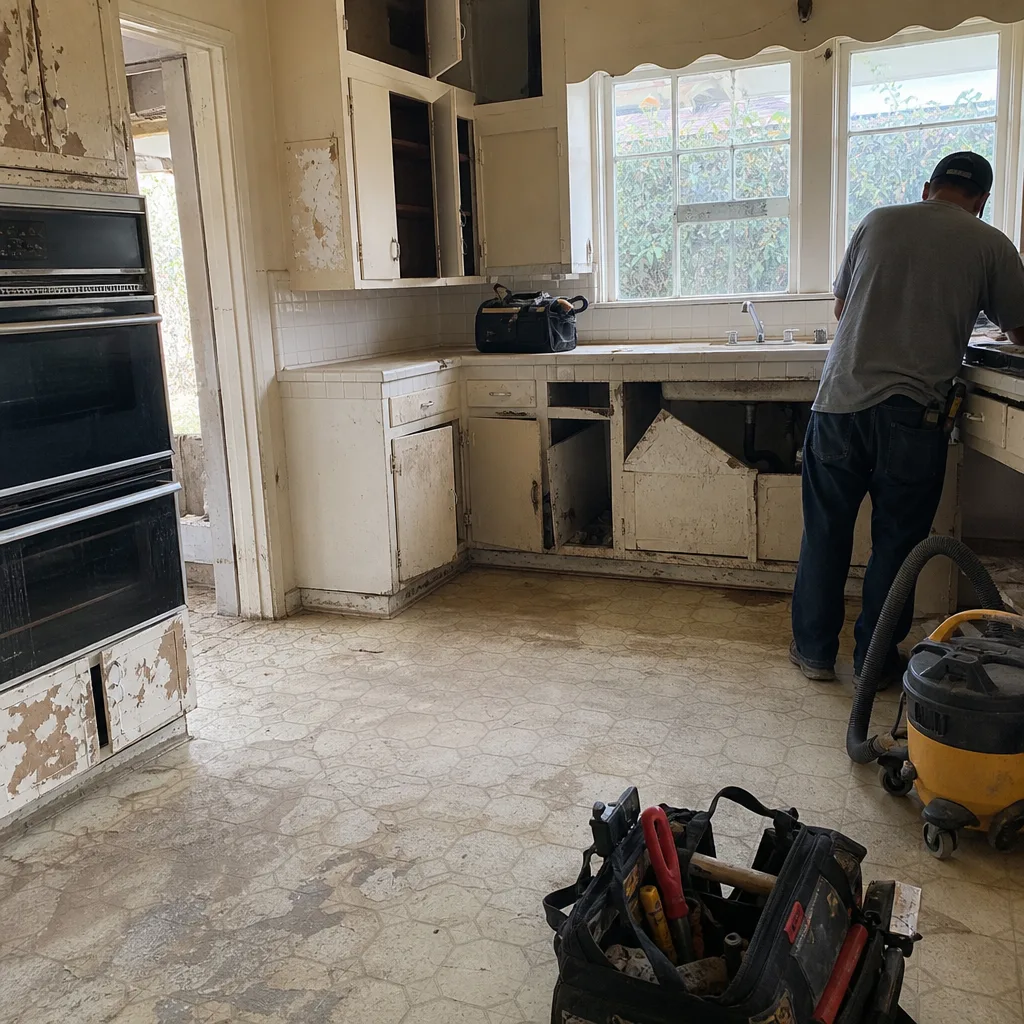 Before
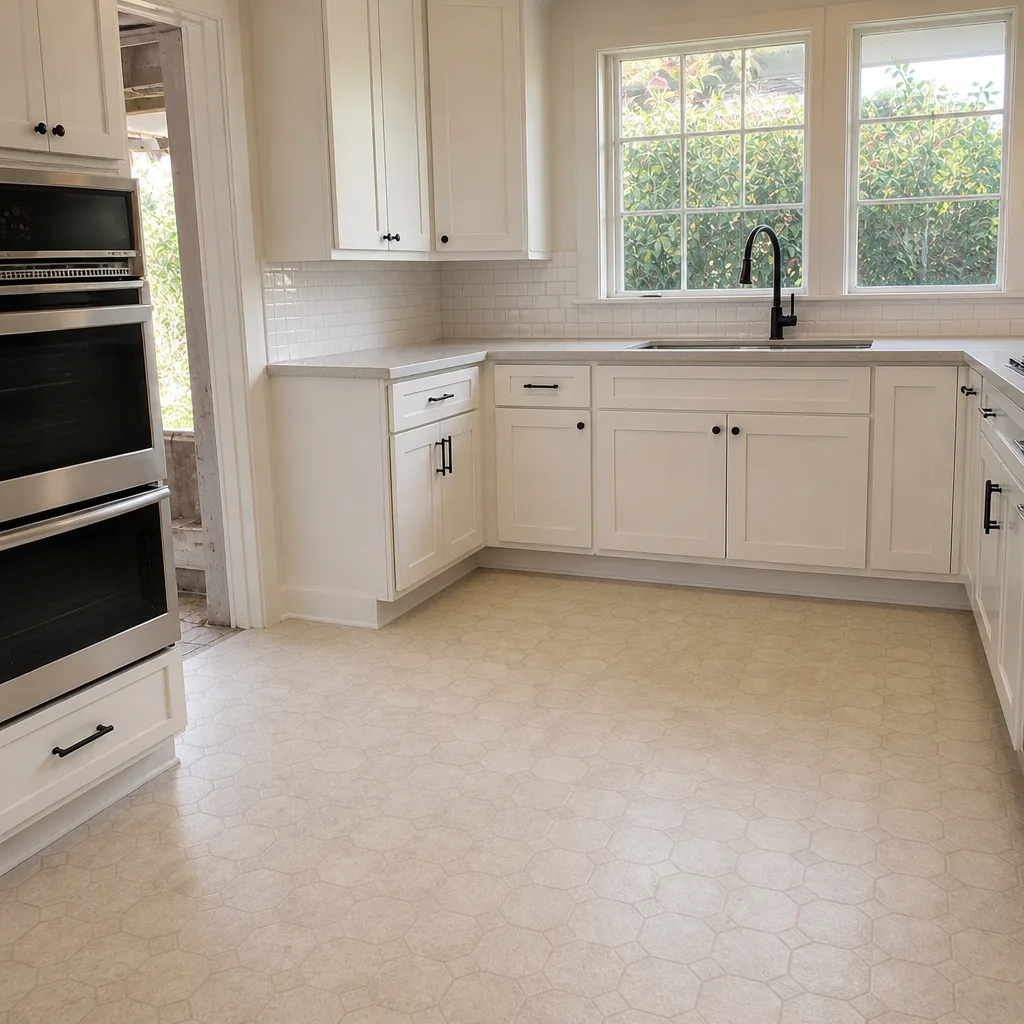 After
General Contractor vs Handyman in Pasadena: The Permit Line That Decides It
Choose a licensed general contractor unless the job is genuinely small: under $500 in combined labor and materials, no permit needed, and nothing touching electrical, plumbing, or structural framing. California law draws that line hard, and a handyman who crosses it is working illegally. In Pasadena, the stakes run higher than in most cities. The Historic Preservation overlay, Cultural Heritage Commission review, and Mills Act contracts mean a small unpermitted exterior change can put a homeowner’s tax benefit on the line. Give us a call at (888) 841-5410 and we’ll tell you which side of that line your project sits on.
Start Here: The Problem in Front of You Right Now
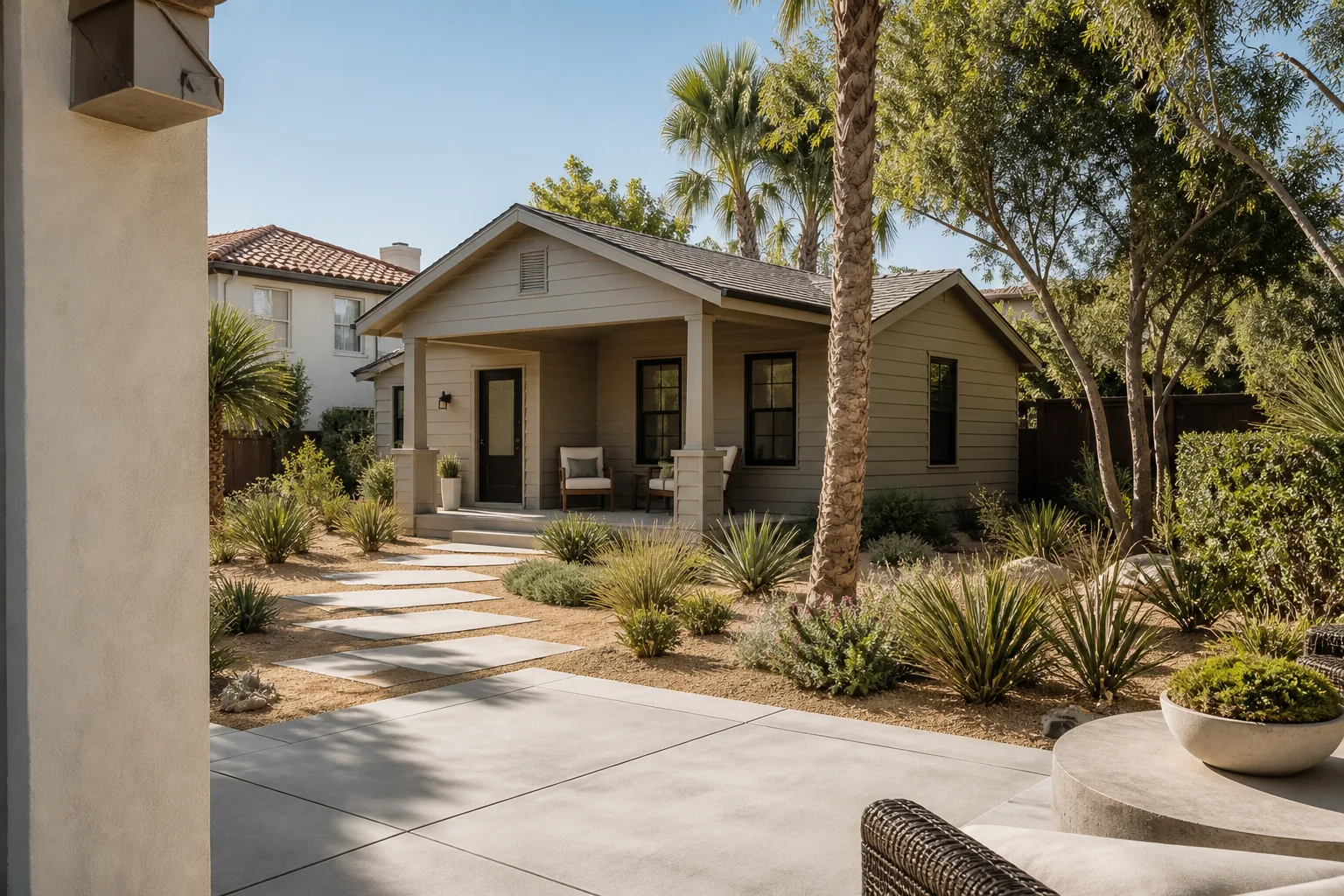
You have a 1920s Craftsman bungalow or a Spanish Colonial off North Lake, and something needs fixing. A porch column is soft. A window is failing. The bathroom faucet drips. The bid from a handyman came in lower than the licensed contractor quote. That’s the fork in the road.
Before you take the lower number, pull the property record. If the parcel carries a Mills Act contract, any exterior work visible from the street can trigger Cultural Heritage Commission approval. A handyman who re-sides a porch column or swaps a window without a permit, without CHC sign-off, and without matching the Secretary of the Interior’s Standards has created a code violation. The city can stop work and require the non-compliant material to be removed and rebuilt correctly, and in extreme cases, the Mills Act contract itself is at risk. That scenario is not a scare story. It happens in this city, and the homeowner pays to fix it.
What California Law Actually Says About Handymen
A handyman in California is not licensed as a contractor. The legal boundary that limits what a handyman can do is the $500 rule. If the combined cost of labor and materials on a single job goes over $500, the work requires a licensed contractor. A handyman also cannot legally pull a building permit, cannot perform electrical or plumbing work, and cannot do structural work.
That boundary is where Pasadena’s housing stock gets dangerous. Open a wall in most pre-war homes in Pasadena and you may find knob-and-tube wiring, cloth-insulated conductors, or galvanized supply lines. Replacing a bathroom vanity can uncover corroded galvanized pipe behind the wall. That’s not a “just swap the fixture” task. It’s a licensed plumbing and possibly a rough-in permit situation, and a handyman has no legal path to handle it.
- Under $500, cosmetic, no permit: handyman work is a fair fit.
- Over $500 in labor plus materials: licensed contractor required.
- Any electrical, plumbing, or structural work: licensed contractor, usually with a permit.
- Anything visible from the street on a historic or Mills Act property: licensed contractor plus Cultural Heritage Commission process.
- Anything touching fire-resistant roofing, window replacement, or exterior envelope in the wildfire-risk hills: licensed contractor, documented material spec.
Common Local Scenarios Where the Line Matters
A window replacement on a Period Revival home near Orange Grove. Straightforward job, right? Not in the Historic Preservation overlay. Replacement windows visible from the street must match the original profile and dimensions, and the review process runs through the Cultural Heritage Commission. A handyman who drops in modern off-the-shelf units has just installed a code violation, and the fix is removal and rebuild at the homeowner’s cost.
A porch column repair on a Mills Act bungalow. The column is soft at the base. Under the $500 threshold it looks like a handyman task. In practice, the proper repair involves structural assessment of the load path, matching lumber species and dimensions, and a permit if the repair crosses into structure. Documented, permitted, HC-reviewed work preserves the Mills Act contract. An undocumented patch does not.
A bathroom vanity swap that uncovers corrosion. Half of Pasadena’s pre-war stock still runs galvanized lines. Pull the vanity and the odds are decent you’ll find pipe that needs replacement, which means a permit, a plumbing test, and wall repair. A handyman can install the vanity. A handyman cannot legally replace the pipe.
A roof replacement on the north edge of town. Pasadena’s fire-risk exposure on the north and east edges has pushed demand for fire-resistant roofing and ember-resistant detailing. That’s a documented material decision – a specified IKO or Boral tile system, correct underlayment, and envelope detailing. A handyman’s material choice is undocumented and often unverifiable, which matters at resale.
The Permit Record Is a Resale Asset
When you sell a Pasadena house, the buyer’s inspector and the lender both look at the permit history. Unpermitted work creates two bad paths. Disclose it and you’re negotiating credits. Don’t disclose it and you carry the liability. Either way, retroactive permitting costs money and often requires opening finished walls to allow inspection.
Permitted work is a cleaner story. A licensed contractor leaves behind a documented trail: plan sets, inspection cards, manufacturer specs, and warranties. Our general contracting work here in Pasadena is built around that trail. Every project gets a written price before work starts, and we specify name-brand materials – James Hardie siding, Therma-Tru doors, GAF roofing, KraftMaid and Wellborn cabinetry, Cambria and Caesarstone surfaces, Kohler and Moen fixtures – so the finished spec is traceable, not a guess. The 365-Day Done Right Promise backs every completed project with a full-year written guarantee.
Side-by-Side: Where the Two Actually Diverge
| Factor | Handyman | Licensed Contractor |
|---|---|---|
| Legal job ceiling | Under $500 in labor plus materials | No dollar ceiling |
| Can pull a permit | No | Yes |
| Electrical, plumbing, structural | Not legally permitted | Yes, in scope |
| Historic district compliance | No CHC process support | Reviewed and documented |
| Material documentation | Undocumented | Named manufacturers, specs, warranties |
| Resale record | Unpermitted work, liability | Inspection record on file |
| Written price before work | Rarely | Always, non-negotiable |
| Written workmanship guarantee | None standard | 365-Day Done Right Promise |
For anything on that right-hand column, the decision is made. The only real question is which licensed contractor. Bradford Remodeling Co Pasadena operates under The Garrison Standard, a written framework that puts the price and the guarantee in writing before a tool comes out. Our technicians have up to 22 years of experience, they’re background-checked and uniformed, and a live person answers the phone around the clock.
What a Contractor Legitimately Costs in Pasadena
Real numbers help more than a vague quote. These are market-calibrated ranges for work in Pasadena. Your written price will match the scope, not the ballpark.
| Project | Typical Range (Pasadena) |
|---|---|
| Bathroom Remodel | $9,000-$28,000 |
| Kitchen Remodel | $14,000-$45,000 |
| Window Replacement | $4,500-$15,000 |
| Roof Replacement | $8,000-$20,000 |
| Tile Roof Repair | $600-$2,500 |
| Home Addition | $45,000-$130,000 |
| Garage Conversion | $30,000-$80,000 |
Any permitted project in a Pasadena pre-war home should be scoped for what’s behind the wall, not just what’s visible. That’s why we set the price in writing after a real look, then hold it. For the wider picture, see our home page for how the practice runs end to end.
FAQs
Yes, but only within narrow limits: jobs under $500 in combined labor and materials, no permit required, and no electrical, plumbing, or structural work. Cross any of those, and the work requires a licensed contractor. In Pasadena’s historic districts, add CHC review for any exterior change visible from the street. If you’re unsure which side your job falls on, call (888) 841-5410 for a straight answer; the assessment is free.
It usually does. Buyers’ inspectors and lenders look for permit records, and unpermitted work forces one of two bad choices: disclose and negotiate a credit, or leave it and carry the liability. Retroactive permitting adds cost and often requires opening finished walls for inspection. A permitted job with documented material specs and a written guarantee avoids the problem entirely.
A handyman typically charges by the task, and that number looks small because the permit, inspection, and warranty work isn’t in it. A licensed general contractor prices the full scope, including permits and inspection. For context, a Bathroom Remodel in Pasadena runs $9,000-$28,000 and a small kitchen remodel runs $9,000-$20,000. Call (888) 841-5410 for a free, written estimate that reflects the real scope.
Often, yes. Pasadena’s 1900s-1930s stock uses old-growth or redwood framing that doesn’t match modern dimensional lumber, and opening a wall frequently reveals knob-and-tube wiring or galvanized pipe. That changes the scope from cosmetic to systems and structural upgrade. Budget for it and price it in writing rather than discovering it mid-job. A Bradford technician can assess your specific house; the assessment is free at (888) 841-5410.
If you’d rather have it looked at, Bradford Remodeling Co Pasadena offers a no-pressure assessment in Pasadena – call (888) 841-5410 for a free estimate, with the price in writing before any work begins.
Written by the team at Bradford Remodeling Co Pasadena, serving Pasadena, CA.