Last updated November 18, 2026


Free written scope consultation - allowances, timeline, and change-order rules on paper before a single trade is scheduled
Home Remodeling Warning Signs Every Homeowner Should Know
The contractor who burned your neighbor probably had a clean record. A CSLB license in good standing. A truck with a magnet sign. And a contract with exactly one paragraph where the payment schedule should have been. That’s the part most homeowners miss: bad remodelers don’t announce themselves at the door. They leave a paper trail, and it’s readable weeks before the first hammer swings. This guide walks you through the trail – the license lookup most people stop short of, the bid formats that set up change orders, and the contract clauses that quietly move risk onto you. We’ll read it the way we read it in Pasadena, where hillside grading, older housing stock, and a hot remodel market give a bad actor plenty of cover.
Quick Answer
The clearest warning signs of a problem remodeler show up before work starts: a license that’s “active” but missing workers’ comp coverage, a bid full of allowances with no dollar amounts, a contract with no firm completion date, and a deposit request above California’s 10% or $1,000 cap. Any one of these is a reason to slow down. Two together is a reason to walk. The strongest protection you have is a written price and a written guarantee before a single tool comes out – and a contractor who resists either is telling you something.
Styles & brands we work with
- Kitchen remodeling
- Bathroom remodeling
- Home additions & ADU
- Roofing
- Windows & doors
- Driveway & pavers
- Fence
Table of Contents
- Reading a CSLB License Like a Contractor Does
- Bid Red Flags: What a Low-Ball Bid Is Actually Setting Up
- Contract Language That Shifts Risk to You
- What a Fair Payment Schedule Looks Like in California
- On-Site Tells: What to Watch During Demolition
- Pasadena-Specific Red Flags
- What “Squared Away” Looks Like at Job Close
- Common Mistakes to Avoid
Reading a CSLB License Like a Contractor Does
Most homeowners do the same thing: they type the license number into the CSLB lookup, see the word “Active,” and stop. That’s the equivalent of reading the first line of a credit report. The real signal is in the details below the status line, and in our experience across Pasadena remodels, that’s where shaky operators show up.
Here’s how to run the check properly, in order:
- Confirm the license class. A B (General Building) license covers whole-home and structural work. A C-33 covers painting only. If your general contractor’s license says C-33, they can’t legally frame your addition. Match the class to the scope.
- Check the bond amount. California requires a contractor’s bond, but the minimum is modest. A contractor carrying only the state minimum has very little skin in the game if something goes wrong. Ask what bond they carry and confirm it on the record.
- Look for the workers’ comp exemption. This one matters more than people realize. A contractor with an exemption and no policy means any worker who gets hurt on your property may come after your homeowner’s insurance. If they have employees, they should have coverage. Ask for the certificate, not just a verbal yes.
- Read the complaint history. The CSLB publishes disciplinary actions. One old complaint isn’t a dealbreaker; a pattern in the last few years is.
- Confirm the name on the license matches the name on the contract. Bait-and-switch on entity names is an old trick.
A contractor who knows their own license details cold is a contractor who runs a by-the-book operation. If they fumble the license class or hand-wave on the workers’ comp question, that’s your first warning sign – and it costs you nothing to catch it before signing anything.
Bid Red Flags: What a Low-Ball Bid Is Actually Setting Up
The lowest bid is rarely the lowest price. It’s usually the opening move in a change-order game where the price climbs mid-project and you’re too far in to walk. The setup is almost always in the bid document itself. Three patterns give it away.
Allowances with no line items. An allowance is a placeholder number for something the contractor hasn’t priced yet – say, “$3,000 for tile.” If the bid doesn’t show the square footage or the material grade behind that number, the allowance is a lever. The tile you actually want costs $6,000, and the difference lands on your invoice. A disciplined bid shows a line item with a real range and the material spec attached. If you’re choosing Cambria or Caesarstone for a kitchen countertop, the bid should name the surface and the square footage, not write “countertops – TBD.”
“Materials to be determined” clauses. These let the contractor substitute cheaper materials after the contract is signed. Legitimate substitutions happen, but they should require your written approval and a price adjustment in your favor.
Lump-sum labor with no breakdown. A total number with no labor/material split hides what you’re actually paying for and makes it impossible to evaluate fairness. A written price means a written breakdown.
In the Pasadena market specifically, we regularly see low-ball bids that omit permit fees and inspection costs. Those numbers surface later as “extras.” A square bid includes permit costs up front. If your general contractor is pulling permits and passing inspections as part of the scope, that should be visible on the page.
Contract Language That Shifts Risk to You
Every remodeling contract allocates risk between you and the contractor. A fair contract splits it sensibly. A one-sided contract pushes it all onto the homeowner, and it does so with language that looks professional and boring – which is exactly why it works. Read these three clauses carefully.
- Indefinite completion dates. Language like “work to be completed in a timely manner” or “substantial completion at contractor’s discretion” gives the contractor no deadline at all. A firm contract states a start date, a completion date, and what happens if the job runs over. Vague timing is one of the most reliable warning signs of a crew that juggles too many jobs.
- “Unforeseen conditions” catch-alls with no limits. Every remodel hits surprises – a hidden water line, rotted subfloor, older knob-and-tube wiring. The problem isn’t the clause; it’s a clause with no ceiling. A fair version defines what counts as unforeseen, requires written notice before any extra work proceeds, and sets a cap or a change-order process. A catch-all with no limits means the price can move at any time.
- Arbitration clauses that waive lien rights. Some contracts bury a clause requiring binding arbitration and, in the same breath, ask you to waive your right to file a mechanics lien or pursue certain claims. California has rules protecting homeowners here, but the clause can still cost you leverage. Have a construction attorney read any arbitration provision before you sign.
One more: contracts that describe the scope in a single paragraph. Your scope should run pages, not sentences. If the written scope is thin, the interpretation of the scope becomes the contractor’s call later.
What a Fair Payment Schedule Looks Like in California
California law puts a hard cap on the down payment: a licensed contractor can’t collect more than 10% of the contract price or $1,000, whichever is less, before work begins. That rule exists because front-loaded deposits are how homeowners get burned. A contractor who asks for 30% up front is either unaware of the law or counting on you not knowing it.
A legitimate schedule for a mid-size remodel typically looks like this:
- Deposit: 10% or $1,000, whichever is less, at signing.
- Progress payments: tied to completed, inspected milestones – framing complete, rough-in inspected, drywall hung. Each payment follows work that’s already done.
- Final payment: a meaningful holdback, released after final inspection and your walkthrough, not on the day the last nail goes in.
Watch for a schedule that front-loads 50% or more before framing, or one with payments due on calendar dates rather than milestones. Calendar-based schedules pay the contractor whether or not the work moved. Milestone-based schedules pay for completed work. That distinction is the whole game.
Also ask what the payment schedule does if the job stalls. A disciplined contract states that payments stop if work stops, and what the homeowner’s recourse is. If the contract is silent on that, it’s designed to protect one party, and it isn’t you.
On-Site Tells: What to Watch During Demolition
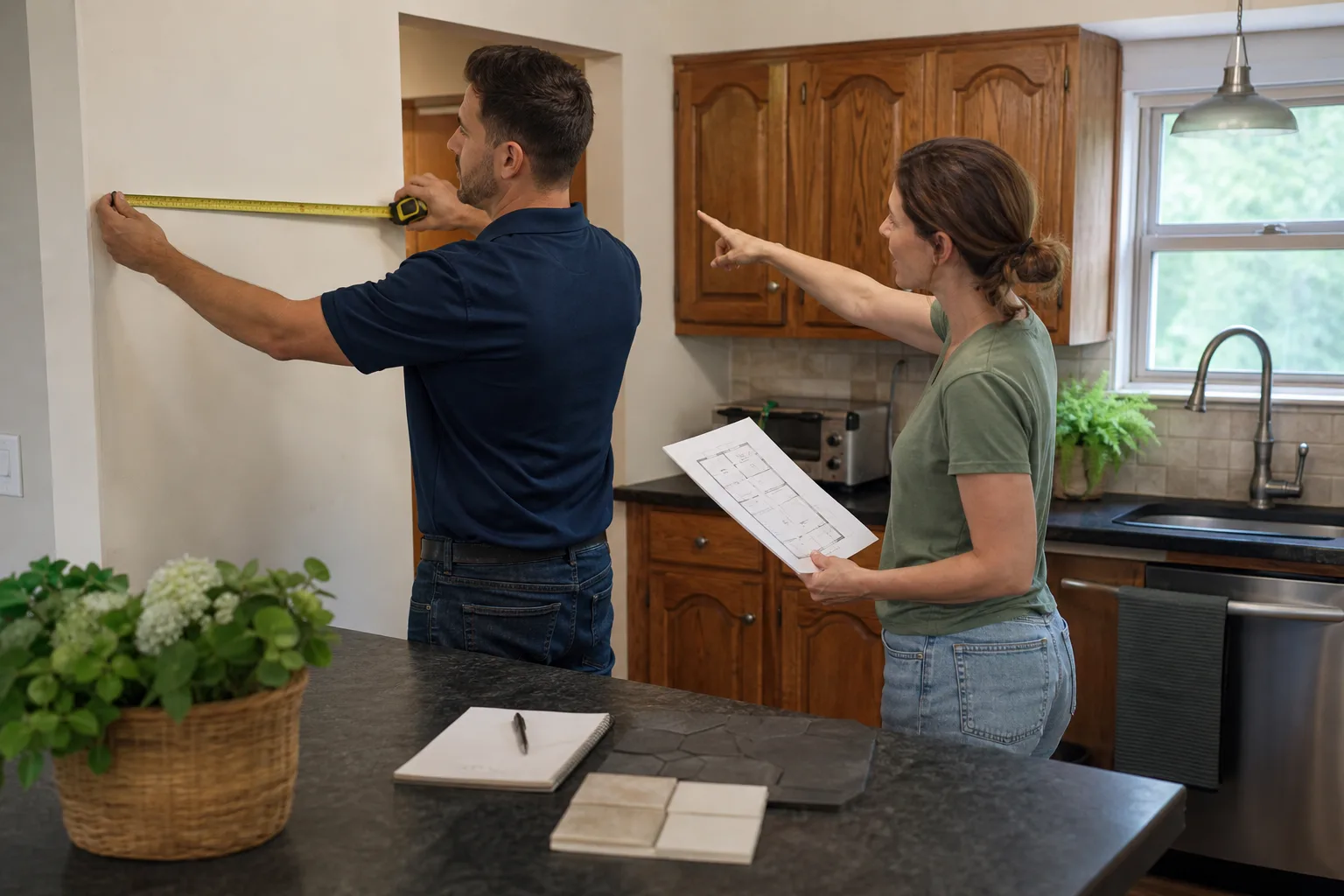
Demolition is the tell. It’s the first week when the contractor’s real operating standards show, before any finish work can hide them. If you’re planning a whole-home remodel in Pasadena, spend twenty minutes on site during demo week and watch for these.
- Subcontractors arrive with no site supervisor. A crew that shows up with no one running the job is a crew that answers to nobody. Every trade should report to a named site super who’s on site or reachable the same day.
- No posted permit. In Pasadena, permitted work requires the permit posted visibly on site. If it’s not there, the work may not be permitted – and unpermitted work can complicate your insurance and resale.
- Materials stored without protection. Cabinets, fixtures, and finish materials sitting in the open in a driveway or an unsecured garage will get damaged and installed anyway. Good crews stage and cover materials.
- Debris piling up with no dumpster or haul-away plan. A clean site is a working standard, not a luxury.
- No dust protection on occupied rooms. Plastic sheeting and zip walls are basic. If you’re living in the home during the remodel, their absence tells you the crew has never run a job carefully.
The pattern to watch for is inconsistency – great on day one, sloppy by day five. That’s the difference between a contractor who’s organized and one who’s winging it. The first week is your best chance to catch it.
Pasadena-Specific Red Flags
Pasadena has its own remodeling landscape, and some warning signs are local. The city has a large stock of homes built before 1960, and older housing carries specific risks a general contractor should raise proactively, not discover mid-job.
- No mention of hazardous materials. Any pre-1980 home in Pasadena likely contains lead paint and possibly asbestos in flooring, insulation, or duct wrap. A contractor who doesn’t ask about the build year and doesn’t discuss abatement is either inexperienced or planning to ignore it. Both are problems.
- No discussion of hillside or seismic conditions. Homes in the hillside neighborhoods and much of the older Pasadena stock need seismic retrofitting considerations – cripple wall bracing, foundation bolting. A bid that doesn’t mention structural scope on an older home is incomplete by default.
- Permit-avoidance language. Some contractors suggest skipping permits to “save time and money.” In Pasadena, that’s a red flag that should end the conversation. Unpermitted additions and remodels are the single most common problem we see at resale.
- No handling of Pasadena’s historic review process. Certain properties and neighborhoods fall under historic or design review requirements. A contractor unfamiliar with the local process will discover it late, and you’ll absorb the delay.
If you’re working through the plan and need a contractor with a real process in place for local conditions, our General Contractor in Pasadena service page lays out how those steps should run.
What “Squared Away” Looks Like at Job Close
The last week of a project is where discipline either holds or collapses. A job that’s truly squared away has four things in the homeowner’s hand before the crew leaves.
- A clean site. Debris hauled, floors swept, no leftover materials stacked in a corner.
- A documented scope closeout. Every line item on the original scope checked off, with any change orders lettered and signed.
- Final inspection passed. Not scheduled – passed, with documentation.
- A signed written guarantee. Not a verbal promise. A document that states what’s covered, for how long, and how to invoke it.
That last point is the one homeowners most often skip, and it’s the one that matters most. Every Bradford Remodeling project closes with the 365-Day Done Right Promise – a full-year written guarantee. If the work fails inside that window, we come back and correct it at no charge. That’s not a marketing line; it’s the document in your hand at closeout, and it’s the reason we insist on the full closeout checklist before we consider a job finished.
Common Mistakes to Avoid
- Stopping the CSLB check at “Active.” The status is the least informative part. Bond amount, workers’ comp, and complaint history tell you far more.
- Accepting allowances without line items. If the bid doesn’t show the square footage and material spec behind an allowance, the allowance is a change order waiting to happen.
- Signing a contract without a completion date. Vague language like “timely manner” gives the contractor no deadline and you no recourse.
- Paying more than 10% or $1,000 up front. California caps the deposit. A larger ask is a signal, not a favor.
- Skipping the permit question for a “small” project. In Pasadena, even modest kitchen and bath remodels need permits, and unpermitted work complicates insurance and resale.
- Ignoring hazardous-material questions on older Pasadena homes. Lead and asbestos are real risks in pre-1980 houses. A contractor who doesn’t raise them is skipping a step you can’t skip.
- Not getting the guarantee in writing. Verbal promises are unenforceable. Ask for the written guarantee before work begins, not after.
If you’re weighing a kitchen project and want to see the standards we run by on a specific scope, our Kitchen Remodeling in Pasadena page is a useful reference. The same discipline applies to a Bathroom Remodeling in Pasadena project, where the rough-in and waterproofing details decide whether the job lasts.
See the difference
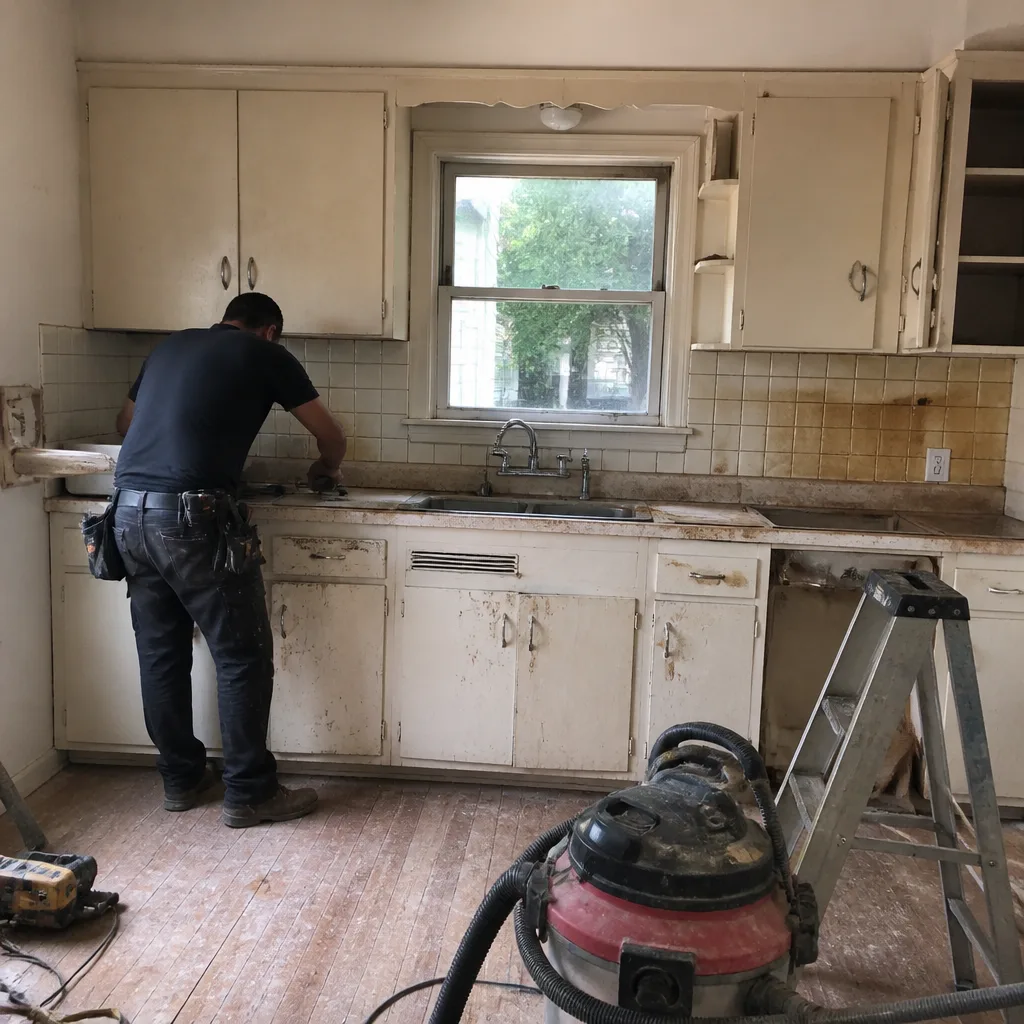 Before
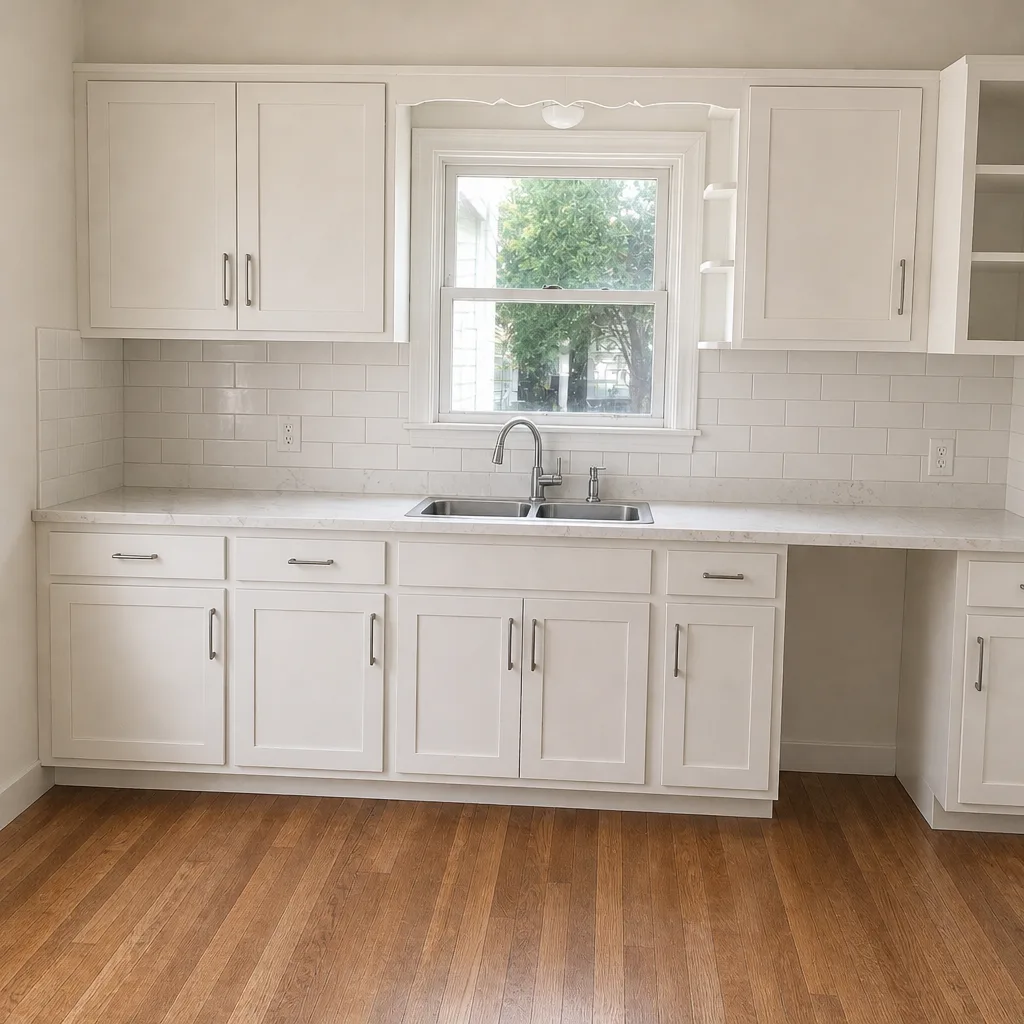 After
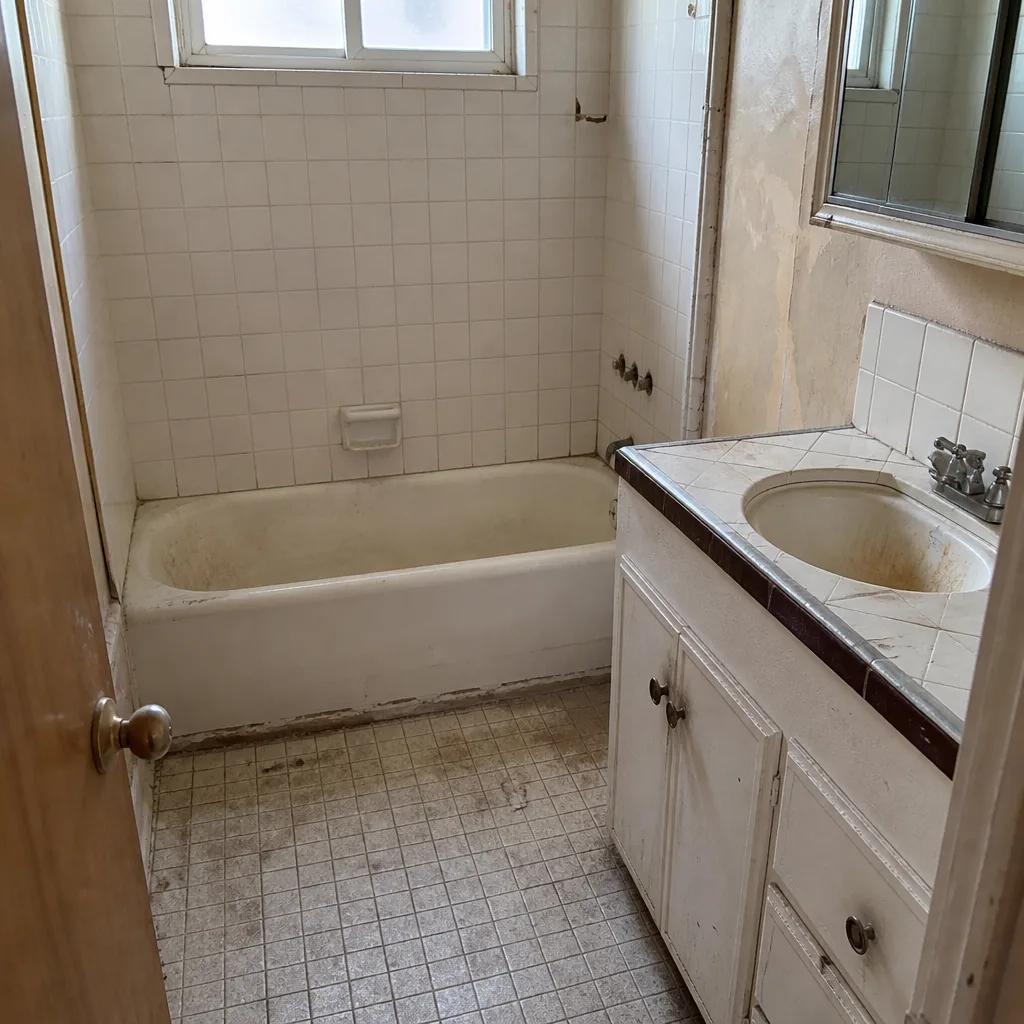 Before
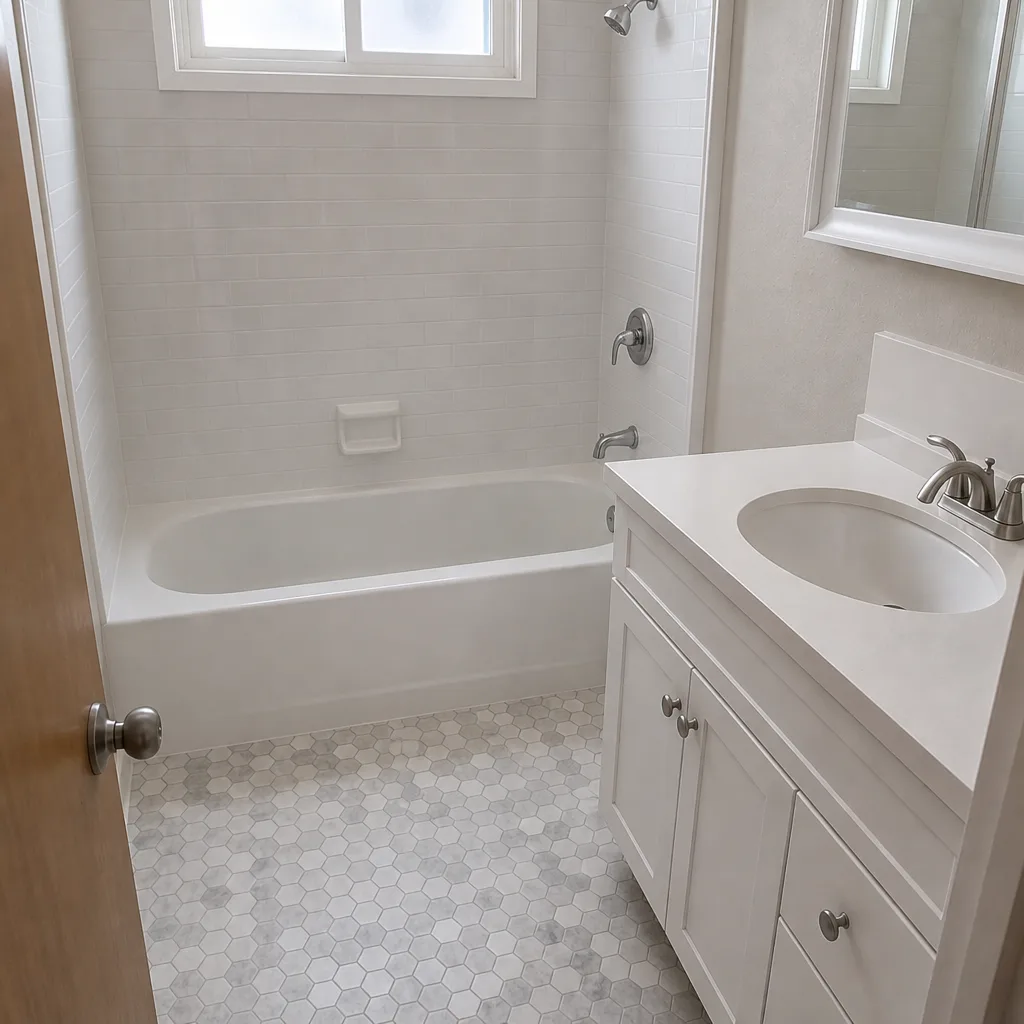 After
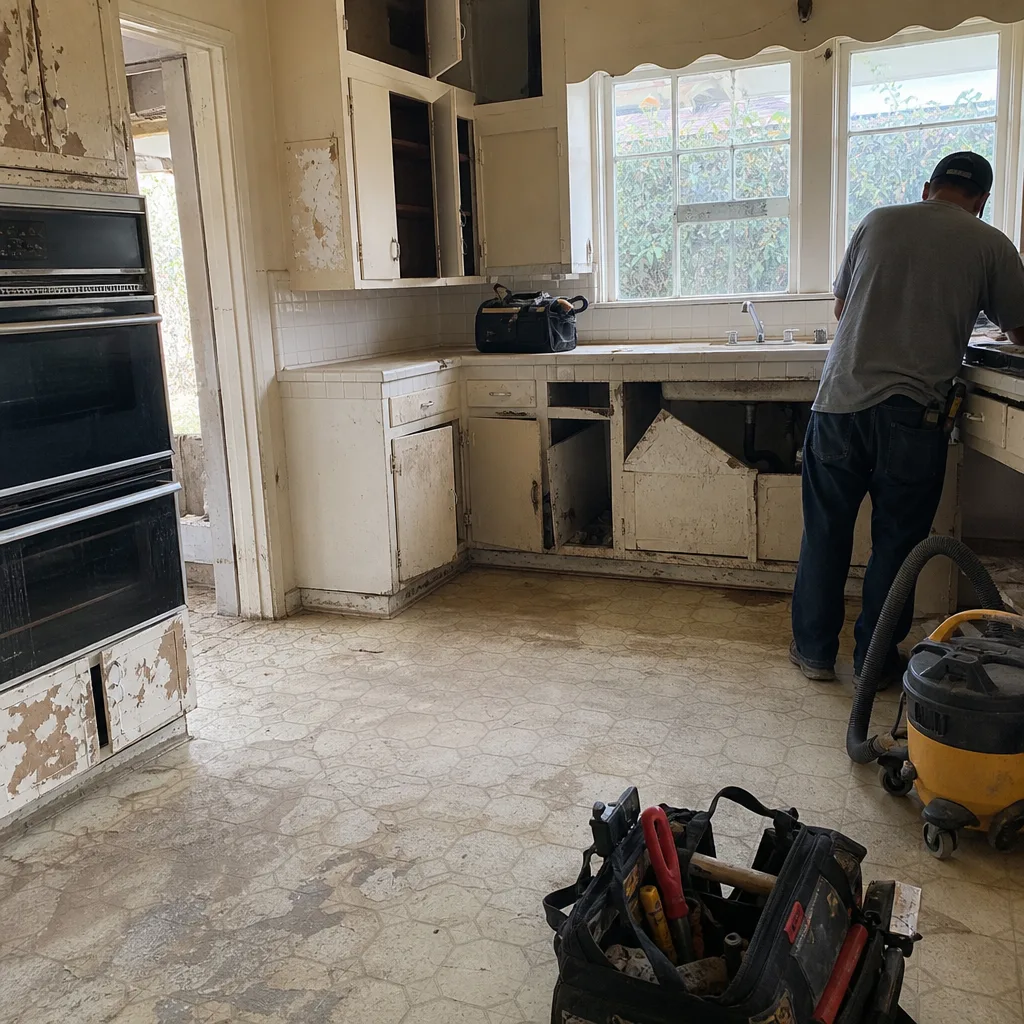 Before
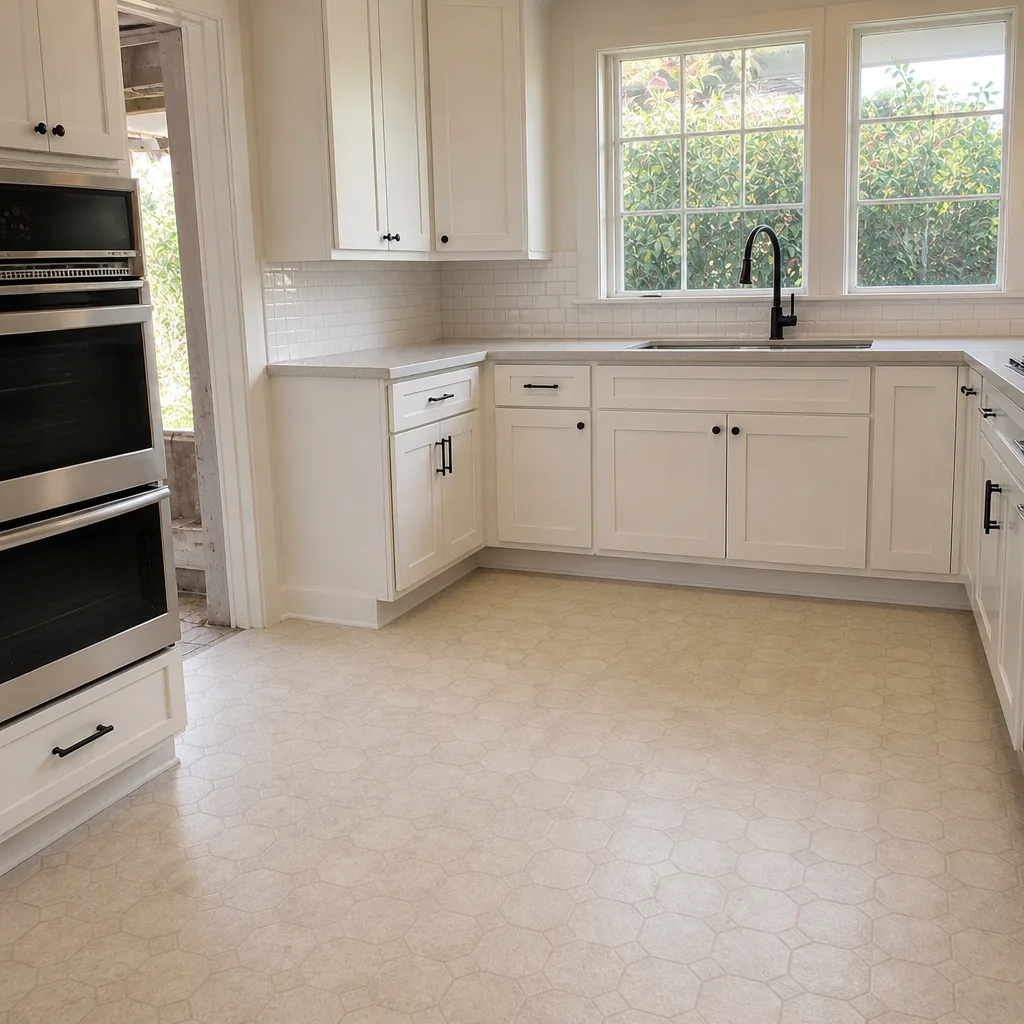 After
When to Call a Professional
Some remodeling signals say “walk away.” Others say “get a second bid from a by-the-book contractor.” Call a professional if any of the following is true: your contract has no firm completion date, your bid has allowances with no line items, you’re asked for more than 10% or $1,000 up front, the contractor can’t produce a workers’ comp certificate, the permit isn’t posted on site during demo, or the guarantee is verbal. Bradford Remodeling Co Pasadena offers free estimates in Pasadena – call (888) 841-5410. Every project starts with a written price before any work begins, and every completed project carries the 365-Day Done Right Promise in writing. Our technicians have up to 22 years of experience, and we work from a documented roster of name-brand materials so specs are traceable from the bid to the closeout.
Frequently Asked Questions
Run the license check on the CSLB website and go past the status line. Confirm the license class matches your scope, check the bond amount, confirm whether they have workers’ comp coverage or an exemption, and read the complaint history. Then confirm the name on the license matches the name on the contract. If any of those details don’t add up, don’t sign.
Allowances with no line items, “materials to be determined” clauses, and lump-sum labor with no breakdown. Those three patterns set up change orders that move the price mid-project. A disciplined bid shows real material specs, real square footage, and a written price breakdown.
No more than 10% of the contract price or $1,000, whichever is less, before work begins. That’s the state cap for a licensed contractor. Any larger ask is a warning sign, and it’s not something a by-the-book contractor will request.
It’s a clause allowing the contractor to charge extra for conditions discovered after work starts – hidden water damage, rotted framing, old wiring. The clause itself is normal; an open-ended version with no cap or notice requirement is not. A fair version requires written notice before extra work proceeds and offers a change-order process.
No site supervisor on job, no posted permit, materials stored without protection, debris piling up, and no dust protection on occupied rooms. Inconsistency between week one and week two is the clearest signal that a crew is disorganized.
Yes. Much of Pasadena’s housing stock predates 1980, and we plan for lead paint, asbestos, seismic retrofitting, and historic review considerations as part of the scope. Every project starts with a Bradford Remodeling Co Pasadena home visit and a written price before any work is scheduled. Our technicians have up to 22 years of experience working with that housing stock.
The Bottom Line
Bad contractors leave the same paper trail: a license in “good standing” with quiet problems underneath, a bid that hides the real price behind allowances, a contract with no completion date and a catch-all clause, and a deposit that breaks California’s 10% or $1,000 rule. Every one of those signs is readable before you sign. The homeowner who reads them saves thousands and months. The homeowner who doesn’t is the one the next guide is written about. If you want a second opinion on a bid or a contract, we’re happy to look at it. Bradford Remodeling Co Pasadena works from a written price and the 365-Day Done Right Promise on every project, and a live person answers the phone 24/7.
Contact

If you’re ready to compare a bid against a by-the-book standard, call Bradford Remodeling Co Pasadena at (888) 841-5410 for a free estimate. We’ll walk the scope with you, put the price in writing before any work starts, and close the job with a signed written guarantee in your hand. Estimates are free, and the phone is answered by a live person, 24/7.
Written by the team at Bradford Remodeling Co Pasadena.